
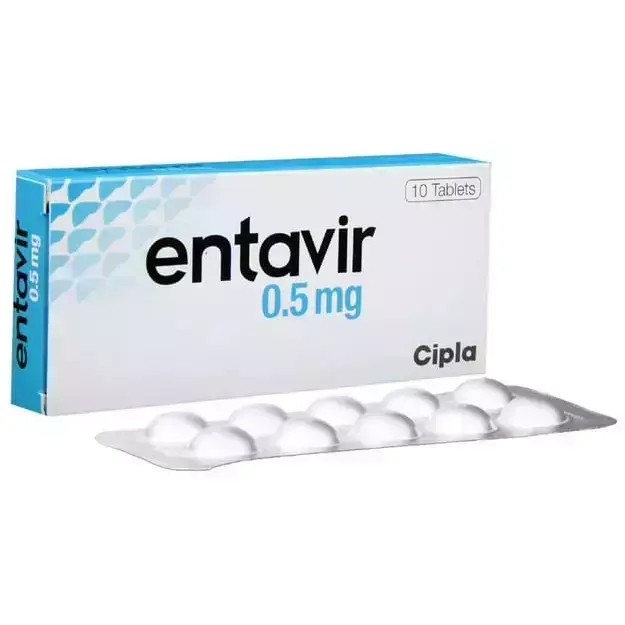
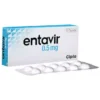
Entavir 0.5 Mg (Entecavir)
Price range: $115.00 through $630.00
| Active Ingredient | Entecavir |
|---|---|
| Manufacturer | Cipla Limited |
| Packaging | 10 tablets in 1 strip |
| Strength | 1mg |
| Delivery Time | 6 To 15 days |
| SKU: | Entavir (Entecavir) – 0.5 Mg |
Entavir 0.5 Mg (Entecavir): Uses, Dosage, Side Effects, and Everything You Need to Know
If you or someone you love has just been prescribed Entavir 0.5 Mg (Entecavir), it’s completely normal to have questions. Chronic Hepatitis B can feel overwhelming to manage, and understanding your medication is one of the best ways to feel more in control of your treatment journey. This guide breaks down what Entavir 0.5 Mg is, how it works, what to expect, and the precautions you should keep in mind — all in plain, straightforward language.
Note: This article is for informational purposes only and is not a substitute for professional medical advice. Always follow your doctor’s or pharmacist’s instructions regarding dosage and treatment duration.
What Is Entavir 0.5 Mg?
Entavir 0.5 Mg is a prescription antiviral medicine that contains Entecavir as its active ingredient. It belongs to a class of drugs called nucleoside analogue reverse transcriptase inhibitors, which is a fancy way of saying it interferes with the way the Hepatitis B virus copies itself inside the body.
Entavir is manufactured and marketed by Cipla Ltd., one of India’s leading pharmaceutical companies, and is widely prescribed for the long-term management of chronic Hepatitis B virus (HBV) infection in adults and, in some cases, adolescents.
Unlike a quick-fix antibiotic that clears an infection in a week or two, Entavir is typically part of a long-term treatment plan. Hepatitis B is a chronic condition for many patients, and the goal of Entavir isn’t necessarily to “cure” the virus completely — it’s to suppress viral activity, protect the liver from further damage, and reduce the risk of serious complications down the road.
How Does Entavir 0.5 Mg Work?
To understand how Entavir works, it helps to know a little about what Hepatitis B does inside the body. The virus invades liver cells and uses an enzyme to replicate its genetic material, multiplying rapidly if left unchecked. Over time, this ongoing replication can cause inflammation, scarring (cirrhosis), and in more serious cases, liver failure or liver cancer.
Entecavir works by mimicking one of the natural building blocks the virus needs to replicate. When the virus mistakenly incorporates Entecavir into its genetic material instead of the real building block, the replication process gets disrupted. In simple terms, it jams the virus’s copy machine.
By slowing down or stopping this replication process, Entavir helps:
- Reduce the amount of Hepatitis B virus (viral load) in the bloodstream
- Lower inflammation in the liver
- Reduce the risk of long-term liver damage, cirrhosis, and liver cancer
- Improve overall liver function over time
It’s worth noting that Entavir does not cure Hepatitis B, and it does not prevent transmission of the virus to others through blood, unprotected sex, or shared needles. Patients on Entavir should continue to take precautions to avoid spreading the infection.
Who Is Entavir 0.5 Mg Prescribed For?
Entavir 0.5 Mg is primarily prescribed for adults and adolescents (generally 16 years and older) who have chronic Hepatitis B infection with evidence of active viral replication — meaning the virus is actively multiplying in the body — along with signs of liver inflammation or damage.
Doctors typically consider prescribing Entavir when:
- Blood tests show ongoing HBV DNA replication
- Liver enzyme levels (like ALT) are persistently elevated
- There’s evidence of active liver inflammation, sometimes confirmed through a liver biopsy or non-invasive fibrosis testing
- The patient hasn’t previously been treated with similar antiviral drugs (nucleoside-naïve patients), since Entavir’s standard 0.5 mg dose is most effective in this group
For patients who’ve previously taken other antivirals like Lamivudine and developed resistance, doctors often switch to a higher dose (1 mg) rather than the 0.5 mg strength, since resistant strains of the virus may not respond as well to the lower dose.
Entavir 0.5 Mg Dosage: What You Should Know
Dosage decisions should always be made by your treating physician based on your specific health profile, liver function, treatment history, and other medications you’re taking. That said, here’s some general context so you know what to expect:
- The standard recommended dose for treatment-naïve adults and adolescents is 0.5 mg once daily.
- Entavir is usually taken on an empty stomach — either at least 2 hours after a meal or 2 hours before the next meal — since food can reduce how well the body absorbs the medication.
- It’s generally taken at the same time each day to maintain consistent levels of the medicine in your bloodstream, which is important for keeping the virus suppressed.
- Treatment with Entavir is typically long-term, often lasting years, depending on how your body responds and what your doctor observes through periodic blood tests.
Never adjust your dose, skip doses, or stop taking Entavir on your own — even if you’re feeling better. Suddenly stopping antiviral therapy for Hepatitis B has been associated with severe flare-ups of the disease, sometimes worse than before treatment started. If you ever feel like you want to stop or change your medication, talk to your doctor first.
What Happens If You Miss a Dose?
Life happens, and it’s easy to forget a dose here and there. If you miss a dose of Entavir, take it as soon as you remember — unless it’s almost time for your next dose. In that case, skip the missed dose and continue with your regular schedule. Never double up on doses to “make up” for a missed one, as this can increase the risk of side effects without added benefit.
If you find yourself missing doses frequently, it’s worth having an honest conversation with your doctor. Consistency really matters with antiviral therapy, and your doctor may be able to help you build a routine (like linking your dose to a daily habit, or setting phone reminders) that makes it easier to stay on track.
Common Side Effects of Entavir 0.5 Mg
Like most medications, Entavir can cause side effects, though not everyone experiences them, and many people tolerate the medication quite well. Some of the more commonly reported side effects include:
- Headache
- Fatigue or tiredness
- Dizziness
- Nausea
- Diarrhea
- Insomnia or trouble sleeping
- Mild increases in liver enzyme levels
These effects are often mild and may improve as your body adjusts to the medication. However, if any of these symptoms feel severe, persistent, or disruptive to your daily life, it’s worth flagging them to your doctor rather than just pushing through.
Serious Side Effects to Watch For
While uncommon, there are some serious side effects associated with Entecavir that require immediate medical attention. Seek help right away if you experience:
- Persistent nausea or vomiting that won’t stop
- Loss of appetite
- Unusual stomach or abdominal pain
- Yellowing of the skin or eyes (jaundice)
- Dark-colored urine
- Unusual tiredness or weakness that seems out of proportion
- Rapid or irregular heartbeat
- Deep or fast breathing
- Unusual muscle pain, or feeling unusually cold in the arms or legs
These symptoms could indicate rare but serious liver problems or a condition called lactic acidosis (a buildup of lactic acid in the blood). Reports suggest these particular risks may be somewhat more common in women and in people who are overweight or obese, though they remain rare overall. If you notice any combination of these symptoms, don’t wait it out — contact your doctor or seek emergency care.
Important Precautions Before Taking Entavir
Before starting Entavir 0.5 Mg, make sure your doctor has a complete picture of your health history. A few important things to mention:
If you have kidney problems: Entecavir is processed by the kidneys, so your doctor may need to adjust your dose if you have reduced kidney function. Regular kidney function monitoring is often part of the treatment plan.
If you have HIV alongside Hepatitis B: Entecavir is generally not recommended for patients with HIV/HBV co-infection who aren’t also receiving effective HIV treatment, since it could potentially affect how the HIV virus responds to future antiretroviral therapy.
If you’re pregnant or breastfeeding: The safety of Entecavir during pregnancy and breastfeeding hasn’t been fully established in humans. If you’re pregnant, planning a pregnancy, or breastfeeding, this is an essential conversation to have with your doctor before starting or continuing treatment.
If you drink alcohol regularly: Since Entavir affects the liver — the same organ already under stress from Hepatitis B — heavy alcohol use can compound liver damage and may interfere with treatment effectiveness.
If you’re on other medications: Let your doctor know about all medications, supplements, and over-the-counter drugs you’re taking, especially other drugs that are processed by the kidneys, to avoid potential interactions.
Why You Should Never Stop Entavir Abruptly
This point deserves its own section because it’s genuinely important: stopping antiviral treatment for Hepatitis B suddenly — without your doctor’s guidance — can trigger a serious flare-up of the disease. In some cases, these flares have been reported to be severe, even more severe than the original infection activity before treatment began.
If treatment needs to be paused or discontinued for any reason, your doctor will likely want to monitor your liver function closely with blood tests for several months afterward, since the virus can rebound even after you’ve stopped taking the medicine. This is one of those situations where patience and communication with your healthcare provider genuinely make a difference in your long-term outcome.
How to Store Entavir 0.5 Mg
Proper storage helps ensure your medication stays effective throughout your treatment course. A few simple guidelines:
- Store Entavir tablets at room temperature, away from direct sunlight and excess heat.
- Keep the medication in its original packaging until you’re ready to take it, to protect it from moisture.
- Store it out of reach of children and pets, ideally in a cabinet rather than somewhere easily accessible.
- Don’t store it in the bathroom, where humidity from showers can affect the tablet’s stability.
- If a dose ever looks discolored, damaged, or past its expiry date, don’t take it — check with your pharmacist about safe disposal and a replacement.
Possible Drug Interactions
Entecavir doesn’t have a huge list of major drug interactions compared to some medications, but it’s still important to be transparent with your doctor about everything you’re taking. A few points worth knowing:
- Since Entecavir is cleared by the kidneys, other medications that affect kidney function may influence how much Entecavir stays in your system, potentially requiring a dose adjustment.
- Combining Entavir with other drugs that carry their own risk of liver stress should be done cautiously and only under medical supervision.
- Herbal supplements and over-the-counter products aren’t automatically “safe” just because they’re natural — some can affect liver enzymes or kidney function. Always mention these to your doctor too.
- If you’re switching from another Hepatitis B antiviral (like Lamivudine) to Entavir, your doctor will guide the transition, since resistance patterns from prior treatment can affect how well Entavir works for you.
This isn’t an exhaustive list, and only your doctor or pharmacist can properly assess your full medication profile for potential interactions.
Monitoring During Treatment
Because Hepatitis B management is a long-term process, your doctor will likely schedule periodic check-ins to track how your body is responding to Entavir. These typically include:
- HBV DNA testing to measure your viral load and confirm the virus is being suppressed
- Liver function tests (LFTs), checking enzymes like ALT and AST for signs of inflammation or damage
- Kidney function tests, since the kidneys process Entecavir
- HBeAg and HBsAg testing at certain intervals, which can help your doctor understand how your infection is evolving over time
- Periodic liver imaging or fibrosis assessments, especially if there was pre-existing liver damage at diagnosis
Staying consistent with these appointments, even when you’re feeling well, is one of the most valuable things you can do for your long-term liver health. Hepatitis B can be quietly active even when you don’t feel any symptoms, which is exactly why lab monitoring matters so much.
Living With Hepatitis B: Lifestyle Tips Alongside Entavir
Medication is a critical piece of managing Hepatitis B, but it works best alongside a few supportive lifestyle habits:
- Limit or avoid alcohol — your liver is already working hard to manage the virus; alcohol adds extra strain.
- Eat a balanced, liver-friendly diet — think whole foods, lean proteins, and plenty of vegetables, while minimizing processed and fried foods.
- Stay consistent with follow-up appointments — regular blood tests help your doctor track your viral load, liver enzymes, and overall liver health.
- Practice safe sex and avoid sharing needles or personal items like razors — Entavir doesn’t prevent transmission, so these precautions remain important for protecting others.
- Get vaccinated against Hepatitis A, if you haven’t already, since co-infection can add extra strain on the liver.
- Manage stress and prioritize sleep — while not a direct treatment factor, general wellness supports your body’s ability to cope with a chronic condition.
Entavir vs. Other Hepatitis B Treatments
You may have come across other antiviral medications for Hepatitis B, such as Tenofovir or Lamivudine, and wondered how Entavir compares. Broadly speaking:
- Entecavir (Entavir) is often favored as a first-line treatment for patients who haven’t been treated before, thanks to its strong antiviral potency and relatively low risk of the virus developing resistance to it.
- Lamivudine, an older drug, has a higher rate of resistance developing over time, which is part of why Entecavir is often preferred for new patients today.
- Tenofovir is another commonly used first-line option, and the choice between Entecavir and Tenofovir often comes down to individual factors like kidney health, bone health, cost, and doctor preference.
Your doctor will weigh your specific health profile, treatment history, and any prior drug resistance before recommending which antiviral is the best fit for you.
Frequently Asked Questions About Entavir 0.5 Mg
Is Entavir a cure for Hepatitis B?
No. Entavir helps control and suppress the virus, reducing liver damage and complications, but it isn’t considered a cure. Most patients need to continue treatment long-term.
Can I take Entavir with food?
It’s generally recommended to take it on an empty stomach, since food can reduce absorption. Always follow your doctor’s specific instructions.
How long will I need to take Entavir?
This varies significantly from person to person. Some patients take it for several years, while others may be on it indefinitely, depending on how their virus responds and their overall liver health.
Can I drink alcohol while taking Entavir?
It’s best to avoid or significantly limit alcohol, since it adds stress to a liver that’s already dealing with a viral infection.
Is Entavir safe for children?
Entecavir has approved uses for pediatric patients under specific circumstances (generally children over 2 years of age with certain weight requirements), but dosing differs significantly from the adult 0.5 mg tablet. This should only be managed under a pediatric specialist’s care.
What should I do if I experience side effects?
Mild side effects like headache or fatigue often don’t require stopping treatment, but you should mention them to your doctor at your next visit. Serious symptoms like jaundice, severe abdominal pain, or unusual fatigue need prompt medical attention.
Medical Disclaimer:-
This information about Entavir 0.5 Mg (Entecavir) is provided for general educational purposes only and is not a substitute for professional medical advice, diagnosis, or treatment. Entavir 0.5 Mg (Entecavir) is a prescription medicine and should be taken only according to the dosage and duration recommended by a qualified healthcare professional. Do not start, stop, or change the dose without medical advice. Stopping entecavir therapy can cause a serious worsening of hepatitis B, so patients should be monitored appropriately after discontinuation.
Additional information
| mg | 0.5 Mg, 1 Mg |
|---|---|
| unit | 300 Tablet, 90 Tablet, 120 Tablet, 150 Tablet |


Reviews
There are no reviews yet.