
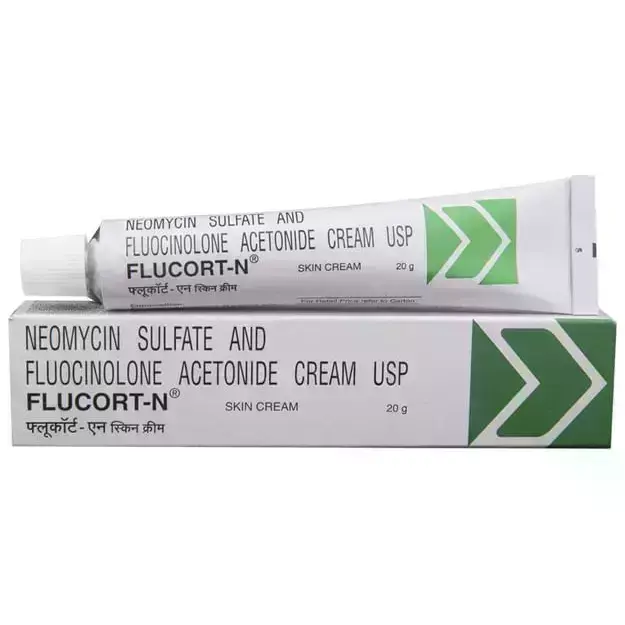
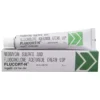
Flucort N Cream (Fluocinolone & Neomycin)
Price range: $5.00 through $28.00
| Active Ingredient | Fluocinolone |
|---|---|
| Manufacturer | Glenmark Pharmaceuticals Ltd |
| Packaging | 20 gm in 1 tube, 30 gm in 1 tube |
| Strength | 20g |
| Delivery Time | 6 to 15 days |
| SKU: | Flucort N Cream (Fluocinolone/Neomycin) |
Flucort N Cream (Fluocinolone & Neomycin): Uses, Benefits, Dosage, and Side Effects
If you’ve been prescribed Flucort N Cream (Fluocinolone & Neomycin) for a stubborn skin rash, an itchy patch of eczema, or a skin infection that just won’t heal, you probably have a dozen questions running through your head. Is it safe? How long do you use it? What happens if you use too much, or not enough? This guide breaks down everything you need to know about Flucort N Cream in plain, simple language — no confusing medical jargon, just the facts you actually need before you apply it.
As always, this article is meant to help you understand your medication better. It isn’t a replacement for advice from your doctor or dermatologist, who knows your specific skin condition and medical history best.
What Is Flucort N Cream?
Flucort N Cream is a combination topical medication that brings together two active ingredients working toward one common goal: calming irritated, infected skin. The name itself is a clue — “Flucort” refers to fluocinolone acetonide, and the “N” stands for neomycin.
This cream is typically prescribed for skin conditions where inflammation and bacterial infection are happening at the same time. Think of conditions like eczema or dermatitis that have become infected after constant scratching, or inflamed skin patches with visible signs of a secondary bacterial infection — redness, oozing, crusting, or unusual warmth around the affected area.
Because it tackles two separate problems in one application, Flucort N Cream is often more convenient than using two different creams for inflammation and infection separately.
The Science Behind Flucort N Cream: How Do Its Two Ingredients Work?
To really understand why this cream works, it helps to look at its two components individually.
Fluocinolone Acetonide: The Anti-Inflammatory Component
Fluocinolone acetonide belongs to a class of medicines called corticosteroids. Topical corticosteroids like this one are classified by strength, and fluocinolone acetonide generally falls into the mild-to-moderate potency range, making it suitable for many common inflammatory skin conditions without being overly aggressive on the skin.
Here’s what happens when you apply it: your skin releases certain natural chemical messengers whenever it’s irritated, injured, or under immune attack. These messengers are exactly what cause the redness, swelling, heat, and intense itching that make inflamed skin so uncomfortable. Fluocinolone acetonide works by blocking the release of these chemical messengers. In effect, it tells your skin’s immune response to stand down, which allows the redness and swelling to subside and gives your skin a chance to actually repair itself instead of staying in a constant state of irritation.
Neomycin: The Infection-Fighting Component
Neomycin is an aminoglycoside antibiotic, and it’s included in this formulation specifically to target the bacteria that often piggyback on already-irritated skin. Damaged or broken skin — the kind you get from scratching an itchy rash — is an easy entry point for bacteria, and once an infection sets in, healing slows down dramatically.
Neomycin works by interfering with the way bacteria produce the proteins they need to survive and multiply. Without the ability to make these proteins, the bacteria can’t grow, spread, or repair themselves, and the infection is gradually brought under control.
Why Combine the Two?
On their own, each ingredient only solves half the problem. A steroid alone might calm the itching and redness but do nothing about an underlying infection, which could actually get worse if left untreated. An antibiotic alone might kill the bacteria but leave you with ongoing inflammation, itching, and discomfort. Together, fluocinolone acetonide and neomycin address both issues simultaneously, which is why doctors often prefer combination creams like Flucort N for infected inflammatory skin conditions rather than prescribing two separate products.
What Is Flucort N Cream Used For?
Doctors commonly prescribe Flucort N Cream for skin conditions that involve both inflammation and a bacterial component, including:
- Infected eczema — eczema patches that have become infected due to scratching or broken skin
- Infected dermatitis — various forms of skin inflammation complicated by bacterial growth
- Corticosteroid-responsive dermatoses with secondary infection — a broader medical term covering inflammatory skin conditions that respond to steroid treatment but have picked up a bacterial infection along the way
- Bacterial skin infections accompanied by redness, itching, and swelling
It’s worth noting that this cream is specifically designed for conditions where both inflammation and infection are present. If your skin issue is purely inflammatory with no infection (like plain eczema without any bacterial involvement), your doctor might prescribe a plain steroid cream instead. Similarly, if there’s no inflammation at all — just a straightforward bacterial infection — a simple antibiotic cream may be sufficient. The combination formula shines specifically when both problems are happening together.
How to Use Flucort N Cream Correctly
Getting the application technique right makes a real difference in how well this cream works and how quickly your skin recovers. Here’s a step-by-step approach:
- Clean the area first. Gently wash the affected skin with mild soap and water, then pat it completely dry. Applying cream to damp or unwashed skin reduces its effectiveness and can trap moisture that worsens irritation.
- Use a thin layer. More cream doesn’t mean faster healing — in fact, applying too much can increase the risk of side effects. A thin, even layer over the affected area is all that’s needed.
- Gently rub it in. Massage the cream into the skin until it’s mostly absorbed, rather than leaving a thick, visible coating.
- Wash your hands afterward. Unless the treatment area is your hands themselves, wash your hands thoroughly after application. This prevents accidental transfer of the medication to your eyes, mouth, or other sensitive areas, and also reduces the spread of any bacteria from the infected site.
- Avoid sensitive areas. Keep the cream away from your eyes, inside your nose, and your mouth. If accidental contact happens, rinse the area thoroughly with plenty of water.
- Don’t bandage it up unless told to. Avoid covering the treated area with airtight dressings or bandages unless your doctor specifically instructs you to, since occlusive dressings can increase how much of the medication your skin absorbs, raising the risk of side effects.
- Stick to your doctor’s schedule. Most people use this cream once or twice a day, but the exact frequency and duration should come directly from your prescribing doctor rather than general guidelines, since it depends on your specific skin condition, its severity, and the area being treated.
How Long Should You Use It For?
This is genuinely one of the most important things to get right with any steroid-containing cream. Topical corticosteroids are generally meant for short-term use on any given area of skin. Using them for longer than prescribed, or applying them more frequently than directed, doesn’t speed up healing — it simply raises your risk of side effects, some of which can affect the skin permanently.
Never extend your treatment duration on your own just because the affected area still looks slightly irritated, and never use it “just in case” for a new patch of skin that turns up later, without checking in with your doctor first.
Precautions to Keep in Mind
A few important precautions go a long way in using this medication safely:
- Avoid use on broken skin, open wounds, or burns for extended periods, since this can slow the natural healing process.
- Be cautious with prolonged or excessive use, particularly on the face, groin, or underarms, since skin in these areas absorbs medication more readily and is more prone to side effects.
- Avoid use if you have acne, rosacea, or perioral dermatitis, as corticosteroids can potentially worsen these particular skin conditions.
- Use caution if you have glaucoma or cataracts or a family history of these conditions, particularly if there’s any chance of the cream getting near your eyes.
- Don’t use it on viral skin infections like chickenpox, herpes, or cold sores, since steroids can allow these infections to spread more easily by suppressing the local immune response.
- Tell your doctor about any known allergies, especially if you’ve previously reacted to corticosteroids or aminoglycoside antibiotics like neomycin, gentamicin, or streptomycin.
- Skip it if you’re not sure what’s causing your skin problem. Since this cream combines a steroid with an antibiotic, using it on the wrong kind of skin issue (a fungal infection, for instance) could make things worse rather than better.
Pregnancy and Breastfeeding
If you’re pregnant or breastfeeding, don’t start using Flucort N Cream without talking to your doctor first. While topical medications are generally absorbed into the bloodstream in much smaller amounts than oral or injectable ones, your doctor will still want to weigh the benefits against any potential risk before prescribing it, and will only recommend it if they believe the benefit clearly outweighs any risk to you or your baby.
Possible Side Effects
Most people tolerate Flucort N Cream reasonably well, especially when it’s used correctly and for the duration recommended by a doctor. That said, some side effects can occur, particularly with prolonged use or if the cream is applied more heavily or more frequently than directed.
Common, usually mild side effects:
- A burning or stinging sensation right after application
- Localized itching or redness at the site
- Mild dryness or peeling of the skin
These typically fade on their own as your skin gets used to the treatment. If they persist for more than a few days or seem to be getting worse instead of better, it’s worth mentioning to your doctor.
Less common but more significant side effects (usually linked to prolonged or excessive use):
- Thinning of the skin, making it more fragile or prone to bruising
- Stretch marks, particularly if used on areas like the underarms or groin for extended periods
- Changes in skin color at the application site
- Increased visibility of small blood vessels under the skin
- Delayed wound healing
Rare but serious concerns:
- Signs of an allergic reaction, such as severe rash, swelling of the face or throat, or difficulty breathing, which require immediate medical attention
- With prolonged use over large areas of the body, corticosteroids can occasionally be absorbed into the bloodstream in amounts large enough to affect the body’s natural hormone balance
If you notice anything that feels off, unusual, or concerning while using this cream, don’t wait it out — reach out to your doctor rather than guessing whether it’s normal.
Drug Interactions to Be Aware Of
Flucort N Cream, when used as a topical application on the skin, generally has a low risk of interacting with other medications since it isn’t absorbed into the bloodstream in large amounts. However, there are a couple of things worth knowing:
- Anesthetics and muscle relaxants: The neomycin in this cream can, in some situations, intensify the effects of certain muscle-relaxing medications used during anesthesia. This is more relevant if you’re about to undergo surgery, so it’s worth mentioning that you’ve been using this cream to your surgical team.
- Other topical products: Using multiple topical medications on the same area at the same time can sometimes reduce effectiveness or increase irritation, so it’s best to space out different creams or check with your doctor about how to layer them.
Always give your doctor or pharmacist a complete list of everything you’re using, including over-the-counter creams, supplements, and other prescription medications, so they can flag any potential concerns specific to your situation.
Who Should Avoid Flucort N Cream?
While a doctor’s evaluation is always the final word, certain groups of people generally need to be more cautious with this medication or may need to avoid it altogether:
- People with known hypersensitivity or allergy to fluocinolone acetonide, neomycin, or other ingredients in the cream
- People with active viral skin infections such as herpes simplex, chickenpox, or shingles
- People with fungal skin infections, since this cream doesn’t treat fungal organisms and using a steroid on a fungal rash can sometimes make it spread further
- People with acne, rosacea, or perioral dermatitis
- Infants and young children, who generally have more sensitive, thinner skin and absorb topical steroids more readily — pediatric use should only happen under close medical supervision
- People with significant liver or kidney conditions, who may need closer monitoring
Storage Tips
Simple storage habits help keep the medication effective for as long as it’s supposed to last:
- Store the cream at room temperature, away from direct sunlight and excess heat.
- Keep the tube tightly closed when not in use.
- Store it out of reach of children and pets.
- Don’t use the cream past its printed expiry date, and dispose of any unused or expired cream responsibly rather than in regular household trash.
Frequently Asked Questions About Flucort N Cream
Is Flucort N Cream a steroid cream?
Yes, partially. It contains fluocinolone acetonide, which is a mild-to-moderate corticosteroid, combined with neomycin, an antibiotic. It’s a dual-purpose cream rather than a pure steroid product.
Can I use Flucort N Cream for a simple fungal infection like ringworm?
No. This cream is formulated to treat inflammation alongside bacterial infections, not fungal ones. Using a steroid-based cream on an untreated fungal infection can sometimes make the infection spread more widely, so it’s important to get a proper diagnosis before choosing a treatment.
How quickly does Flucort N Cream start working?
Many people notice some relief from itching and redness within the first couple of days, though the exact timeline depends on the severity of the condition being treated. Full resolution can take longer, particularly if there’s an active infection that needs more time to clear.
Can I apply Flucort N Cream on my face?
Facial skin is thinner and more sensitive than skin elsewhere on the body, so it absorbs topical steroids more readily. Facial use should only be done if your doctor has specifically approved it, usually for a shorter duration than other body areas.
What happens if I miss an application?
Simply apply it as soon as you remember, unless it’s almost time for your next scheduled application, in which case skip the missed one and continue your regular routine. There’s no need to apply a double amount to make up for a missed dose.
Is it normal for the treated area to sting slightly after application?
A brief, mild stinging or burning sensation right after applying the cream is fairly common and usually temporary. If it’s severe, persistent, or accompanied by increasing redness or swelling, check in with your doctor.
Can I use Flucort N Cream long-term for a chronic skin condition?
Generally, no. Topical corticosteroid combinations like this one are meant for short-term, targeted treatment of flare-ups rather than continuous long-term use, due to the increased risk of skin thinning and other side effects with extended use. Chronic conditions often need a broader, doctor-guided management plan that may rotate between different treatments.
Does Flucort N Cream lighten or darken the skin?
Changes in skin pigmentation at the application site are a recognized, though less common, side effect of prolonged corticosteroid use. If you notice unusual color changes, mention them to your doctor.
Disclaimer:-
This information about Flucort N Cream (Fluocinolone & Neomycin) is provided for educational purposes only and should not replace professional medical advice, diagnosis, or treatment. Use this medicine only as directed by a qualified healthcare professional. Follow the prescribed dose, duration, and application instructions, and consult a doctor or pharmacist if you experience persistent or worsening symptoms, allergic reactions, or other concerning side effects.
Additional information
| unit | 1 Cream, 3 Cream, 6 Cream |
|---|




Reviews
There are no reviews yet.