
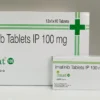
Imat 100 Mg

Price range: $58.50 through $375.00
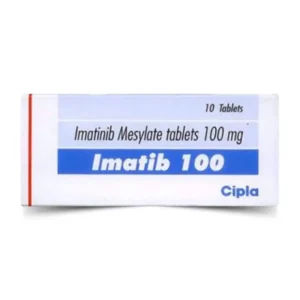
| Active Ingredient | Imatinib |
|---|---|
| Manufacturer | Zydus Cadila Pharma |
| Packaging | 10 tablets in 1 strip |
| Strength | 100mg, 400mg |
| Delivery Time | 6 To 15 days |
| SKU: | Imat 100 Mg |
Imat 100 Mg: Uses, Dosage, Side Effects, and Everything You Need to Know
If your doctor has just prescribed Imat 100 Mg, you’re probably searching for answers before you even open the box. What is it actually treating? How should you take it? What side effects should you watch for? That’s exactly what this guide covers — in plain, everyday language, without the confusing medical jargon that usually comes printed on the package insert.
Imat 100 Mg is a well-known oral medicine that contains Imatinib Mesylate as its active ingredient. It belongs to a class of drugs called tyrosine kinase inhibitors (TKIs), and it’s widely prescribed for certain types of blood cancer and stomach/intestinal tumors. Below, we’ll walk through what it does, how it works, how it’s usually taken, what to expect, and the precautions that matter most.
Note: This article is for general educational purposes only. Imat 100 Mg is a prescription-only medicine, and nothing here should replace the advice of your oncologist or treating physician.
What Is Imat 100 Mg?
Imat 100 Mg is a tablet or capsule (depending on the manufacturer) that contains 100 mg of Imatinib Mesylate. It’s manufactured by different pharmaceutical companies in India under various brand names, and Imat is one of the more commonly recognized ones. Imatinib itself is a molecule that changed the landscape of cancer treatment when it was introduced, because it was one of the first “targeted therapies” — meaning it goes after a specific abnormal protein inside cancer cells instead of attacking all rapidly dividing cells the way older chemotherapy drugs do.
This is a big deal for patients. Traditional chemotherapy tends to come with a long list of harsh side effects because it can’t tell the difference between a cancer cell and a healthy, fast-growing cell (like the ones in your hair follicles or gut lining). Imatinib, on the other hand, is designed to zero in on a specific genetic abnormality, which generally makes it more tolerable for long-term use — something that matters a lot for conditions that require ongoing treatment.
What Is Imat 100 Mg Used For?
Doctors primarily prescribe Imat 100 Mg for two major conditions:
1. Chronic Myeloid Leukemia (CML)
CML is a type of blood cancer that starts in the bone marrow and causes an overproduction of certain white blood cells. Most cases of CML are linked to an abnormal gene fusion known as the “Philadelphia chromosome,” which produces a faulty protein (BCR-ABL) that tells cancer cells to keep multiplying uncontrollably. Imatinib works by blocking this exact protein, essentially cutting off the “go” signal that fuels the disease.
2. Gastrointestinal Stromal Tumors (GIST)
GIST are rare tumors that develop in the digestive tract, most often in the stomach or small intestine. These tumors are usually driven by a mutation in a protein called KIT. Imatinib blocks this protein as well, which can shrink tumors, slow their growth, or prevent them from returning after surgery.
Other Uses
Depending on your doctor’s evaluation, Imat 100 Mg may also be used off-label or in specific protocols for:
- Acute lymphoblastic leukemia (ALL) with the Philadelphia chromosome
- Certain rare bone marrow disorders (myelodysplastic/myeloproliferative diseases)
- Systemic mastocytosis in specific cases
- Dermatofibrosarcoma protuberans, a rare type of skin cancer
Your exact reason for taking Imat 100 Mg will depend entirely on your diagnosis, blood test results, and genetic markers, so always rely on what your oncologist has explained rather than assuming based on general information.
How Does Imat 100 Mg Work?
To understand why this medicine is so effective, it helps to know a little bit about how certain cancers grow. Some cancer cells develop genetic mutations that produce abnormal enzymes called tyrosine kinases. These enzymes act like “switches” that are stuck in the “on” position, constantly signaling the cell to divide and multiply, even when it shouldn’t.
Imatinib Mesylate works by binding to these abnormal tyrosine kinase enzymes (specifically BCR-ABL in CML and KIT/PDGFR in GIST) and blocking their activity. Without that constant “grow and divide” signal, cancer cells stop multiplying and often begin to die off naturally. This targeted mechanism is why Imatinib is often described as one of the pioneering drugs in precision oncology.
How Should You Take Imat 100 Mg?
While your prescription label and doctor’s instructions always take priority, here’s a general overview of how this medicine is typically administered:
- Take it orally, usually once a day (or as split doses if a higher total dose is prescribed).
- Take it with food and a full glass of water. This helps reduce stomach irritation, which is one of the more common side effects.
- Swallow tablets whole. Don’t crush or chew them unless your doctor specifically instructs otherwise. If you have difficulty swallowing, ask your doctor about dispersing the tablet in water or apple juice, as some formulations allow this.
- Take it at the same time every day. Consistency helps maintain a steady level of the medicine in your bloodstream, which matters for how well it controls the cancer.
- Don’t stop or change your dose on your own, even if you start feeling better or if side effects show up. Imatinib treatment for CML, in particular, is often long-term, and stopping abruptly can allow the disease to progress.
Dosage
The dosage of Imat 100 Mg varies significantly based on:
- The specific condition being treated (CML vs. GIST vs. other)
- The phase of the disease (chronic phase vs. accelerated/blast phase for CML)
- Body surface area, especially in pediatric patients
- How well the patient is tolerating the drug
- Response to treatment, monitored through regular blood tests
Because of this variability, only your treating doctor can determine the right dose and duration for you. Never adjust your dosage based on internet research or another patient’s experience — cancer treatment is highly individualized.
Missed Dose
If you forget a dose, take it as soon as you remember on the same day. However, if it’s almost time for your next dose, skip the missed one and continue your regular schedule. Never double up to “make up” for a missed dose, as this increases the risk of side effects without necessarily improving effectiveness.
Overdose
If you suspect you’ve taken more than your prescribed dose, contact your doctor or go to the nearest hospital immediately. Don’t wait for symptoms to appear before seeking help.
Common Side Effects of Imat 100 Mg
Like most cancer medications, Imat 100 Mg can cause side effects, though not everyone experiences them, and severity varies from person to person. Some of the most commonly reported side effects include:
- Nausea and vomiting
- Diarrhea or stomach cramps
- Fluid retention, which can show up as swelling around the eyes, ankles, or feet
- Muscle cramps or bone pain
- Skin rash
- Fatigue and general weakness
- Headache
- Loss of appetite
- Hair thinning or hair loss (usually temporary; hair typically regrows after treatment)
- Weight gain, often related to fluid retention
Most of these side effects are manageable and tend to improve as your body adjusts to the medicine. That said, you shouldn’t just “push through” side effects that are bothering you — mention them to your doctor, because there are often simple ways to manage them (dietary changes, timing adjustments, or supportive medications).
Serious Side Effects — When to Call Your Doctor
While less common, some side effects require prompt medical attention. Contact your doctor right away if you notice:
- Severe or persistent swelling, especially around the face, hands, or abdomen
- Sudden weight gain accompanied by shortness of breath (this could indicate fluid buildup around the lungs or heart)
- Unusual bruising or bleeding, including nosebleeds, blood in urine or stool, or bleeding gums
- Signs of liver problems, such as yellowing of the skin or eyes (jaundice), dark urine, or persistent nausea
- Severe skin reactions, like blistering, peeling skin, or a widespread rash
- Signs of infection, such as fever, chills, or a sore throat that doesn’t go away
- Irregular heartbeat, chest pain, or severe dizziness
These reactions are uncommon, but they’re important to recognize early. Regular blood tests and doctor visits during treatment are designed specifically to catch these issues before they become serious.
Precautions Before Starting Imat 100 Mg
Before you begin treatment, it’s important to have an open conversation with your doctor about your complete medical history. Some key precautions include:
Liver and kidney function: Imatinib is processed by the liver, so patients with existing liver or kidney conditions may need dose adjustments or closer monitoring.
Heart conditions: If you have a history of heart disease or heart failure, let your doctor know, as fluid retention from this medicine can put extra strain on the heart.
Pregnancy and breastfeeding: Imatinib can harm a developing fetus, so it’s generally not recommended during pregnancy. Women of childbearing age are often advised to use effective contraception during treatment and for some time after stopping the drug. Breastfeeding is also generally discouraged while on this medication — always discuss family planning with your doctor before starting treatment.
Surgery: If you have an upcoming surgery, including dental procedures, inform your surgeon and doctor that you’re on Imatinib, as it can affect wound healing and bleeding risk.
Driving and operating machinery: Some patients experience dizziness, blurred vision, or fatigue while on this medicine. Avoid driving or operating heavy machinery until you know how your body reacts to it.
Alcohol: Combining alcohol with Imatinib can increase the risk of liver-related side effects. It’s best to ask your doctor whether alcohol is safe in your specific situation.
Vaccinations: Since Imatinib affects the immune system, live vaccines may not be recommended during treatment. Check with your doctor before receiving any vaccinations.
Drug Interactions to Be Aware Of
Imatinib can interact with a range of other medications, sometimes increasing their effects and sometimes reducing the effectiveness of Imatinib itself. Some notable interactions include:
- Grapefruit and grapefruit juice: These can interfere with how your body metabolizes Imatinib, potentially increasing side effects. It’s generally recommended to avoid grapefruit products entirely during treatment.
- Blood thinners (like Warfarin): Imatinib can increase bleeding risk when combined with anticoagulants.
- Certain antibiotics and antifungals: Some of these can raise Imatinib levels in your blood, increasing the risk of side effects.
- Antacids and acid-reducing medications: These may reduce how well Imatinib is absorbed.
- Other medications processed by the liver: Since Imatinib is metabolized through liver enzymes, many other drugs that use the same pathway can interact with it.
Always give your doctor and pharmacist a complete list of everything you’re taking — including over-the-counter medicines, herbal supplements, and vitamins — before starting Imat 100 Mg.
Diet and Lifestyle Tips While on Imat 100 Mg
Managing life during cancer treatment isn’t just about the medicine itself. A few lifestyle habits can make the treatment journey more comfortable:
- Eat smaller, more frequent meals if nausea is an issue, rather than large meals that can worsen stomach discomfort.
- Stay hydrated, especially if you’re experiencing diarrhea or vomiting.
- Monitor your weight regularly, since sudden changes can indicate fluid retention that your doctor should know about.
- Get regular blood tests as scheduled — these help your care team track how well the treatment is working and catch any concerning changes early.
- Manage stress and rest well. Cancer treatment can be physically and emotionally taxing, so prioritize sleep and light physical activity as tolerated.
- Avoid grapefruit products as mentioned earlier, and be cautious with herbal supplements like St. John’s Wort, which can interfere with Imatinib’s effectiveness.
How Long Does Treatment Usually Last?
This is one of the most common questions patients ask, and unfortunately, there’s no single answer. For chronic myeloid leukemia, treatment with Imatinib is often long-term — sometimes continuing for years, as long as the disease remains well-controlled. Some patients who achieve a deep, sustained molecular response may eventually be considered for a supervised “treatment-free remission” trial under close doctor supervision, but this decision is made carefully and individually.
For GIST, the duration often depends on whether the medicine is being used before surgery (to shrink a tumor), after surgery (to reduce recurrence risk), or for advanced/metastatic disease (where it may be continued indefinitely as long as it’s working).
Your doctor will determine the right duration based on how your body and the disease respond over time, guided by regular imaging scans and blood work.
Storage Instructions
To keep Imat 100 Mg effective and safe to use:
- Store it at room temperature, away from direct sunlight and moisture.
- Keep it out of reach of children and pets.
- Don’t store it in the bathroom, where humidity can affect the tablets.
- Check the expiry date before use, and don’t use expired medicine.
- Dispose of any unused or expired medicine responsibly — ask your pharmacist about proper disposal methods rather than throwing it in regular household trash.
Frequently Asked Questions About Imat 100 Mg
Is Imat 100 Mg a form of chemotherapy?
It’s technically classified as a targeted cancer therapy rather than traditional chemotherapy. While it does fall under the broader “anti-cancer medication” category, its mechanism is far more specific than older chemo drugs, which is part of why it tends to be better tolerated by many patients.
Can I take Imat 100 Mg on an empty stomach?
It’s generally recommended to take it with food and a large glass of water to minimize stomach irritation. Taking it on an empty stomach may increase the likelihood of nausea.
What happens if I stop taking it without telling my doctor?
Stopping suddenly, especially for CML, can allow the disease to become active again. Always talk to your doctor before making any changes to your treatment plan, even if you’re feeling well.
Will my hair grow back after treatment?
Yes, hair thinning associated with Imatinib is usually temporary, and most patients see regrowth once treatment ends or the body adjusts.
Can Imat 100 Mg cure cancer completely?
For many CML patients, Imatinib doesn’t necessarily “cure” the disease in the traditional sense, but it can control it so effectively that patients live normal, active lives for many years. For GIST, especially when used after complete surgical removal, it can significantly reduce the risk of recurrence. Your doctor can give you a realistic picture based on your specific case.
Is it safe to take other pain relievers with Imat 100 Mg?
Some over-the-counter pain relievers can interact with Imatinib or increase strain on the liver. Always check with your doctor or pharmacist before adding any new medication, even something as common as ibuprofen or paracetamol.
Does insurance or government schemes cover Imat 100 Mg?
Coverage varies depending on your location, insurance provider, and specific health scheme. Given that cancer treatment can be costly, it’s worth checking with your insurance provider or asking your hospital’s billing department about patient assistance programs, as many pharmaceutical companies also run support schemes for cancer medications.
Disclaimer:-
This information about Imat 100 Mg is provided for educational purposes only and should not replace professional medical advice, diagnosis, or treatment. Imat 100 Mg is a prescription medicine and should be used only under the supervision of a qualified healthcare professional. Dosage and treatment duration may vary depending on the medical condition and individual patient factors. Do not start, stop, or change the dose without consulting your doctor. Always refer to the product packaging and prescribing information for the most accurate and current guidance.
Additional information
| mg | 100 Mg, 400 Mg |
|---|---|
| unit | 300 Tablet, 90 Tablet, 120 Tablet, 150 Tablet |




Reviews
There are no reviews yet.