
Allergy Medicines: Complete Category Guide:-
Category Overview:-
Allergy medicines are treatments designed to help manage the body’s immune response to substances it mistakenly identifies as harmful. These substances, called allergens, can include pollen, dust mites, pet dander, certain foods, insect stings, and various environmental triggers.
Healthcare professionals prescribe or recommend allergy medicines to help patients control symptoms that interfere with daily life, sleep quality, work productivity, and overall well-being. These treatments range from over-the-counter options for mild seasonal allergies to prescription medications for chronic or severe allergic conditions.
Allergy medicines work by different mechanisms—some prevent allergic reactions from occurring, while others reduce symptoms after exposure to allergens. The choice of treatment depends on the type of allergy, symptom severity, frequency of exposure, and individual patient factors.
Conditions Treated:-
Allergy medicines are used to manage various allergic conditions and their associated symptoms:
Seasonal Allergic Rhinitis (Hay Fever): Symptoms triggered by outdoor allergens like tree, grass, and weed pollen during specific times of the year.
Perennial Allergic Rhinitis: Year-round allergy symptoms caused by indoor allergens such as dust mites, pet dander, mold, and cockroach droppings.
Allergic Conjunctivitis: Eye-related allergy symptoms, including redness, itching, watering, and swelling.
Urticaria (Hives): Raised, itchy welts on the skin that can appear suddenly due to allergic reactions.
Allergic Skin Reactions: Itching, rashes, and inflammation caused by contact with allergens or as part of systemic allergic responses.
Mild Allergic Reactions: General symptoms such as sneezing, runny nose, nasal congestion, itchy throat, and skin irritation.
It’s important to note that severe allergic reactions (anaphylaxis) require immediate emergency medical treatment and different medications specifically designed for life-threatening situations.
Types of Medicines in This Category:-
Allergy medicines come in several forms and subcategories, each suited to different symptoms and patient needs:
Antihistamines:-
Available as tablets, liquids, nasal sprays, and eye drops. These are further divided into:
First-generation antihistamines: Older formulations that may cause drowsiness
Second-generation antihistamines: Newer formulations designed to minimize sedation
Nasal Corticosteroids-
Prescription and over-the-counter nasal sprays that reduce inflammation in the nasal passages.
Decongestants-
Available as oral tablets or nasal sprays to relieve nasal congestion. These provide temporary relief but are not suitable for long-term use.
Mast Cell Stabilizers-
Eye drops and nasal sprays that prevent the release of histamine and other inflammatory substances.
Leukotriene Receptor Antagonists-
Oral prescription tablets that block inflammatory chemicals involved in allergic reactions.
Combination Products-
Medicines that combine antihistamines with decongestants or other active ingredients for multi-symptom relief.
Topical Treatments-
Creams, ointments, and lotions for skin-related allergy symptoms.
How These Medicines Work?
Allergy medicines function through different mechanisms to prevent or reduce allergic symptoms:
Antihistamines block histamine, a chemical your immune system releases during an allergic reaction. Histamine causes many common allergy symptoms like sneezing, itching, and a runny nose. By blocking histamine receptors, these medicines prevent or reduce these symptoms.
Corticosteroids reduce inflammation in affected tissues. When used in the nasal passages, they decrease swelling, mucus production, and irritation caused by allergic responses.
Decongestants narrow blood vessels in the nasal passages, reducing swelling and congestion. This helps open airways and makes breathing easier.
Mast cell stabilizers prevent certain immune cells from releasing histamine and other inflammatory chemicals when exposed to allergens, stopping allergic reactions before symptoms develop.
Leukotriene inhibitors block leukotrienes, inflammatory chemicals that cause airway constriction, mucus production, and other allergic symptoms.
The body’s response to these medicines varies by individual, and some treatments work better for certain types of allergies or specific symptoms.
Who May Benefit From This Category?
Healthcare providers may recommend allergy medicines for patients experiencing:
– Recurring seasonal allergy symptoms that interfere with quality of life
– Year-round allergy symptoms from indoor environmental triggers
– Allergic eye symptoms that affect vision or comfort
– Skin reactions related to allergic responses
– Nasal congestion and sinus pressure from allergies
– Sleep disruption due to nighttime allergy symptoms
– Reduced work or school performance because of allergy symptoms
Allergy medicines may be appropriate for adults, children, and elderly patients, though specific formulations and dosages vary significantly by age group. Pregnant women, nursing mothers, and people with certain medical conditions require specialized medical guidance before using allergy treatments.
These medicines are not intended for self-diagnosis. If you’re experiencing symptoms you believe may be allergy-related, a healthcare professional can help determine whether allergies are the cause and which treatment approach is most appropriate.
Important Safety Information:-
Understanding safety considerations helps ensure appropriate and effective use of allergy medicines:
General Precautions-
Allergy medicines may interact with other medications, including prescription drugs, over-the-counter products, and herbal supplements. Always inform healthcare providers and pharmacists about all medicines you currently take.
Certain medical conditions may affect which allergy medicines are safe for you, including high blood pressure, heart disease, diabetes, thyroid disorders, glaucoma, enlarged prostate, liver disease, and kidney disease.
Special Populations-
Pregnant and breastfeeding women should consult healthcare providers before using any allergy medicine, as some ingredients may affect the developing baby or pass into breast milk.
Children require age-appropriate formulations and dosing. Never give adult allergy medicines to children without medical guidance.
Elderly patients may be more sensitive to side effects, particularly drowsiness, dizziness, and confusion from certain antihistamines.
Activities Requiring Caution:-
Some allergy medicines cause drowsiness or reduced alertness. Avoid driving, operating machinery, or performing tasks requiring full attention until you know how a medicine affects you.
Decongestant-Specific Warnings:-
Nasal decongestant sprays should not be used for more than three consecutive days, as prolonged use can lead to rebound congestion—a worsening of symptoms when the medicine is stopped.
When to Seek Medical Attention:-
Contact a healthcare provider if allergy symptoms worsen, don’t improve with treatment, or if you experience severe side effects. Symptoms like difficulty breathing, chest tightness, or facial swelling require immediate emergency care.
Usage Guidance (General):-
Proper use of allergy medicines improves effectiveness and reduces the risk of side effects:
Following Professional Guidance:-
Dosage, frequency, and duration of treatment must be determined by a healthcare professional based on your specific condition, age, weight, and other individual factors. Never exceed recommended doses or use medicines more frequently than directed.
Timing Considerations:-
Some allergy medicines work best when taken before allergen exposure or at specific times of day. Healthcare providers can advise on optimal timing for your situation.
Seasonal allergies: Some patients benefit from starting treatment before allergy season begins rather than waiting for symptoms to appear.
Daily use medications: Certain allergy treatments require consistent daily use to build up effectiveness, even when you’re not experiencing symptoms.
Administration Guidelines:-
Oral medicines: Take with water unless otherwise directed; some work better with food, while others should be taken on an empty stomach
Nasal sprays: Follow proper technique to ensure the medicine reaches the affected areas
Eye drops: Avoid touching the dropper to your eye or any surface to prevent contamination
Treatment Duration:-
Some allergy medicines provide immediate symptom relief, while others take days or weeks to reach full effectiveness. Don’t discontinue treatment prematurely without consulting your healthcare provider.
Side Effects & Risks (General Overview):-
Like all medicines, allergy treatments can cause side effects, though not everyone experiences them:
Common Side Effects:-
Antihistamines may cause:
– Drowsiness or fatigue (more common with first-generation types)
– Dry mouth, nose, or throat
– Dizziness
– Headache
– Upset stomach
Nasal corticosteroids may cause:
– Nasal irritation or dryness
– Nosebleeds
– Unpleasant taste or smell
– Throat irritation
Decongestants may cause:
– Increased heart rate
– Elevated blood pressure
– Nervousness or restlessness
– Difficulty sleeping
– Headache
Less Common but Serious Side Effects:-
While rare, some patients may experience more serious reactions, including:
– Severe allergic reactions to the medicine itself
– Heart rhythm problems (particularly with certain decongestants)
– Vision changes
– Severe dizziness or confusion
– Difficulty urinating
Long-Term Use Considerations:-
Extended use of certain allergy medicines requires medical monitoring. Prolonged use of nasal decongestant sprays can cause dependency and worsening congestion. Long-term corticosteroid use, though generally safe when used as directed for allergies, requires periodic healthcare provider review.
If you experience any concerning symptoms while taking allergy medicines, contact your healthcare provider or pharmacist promptly.
Choosing the Right Medicine:-
Selecting the most appropriate allergy treatment involves several considerations best addressed with professional guidance:
Factors Healthcare Providers Consider:-
Symptom type and severity: Different medicines target different symptoms
Allergy pattern: Seasonal versus year-round allergies may require different approaches
Age and general health: Medical history influences which medicines are safest
Lifestyle factors: Work schedule, activities, and need for alertness
Other medications: Potential drug interactions
Previous treatment response: What has or hasn’t worked in the past
Cost and accessibility: Insurance coverage and budget considerations
Why Professional Consultation Matters?
While many allergy medicines are available without a prescription, self-selection may not address your specific needs effectively. Healthcare professionals can:
– Confirm that your symptoms are actually allergy-related
– Identify specific allergens through testing when appropriate
– Recommend the most effective treatment for your situation
– Adjust treatment if initial approaches don’t provide adequate relief
– Monitor for potential complications or interactions
– Suggest additional strategies like allergen avoidance
Pharmacists are valuable resources for questions about over-the-counter allergy medicines, proper use techniques, and when to seek further medical evaluation.
Storage & Handling Advice:-
Proper storage helps maintain the effectiveness and prevents accidental misuse:
General Storage Guidelines:-
– Store at room temperature unless otherwise specified on the label
– Keep medicines in their original containers with labels intact
– Protect from excessive heat, light, and moisture
– Avoid storing in bathrooms where humidity fluctuates
– Keep all medicines out of reach and sight of children
– Store medicines in a secure location, especially those that could be hazardous if accidentally ingested
Specific Product Types:-
Liquid medicines: Check expiration dates regularly; some require refrigeration
Nasal sprays: Store upright when possible; don’t share with others to avoid contamination
Eye drops: Discard opened eye drops after the period specified on the package to prevent bacterial contamination.
Safe Disposal:-
Do not flush medicines down toilets or drains unless specifically instructed. Use medication take-back programs when available, or follow FDA guidelines for safe home disposal. Remove personal information from containers before disposing of them.
Travel Considerations:-
When traveling, keep medicines in carry-on luggage when flying, store appropriately in hot or cold climates, and ensure you have a sufficient supply for your trip duration.
Frequently Asked Questions?
How quickly do allergy medicines start working?
The onset of action varies by medicine type. Fast-acting antihistamines may provide relief within 30 minutes to an hour, while nasal corticosteroids may take several days to weeks to reach full effectiveness. Some treatments work preventively and must be taken regularly before symptom relief is noticed. Your healthcare provider can explain the expected timeline for your specific medicine.
Can I take allergy medicine every day?
This depends on the specific medicine and your individual situation. Many modern allergy treatments are designed for daily use throughout allergy season or year-round. However, some medicines, particularly decongestants, are intended only for short-term use. Your healthcare provider will advise whether daily use is appropriate for your treatment plan.
Why do some allergy medicines make me sleepy while others don’t?
Older antihistamines (first-generation) cross into the brain more easily and interact with receptors that cause drowsiness. Newer antihistamines (second-generation) are formulated to minimize this effect while still blocking histamine where it causes allergy symptoms. If drowsiness is problematic, discuss alternative options with your healthcare provider or pharmacist.
Can I use multiple allergy medicines together?
Some combination approaches are safe and effective, while others may be unnecessary or potentially harmful. Never combine medicines without professional guidance, as certain combinations may increase side effects or interactions. Your healthcare provider can recommend whether using multiple products is appropriate for managing your symptoms.
Medical Disclaimer:-
This content is for educational and informational purposes only and does not constitute medical advice, diagnosis, or treatment.
The information provided about allergy medicines is intended to help patients understand this category of treatments and make informed decisions in consultation with healthcare professionals. It should not be used as a substitute for professional medical advice, examination, diagnosis, or treatment.
Always seek the advice of your physician, pharmacist, or other qualified healthcare provider with questions regarding medical conditions, symptoms, or medicines. Never disregard professional medical advice or delay seeking it because of information you have read on this website.
If you think you may have a medical emergency, call your doctor or emergency services immediately. Reliance on any information provided in this content is solely at your own risk.
Individual medical conditions, medication responses, and treatment needs vary significantly. What works for one person may not be appropriate or safe for another. Your healthcare provider is best positioned to recommend treatments based on your complete medical history, current health status, and specific circumstances.
This information does not endorse any specific medicine, brand, or treatment approach. Product availability, formulations, and regulations may vary by location. Always read product labels and follow the guidance of healthcare professionals regarding appropriate use.
-

Flucort N Cream (Fluocinolone & Neomycin)
Active Ingredient Fluocinolone Manufacturer Glenmark Pharmaceuticals Ltd Packaging 20 gm in 1 tube, 30 gm in 1 tube Strength 20g Delivery Time 6 to 15 days SKU: Flucort N Cream (Fluocinolone/Neomycin) Price range: $5.00 through $28.00Flucort N Cream (Fluocinolone & Neomycin)
Price range: $5.00 through $28.00 -

Cutisoft Cream (Hydrocortisone)
Active Ingredient Hydrocortisone Manufacturer Ipca Laboratories Ltd Packaging 10 gm in 1 tube Strength 1% Delivery Time 6 to 15 days SKU: Cutisoft Cream (Hydrocortisone) Price range: $12.00 through $32.00Cutisoft Cream (Hydrocortisone)
Price range: $12.00 through $32.00 -
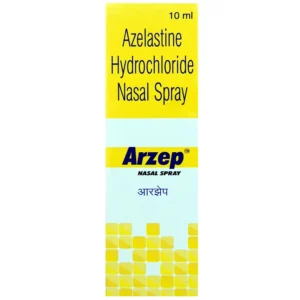
Arzep 10 ml
Active Ingredient Azelastine Hcl Manufacturer Zydus Cadila Packaging 10ml in 1 bottle Strength 10ml Delivery Time 6 To 15 days SKU: Arzep 10 ml Price range: $6.89 through $36.99Arzep 10 ml
Price range: $6.89 through $36.99 -
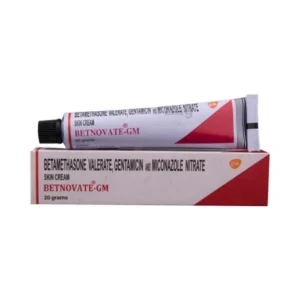
Betnovate GM (Betamethasone, Gentamicin & Miconazole)
Active Ingredient Betamethasone Manufacturer GlaxoSmithKline Pharmaceuticals Ltd Packaging 20g & 30g Tubes Strength 20g Delivery Time 6 to 15 days SKU: Betnovate GM (Betamethasone/Gentamicin/Miconazole) Price range: $4.00 through $20.00Betnovate GM (Betamethasone, Gentamicin & Miconazole)
Price range: $4.00 through $20.00 -

Betnovate S (Betamethasone & Salicylic)
Active Ingredient Betamethasone Manufacturer GlaxoSmithKline Pharmaceuticals Ltd Packaging 20g & 30g Tubes Strength 20g Delivery Time 6 To 15 days SKU: Betnovate S (Betamethasone/Salicylic) Price range: $4.00 through $20.00Betnovate S (Betamethasone & Salicylic)
Price range: $4.00 through $20.00 -

Clostaf Cream (Clobetasol Propionate)
Active Ingredient Clobetasol Propionate Manufacturer Biochem Pharmaceutical Industries Ltd Packaging 15g Tube Strength 15gm Delivery Time 6 To 15 days SKU: Clostaf Cream (Clobetasol Propionate) Price range: $7.00 through $25.00Clostaf Cream (Clobetasol Propionate)
Price range: $7.00 through $25.00 -
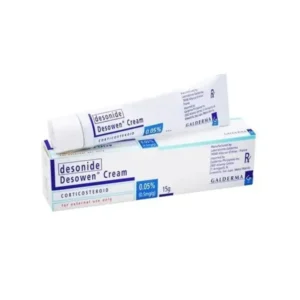
Desowen Cream (Desonide)
Active Ingredient Desonide Manufacturer Galderma India Pvt Ltd Packaging 10 gm in 1 tube Strength 0.05% Delivery Time 6 to 15 days SKU: Desowen Cream (Desonide) Price range: $4.00 through $21.00Desowen Cream (Desonide)
Price range: $4.00 through $21.00 -

Desowen Lotion (Desonide)
Active Ingredient Desonide Manufacturer Galderma India Pvt Ltd Packaging 30 ml in 1 bottle Strength 0.05% Delivery Time 6 to 15 days SKU: Desowen Lotion (Desonide) Price range: $5.00 through $29.00Desowen Lotion (Desonide)
Price range: $5.00 through $29.00 -

Elocon Cream (Mometasone Furoate)
Active Ingredient Mometasone Furoate Manufacturer MSD Pharmaceuticals India Pvt. Ltd. Packaging 10 gm in 1 tube Strength 1 Mg Delivery Time 6 to 15 days SKU: Elocon Cream (Mometasone Furoate) Price range: $6.00 through $28.00Elocon Cream (Mometasone Furoate)
Price range: $6.00 through $28.00 -

Elocon Lotion (Mometasone Furoate)
Active Ingredient Mometasone Furoate Manufacturer MSD Pharmaceuticals India Pvt. Ltd. Packaging 5 ml in 1 Bottle Strength 0.1% Delivery Time 6 to 15 days SKU: Elocon Lotion (Mometasone Furoate) Price range: $6.00 through $28.00Elocon Lotion (Mometasone Furoate)
Price range: $6.00 through $28.00 -

Eumosone Cream (Clobetasone)
Active Ingredient Clobetasone Manufacturer GlaxoSmithKline Pharmaceuticals Ltd Packaging 15 gm in 1 tube Strength 0.05% Delivery Time 6 To 15 days SKU: Eumosone Cream (Clobetasone) Price range: $5.00 through $23.00Eumosone Cream (Clobetasone)
Price range: $5.00 through $23.00 -

Flucort C Cream (Fluocinolone & Ciclopirox)
Active Ingredient Fluocinolone Manufacturer Glenmark Pharmaceuticals Ltd. Packaging 20 gm in 1 tube, 30 gm in 1 tube Strength 20g Delivery Time 6 To 15 days SKU: Flucort C Cream (Fluocinolone/Ciclopirox) Price range: $6.00 through $33.00Flucort C Cream (Fluocinolone & Ciclopirox)
Price range: $6.00 through $33.00