Brain Tumor Medicines: Essential Information for Patients and Caregivers:-
Category Overview:-
Brain tumor medicines represent a specialized category of pharmaceutical treatments used in the comprehensive management of tumors affecting the brain and central nervous system. These medicines are prescribed by oncologists, neurologists, and neurosurgeons as part of individualized treatment plans that may include surgery, radiation therapy, and supportive care.
The medicines in this category serve various purposes: some work to slow or stop tumor growth, others help manage symptoms and side effects, while certain medications support overall neurological function during treatment. Each medicine is selected based on the specific type of brain tumor, its location, grade, genetic characteristics, and the patient’s overall health status.
Brain tumor treatment is highly specialized and requires close coordination between healthcare teams. These medicines are always prescribed and monitored by qualified medical professionals with expertise in neuro-oncology.
Conditions Treated:-
Medicines in this category are used to address several aspects of brain tumor care:
Primary Brain Tumors: These include gliomas (such as glioblastoma and astrocytoma), meningiomas, pituitary tumors, and other tumors that originate within the brain tissue.
Secondary Brain Tumors: Also called brain metastases, these occur when cancer from another part of the body spreads to the brain.
Symptom Management: Many medicines help control symptoms caused by brain tumors, including seizures, swelling (cerebral edema), headaches, nausea, and neurological complications.
Treatment Side Effects: Supportive medications help manage side effects from primary tumor treatments such as chemotherapy and radiation therapy.
The specific medicines prescribed depend on accurate diagnosis through imaging studies, biopsy results, and molecular testing that identifies the tumor’s unique characteristics.
Types of Medicines in This Category:-
Brain tumor medicines fall into several therapeutic groups:
Chemotherapy Agents-
Oral and intravenous medications that target rapidly dividing cancer cells. These may be given in cycles and are often combined with other treatments.
Targeted Therapy Drugs-
Newer medications are designed to attack specific genetic mutations or proteins found in certain brain tumor types, offering more precise treatment approaches.
Immunotherapy Medications-
Treatments that help the patient’s own immune system recognize and fight tumor cells represent an evolving area of brain cancer care.
Corticosteroids-
Anti-inflammatory medicines uare sed to reduce brain swelling and control symptoms related to tumor pressure.
Anti-Seizure Medications-
Prescribed to prevent or control seizures, which are common in patients with brain tumors.
Supportive Care Medicines-
Include anti-nausea medications, pain relievers, and other drugs that improve quality of life during treatment.
These medicines may be administered orally (tablets or capsules), intravenously (through IV infusion), or via specialized delivery methods depending on treatment goals.
How These Medicines Work?
Brain tumor medicines employ different mechanisms depending on their purpose:
Anti-Tumor Medications: Chemotherapy drugs interfere with cancer cell division and growth, while targeted therapies block specific molecular pathways that tumors need to survive and spread. These medicines work to reduce tumor size, prevent growth, or control disease progression.
Symptom Control Medications: Corticosteroids reduce inflammation and swelling in the brain tissue surrounding the tumor, relieving pressure. Anti-seizure medications stabilize electrical activity in the brain to prevent convulsions.
Supportive Medications: These address treatment-related side effects by protecting healthy tissues, managing nausea, or supporting overall body function during intensive therapy.
The blood-brain barrier—a protective membrane that limits what substances can enter brain tissue—presents unique challenges. Some medications are specifically formulated to cross this barrier effectively, while others may be delivered through alternative methods.
Each medicine’s effectiveness depends on the tumor’s specific biology, making personalized treatment approaches essential.
Who May Benefit From This Category?
Brain tumor medicines are prescribed for patients who have been diagnosed with:
– Primary malignant or benign brain tumors confirmed through imaging and pathology
– Brain metastases from cancers originating elsewhere in the body
– Recurrent brain tumors after initial treatment
– Neurological symptoms requiring medical management during tumor care
These treatments are determined by multidisciplinary medical teams that consider factors including:
– Tumor type, grade, and molecular characteristics
– Tumor location and size
– Patient’s age and overall health status
– Previous treatments received
– Individual genetic and biomarker profiles
– Treatment goals (curative, life-extending, or palliative)
Brain tumor medicines are never appropriate for self-diagnosis or self-treatment. They require comprehensive medical evaluation, ongoing monitoring, and adjustment by specialized healthcare providers.
Important Safety Information:-
Brain tumor medicines require careful medical supervision due to their potent effects and potential risks:
Medical Supervision Required: All medicines in this category must be prescribed and monitored by qualified specialists. Regular blood tests, imaging studies, and clinical assessments are essential to ensure safety and effectiveness.
Pregnancy and Breastfeeding: Many brain tumor medicines can cause serious harm to developing babies or nursing infants. Women of childbearing potential must discuss family planning and contraception with their healthcare team before starting treatment.
Drug Interactions: These medicines may interact with other prescription medications, supplements, herbal products, and even certain foods. Always provide your healthcare team with a complete list of everything you take.
Pre-Existing Conditions: Patients with liver disease, kidney disease, heart conditions, bleeding disorders, or compromised immune systems may require dose adjustments or alternative treatments.
Infection Risk: Some treatments suppress immune function, increasing vulnerability to infections. Report any fever, unusual symptoms, or signs of infection immediately to your medical team.
Serious Side Effects: While supporting quality of life, these medicines can cause significant adverse effects. Emergency medical attention may be needed if you experience severe symptoms, allergic reactions, or neurological changes.
Never stop or change brain tumor medicines without consulting your healthcare team, as this may affect treatment effectiveness or cause withdrawal complications.
Usage Guidance (General):-
Brain tumor medicine administration is highly individualized and must follow your healthcare team’s specific instructions:
Dosing Protocols: Dosages are calculated based on body weight, surface area, tumor characteristics, and treatment goals. Your medical team will determine the precise amount and schedule.
Administration Timing: Some medicines are given in treatment cycles with rest periods, while others are taken continuously. Timing may be coordinated with meals, other medications, or specific times of day.
Monitoring Requirements: Regular appointments for blood work, imaging scans, and clinical evaluations are essential to assess how treatment is working and to identify any complications early.
Handling Instructions: Some oral chemotherapy medicines require special handling. Follow your pharmacist’s guidance about touching, storing, and disposing of these medications safely.
Missed Doses: If you miss a dose, contact your healthcare provider or pharmacist immediately for guidance rather than doubling up or making adjustments on your own.
Treatment Duration: The length of treatment varies widely depending on tumor response, tolerability, and overall treatment strategy. Some patients may need long-term therapy, while others have time-limited courses.
Your healthcare team will provide detailed written instructions specific to your prescribed medicines. Keep all appointments and communicate openly about any challenges you experience with your treatment regimen.
Side Effects & Risks (General Overview):-
Brain tumor medicines can cause a range of side effects that vary by medication type and individual patient factors:
Common Side Effects:-
– Fatigue and weakness
– Nausea, vomiting, and appetite changes
– Hair thinning or loss (with certain chemotherapy agents)
– Increased risk of infections due to lowered white blood cell counts
– Mouth sores or digestive changes
– Cognitive changes such as memory problems or difficulty concentrating
– Mood changes or emotional sensitivity
– Skin reactions or rashes
Serious Side Effects Requiring Immediate Medical Attention:-
– High fever or signs of serious infection
– Severe headaches or sudden neurological changes
– Unusual bleeding or bruising
– Severe allergic reactions (difficulty breathing, swelling, severe rash)
– Persistent vomiting or inability to keep down fluids
– Seizures or loss of consciousness
– Chest pain or irregular heartbeat
Long-Term Considerations:-
Some treatments may have delayed effects that appear months or years after treatment, affecting cognitive function, hormone levels, or other body systems. Regular follow-up care helps identify and manage these concerns.
Management Strategies: Your healthcare team will work with you to prevent and manage side effects through supportive medications, dose adjustments, lifestyle modifications, and symptom monitoring. Many side effects are temporary and resolve after treatment completion.
Never minimize symptoms or hesitate to report concerns to your medical team. Early intervention often prevents complications and supports better treatment outcomes.
Choosing the Right Medicine:-
Selection of brain tumor medicines is a complex medical decision that should never be made without professional guidance:
Comprehensive Evaluation: Your oncology team uses diagnostic imaging (MRI, CT scans, PET scans), tissue analysis from biopsy or surgery, molecular testing, and genetic profiling to determine which medicines are most likely to be effective for your specific tumor.
Personalized Treatment Plans: No two brain tumors are identical, even if they share the same name. Your treatment plan considers your tumor’s unique characteristics, your overall health, other medical conditions, and your personal goals and preferences.
Clinical Trial Options: For some patients, participation in clinical trials may provide access to newer medicines or treatment combinations not yet widely available. Your medical team can discuss whether this might be appropriate.
Second Opinions: Given the complexity of brain tumor treatment, seeking consultation from specialized neuro-oncology centers is reasonable and encouraged. Most oncologists welcome additional expert input.
Shared Decision-Making: While your healthcare team provides medical expertise, you are a vital partner in treatment decisions. Ask questions, express concerns, and ensure you understand the potential benefits and risks of recommended treatments.
Changing Treatment Approaches: If initial medicines don’t work as hoped or side effects become intolerable, your team may recommend alternative options. Treatment plans often evolve based on how tumors respond.
Never select brain tumor medicines based on internet research, personal testimonials, or non-medical advice. These decisions require specialized medical knowledge and comprehensive diagnostic information.
Storage & Handling Advice:-
Proper storage and handling of brain tumor medicines ensures their effectiveness and your safety:
General Storage Guidelines:
– Store medicines at room temperature unless otherwise directed
– Keep medications in their original containers with labels intact
– Protect from light, heat, and moisture as specified
– Some medicines require refrigeration—follow the pharmacist’s instructions carefully
Safety Precautions:
– Keep all medicines out of reach of children and pets
– Store separately from food and household products
– Some oral chemotherapy drugs require caregivers to wear gloves when handling them
– Wash hands thoroughly after handling certain medications
Disposal Instructions:
– Never flush medicines down the toilet unless specifically instructed
– Return unused or expired medicines to a pharmacy take-back program
– Do not throw chemotherapy medicines in household trash without proper containment
– Ask your pharmacist about safe disposal methods for your specific medications
Travel Considerations**:
– Carry medicines in hand luggage when traveling by air
– Bring copies of prescriptions and a letter from your doctor explaining your treatment
– Plan for proper storage conditions during travel
– Ensure you have an adequate supply plus extra for delays
Checking Medication Condition:
– Examine medicines before taking them—report any changes in appearance, color, or smell
– Check expiration dates regularly
– Do not use damaged or contaminated medications
If you have questions about proper storage or notice anything unusual about your medication, contact your pharmacist immediately.
Frequently Asked Questions (Category-Based):-
How long will I need to take brain tumor medicines?
Treatment duration varies significantly based on tumor type, treatment goals, and individual response. Some patients receive short-term treatment before or after surgery, while others may need ongoing therapy for months or years. Decisions about treatment length are made collaboratively between you and your medical team based on imaging results, clinical response, and tolerability. Your oncologist will discuss the planned duration and explain what factors might lead to extending or shortening treatment.
Can I work or maintain normal activities while taking these medicines?
Many patients continue working and engaging in daily activities during treatment, though you may need to adjust your schedule or responsibilities. Side effects like fatigue may require you to reduce hours or takea temporary leave. Your healthcare team can provide guidance about activity restrictions based on your specific treatment and how you’re responding. Open communication with employers about medical needs and reasonable accommodations is often helpful.
Will brain tumor medicines cure my condition?
Treatment goals differ based on tumor type and situation. For some aggressive tumors, medicines aim to extend life and maintain quality of life rather than cure. For other tumor types, medicines may achieve long-term remission or even ca ure. Your oncology team will discuss realistic expectations and treatment goals honestly. It’s important to have clear conversations about what success means for your specific diagnosis.
How will I know if the medicine is working?
Your medical team monitors treatment effectiveness through regular MRI or CT scans, neurological examinations, blood tests, and assessment of your symptoms. Improvement may show as tumor shrinkage, stabilization of growth, or reduction in symptoms. Some patients feel better quickly, while others don’t notice changes until scans reveal tumor response. Your doctor will explain how often you’ll have imaging studies and what markers they’re following to assess treatment success.
Medical Disclaimer:-
Important Notice: The information provided on this page is for educational purposes only and should not be considered medical advice, diagnosis, or treatment recommendations. This content offers general information about brain tumor medicines as a category, but does not replace professional medical consultation.
Brain tumors are serious medical conditions requiring specialized diagnosis, treatment, and ongoing care by qualified healthcare professionals, including neurologists, neurosurgeons, and oncologists. Never use this information to self-diagnose, self-treat, or make decisions about starting, stopping, or changing prescribed medications.
Every patient’s situation is unique. The medicines, dosages, treatment approaches, and side effects described here may not apply to your specific condition. Always consult with your healthcare provider about your individual diagnosis, treatment options, and any questions or concerns about your care.
If you are experiencing a medical emergency or serious symptoms such as severe headache, seizures, sudden neurological changes, difficulty breathing, or other urgent concerns, seek immediate emergency medical attention by calling emergency services or going to the nearest emergency department.
This content does not establish a doctor-patient relationship. For personalized medical advice and treatment recommendations, schedule an appointment with a qualified healthcare provider who can evaluate your specific medical history, perform necessary examinations, and develop an appropriate treatment plan for your needs.
-
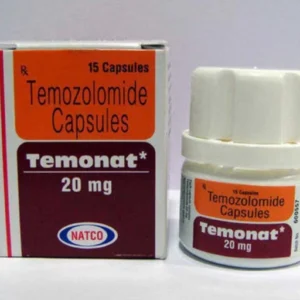
Temonat 20 Mg (Temozolomide)
Active Ingredient Temozolomide Manufacturer Natco Pharma Ltd. Packaging 5 capsules in 1 strip Strength 20mg, 100mg, 250mg Delivery Time 6 To 15 days SKU: Temonat (Temozolomide) – 20 Mg Price range: $90.00 through $335.00Temonat 20 Mg (Temozolomide)
Price range: $90.00 through $335.00 -
Temoside 20 Mg (Temozolomide)
Active Ingredient Temozolomide Manufacturer Cipla Limited Packaging 5 capsules in 1 strip Strength 20mg, 100mg, 250mg Delivery Time 6 To 15 days SKU: Temoside 20 Mg (Temozolomide) Price range: $54.00 through $350.00Temoside 20 Mg (Temozolomide)
Price range: $54.00 through $350.00 -

Belustine (Lomustine) – 40 Mg
Active Ingredient Lomustine Manufacturer Medi Biotek (India) Pvt. Ltd. Packaging 10 capsules in Strip Strength 40mg Delivery Time 6 To 15 days SKU: Belustine (Lomustine) – 40mg Price range: $40.00 through $95.00Belustine (Lomustine) – 40 Mg
Price range: $40.00 through $95.00