
Breast Cancer Medicines: Patient Education Guide:-
Category Overview:-
Breast cancer medicines represent a diverse group of prescription treatments used to manage, control, and treat breast cancer—a condition where abnormal cells in breast tissue grow uncontrollably. Oncologists and healthcare specialists prescribe these medicines as part of comprehensive cancer care plans, which may include surgery, radiation therapy, and other supportive treatments.
The medicines in this category work through different mechanisms to target cancer cells, prevent disease progression, reduce the risk of recurrence, or manage symptoms. Treatment selection depends on numerous factors, including the type of cancer, its stage, hormone receptor status, genetic markers, and the individual patient’s health profile. These are serious medical treatments that require ongoing medical supervision and monitoring.
Conditions Treated:-
Medicines in this category are prescribed for several breast cancer-related situations:
Active Breast Cancer Treatment: Used to treat diagnosed breast cancer at various stages, from early-stage localized disease to advanced or metastatic cancer that has spread to other parts of the body.
Adjuvant Therapy: Prescribed after primary treatment (such as surgery) to reduce the risk of cancer returning by eliminating remaining cancer cells that may not be detected.
Neoadjuvant Therapy: Given before surgery to shrink tumors, making them easier to remove or potentially allowing for less extensive surgical procedures.
Preventive Treatment: In certain high-risk individuals, some medicines may be prescribed to reduce the likelihood of developing breast cancer.
Metastatic Disease Management: Used to control cancer spread, manage symptoms, extend survival, and maintain quality of life in advanced cases.
The specific condition being treated significantly influences which medicine is prescribed, as breast cancer encompasses many subtypes with different characteristics requiring tailored approaches.
Types of Medicines in This Category:-
Breast cancer medicines fall into several distinct therapeutic classes:
Hormonal Therapies: These medicines block or reduce hormones (particularly estrogen) that fuel certain types of breast cancer growth. They include selective estrogen receptor modulators, aromatase inhibitors, and estrogen receptor degraders.
Chemotherapy Agents: Traditional cancer medicines that kill rapidly dividing cells throughout the body. These may be given intravenously in healthcare settings or as oral tablets, often in combination regimens.
Targeted Therapies: Newer precision medicines that target specific proteins or genetic mutations present in cancer cells, such as HER2-positive breast cancer treatments.
Immunotherapy Medicines: Treatments that help the immune system recognize and attack cancer cells more effectively.
Bone-Strengthening Medicines: Used alongside primary treatments to prevent bone complications and reduce the risk of cancer spreading to bones.
Each type serves specific purposes and is selected based on detailed pathology reports, biomarker testing, and individual patient factors.
How These Medicines Work?
Breast cancer medicines employ various mechanisms to combat cancer cells:
Hormonal therapies interfere with hormone production or block hormone receptors on cancer cells, effectively starving hormone-dependent tumors of the signals they need to grow.
Chemotherapy medicines work by damaging the DNA of rapidly dividing cells or interfering with cell division processes, causing cancer cells to die. Because they affect dividing cells throughout the body, they can impact both cancerous and some healthy cells.
Targeted therapies are designed to identify and attack specific molecular abnormalities in cancer cells—such as excess HER2 protein or specific genetic mutations—while minimizing damage to normal cells.
Immunotherapy medicines remove the “brakes” that prevent the immune system from attacking cancer or help immune cells better recognize cancer as foreign, enabling the body’s natural defenses to fight the disease.
The choice of mechanism depends on the cancer’s biological characteristics, which are determined through biopsy analysis and specialized testing.
Who May Benefit From This Category?
Healthcare providers may prescribe medicines from this category to:
Newly diagnosed breast cancer patients require initial treatment as part of their comprehensive care plan.
Patients who have completed primary treatment and need adjuvant therapy to reduce recurrence risk during the critical post-treatment period.
Individuals with hormone receptor-positive breast cancer whose tumors depend on hormones for growth and are candidates for hormonal therapy.
Patients with HER2-positive breast cancer may benefit from targeted medicines designed specifically for this cancer subtype.
Those with metastatic or advanced breast cancer require ongoing systemic treatment to control disease progression and maintain quality of life.
High-risk individuals in specific circumstances where preventive treatment may be medically appropriate.
Suitability for any particular medicine depends on detailed medical evaluation, diagnostic testing, overall health status, other medical conditions, and careful discussion of benefits versus risks with an oncology specialist.
Important Safety Information:-
Breast cancer medicines are powerful treatments that require careful medical management:
Medical Supervision is Essential: These medicines should only be used under the direct care of qualified oncologists or cancer specialists who can monitor response and manage potential complications.
Not Suitable for Everyone: Patients with certain medical conditions, including severe liver or kidney disease, heart problems, active infections, or pregnancy, may not be candidates for specific treatments.
Pregnancy and Breastfeeding Concerns: Many breast cancer medicines can cause serious harm to unborn babies or nursing infants. Women of childbearing age must discuss contraception and family planning with their healthcare team.
Drug Interactions: These medicines can interact with numerous other medications, supplements, and herbal products. Complete disclosure of all substances being taken is critical for safety.
Immune System Effects: Some treatments temporarily weaken the immune system, increasing vulnerability to infections and requiring precautionary measures.
Pre-existing Conditions: Patients with diabetes, heart disease, blood-clotting disorders, or other chronic conditions require additional monitoring and may need adjusted treatment plans.
Never stop or modify treatment without consulting your oncology team, as this can significantly impact outcomes.
Usage Guidance (General):-
Treatment with breast cancer medicines is highly individualized:
Personalized Treatment Plans: Dosage, schedule, and treatment duration are determined by cancer type, stage, genetic markers, body size, kidney and liver function, and how the patient responds to therapy.
Administration Methods Vary: Depending on the specific medicine, administration may involve daily oral tablets, intravenous infusions in treatment centers, injections, or combinations of these methods.
Treatment Cycles: Many regimens follow specific cycles—periods of active treatment followed by rest periods—allowing the body to recover while maintaining therapeutic effect.
Monitoring Requirements: Regular blood tests, imaging studies, and clinical assessments are necessary to evaluate treatment effectiveness and detect side effects early.
Adherence is Critical: Taking medicines exactly as prescribed, including timing and duration, is essential for achieving the best possible outcomes.
Supportive Care: Additional medicines may be prescribed to manage side effects and maintain quality of life during treatment.
Your healthcare team will provide detailed written instructions specific to your prescribed treatment plan.
Side Effects & Risks (General Overview):-
Breast cancer medicines can cause various side effects, though individual experiences differ considerably:
Common Side Effects may include fatigue, nausea, changes in appetite, hair changes, skin reactions, numbness or tingling in hands and feet, muscle or joint discomfort, hot flashes, and digestive disturbances.
Serious Risks requiring immediate medical attention can include signs of infection (fever, chills, persistent sore throat), unusual bleeding or bruising, chest pain or heart palpitations, difficulty breathing, severe allergic reactions, sudden vision changes, or signs of blood clots.
Long-term Effects: Some treatments may affect fertility, bone density, heart function, or cognitive abilities. Discussing these possibilities before treatment helps with informed decision-making and planning.
Blood Cell Changes: Many medicines temporarily reduce blood cell counts, which can affect infection resistance, clotting ability, and oxygen-carrying capacity.
Organ Function: Regular monitoring of liver, kidney, and heart function is standard practice, as some medicines can affect these organs.
Not everyone experiences all side effects, and many are manageable with supportive medications or dose adjustments. Your medical team will balance treatment effectiveness against side effect burden to optimize your care.
Choosing the Right Medicine:-
Selecting appropriate breast cancer treatment is a complex medical decision:
Comprehensive Testing Required: Biomarker analysis, hormone receptor status, HER2 testing, genetic profiling, and staging studies provide essential information that guides treatment selection.
Oncologist Expertise: Board-certified oncologists specialize in interpreting test results and cancer characteristics to recommend evidence-based treatment regimens.
Individualized Considerations: Your overall health, age, menopausal status, other medical conditions, previous treatments, and personal preferences all influence the treatment plan.
Clinical Guidelines: Treatment recommendations follow established clinical guidelines based on extensive research and evidence from clinical trials.
Second Opinions Welcome: Seeking additional expert opinions for cancer treatment is completely appropriate and often encouraged for complex cases.
Shared Decision-Making: The best outcomes occur when patients are fully informed partners in treatment decisions, understanding options, expected benefits, and potential risks.
Self-selection of breast cancer medicines is never appropriate. These decisions require specialized medical expertise and comprehensive evaluation.
Storage & Handling Advice:-
Proper storage and handling protect the effectiveness and household safety:
Temperature Control: Most oral medicines should be stored at room temperature away from heat, moisture, and direct light. Some injectable medicines require refrigeration—follow specific storage instructions provided.
Original Containers: Keep medicines in their original labeled containers with safety caps to prevent confusion and maintain product information accessibility.
Secure Storage: Store all cancer medicines in locked or secured locations away from children and pets, as accidental exposure can be extremely dangerous.
Handling Precautions: Some medicines require special handling. Caregivers may need to wear gloves when handling certain tablets or cleaning up after patients receiving chemotherapy.
Disposal Procedures: Never dispose of unused cancer medicines in household trash or toilets. Use designated medication take-back programs or follow specific disposal instructions from your pharmacy or healthcare provider.
Expiration Dates: Do not use medicines past their expiration date, and regularly check dates to ensure medicine potency.
Travel Considerations: When traveling with breast cancer medicines, carry them in hand luggage with prescription documentation and maintain proper storage conditions.
Frequently Asked Questions?
How long will I need to take breast cancer medicine?
Treatment duration varies significantly based on cancer type, stage, and individual response. Chemotherapy typically lasts 3-6 months, though this varies by regimen. Hormonal therapies are often prescribed for 5-10 years to reduce recurrence risk. Targeted therapies may continue as long as they remain effective and tolerable. Your oncologist establishes a treatment timeline based on clinical guidelines and your specific situation, with regular reassessments to determine when treatment goals have been met.
Can I work or maintain normal activities during treatment?
Many patients continue working and participating in daily activities during breast cancer treatment, though this depends on treatment type, side effects experienced, and job demands. Some treatments cause significant fatigue or immune system suppression that may require temporary modifications. Discuss your work and lifestyle needs with your healthcare team to develop realistic expectations and strategies for managing responsibilities during treatment. Many employers offer accommodations under medical leave policies.
Will breast cancer medicines affect my ability to have children in the future?
Some breast cancer treatments can impact fertility, either temporarily or permanently, depending on the specific medicines used and your age. If preserving fertility is important, discuss this with your oncology team before starting treatment. Options such as egg or embryo freezing may be available. For hormone receptor-positive breast cancers, pregnancy planning after treatment requires careful discussion, as hormonal changes during pregnancy could theoretically affect recurrence risk. Oncologists specializing in fertility preservation can provide guidance tailored to your situation.
What happens if I miss a dose of my oral cancer medicine?
Contact your healthcare provider or oncology pharmacist immediately for guidance if you miss a dose. Instructions vary by medicine type—some allow taking the missed dose if remembered within a certain timeframe, while others require skipping it and continuing with the next scheduled dose. Never double doses without medical instruction. Missing multiple doses may affect treatment effectiveness, so establishing reminder systems and addressing barriers to adherence with your healthcare team is important.
Medical Disclaimer:-
Educational Purpose Only: This content provides general educational information about breast cancer medicines and should not be considered medical advice, diagnosis, or treatment recommendations for any individual.
Consult Healthcare Professionals: Breast cancer treatment requires specialized medical expertise. All treatment decisions should be made in consultation with qualified oncologists and healthcare providers who can evaluate your specific medical situation, diagnostic test results, and individual needs.
Not a Substitute for Medical Care: This information does not replace professional medical consultation, examination, diagnosis, or treatment. Never disregard professional medical advice or delay seeking it based on information provided here.
Individual Variation: Medical information applies generally and may not reflect your personal circumstances. Treatment recommendations, side effects, and outcomes vary significantly between individuals based on numerous factors.
Emergency Situations: If you experience a medical emergency or symptoms requiring immediate attention, contact emergency services or go to the nearest emergency department immediately.
Accuracy and Currency: While efforts are made to provide accurate information, medical knowledge evolves continuously. Treatment approaches and recommendations may change as new research emerges.
No Doctor-Patient Relationship: Reading this content does not establish a healthcare provider-patient relationship. Your care should be directed by qualified healthcare professionals familiar with your complete medical history.
For personalized medical advice regarding breast cancer treatment, please schedule an appointment with an oncology specialist or your primary care provider.
-
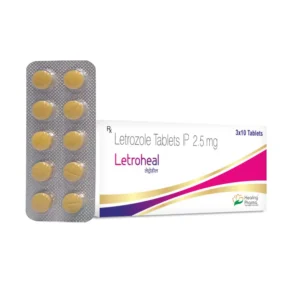
Letrozole 2.5 Mg
Active Ingredient Letrozole Manufacturer Corona Remedies Private Limited Packaging 10 tablets in 1 strip Strength 2.5mg Delivery Time 6 To 15 days SKU: Letrozole (Letrozole) – 2.5 Mg Price range: $85.50 through $225.00Letrozole 2.5 Mg
Price range: $85.50 through $225.00 -
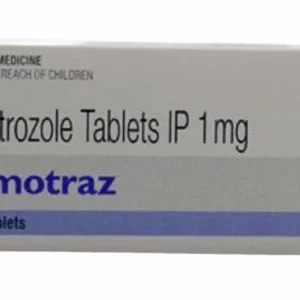
Armotraz (Anastrozole) – 1 Mg
Active Ingredient Anastrozole Manufacturer Cipla Limited Packaging 10 tablets in 1 strip Strength 1 Mg Delivery Time 6 To 15 days SKU: Armotraz (Anastrozole) – 1 Mg Price range: $50.00 through $150.00Armotraz (Anastrozole) – 1 Mg
Price range: $50.00 through $150.00 -
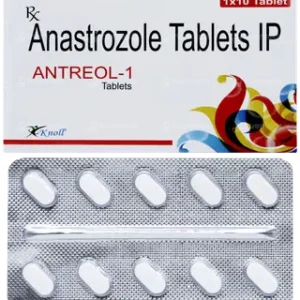
Antreol (Anastrozole) – 1 Mg
Active Ingredient Anastrozole Manufacturer Knoll Healthcare Pvt Ltd Packaging 10 tablets in 1 strip Strength 1mg Delivery Time 6 To 15 days SKU: Antreol (Anastrozole) – 1 Mg Price range: $28.80 through $82.80Antreol (Anastrozole) – 1 Mg
Price range: $28.80 through $82.80 -

Altraz (Anastrozole) – 1 Mg
Active Ingredient Arimidex Manufacturer Alkem Laboratories, India Packaging 14 Tablets in Strip Strength 1mg Delivery Time 6 To 15 days SKU: Altraz (Anastrozole) – 1 Mg Price range: $56.00 through $135.00Altraz (Anastrozole) – 1 Mg
Price range: $56.00 through $135.00