
Genital Warts Treatment Medicines: Patient Information Guide:-
Category Overview:-
Genital warts treatment medicines represent a specialized group of medications and topical therapies used to manage a common sexually transmitted infection caused by certain strains of the human papillomavirus (HPV). These treatments are prescribed or recommended by healthcare professionals to help reduce visible warts, alleviate discomfort, and support the body’s natural immune response. While genital warts cannot always be permanently cured due to the viral nature of the infection, medical treatments can effectively manage outbreaks and improve quality of life. Treatment selection depends on the size, location, and number of warts, as well as individual patient factors, including pregnancy status and medical history.
Conditions Treated:-
Medicines in this category are specifically used to address:
External Genital Warts (Condylomata Acuminata)-
These are visible growths that appear on the genital and anal areas, caused by low-risk HPV types (most commonly HPV 6 and 11). They may appear as small bumps or larger clusters with a cauliflower-like texture.
Perianal Warts-
Warts occurring around the anal opening, which may require specialized treatment approaches depending on their location and extent.
Related Symptoms-
Some patients may experience itching, bleeding, or discomfort associated with genital warts, though many warts are asymptomatic. Treatment aims to address both visible lesions and associated symptoms.
It is important to understand that these medicines treat the physical manifestation of warts but do not eliminate the HPV virus from the body. Healthcare providers may also discuss preventive measures and partner notification as part of comprehensive care.
Types of Medicines in This Category:-
Genital warts treatments can be broadly organized into several approaches:
Patient-Applied Topical Treatments-
These prescription creams, solutions, or gels are applied directly to warts by the patient at home following specific medical instructions. They typically work by destroying wart tissue or stimulating the immune system to fight the virus.
Healthcare Provider-Applied Treatments-
These are stronger chemical solutions or physical therapies administered in a clinical setting. They require professional application due to their potency and the precision needed to avoid damaging healthy tissue.
Immune Response Modifiers-
Some topical medications work by enhancing the body’s local immune response to help clear the viral infection rather than directly destroying wart tissue.
Combination Approaches-
Healthcare providers may recommend combining different treatment methods or switching between therapies if initial treatments are not fully effective.
The choice between these approaches depends on wart characteristics, patient preference, pregnancy status, treatment history, and the healthcare provider’s clinical judgment.
How These Medicines Work?
Genital warts treatments function through different biological mechanisms:
Cytotoxic (Cell-Destroying) Action
Certain medicines work by directly damaging or destroying the abnormal cells that form wart tissue. These treatments cause controlled destruction of the affected area, allowing healthy tissue to regenerate after the wart is removed.
Immunomodulation
Some treatments stimulate the body’s own immune system to recognize and attack cells infected with HPV. This approach works with the natural defense mechanisms to clear the infection locally.
Antimitotic Activity
Specific agents prevent the rapid cell division that characterizes wart growth, essentially halting the wart’s ability to maintain itself and expand.
Keratolytic Effects
Certain formulations soften and break down the outer layers of wart tissue, making it easier for the body to shed the abnormal cells.
Each mechanism has different timelines for visible results, which typically range from several weeks to a few months. Complete clearance may require multiple treatment cycles, and healthcare providers monitor progress through follow-up appointments.
Who May Benefit From This Category?
Healthcare providers may prescribe genital warts treatments to:
Adults with Diagnosed Genital Warts-
Individuals who have been examined by a healthcare professional and received a confirmed diagnosis of genital warts caused by HPV.
Patients Seeking Symptom Relief-
Those experiencing physical discomfort, itching, bleeding, or psychological distress associated with visible warts.
Individuals with Recurrent Outbreaks-
Patients who have had previous warts successfully treated but experience new lesions and require ongoing management.
People Wishing to Reduce Transmission Risk-
While treatment does not eliminate HPV from the body, reducing visible warts may help lower (though not eliminate) the risk of transmission to sexual partners.
These treatments are not suitable for self-diagnosis or self-treatment. A healthcare professional must first confirm that lesions are indeed genital warts, as other conditions can appear similar. Pregnant women, individuals with compromised immune systems, and those with certain medical conditions require specialized treatment approaches and should discuss all options thoroughly with their healthcare provider.
Important Safety Information:-
Safety is paramount when using genital warts treatments:
Medical Supervision Required-
All treatments in this category should be used only under medical guidance. Self-treatment without proper diagnosis can be dangerous, as other conditions (including pre-cancerous lesions) may resemble genital warts.
Pregnancy and Breastfeeding Considerations-
Many genital warts treatments are contraindicated during pregnancy or breastfeeding due to potential risks to the developing baby or infant. Pregnant women must inform their healthcare provider immediately, as alternative safe treatments are available.
Skin Sensitivity and Reactions-
These medicines can cause significant skin irritation, erosion, or ulceration if used improperly. Careful application only to affected areas is essential, and healthy surrounding skin should be protected.
Sexual Activity During Treatment-
Healthcare providers typically advise avoiding sexual contact while warts are present and during active treatment, both to prevent transmission and to avoid irritating treated areas.
Immune System Considerations-
Patients with weakened immune systems (due to HIV, immunosuppressive medications, or other conditions) may require modified treatment approaches and should discuss this thoroughly with their healthcare team.
When to Seek Immediate Care?
Contact a healthcare provider immediately if you experience severe pain, extensive skin breakdown, signs of infection (fever, pus, increasing redness), or allergic reactions to treatment.
Usage Guidance (General):-
Treatment protocols for genital warts are highly individualized:
Professional Assessment First
Every patient requires a medical examination before starting treatment. Healthcare providers assess wart location, size, number, and patient-specific factors to determine the most appropriate therapy.
Following Application Instructions
For patient-applied treatments, precise adherence to instructions regarding frequency, duration, and application technique is critical for both effectiveness and safety. Instructions may include washing hands before and after application, protecting surrounding skin, and limiting treatment to specific time periods.
Treatment Duration
Most therapies require several weeks to months of consistent use. Visible improvement may not be immediate, and patience with the prescribed regimen is important.
Follow-Up Appointments
Regular monitoring by a healthcare provider helps assess treatment response, manage side effects, and adjust the therapeutic approach if needed.
Discontinuation Guidelines
Patients should never stop or modify treatment without consulting their healthcare provider, even if warts appear to have cleared, as completing the full prescribed course helps reduce recurrence risk.
Dosage, frequency, and treatment duration are determined solely by qualified healthcare professionals based on individual circumstances.
Side Effects & Risks (General Overview):-
Like all medications, genital warts treatments can cause side effects:
Common Side Effects-
– Local skin irritation, redness, or burning at application sites
– Mild pain or discomfort in treated areas
– Itching or tingling sensations
– Skin flaking, peeling, or erosion
– Temporary discoloration of treated skin
– Mild swelling
Less Common But Serious Effects-
– Severe skin reactions with ulceration or extensive tissue damage
– Secondary infections in treated areas
– Allergic reactions (rash, difficulty breathing, swelling)
– Scarring, particularly with improper use
– Systemic absorption effects (with certain treatments)
Managing Side Effects-
Most side effects are manageable and expected as part of the treatment process. However, patients should report any concerning symptoms to their healthcare provider promptly. Severe reactions may require treatment modification or discontinuation.
The occurrence and severity of side effects vary significantly based on the specific medication used, individual patient factors, and proper application technique. Healthcare providers balance treatment efficacy against potential risks when selecting appropriate therapies.
Choosing the Right Medicine:-
Selecting an appropriate genital warts treatment is a collaborative medical decision:
Factors Healthcare Providers Consider-
– Location, size, and number of warts
– Previous treatment history and response
– Pregnancy status or plans
– Patient’s overall health and immune status
– Ability to apply treatments correctly at home
– Lifestyle factors and treatment preferences
– Potential drug interactions with other medications
– Cost and insurance coverage considerations
The Importance of Professional Guidance-
Self-selecting genital warts treatments without medical input can lead to:
– Misdiagnosis and delayed treatment of serious conditions
– Use of inappropriate or ineffective therapies
– Increased risk of scarring or complications
– Worsening of the condition
– Unnecessary cost and frustration
Working with Your Healthcare Provider-
Patients should openly discuss their concerns, preferences, and any barriers to treatment adherence. Healthcare providers can adjust treatment plans based on patient feedback and treatment response. Some patients may require multiple treatment attempts or combinations of therapies to achieve optimal results.
Pharmacist Consultation
Pharmacists provide valuable guidance on proper medication use, potential side effects, and when to contact a healthcare provider. They can answer practical questions about application techniques and storage.
Storage & Handling Advice:-
Proper storage ensures medication effectiveness and safety:
General Storage Guidelines-
– Store medicines at room temperature unless otherwise directed
– Keep away from excessive heat, moisture, and direct sunlight
– Secure medications away from children and pets
– Do not transfer medicines to unmarked containers
– Check expiration dates regularly and dispose of expired products properly
Specific Considerations-
– Some topical treatments may require refrigeration—follow label instructions carefully
– Keep bottles tightly closed when not in use to prevent degradation
– Do not freeze liquid medications unless specifically instructed
– Avoid storing in bathroom cabinets where humidity can affect medication stability
Safe Disposal-
– Follow local regulations for medication disposal
– Many communities offer medication take-back programs
– Do not flush medications down toilets unless specifically instructed
– Remove or obscure personal information on containers before disposal
Handling Precautions-
– Wash hands thoroughly before and after applying topical treatments
– Avoid contact between the medication container and the affected area
– Do not share medications with others, even if they appear to have similar symptoms
– Keep application devices clean and dedicated to single-person use
Frequently Asked Questions (Category-Based)?
How long does it take for genital wart treatments to work?
Treatment timelines vary considerably depending on the specific medication used, wart characteristics, and individual response. Most patient-applied topical treatments require consistent use for 4 to 16 weeks before significant improvement is visible. Provider-applied treatments may show faster initial results but often require multiple sessions spaced several weeks apart. Complete clearance can take several months, and some patients may need to try different treatments or combinations before achieving optimal results. Patience and adherence to the prescribed regimen are essential, as is maintaining regular follow-up appointments to monitor progress.
Can genital warts come back after treatment?
Yes, recurrence is relatively common even after successful treatment. This occurs because treatments remove visible warts but do not eliminate HPV from the body. The virus may remain dormant in surrounding skin cells and can reactivate, causing new warts to appear. Recurrence rates vary but may affect 20-30% of treated patients within the first few months. Factors that may increase recurrence risk include weakened immune function, smoking, and having multiple or large warts initially. Healthcare providers can treat recurrent warts, and some patients may benefit from maintenance strategies to reduce recurrence frequency.
Are these treatments safe to use during pregnancy?
Many genital warts treatments are **not recommended** during pregnancy due to potential risks to the developing baby. Pregnant women who develop genital warts or become pregnant during treatment must immediately inform their healthcare provider. Safe alternatives are available that can be used during pregnancy, though some providers may recommend delaying treatment until after delivery if the warts are not causing significant problems. The safety profile varies by specific medication, so individualized medical guidance is essential. Never assume a treatment is safe during pregnancy without explicit confirmation from a healthcare professional.
Do I need to inform my sexual partner if I have genital warts?
While this is ultimately a personal decision, healthcare professionals strongly encourage open communication with sexual partners about genital warts. HPV is highly transmissible through intimate contact, and partners may have been exposed even when warts are not visible. Many healthcare providers recommend abstaining from sexual activity during active outbreaks and treatment. Partners should be encouraged to see their own healthcare provider for examination and discussion of HPV vaccination if appropriate. Having these conversations, though difficult, demonstrates care for your partner’s health and allows both individuals to make informed decisions.
Medical Disclaimer:-
This content is provided for educational and informational purposes only and does not constitute medical advice, diagnosis, or treatment recommendations.
The information presented on this page about genital warts treatment medicines is intended to help patients better understand this medication category and should not replace consultation with qualified healthcare professionals. Every patient’s situation is unique, and treatment decisions must be made by licensed healthcare providers based on individual medical assessment.
Important Reminders:
– Always consult a healthcare provider before starting, stopping, or changing any medication
– Never self-diagnose or self-treat genital warts—professional examination is essential
– The information provided here does not cover all possible uses, precautions, drug interactions, or side effects
– Dosage and treatment protocols mentioned are general in nature and not prescriptive
– Individual results and experiences with medications vary considerably
– Emergency medical situations require immediate professional attention
For Personalized Medical Advice:
Speak with your physician, gynecologist, urologist, dermatologist, or other qualified healthcare provider who can evaluate your specific condition and recommend appropriate treatment. Pharmacists are also valuable resources for medication-related questions and guidance.
This online pharmacy provides dispensing services only and does not replace the doctor-patient relationship or professional medical judgment. All prescription medications require valid prescriptions from licensed healthcare providers.
-
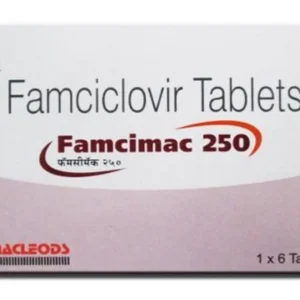
Famcimac 250 Mg (Famciclovir)
Active Ingredient Famciclovir Manufacturer Macleods Pharmaceuticals Pvt Ltd Packaging 6 tablets in 1 strip, 3 tablets in 1 strip Strength 250mg, 500mg Delivery Time 6 To 15 days SKU: Famcimac 250 Mg (Famciclovir) Price range: $110.70 through $654.00Famcimac 250 Mg (Famciclovir)
Price range: $110.70 through $654.00