
Hepatitis B Medicines: Comprehensive Category Guide:-
Category Overview:-
Hepatitis B medicines represent a vital group of antiviral treatments used to manage chronic hepatitis B virus (HBV) infection. These prescription medications work to suppress viral replication, reduce liver inflammation, and help prevent long-term complications such as cirrhosis and liver cancer. Healthcare providers prescribe these medicines as part of a comprehensive treatment plan that includes regular monitoring of liver function and viral load. The goal of treatment is to achieve sustained viral suppression, which significantly improves long-term health outcomes for people living with chronic hepatitis B.
Treatment decisions are individualized based on factors including viral load levels, liver function test results, the presence of liver damage, and overall health status. Not all individuals with hepatitis B require immediate medication—some people with inactive infection may be monitored regularly without treatment, while others with active viral replication or liver damage benefit from antiviral therapy.
Conditions Treated:-
Medicines in this category are specifically prescribed for:
Chronic Hepatitis B Infection: Long-term infection with the hepatitis B virus that persists beyond six months and may lead to progressive liver damage if left unmanaged.
Active Viral Replication: Situations where the virus is actively multiplying in the body, indicated by elevated HBV DNA levels and liver enzyme abnormalities.
Compensated Liver Disease: Early to moderate liver damage (fibrosis) where the liver still functions adequately but requires intervention to prevent progression.
Decompensated Cirrhosis: Advanced liver scarring with impaired liver function, requiring urgent antiviral treatment alongside specialized care.
Prevention of Liver Complications: Reducing the risk of developing cirrhosis, liver failure, or hepatocellular carcinoma in individuals with chronic infection.
These medicines do not treat acute hepatitis B infection, which typically resolves on its own in healthy adults. They are also distinct from hepatitis B vaccines, which prevent infection rather than treat existing disease.
Types of Medicines in This Category:-
Hepatitis B treatments fall into several categories based on their mechanism and formulation:
Nucleoside/Nucleotide Analogues-
These oral antiviral medicines are the most commonly prescribed treatment type. They work by interfering with the virus’s ability to replicate its genetic material. These medications are taken as daily tablets and include both older-generation and newer, more potent agents with high barriers to drug resistance.
Interferon-Based Therapies-
Pegylated interferon represents an injectable treatment option that enhances the body’s immune response against the virus. This approach involves weekly or biweekly injections for a defined treatment course, typically lasting 48 weeks. Interferon therapy is less commonly used today due to its side effect profile, but it may be suitable for specific patient groups.
Combination Approaches-
In certain cases, healthcare providers may recommend using multiple antiviral agents or combining treatments with different mechanisms to optimize viral suppression, particularly in complex cases or when drug resistance develops.
The choice between treatment types depends on individual factors, including liver disease severity, viral genotype, kidney function, pregnancy status, and treatment goals.
How These Medicines Work?
Hepatitis B medicines employ different strategies to control viral infection:
Blocking Viral Replication: Nucleoside and nucleotide analogues mimic the natural building blocks the virus needs to copy its genetic material. When the virus incorporates these medicine molecules instead of natural components, it cannot complete replication effectively. This dramatically reduces the number of viral particles in the bloodstream and liver tissue.
Immune System Enhancement: Interferon-based treatments stimulate the body’s natural antiviral defense mechanisms. They activate immune cells that recognize and attack virus-infected liver cells while also directly inhibiting viral replication through multiple pathways.
Sustained Viral Suppression: Rather than eliminating the virus from the body (which remains difficult to achieve), these medicines maintain viral levels at very low or undetectable levels. This state of viral suppression allows liver inflammation to subside and prevents progressive damage.
It’s important to understand that current treatments typically require long-term or indefinite use to maintain viral control. Stopping treatment prematurely often leads to viral rebound and potential liver damage.
Who May Benefit From This Category?
Healthcare providers may prescribe hepatitis B medicines for individuals with:
High Viral Load: People with HBV DNA levels above certain thresholds indicate active viral replication, even if liver damage is minimal.
Elevated Liver Enzymes: Abnormal ALT or AST levels suggest ongoing liver inflammation and cellular injury.
Evidence of Liver Fibrosis: Imaging studies or biopsy results showing scarring or damage to liver tissue.
Advanced Liver Disease: Anyone with cirrhosis, regardless of viral load, typically requires treatment to prevent further deterioration.
Specific High-Risk Groups: Pregnant women with high viral loads (to prevent mother-to-child transmission), individuals undergoing immunosuppressive therapy, healthcare workers with active infection, and people co-infected with HIV or hepatitis C.
Family History Considerations: Those with close relatives who developed liver cancer or severe complications from hepatitis B may be candidates for earlier intervention.
Treatment is not universally necessary for everyone testing positive for hepatitis B. Many people with inactive infection and normal liver function are monitored regularly without immediate medication.
Important Safety Information:-
Several important safety considerations apply to hepatitis B medicines:
Medical Supervision Required-
These are prescription medications requiring careful medical oversight. Treatment decisions should only be made by healthcare providers experienced in managing viral hepatitis. Self-medication or using someone else’s prescription is dangerous and inappropriate.
Who Should Exercise Caution?
People with existing kidney disease require dose adjustments for many antiviral medicines, as these medications are processed through the kidneys. Regular monitoring of kidney function is essential during treatment.
Individuals with HIV co-infection need specialized treatment approaches, as some hepatitis B medicines also have activity against HIV and could lead to HIV drug resistance if used inappropriately.
Pregnant or breastfeeding women require careful risk-benefit assessment. While some medicines are considered safe during pregnancy, others require alternative approaches.
Drug Interactions-
Hepatitis B medicines can interact with other medications, including those for HIV, certain pain medicines, tuberculosis treatments, and some supplements. Always inform healthcare providers about all medicines and supplements being taken.
Lactic Acidosis Risk-
Though rare, some nucleoside analogues carry a warning about lactic acidosis, a serious metabolic condition. Symptoms, including unusual muscle pain, difficulty breathing, stomach pain, nausea, or feeling cold, should be reported immediately.
Liver Flares Upon Stopping-
Discontinuing hepatitis B treatment can lead to severe flares of hepatitis, potentially causing liver failure. Treatment should never be stopped without medical guidance and close monitoring.
Usage Guidance (General):-
Hepatitis B medicines require careful adherence to prescribing instructions:
Consistency is Critical: These medications are typically taken once daily at the same time each day. Maintaining consistent levels in the bloodstream optimizes viral suppression and reduces the risk of drug resistance.
Not for Missed Doses: If a dose is missed, specific guidance depends on how much time has passed. Generally, if it’s close to the next scheduled dose, the missed dose should be skipped rather than doubled up. Consult a pharmacist or healthcare provider for specific advice.
Long-Term Commitment: Treatment often continues for years or indefinitely. Regular follow-up appointments every 3-6 months monitor treatment effectiveness through blood tests measuring viral load and liver function.
Food Requirements: Some medicines should be taken on an empty stomach, while others can be taken with or without food. Follow the specific instructions provided with the prescription.
No Self-Adjustment: Dosage should never be changed without medical advice, even if the viral load becomes undetectable. Premature dose reduction or stopping can lead to viral rebound.
Side Effects & Risks (General Overview):-
Understanding potential side effects helps patients recognize when to seek medical attention:
Common Side Effects:-
Many people experience minimal side effects from nucleoside/nucleotide analogues. When they occur, common effects may include:
– Headache and fatigue
– Mild nausea or digestive discomfort
– Dizziness
– Muscle or joint discomfort
These effects are often mild and may diminish as the body adjusts to treatment.
Serious But Less Common Effects:-
Kidney Function Changes: Some medicines may affect kidney function, particularly in people with pre-existing kidney issues or those taking other nephrotoxic medications. Regular monitoring helps detect changes early.
Bone Density Reduction: Long-term use of certain antivirals may contribute to decreased bone mineral density. This risk is particularly relevant for people with other osteoporosis risk factors.
Liver Problems: Paradoxically, stopping treatment can cause severe liver inflammation. Rarely, liver problems may occur during treatment, requiring close monitoring.
Interferon-Specific Effects-
Interferon therapy typically causes more pronounced side effects, including flu-like symptoms, mood changes, fatigue, hair thinning, and blood count changes. These effects require careful monitoring and often resolve after completing the treatment course.
When to Seek Immediate Medical Attention?
Contact a healthcare provider urgently if experiencing:
– Severe abdominal pain or persistent nausea
– Yellowing of skin or eyes
– Dark urine or pale stools
– Unusual bleeding or bruising
– Signs of lactic acidosis (severe weakness, unusual muscle pain, trouble breathing)
– Severe depression or suicidal thoughts (particularly with interferon)
Choosing the Right Medicine:-
Selecting the appropriate hepatitis B treatment involves multiple considerations:
Role of Healthcare Providers-
A gastroenterologist, hepatologist, or infectious disease specialist with expertise in viral hepatitis typically makes treatment recommendations. These decisions consider:
Viral Factors: Genotype, viral load levels, and presence of specific viral mutations that might affect treatment response.
Liver Status: Degree of liver damage, liver function test results, and presence of cirrhosis.
Patient Characteristics: Age, kidney function, bone health, pregnancy plans, other medical conditions, and concurrent medications.
Treatment History: Whether this is the first-time treatment has been used or if previous treatments have been used.
Resistance Patterns: In people who have received prior treatment, testing for drug-resistant viral strains guides medicine selection.
Genetic Barrier to Resistance-
Newer antiviral medicines with high genetic barriers to resistance are preferred for initial treatment because they maintain effectiveness even with long-term use. Older agents with lower barriers may lead to resistance development, limiting future treatment options.
Personal Circumstances-
Lifestyle factors, including the ability to adhere to daily dosing, access to regular medical monitoring, insurance coverage, and personal treatment goals,s all influence the most appropriate choice.
Pharmacists can provide valuable information about how to take medicines correctly, potential interactions, and what to expect, but the prescribing decision rests with the physician.
Storage & Handling Advice:-
Proper storage ensures the effectiveness and safety:
Temperature Control: Most hepatitis B tablets should be stored at room temperature, typically between 20-25°C (68-77°F). Avoid locations with temperature extremes,s such as bathrooms, cars, or near heating vents.
Moisture Protection: Keep medicines in their original containers with moisture-protective packaging intact. Some formulations are sensitive to humidity.
Light Protection: Store in the original container, which protects from light exposure that could degrade certain medications.
Child Safety: Keep all medicines in a secure location out of reach and sight of children. Many antiviral medicines can be harmful if ingested by children.
Proper Disposal: Do not flush medicines down the toilet orthrow themw in regular trash. Use pharmaceutical take-back programs, or follow specific disposal instructions provided with the medicine or by a pharmacist.
Travel Considerations: When traveling, keep medicines in carry-on luggage rather than checked bags to maintain temperature control and ensure access. Carry prescription documentation when crossing international borders.
Expired Medicines: Do not use medicines past their expiration date. Expired medicines may lose effectiveness and potentially become harmful.
Frequently Asked Questions?
How long will I need to take hepatitis B medicine?
Treatment duration varies significantly depending on individual circumstances. Many people with chronic hepatitis B require long-term or indefinite treatment to maintain viral suppression and prevent liver damage progression. Some individuals may be able to stop treatment after achieving specific goals, such as seroconversion (development of certain antibodies), but this requires careful medical assessment. Stopping treatment increases the risk of viral rebound, which can lead to severe liver inflammation. Healthcare providers evaluate treatment duration based on regular monitoring of viral load, liver function, and overall health status. Never discontinue treatment without medical guidance, even if feeling well or achieving undetectable viral levels.
Can hepatitis B medicines cure the infection?
Current antiviral treatments for hepatitis B typically control rather than cure the infection. The virus can integrate its genetic material into liver cells, creating a reservoir that remains even with treatment. While medicines effectively suppress viral replication to very low or undetectable levels—significantly reducing liver inflammation and preventing complications—complete viral elimination is rarely achieved with current treatments. However, a small percentage of patients may achieve “functional cure” (defined as HBsAg loss and development of anti-HBs antibodies), particularly with interferon-based treatment. Research into curative therapies continues, but current treatments focus on long-term viral control and prevention of liver disease progression.
Will I still be contagious while taking these medicines?
Yes, individuals with hepatitis B remain potentially infectious even while taking antiviral medicines, though transmission risk decreases substantially when viral load is suppressed to very low or undetectable levels. Hepatitis B spreads through contact with infected blood and certain body fluids. Precautions remain important, including: not sharing personal items that might have blood on them (razors, toothbrushes), ensuring sexual partners are vaccinated, informing healthcare providers and dentists of infection status, and never donating blood, organs, or tissue. Pregnant women with hepatitis B should inform their obstetric care providers so the newborn can receive appropriate post-exposure prophylaxis. Treatment significantly reduces but does not eliminate transmission risk, so protective measures remain important.
What happens if I miss doses regularly?
Inconsistent adherence to hepatitis B medicines significantly compromises treatment effectiveness and increases the risk of developing drug-resistant viral strains. Missing doses allow the virus to replicate, potentially creating mutations that no longer respond to the medicine. Once resistance develops, treatment options become more limited and complex. If struggling with adherence, speak honestly with healthcare providers who can offer solutions such as setting phone reminders, using pill organizers, simplifying medication regimens where possible, or addressing side effects that might be contributing to missed doses. Some people benefit from connecting with support services that provide adherence counseling. Maintaining excellent adherence is one of the most important factors in successful long-term hepatitis B management.
Medical Disclaimer:-
This content is provided for educational and informational purposes only and should not be considered medical advice, diagnosis, or treatment recommendations. The information presented here represents ga eneral overview of hepatitis B medicines as a category and does not substitute for personalized medical guidance from qualified healthcare professionals.
Individual treatment decisions must be made in consultation with physicians who can evaluate your specific medical history, current health status, test results, and unique circumstances. Hepatitis B requires specialized medical management by healthcare providers experienced in treating viral hepatitis and liver disease.
Always consult your doctor, pharmacist, or other qualified healthcare provider with questions regarding medical conditions, medicines, treatment options, or any health concerns. Never disregard professional medical advice or delay seeking care because of information you have read here.
If you believe you have a medical emergency, including signs of liver failure or severe adverse reactions to medicines, call emergency services immediately.
The content on this page does not create a doctor-patient relationship and should not be used as a substitute for professional diagnosis and treatment. Treatment outcomes vary among individuals, and information about medicines, side effects, and uses may not be comprehensive or current.
Always read the patient information leaflet provided with your prescribed medicine and follow your healthcare provider’s specific instructions regarding dosage, administration, and monitoring requirements.
-
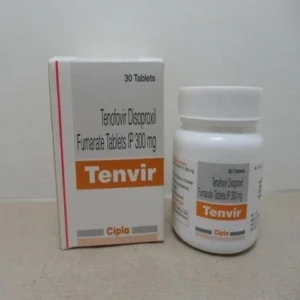
Tenvir (Tenofovir) – 300 Mg
Active Ingredient Tenofovir Manufacturer Cipla Limited Packaging 30 Tablets in bottle Strength 300mg Delivery Time 6 To 15 days SKU: Tenvir (Tenofovir) – 300 Mg Price range: $115.00 through $360.00Tenvir (Tenofovir) – 300 Mg
Price range: $115.00 through $360.00 -
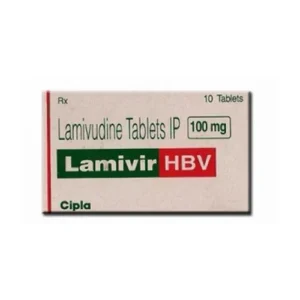
Lamivir 100 Mg (Lamivudine)
Active Ingredient Lamivudine Manufacturer Cipla Limited Packaging 10 tablets in 1 strip Strength 100mg, 150mg Delivery Time 6 To 15 days SKU: Lamivir HBV 100 Mg (Lamivudine) Price range: $45.00 through $130.00Lamivir 100 Mg (Lamivudine)
Price range: $45.00 through $130.00 -

HepBest (Tenofovir Alafenamide) – 25 Mg
Active Ingredient Lamivudine Manufacturer Cipla Limited Packaging 10 tablets in 1 strip Strength 100mg Delivery Time 6 To 15 days SKU: HepBest (Tenofovir Alafenamide) – 25 Mg Price range: $160.00 through $470.00HepBest (Tenofovir Alafenamide) – 25 Mg
Price range: $160.00 through $470.00 -

Entavir 0.5 Mg (Entecavir)
Active Ingredient Entecavir Manufacturer Cipla Limited Packaging 10 tablets in 1 strip Strength 1mg Delivery Time 6 To 15 days SKU: Entavir (Entecavir) – 0.5 Mg Price range: $115.00 through $630.00Entavir 0.5 Mg (Entecavir)
Price range: $115.00 through $630.00