Hepatitis C Medicines: A Patient Education Guide:-
Category Overview:-
Hepatitis C medicines represent a category of antiviral treatments prescribed by healthcare providers to manage chronic hepatitis C virus (HCV) infection. These medications work by targeting the virus’s ability to replicate in the body, helping patients achieve viral suppression or clearance. Modern hepatitis C treatments have transformed what was once a difficult-to-treat condition into one that can often be managed effectively with appropriate medical care.
Healthcare providers prescribe these medicines after careful evaluation of a patient’s specific viral genotype, liver health status, treatment history, and overall medical condition. The goal of treatment is to reduce the amount of virus in the body to undetectable levels, which can help prevent liver damage and improve long-term health outcomes.
Conditions Treated:-
Medicines in this category are prescribed for:
Chronic Hepatitis C Infection: A long-term viral infection affecting the liver, which can persist for years without noticeable symptoms in many patients.
Complications Prevention: Treatment aims to reduce the risk of progressive liver conditions that may develop if the infection remains untreated over time.
Healthcare providers typically confirm hepatitis C through blood tests that detect the virus and assess liver function before recommending treatment. The decision to start treatment depends on multiple factors, including disease progression, overall health, and individual patient circumstances.
Types of Medicines in This Category:-
Hepatitis C treatments available today generally fall into these approaches:
Direct-Acting Antivirals (DAAs): Modern oral medications that target specific proteins the virus needs to multiply. These represent the current standard of care for most patients.
Combination Therapies: Many treatments combine two or more active ingredients in a single tablet or regimen to target the virus through multiple mechanisms.
Genotype-Specific Treatments: Some medicines are designed for particular hepatitis C virus genotypes (strains), while others work across multiple genotypes.
Treatment Duration Variations: Regimens may last from 8 to 24 weeks, depending on the specific medication, viral genotype, and patient factors such as previous treatment history or presence of liver cirrhosis.
Your healthcare provider will determine which type of medicine and treatment duration is most appropriate based on diagnostic testing and medical assessment.
How These Medicines Work?
Hepatitis C medications function by interfering with the virus’s life cycle within the body. While the specific mechanisms vary between different medicines, most modern treatments work by:
Blocking Viral Replication: These medicines prevent the virus from making copies of itself by targeting enzymes or proteins essential to viral reproduction.
Reducing Viral Load: By stopping new virus particles from forming, the medication allows the body’s immune system to clear existing virus more effectively.
Protecting Liver Cells: By reducing viral activity, these treatments help prevent ongoing liver cell damage that occurs during active infection.
Unlike older treatment approaches, modern direct-acting antivirals specifically target the hepatitis C virus rather than broadly stimulating the immune system, which often results in better tolerability and outcomes for many patients.
Who May Benefit From This Category?
Healthcare providers may prescribe hepatitis C medicines to:
Adults with Confirmed Chronic HCV Infection: Patients who have tested positive for the hepatitis C virus through appropriate diagnostic testing.
Individuals with Various Disease Stages: Treatment may be recommended regardless of whether someone has an early-stage infection or more advanced liver involvement.
Patients Previously Treated: Those who did not respond to earlier treatment approaches or who experienced viral recurrence may be candidates for newer medication options.
People with Certain Co-existing Conditions: Many modern treatments can be used in patients with kidney disease, HIV co-infection, or other health conditions, though this requires careful medical supervision.
However, treatment decisions are highly individualized. Your healthcare provider will consider your complete medical history, current health status, potential drug interactions, and personal circumstances before recommending a specific treatment approach.
Important Safety Information:-
While hepatitis C medicines have improved significantly in recent years, medical guidance remains essential:
Medical Supervision Required: These are prescription medications that require diagnosis, monitoring, and follow-up care by qualified healthcare professionals.
Not Suitable for Everyone: Certain individuals may need to avoid specific hepatitis C treatments due to severe liver disease, particular medication interactions, or other medical contraindications.
Drug Interaction Concerns: Hepatitis C medicines can interact with many commonly used medications, including certain heart medicines, cholesterol treatments, herbal supplements, and over-the-counter products. Full disclosure of all medications and supplements to your healthcare provider is crucial.
Pregnancy and Breastfeeding Considerations: Women who are pregnant, planning pregnancy, or breastfeeding should discuss treatment timing and safety with their healthcare provider.
Liver Function Monitoring: Patients with advanced liver disease require particularly careful assessment before and during treatment.
Never start, stop, or change hepatitis C treatment without direct guidance from the healthcare provider who prescribed your medication.
Usage Guidance (General):-
Hepatitis C medicines must be taken exactly as prescribed by your healthcare provider:
Individualized Regimens: Dosing schedules, tablet quantities, and treatment duration vary significantly based on the specific medicine prescribed and your individual circumstances.
Consistency Matters: Most treatments work best when taken at the same time each day without missed doses.
Food Requirements: Some medicines should be taken with food, while others can be taken without regard to meals. Follow the specific instructions provided with your prescription.
Complete the Full Course. Even if you feel well or early tests show improvement, completing the entire prescribed treatment duration is typically necessary for optimal results.
Regular Monitoring: Your healthcare provider will schedule blood tests during and after treatment to assess how well the medicine is working and monitor for any concerns.
Never adjust your treatment schedule or share your medicine with others, even if they have been diagnosed with hepatitis C.
Side Effects & Risks (General Overview):-
Like all medications, hepatitis C treatments can cause side effects, though not everyone experiences them:
Common Effects: Many patients tolerate modern hepatitis C medicines well. When side effects occur, they may include tiredness, headache, nausea, or difficulty sleeping.
Serious Concerns: Although less common, more serious side effects can include liver problems (especially in patients with existing liver disease), slow heart rate (with certain medicine combinations), or reactivation ofthe hepatitis B virus in patients with past hepatitis B infection.
Individual Variation: Side effect profiles differ between specific medicines and between individual patients.
When to Seek Help: Contact your healthcare provider if you experience unusual symptoms, severe side effects, signs of allergic reaction, or yellowing of skin or eyes.
Your healthcare provider will discuss the specific side effects associated with your prescribed medicine and what warning signs to watch for. Regular follow-up appointments allow your medical team to identify and address any concerns early.
Choosing the Right Medicine:-
Selecting the appropriate hepatitis C treatment is a medical decision that should never be made without professional guidance:
Diagnostic Testing Required: Proper treatment selection depends on knowing your specific viral genotype, viral load, liver health status, and treatment history.
Multiple Factors Considered: Healthcare providers evaluate your complete medical profile, other medications you take, kidney and liver function, insurance coverage, and treatment preferences.
Evolving Treatment Options: New hepatitis C medicines and updated treatment guidelines emerge periodically. Gastroenterologists and infectious disease specialists stay current with the latest evidence-based approaches.
Pharmacist Consultation Available: Once prescribed, pharmacists can answer questions about how to take your medicine, what to do if you miss a dose, and potential interactions with other products.
Self-selection of hepatitis C treatment is not safe or appropriate. These are specialized medications requiring expert medical assessment and ongoing monitoring.
Storage & Handling Advice:-
Proper storage helps maintain the effectiveness:
Temperature Control: Most hepatitis C medicines should be stored at room temperature away from excessive heat and moisture. Avoid storing in bathrooms or near kitchen sinks.
Original Packaging: Keep medicines in their original containers with labels intact to prevent confusion and maintain important information.
Child Safety: Store all medications in locations inaccessible to children and pets, even if the packaging includes child-resistant features.
Travel Considerations: If traveling, keep medicines in carry-on luggage with your prescription information. Some treatments may require temperature considerations during travel.
Disposal: Do not flush unused medicines. Ask your pharmacist about medication take-back programs or follow FDA guidelines for safe home disposal.
Check the specific storage instructions provided with your prescribed medicine, as requirements may vary between different treatments.
Frequently Asked Questions?
How long does hepatitis C treatment typically last?
Treatment duration varies from 8 to 24 weeks, depending on several factors, including the specific medicine prescribed, your viral genotype, whether you’ve been treated before, and the presence or absence of liver cirrhosis. Your healthcare provider will explain the expected duration of your particular treatment plan and why that timeframe was chosen for your situation.
Will I need to take hepatitis C medicine for the rest of my life?
Unlike some chronic conditions, hepatitis C treatment is typically time-limited rather than lifelong. Many patients complete their prescribed treatment course and achieve sustained virologic response (SVR), meaning the virus remains undetectable after treatment ends. However, individual outcomes vary, and some patients may require retreatment. Your healthcare provider will monitor your progress and explain your specific treatment goals.
Can I drink alcohol while taking hepatitis C medicines?
Alcohol can cause additional liver damage and may interfere with treatment effectiveness. Most healthcare providers strongly recommend avoiding alcohol during hepatitis C treatment. Discuss your specific situation with your medical team, especially if you have concerns about alcohol use.
What happens if I miss a dose of my hepatitis C medicine?
If you miss a dose, the appropriate action depends on the specific medicine you’re taking and how much time has passed. Generally, if you remember within a few hours, you may take the missed dose. If it’s almost time for your next scheduled dose, you should not double up. Contact your healthcare provider or pharmacist for guidance specific to your prescribed medicine.
Medical Disclaimer:-
This content is provided for educational and informational purposes only and is not intended to replace professional medical advice, diagnosis, or treatment. Hepatitis C is a serious medical condition requiring diagnosis and management by qualified healthcare professionals. The information presented here describes general categories of medicines and should not be used to self-diagnose or self-treat.
Always seek the advice of your physician, gastroenterologist, infectious disease specialist, or other qualified healthcare provider with any questions regarding a medical condition or treatment options. Never disregard professional medical advice or delay seeking it because of information you have read on this website.
If you think you may have hepatitis C or have been exposed to the virus, contact a healthcare provider promptly for appropriate testing and evaluation. In case of a medical emergency, call your local emergency number immediately.
Individual patient experiences with hepatitis C medicines vary. Treatment outcomes depend on many factors, including viral genotype, liver health, adherence to the prescribed regimen, and individual patient characteristics. The content on this page represents general information and may not apply to your specific situation.
This pharmacy provides medicines as prescribed by licensed healthcare providers. We do not diagnose conditions or prescribe treatments. All prescription medications require a valid prescription from an authorized prescriber.
-
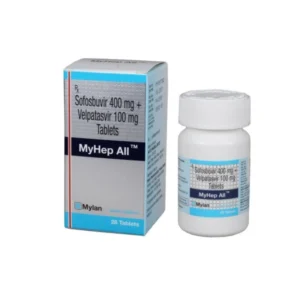
MyHep All (Sofosbuvir & Velpatasvir)
Active Ingredient Sofosbuvir/Velpatasvir Manufacturer Mylan Pharmaceuticals Packaging 28 tablets in 1 bottle Delivery Time 6 To 15 days SKU: MyHep All (Sofosbuvir/Velpatasvir) – 400mg/100 Mg Price range: $300.00 through $870.00MyHep All (Sofosbuvir & Velpatasvir)
Price range: $300.00 through $870.00