
Herpes Treatment Medicines: Patient Information Guide:-
Category Overview:-
Antiviral medicines for herpes are prescription medications designed to manage infections caused by the herpes simplex virus (HSV). These treatments are among the most commonly prescribed antiviral medications worldwide and play an important role in controlling outbreaks, reducing transmission risk, and improving quality of life for people living with herpes infections.
Healthcare providers prescribe these medicines to help patients manage both HSV-1 (typically associated with oral herpes) and HSV-2 (typically associated with genital herpes). While these medications cannot cure herpes infections, they work by interfering with viral replication, which helps control symptoms and reduces the frequency and severity of outbreaks.
Doctors may prescribe antiviral treatment for first episodes, recurrent outbreaks, or as suppressive therapy for patients who experience frequent episodes or wish to reduce transmission risk to partners.
Conditions Treated:-
Antiviral medicines in this category are prescribed by healthcare providers to manage several herpes-related conditions:
Genital Herpes (HSV-2): These medications help manage recurring outbreaks of genital herpes, characterized by painful sores or blisters in the genital area. Treatment can reduce outbreak duration and discomfort.
Oral Herpes (HSV-1): When oral herpes causes frequent or severe cold sores around the mouth and lips, doctors may prescribe antiviral treatment to shorten outbreak duration and reduce recurrence.
Initial Herpes Infections: First-time herpes infections often produce more severe symptoms than recurrent episodes. Early antiviral treatment can help reduce the severity and duration of initial outbreaks.
Herpes Prevention: For individuals with frequent outbreaks or those concerned about transmitting the virus to partners, healthcare providers may recommend daily suppressive therapy.
Only a qualified healthcare provider can diagnose herpes infections through clinical examination and laboratory testing when appropriate.
Types of Medicines in This Category:-
Antiviral treatments for herpes come in several forms and treatment approaches:
Oral Tablets: The most common form of herpes treatment, oral antiviral tablets are taken by mouth and work systemically throughout the body. These are available in different strengths and dosing schedules depending on whether treatment is for an active outbreak or suppressive therapy.
Topical Creams: Some antiviral medications come in cream or ointment form for direct application to cold sores. These are generally used for oral herpes and work locally at the application site.
Episodic Treatment: This approach involves taking medication only during outbreaks, starting at the first sign of symptoms (such as tingling or itching). Treatment typically lasts 1-5 days depending on the specific medicine and healthcare provider’s instructions.
Suppressive Therapy: For patients with frequent recurrences, daily antiviral medication can significantly reduce outbreak frequency. This long-term approach requires ongoing medical supervision.
Short-Course vs. Standard Therapy: Some newer treatment regimens allow for shorter treatment courses (1-2 days) with higher doses, while traditional approaches may involve longer treatment periods with standard dosing.
Your healthcare provider will determine which type and approach is most appropriate based on your infection pattern, frequency of outbreaks, and individual health factors.
How These Medicines Work?
Antiviral medicines for herpes work by targeting the way the virus reproduces inside human cells. Understanding this mechanism helps explain why these treatments are effective during outbreaks but cannot eliminate the virus entirely.
Blocking Viral Replication: When the herpes virus becomes active, it enters human cells and uses the cell’s machinery to make copies of itself. Antiviral medications interfere with a specific viral enzyme needed for this copying process. By blocking this enzyme, the medicine prevents the virus from multiplying rapidly.
Reducing Outbreak Severity: By limiting how quickly the virus can reproduce, these medicines help reduce the number of viral particles present during an outbreak. This leads to less severe symptoms, faster healing, and reduced shedding of the virus.
Suppressing Viral Activity: When taken daily as suppressive therapy, these medications maintain a constant level in your system that keeps viral replication at very low levels. This reduces the frequency of outbreaks and decreases the likelihood of transmitting the virus to others.
Why They Don’t Cure Herpes: The herpes virus establishes a latent (dormant) infection in nerve cells, where it remains inactive between outbreaks. Current antiviral medicines work only on actively replicating virus and cannot reach or eliminate the dormant virus in nerve cells. This is why herpes is a manageable but not curable infection with currently available treatments.
These medicines work best when started early during an outbreak, ideally at the first signs of tingling, itching, or discomfort that signal an episode is beginning.
Who May Benefit From This Category:-
Healthcare providers may prescribe antiviral herpes medications for various patient groups, always based on individual medical assessment:
Individuals with Confirmed Herpes Infections: Patients who have been diagnosed with HSV-1 or HSV-2 through clinical examination or laboratory testing may benefit from antiviral treatment during outbreaks.
People with Frequent Recurrences: Those experiencing six or more outbreaks per year may be candidates for daily suppressive therapy to reduce outbreak frequency and improve quality of life.
Patients in Serodiscordant Relationships: When one partner has herpes and the other does not, suppressive antiviral therapy can significantly reduce (though not eliminate) transmission risk when combined with other preventive measures.
Individuals with Severe First Episodes: People experiencing their first herpes outbreak, which is often more severe than recurrent episodes, may benefit from antiviral treatment to reduce symptom severity and duration.
Patients with Weakened Immune Systems: People with compromised immunity may experience more severe or prolonged herpes outbreaks and may require antiviral treatment under close medical supervision.
Those Seeking Symptom Management: Individuals bothered by painful or frequent outbreaks may benefit from episodic or suppressive treatment to improve daily comfort and reduce outbreak impact.
These medications are not suitable for everyone, and a healthcare provider must evaluate your specific situation, medical history, and treatment goals before prescribing.
Important Safety Information:-
While antiviral herpes medications are generally well-tolerated, certain safety considerations apply:
Kidney Function Monitoring: These medicines are processed by the kidneys. Patients with existing kidney problems or reduced kidney function may require dose adjustments or closer monitoring. Adequate hydration is important when taking these medications.
Not Suitable for Everyone: Certain individuals should discuss alternative approaches with their healthcare provider, including those with severe kidney disease, specific allergies to antiviral medications, or other complicating health conditions.
Pregnancy and Breastfeeding: Women who are pregnant, planning pregnancy, or breastfeeding should discuss antiviral treatment with their healthcare provider. Some situations may warrant treatment due to the severity of outbreaks or transmission concerns, while others may call for caution.
Drug Interactions: Antiviral herpes medications can interact with other medicines, particularly those affecting kidney function. Always inform your healthcare provider and pharmacist about all medications, supplements, and herbal products you take.
Does Not Prevent All Transmission: While suppressive therapy reduces transmission risk, it does not eliminate it entirely. Herpes can still be transmitted even when no symptoms are present, and even when taking daily medication. Other protective measures remain important.
Resistance Concerns: Although rare in healthy individuals, prolonged or frequent use of antiviral medications can occasionally lead to drug-resistant viral strains, particularly in immunocompromised patients.
Not a Substitute for Safe Practices: Taking herpes medication does not eliminate the need for open communication with partners, use of barrier protection methods, and avoiding sexual contact during outbreaks.
Never start, stop, or change your herpes medication without consulting your healthcare provider. Regular follow-up appointments help ensure treatment remains appropriate and effective for your situation.
Usage Guidance (General):-
Proper use of antiviral herpes medications requires following your healthcare provider’s specific instructions:
Individual Dosing: Dosage, frequency, and duration vary significantly based on whether you’re treating an active outbreak or taking suppressive therapy, which specific medication you’ve been prescribed, your kidney function, and your overall health status. Never adjust your dose without medical guidance.
Timing Matters: For episodic treatment of outbreaks, starting medication as soon as you notice the first warning signs (tingling, itching, or burning) provides the best results. The sooner treatment begins, the more effective it tends to be.
Consistency with Suppressive Therapy: If prescribed daily suppressive treatment, take your medication at the same time each day to maintain steady antiviral levels in your system. Missing doses can reduce effectiveness.
With or Without Food: Most antiviral herpes medications can be taken with or without food, though your healthcare provider or pharmacist will provide specific guidance for your prescription.
Adequate Hydration: Drinking sufficient water throughout the day supports kidney function and helps your body process these medications effectively.
Complete the Course: When treating an active outbreak, complete the full prescribed course even if symptoms improve before the medication is finished. This helps ensure adequate viral suppression.
Don’t Share Medication: Herpes antiviral medications are prescribed based on individual medical evaluation. Never share your medication with others, even if they have similar symptoms.
Missed Doses: If you miss a dose, take it as soon as you remember unless it’s almost time for your next scheduled dose. Do not double up on doses. Contact your healthcare provider if you’re unsure what to do.
Your pharmacist can answer questions about proper medication administration and timing when you collect your prescription.
Side Effects & Risks (General Overview):-
Like all medications, antiviral treatments for herpes can cause side effects, though many people tolerate them well:
Common Side Effects: These generally mild effects may include headache, nausea, diarrhea, stomach discomfort, dizziness, or tiredness. These symptoms often improve as your body adjusts to the medication and typically do not require stopping treatment.
Less Common Effects: Some patients report skin rashes, changes in taste, sensitivity to sunlight, or mild hair thinning. If these effects concern you or persist, discuss them with your healthcare provider.
Serious but Rare Effects: Although uncommon, more serious side effects require immediate medical attention. These include signs of kidney problems (changes in urination, swelling, unusual tiredness), severe headache or confusion, unusual bleeding or bruising, fever with skin rash, or symptoms of a severe allergic reaction (difficulty breathing, severe rash, swelling of face or throat).
Central Nervous System Effects: Very rarely, particularly at high doses or in patients with kidney problems, these medications may cause confusion, agitation, hallucinations, or seizures. These effects require immediate medical evaluation.
Long-Term Suppressive Therapy: For most patients, long-term daily use appears safe and well-tolerated. However, ongoing medical supervision ensures any emerging issues are identified and addressed promptly.
Individual Variation: Side effect experiences vary significantly between individuals. What affects one person may not affect another, and severity differs based on personal factors, dosage, and overall health.
When to Seek Help: Contact your healthcare provider if side effects interfere with daily activities, worsen over time, or concern you. Seek immediate medical attention for severe reactions or sudden symptom changes.
Never stop taking prescribed medication due to side effects without first consulting your healthcare provider, who can adjust your treatment or recommend ways to manage side effects.
Choosing the Right Medicine:-
Selecting the most appropriate antiviral treatment requires professional medical guidance:
Individual Assessment: Your healthcare provider will consider multiple factors including the frequency and severity of your outbreaks, which type of herpes virus you have, your kidney function, other medications you take, your overall health status, and your treatment goals (outbreak management vs. suppression vs. transmission reduction).
Different Medicines, Different Strengths: Several effective antiviral medications exist for herpes treatment, each with distinct characteristics regarding dosing frequency, treatment duration, and specific indications. What works well for one person may not be optimal for another.
Treatment Approach Matters: The choice between episodic treatment (taken only during outbreaks) and suppressive therapy (taken daily) depends on your outbreak pattern, quality of life concerns, relationship status, and personal preferences. Your healthcare provider can help you evaluate which approach suits your situation.
Cost and Accessibility Considerations: Different antiviral medications vary in cost, and generic options are available for most treatments. Discuss practical considerations like medication costs, dosing convenience, and availability with your healthcare provider and pharmacist.
Trying Different Options: If one medication doesn’t provide satisfactory results or causes bothersome side effects, alternatives exist. Open communication with your healthcare provider allows treatment adjustments to find what works best for you.
Periodic Reassessment: Your treatment needs may change over time. Some patients experience fewer outbreaks as years pass and may transition from suppressive to episodic therapy. Regular check-ins with your healthcare provider ensure your treatment plan remains appropriate.
Pharmacist Support: Your pharmacist is an excellent resource for questions about medication administration, potential interactions, side effect management, and practical usage concerns.
Avoid self-selection based on internet research, friend recommendations, or price alone. Professional guidance ensures you receive treatment appropriate for your specific medical situation.
Storage & Handling Advice:-
Proper storage helps maintain medication effectiveness and safety:
Temperature Requirements: Store most antiviral herpes medications at room temperature, away from excessive heat, moisture, and direct sunlight. Bathroom medicine cabinets, despite being convenient, often experience temperature and humidity fluctuations that can affect medication stability.
Keep Containers Closed: Always return the cap or close the bottle immediately after taking your dose to protect tablets from moisture and air exposure.
Original Packaging: Keep medicines in their original containers with labels intact. This ensures you can always identify the medication, verify expiration dates, and access important prescribing information.
Check Expiration Dates: Do not use medications past their expiration date. Expired medicines may lose effectiveness or, in rare cases, undergo chemical changes that could be harmful.
Safe from Children and Pets: Store all medications in locations inaccessible to children and pets, preferably in a locked cabinet or on a high shelf. Even a single dose of an adult medication can be dangerous to a child.
Travel Considerations: When traveling, keep medications in carry-on luggage if flying, store them in cool areas of vehicles (not glove compartments or trunks in hot weather), and maintain them in original containers to avoid questions at security checkpoints or borders.
Disposal of Unused Medication: Do not flush medications down toilets or pour them down drains unless specific disposal instructions state otherwise. Many communities offer medication take-back programs. Your pharmacist can advise on safe disposal methods in your area.
Splitting or Crushing: Do not split, crush, or chew tablets unless your healthcare provider or pharmacist specifically instructs you to do so, as this can affect how the medication is released and absorbed.
Proper storage and handling protects medication quality and prevents accidental ingestion by unintended individuals.
Frequently Asked Questions?
How long do I need to take herpes medication?
The duration depends on your treatment approach. For episodic therapy during outbreaks, treatment typically lasts 1-5 days. For suppressive therapy, your healthcare provider may recommend daily medication for months or years, with periodic reassessment. Some people take suppressive therapy indefinitely, while others transition to episodic treatment if outbreak frequency decreases over time. Your healthcare provider will develop a plan tailored to your situation and may adjust it based on how you respond.
Can these medicines cure herpes or just manage symptoms?
Current antiviral medications effectively manage herpes but cannot cure the infection. The herpes virus establishes a permanent, latent infection in nerve cells where it remains dormant between outbreaks. Antiviral medicines work only on actively replicating virus and cannot eliminate the dormant virus from nerve tissue. However, these treatments effectively control outbreaks, reduce frequency when taken as suppressive therapy, and improve quality of life for people living with herpes. Research continues into therapies that might one day address latent infection.
Will taking daily medication prevent me from transmitting herpes to my partner?
Daily suppressive therapy significantly reduces but does not eliminate transmission risk. Studies show that suppressive treatment can reduce transmission to uninfected partners by approximately 50% when combined with other preventive measures. However, herpes can still be transmitted even when no symptoms are present and even when taking medication. This is called asymptomatic viral shedding. The most effective prevention approach combines suppressive medication with consistent condom or dental dam use, open communication with partners, avoiding sexual contact during outbreaks, and regular medical follow-up.
What should I do if I experience side effects?
For mild side effects like slight headache or minor stomach upset, these often improve as your body adjusts to the medication. Stay well-hydrated and take the medication with food if stomach upset occurs. However, if side effects interfere with your daily activities, persist beyond the first few days, worsen over time, or concern you, contact your healthcare provider. For serious symptoms like severe headache, confusion, unusual bleeding, signs of kidney problems, or allergic reactions, seek immediate medical attention. Never stop taking prescribed medication without consulting your healthcare provider first.
Medical Disclaimer:-
For Educational Purposes Only
This content is provided for general informational and educational purposes only. It is not intended to replace professional medical advice, diagnosis, or treatment from a qualified healthcare provider.
Not Medical Advice: The information presented here about herpes antiviral medications represents general category information and should not be interpreted as specific medical guidance for your individual situation. Every person’s health circumstances are unique.
Consult Healthcare Professionals: Always seek the advice of your physician, pharmacist, or other qualified healthcare provider with questions regarding medical conditions, symptoms, or medications. Never disregard professional medical advice or delay seeking it because of information you have read here.
Emergency Situations: If you experience a medical emergency, call your local emergency services immediately. This content is not designed to support emergency medical decision-making.
No Doctor-Patient Relationship: Reading this information does not create a healthcare provider-patient relationship. Your healthcare decisions should be made in consultation with qualified medical professionals who can examine you, review your complete medical history, and provide personalized recommendations.
Accuracy and Updates: While we strive to provide accurate and current information, medical knowledge evolves continuously. Information that is current today may be updated or revised as new research emerges. This content was created with information available as of the date of publication.
Individual Results Vary: Responses to medications differ significantly among individuals based on numerous factors including overall health, other medical conditions, concurrent medications, genetics, and lifestyle factors. Information about typical experiences may not reflect your personal experience.
Prescription Required: All herpes antiviral medications discussed require a valid prescription from a licensed healthcare provider. This content should not be used to self-diagnose or self-prescribe medication.
By accessing this information, you acknowledge that you understand these limitations and agree to consult appropriate healthcare professionals for medical advice and treatment decisions.
-

Famcimac 250 Mg (Famciclovir)
Active Ingredient Famciclovir Manufacturer Macleods Pharmaceuticals Pvt Ltd Packaging 6 tablets in 1 strip, 3 tablets in 1 strip Strength 250mg, 500mg Delivery Time 6 To 15 days SKU: Famcimac 250 Mg (Famciclovir) Price range: $110.70 through $654.00Famcimac 250 Mg (Famciclovir)
Price range: $110.70 through $654.00 -

Valcivir 500 Mg
Active Ingredient Valacyclovir Manufacturer Cipla Limited Packaging 3 Tablets in Strip Strength 500mg, 1000mg Delivery Time 6 To 15 days SKU: Valcivir 500 Mg Price range: $105.00 through $450.00Valcivir 500 Mg
Price range: $105.00 through $450.00 -
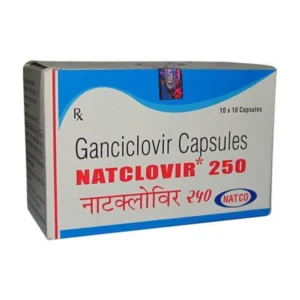
Natclovir 250 Mg (Ganciclovir)
Active Ingredient Ganciclovir Manufacturer Natco Pharma Ltd. Packaging 10 capsules in 1 strip Strength 250mg Delivery Time 6 To 15 days SKU: Natclovir 250 Mg (Ganciclovir) Price range: $148.50 through $427.50Natclovir 250 Mg (Ganciclovir)
Price range: $148.50 through $427.50 -

Aciclovir 800 Mg (Acyclovir)
Active Ingredient Acyclovir Manufacturer Healing Pharma, India Packaging 10 Tablets in Strip Strength 800mg Delivery Time 6 To 15 days SKU: Aciclovir 800 Mg (Acyclovir) Price range: $99.00 through $270.00Aciclovir 800 Mg (Acyclovir)
Price range: $99.00 through $270.00 -

Ocuvir DT 200 Mg (Acyclovir)
Active Ingredient Acyclovir Manufacturer FDC Ltd Packaging 5 Tablets in Strip & 10 Tablets in Strip Strength 200mg, 400mg, 800mg Delivery Time 6 To 15 days SKU: Ocuvir DT 200 Mg (Acyclovir) Price range: $27.00 through $252.00Ocuvir DT 200 Mg (Acyclovir)
Price range: $27.00 through $252.00 -
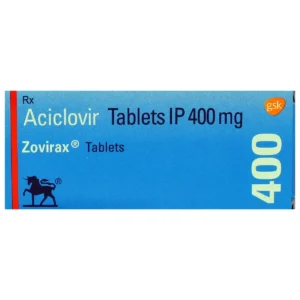
Zovirax 400 Mg (Acyclovir)
Active Ingredient Acyclovir Manufacturer GlaxoSmithKline Pharmaceuticals Ltd Packaging 5 tablets in 1 strip, 10 tablets in 1 strip Strength 200mg, 400mg, 800mg Delivery Time 6 To 15 days SKU: Zovirax 400mg (Acyclovir) Price range: $31.50 through $174.00Zovirax 400 Mg (Acyclovir)
Price range: $31.50 through $174.00 -
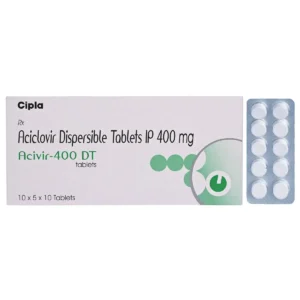
Aciclovir 400 Mg (Acyclovir)
Active Ingredient Acyclovir Manufacturer Healing Pharma, India Packaging 10 Tablets in Strip Strength 400mg Delivery Time 6 To 15 days SKU: Aciclovir 400 Mg (Acyclovir) Price range: $34.00 through $90.00Aciclovir 400 Mg (Acyclovir)
Price range: $34.00 through $90.00