
Ivermectin: Comprehensive Category Guide:-
Category Overview:-
Ivermectin is an antiparasitic medication that has been used in medical practice for several decades. Originally developed to treat parasitic infections, this medicine belongs to a class of drugs known as anthelmintics. Healthcare providers prescribe ivermectin primarily to eliminate certain parasitic worms and external parasites that can affect human health.
This medication is available in different formulations and strengths, depending on the specific condition being treated. Ivermectin works by targeting the nervous system of parasites, leading to their paralysis and eventual elimination from the body. While it has established uses in treating specific parasitic conditions, ivermectin should only be used under proper medical supervision and for approved indications.
Understanding when and how ivermectin is appropriately used helps patients make informed decisions in consultation with their healthcare providers.
Conditions Treated:-
Ivermectin is primarily prescribed for parasitic infections that affect humans. Healthcare providers may recommend this medication for the following conditions:
Intestinal Strongyloidiasis: A parasitic infection caused by the roundworm Strongyloides stercoralis, which affects the intestinal tract and can cause digestive symptoms.
Onchocerciasis (River Blindness): A parasitic disease caused by the worm Onchocerca volvulus, transmitted through blackfly bites, which can affect the skin and eyes.
Head Lice: External parasitic infestation of the scalp, where topical formulations may be used as part of treatment protocols.
Scabies: A skin condition caused by the mite Sarcoptes scabiei, which burrows into the skin, causing intense itching and rash.
Other Parasitic Conditions: In certain cases, doctors may prescribe ivermectin for other parasitic infections based on clinical judgment and established medical guidelines.
It’s important to note that proper diagnosis by a healthcare professional is essential before starting any treatment, as symptoms of parasitic infections can sometimes resemble other medical conditions.
Types of Medicines in This Category:-
Ivermectin is available in several formulations designed for different routes of administration and specific conditions:
Oral Tablets-
The most common form is available in various strengths (typically 3mg, 6mg, or 12mg). Oral tablets are generally prescribed for systemic parasitic infections affecting internal organs or widespread areas of the body.
Topical Creams and Lotions-
These formulations are applied directly to the skin and are commonly used for conditions like head lice, rosacea, or scabies. Topical preparations allow for localized treatment with reduced systemic absorption.
Liquid Oral Solutions-
Some formulations come in liquid form, which may be easier to dose accurately for specific patient populations or when precise dosing adjustments are needed.
The choice of formulation depends on the condition being treated, the severity of infection, patient age, weight, and other individual factors that your healthcare provider will assess.
How These Medicines Work?
Ivermectin functions by interfering with the nervous and muscular systems of parasites. Here’s a simplified explanation of its mechanism:
Targeting Parasite Neurons: Ivermectin binds to specific channels in the nerve and muscle cells of parasites. These channels are important for normal parasite function but are structured differently from similar channels in humans.
Causing Paralysis: By affecting these channels, ivermectin increases the flow of certain signals within parasite cells, leading to paralysis of the parasite. This prevents the parasite from feeding, moving, or reproducing.
Elimination from the Body: Once paralyzed, parasites can no longer maintain their position in or on the body and are naturally eliminated through the body’s normal processes.
Selective Action: The medication is designed to affect parasite cells preferentially while having minimal impact on human cells under normal therapeutic dosing, which contributes to its safety profile when used appropriately.
The time it takes for ivermectin to work varies depending on the type and severity of infection, with some conditions requiring multiple doses over time.
Who May Benefit From This Category?
Ivermectin may be prescribed for patients who have been diagnosed with specific parasitic infections. Healthcare providers determine suitability based on several factors:
Confirmed Parasitic Diagnosis: Patients with laboratory-confirmed or clinically diagnosed parasitic infections that respond to ivermectin therapy.
Adults and Children: Depending on the formulation and indication, ivermectin can be prescribed for different age groups, though dosing varies significantly based on body weight and age.
Travelers and Those in Endemic Areas: Individuals who have traveled to or live in regions where certain parasitic infections are common may benefit from treatment if they develop symptoms.
Immunocompromised Patients: In some cases, people with weakened immune systems who are more susceptible to severe parasitic infections may require treatment.
Public Health Programs: Ivermectin is sometimes used in mass drug administration programs in certain regions to prevent and control specific parasitic diseases at a community level.
Not everyone with suspected parasitic symptoms requires ivermectin. Your doctor will conduct appropriate diagnostic tests and consider your complete medical history before prescribing this medication.
Important Safety Information:-
While ivermectin has an established safety profile when used appropriately, there are important considerations:
Who Should Exercise Caution?
Pregnant or breastfeeding women: The safety of ivermectin during pregnancy and lactation requires careful medical evaluation
Young children: Particularly those under 15 kg (approximately 33 pounds), dosing must be carefully calculated
Patients with liver disease: Liver function may affect how the medication is processed
Those taking certain other medications: Drug interactions can occur with some medications
Individuals with weakened immune systems: Monitoring may be more intensive
General Safety Principles:-
Proper Diagnosis Required: Never use ivermectin without a confirmed diagnosis from a healthcare provider. Self-diagnosis of parasitic infections is unreliable and potentially dangerous.
Dosing Precision: Ivermectin dosing is typically based on body weight and requires accurate calculation. Improper dosing can reduce effectiveness or increase the risk of side effects.
Source Matters: Only use pharmaceutical-grade ivermectin intended for human use. Veterinary formulations are not appropriate for humans and can cause serious harm.
Not for Prevention Without Medical Guidance: Using ivermectin preventively should only be done under specific medical advice, such as in established public health programs.
When to Seek Immediate Medical Attention-
Contact emergency services if you experience severe allergic reactions, significant changes in vision, severe confusion, loss of consciousness, or seizures after taking ivermectin.
Usage Guidance (General):-
The appropriate use of ivermectin varies significantly depending on the specific condition being treated:
Dosing Principles-
Weight-Based Calculation: Ivermectin dosing is typically calculated based on body weight, usually expressed as micrograms per kilogram (mcg/kg). Your healthcare provider will determine the exact dose needed.
Timing Considerations: Most formulations are taken on an empty stomach with water, though specific instructions may vary. Your pharmacist will provide detailed directions.
Single vs. Multiple Doses: Some conditions require only a single dose, while others need multiple doses spaced weeks apart or repeated treatments over time.
Duration of Treatment: The length of treatment depends on the type of infection, severity, and individual response. Always complete the full prescribed course.
Application Guidelines for Topical Forms-
For cream or lotion formulations, apply to clean, dry skin as directed. The amount and frequency depend on the condition and specific product. Avoid contact with eyes and mucous membranes unless specifically directed.
Important Reminders-
Never adjust your dose without consulting your healthcare provider. Taking more than prescribed does not improve effectiveness and increases the risk of adverse effects. Similarly, stopping treatment early may result in treatment failure or recurrence of infection.
Side Effects & Risks (General Overview):-
Like all medications, ivermectin can cause side effects, though not everyone experiences them. Understanding possible reactions helps you monitor your health during treatment.
Common Side Effects-
These effects are generally mild and temporary:
– Dizziness or lightheadedness
– Nausea or mild stomach discomfort
– Diarrhea
– Fatigue or tiredness
– Loss of appetite
– Mild skin itching or rash
– Muscle or joint pain
Condition-Specific Reactions-
When treating certain parasitic infections, especially onchocerciasis, patients may experience a reaction known as the Mazzotti reaction. This occurs as the body responds to dying parasites and can include temporary worsening of itching, rash, fever, and swollen lymph nodes. Your doctor will inform you if this is a possibility and how to manage it.
Serious Side Effects (Less Common)-
Contact your healthcare provider promptly if you experience:
– Severe skin reactions or widespread rash
– Eye pain, redness, or vision changes
– Severe dizziness or fainting
– Confusion or altered mental state
– Unusual bruising or bleeding
– Severe abdominal pain
– Difficulty breathing or chest pain
– Rapid or irregular heartbeat
Allergic Reactions-
Although rare, allergic reactions can occur. Seek immediate medical help if you develop hives, severe itching, swelling of the face or throat, or difficulty breathing.
Drug Interactions-
Ivermectin may interact with blood thinners, certain seizure medications, and other drugs. Always inform your healthcare provider about all medications, supplements, and herbal products you take.
Choosing the Right Medicine:-
Selecting appropriate treatment for parasitic infections requires professional medical assessment:
The Role of Your Healthcare Provider-
Accurate Diagnosis: Your doctor will perform or order appropriate diagnostic tests to confirm the presence and type of parasitic infection. This may include stool samples, blood tests, skin scrapings, or other examinations.
Treatment Planning: Based on the diagnosis, your healthcare provider will determine whether ivermectin is the most appropriate treatment, which formulation to use, and the optimal dosing schedule.
Individual Considerations: Your medical history, current medications, allergies, pregnancy status, and other health conditions all influence treatment decisions.
The Pharmacist’s Role-
Your pharmacist can:
– Explain how to take or apply your medication properly
– Clarify timing and food interactions
– Discuss potential side effects to watch for
– Check for drug interactions with your other medications
– Answer questions about storage and handling
Why Self-Selection Is Not Appropriate-
Parasitic infections can be challenging to diagnose accurately without medical testing. Symptoms often overlap with other conditions, and using ivermectin without proper diagnosis can:
– Delay appropriate treatment for the actual condition
– Exposes you to unnecessary medication risks
– Result in inadequate treatment if dosing is incorrect
– Lead to medication waste and expense
Questions to Ask Your Healthcare Provider-
When prescribed ivermectin, consider asking:
– Why is this the best treatment option for my condition?
– How long will it take to see improvement?
– What symptoms should improve, and when?
– What side effects should I watch for?
– When should I follow up?
– Are there any activities or foods I should avoid?
Storage & Handling Advice:-
Proper storage of ivermectin ensures the medication remains effective and safe:
General Storage Guidelines-
Temperature: Store at room temperature, typically between 20-25°C (68-77°F). Avoid exposure to extreme heat or cold.
Moisture Protection: Keep ivermectin in its original container with the lid tightly closed. Protect from moisture and humidity. Do not store in bathrooms.
Light Protection: Store away from direct sunlight and bright artificial light, which can degrade certain medications.
Original Packaging: Keep medication in its original labeled container for proper identification and to preserve product information.
Safety Measures-
Child Safety: Store all medications out of reach and sight of children. Consider using locked storage for added security.
Pet Safety: Keep ivermectin away from pets. Even though veterinary ivermectin exists, human formulations may not be appropriate for animals.
Separation: Store medications away from household chemicals, cleaning products, and food items to prevent contamination or accidental ingestion.
Disposal Guidelines-
Expired Medication: Check expiration dates regularly. Do not use ivermectin past its expiration date.
Safe Disposal: Do not flush medications down the toilet or pour them down drains unless specifically instructed. Check for medication take-back programs in your community, or ask your pharmacist about proper disposal methods.
Container Disposal: Remove or obscure personal information from medication containers before discarding them.
Travel Considerations-
If traveling with ivermectin:
– Keep medication in original labeled containers
– Carry prescription information
– Protect from temperature extremes during transit
– Check regulations for medications in your destination country
Frequently Asked Questions?
How quickly does ivermectin work?
The timeline varies by condition. For some parasitic infections, you may notice improvement within a few days, though it can take weeks for complete parasite elimination. Some conditions require follow-up testing to confirm treatment success. Your healthcare provider will explain what to expect for your specific situation.
Can I take ivermectin if I’m pregnant or breastfeeding?
Ivermectin should only be used during pregnancy or breastfeeding when the potential benefits outweigh the risks, and this decision must be made by your healthcare provider. Limited data exists on safety during pregnancy, so alternative treatments may be considered when possible. Always inform your doctor if you are pregnant, planning pregnancy, or breastfeeding.
Is ivermectin safe for children?
Ivermectin can be prescribed for children, but safety and dosing depend on the child’s weight and age. Very young children and those under certain weight thresholds may require special consideration. Pediatric dosing must be calculated carefully by a healthcare professional.
What should I do if I miss a dose?
If you miss a dose of ivermectin, contact your healthcare provider or pharmacist for guidance. Do not double the dose to make up for a missed one. Depending on your treatment schedule and the time elapsed, you may be advised to take the missed dose or skip it entirely.
Medical Disclaimer:-
Important Notice: The information provided in this category guide is intended for general educational purposes only and should not be considered medical advice, diagnosis, or treatment recommendations.
Professional Consultation Required: Always consult with a qualified healthcare provider before starting, stopping, or changing any medication regimen. Only a licensed healthcare professional can assess your individual medical condition, review your complete health history, and prescribe appropriate treatment.
Not a Substitute for Medical Care: This content does not replace the expertise, knowledge, and judgment of healthcare professionals. Do not use this information to diagnose or treat any health condition without proper medical supervision.
Accuracy and Currency: While efforts have been made to ensure accuracy, medical information evolves continuously. Treatment guidelines, safety information, and approved uses may change over time. Consult current prescribing information and your healthcare provider for the most up-to-date guidance.
Individual Results Vary: Every patient’s situation is unique. The information presented here represents general guidance and may not apply to your specific circumstances, concurrent medical conditions, or medication interactions.
Emergency Situations: If you experience a medical emergency, call emergency services immediately. Do not rely on online information in urgent situations.
No Guarantee of Outcomes: No treatment outcome is guaranteed. The effectiveness and safety of any medication depend on multiple factors, including proper diagnosis, appropriate use, individual patient characteristics, and adherence to medical advice.
Regulatory Compliance: Use medications only as prescribed by licensed healthcare providers and obtained from legitimate, licensed pharmacy sources. This pharmacy operates in compliance with applicable healthcare regulations and dispensing requirements.
By using this information, you acknowledge that you understand these limitations and will seek appropriate professional medical advice for any health concerns or treatment decisions.
-
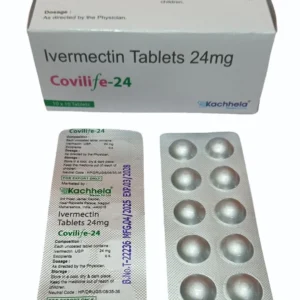
Covilife 24 mg (Ivermectin)
Active-Ingredient Ivermectin Manufacturers Kachhela Medex Private Limited Packaging 10 Tablets in a strip Strength 24mg, 40mg Delivery-Time 8 to 15 days Price range: $200.00 through $720.00Covilife 24 mg (Ivermectin)
Price range: $200.00 through $720.00 -
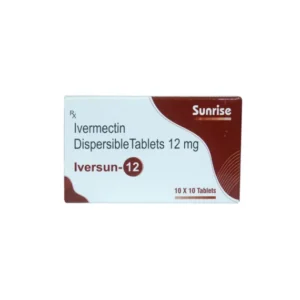
Iversun 12 mg (Ivermectin)
Active Ingredient (Generic Name) Ivermectin Indication Scabies, Filariasis Manufacturer Sunrise Remedies Pvt Ltd Packaging 10 Tablets in 1 Strip Strength 12MG Delivery Time 8 to 15 days Price range: $150.00 through $510.00Iversun 12 mg (Ivermectin)
Price range: $150.00 through $510.00 -
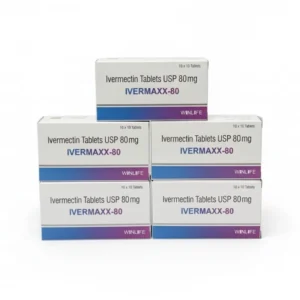
Ivermaxx 80 mg (Ivermectin)
Active Ingredient: Ivermectin Indication: Parasitic infections, Anti-Worm Manufacturer: Winlife Pharma Packaging: 10 tablets in 1 strip Strength: 80 mg Delivery Time: 8 to 15 days Price range: $200.00 through $600.00Ivermaxx 80 mg (Ivermectin)
Price range: $200.00 through $600.00 -
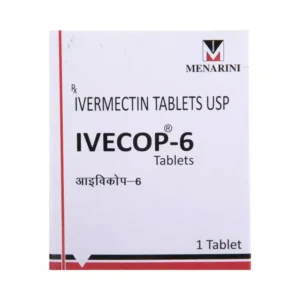
Ivecop (Ivermectin)
Active Ingredient: Ivermectin Indication: Scabies, Filariasis Manufacturer: Menarini India Pvt Ltd Packaging: 1 Tablet in 1 strip, 3mg, 6mg, 9mg Delivery Time: 12 to 15 days Price range: $40.00 through $130.00Ivecop (Ivermectin)
Price range: $40.00 through $130.00 -
IVERMECTIN
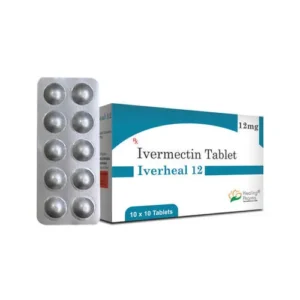
Generic Name: Ivermectin Manufacturer: Menarini India Pvt Ltd Packaging: 1 Tablet in 1 strip Strength: 6mg/12mg Delivery Time: 6 To 15 days SKU: Ivermectin Price range: $16.00 through $99.00IVERMECTIN
Price range: $16.00 through $99.00