
Migraine Medicines: Understanding Your Treatment Options:-
Category Overview:-
Migraine medicines represent a diverse group of treatments designed to help manage one of the most common neurological conditions affecting millions of people worldwide. These medications serve two primary purposes: stopping migraine attacks once they begin (acute treatment) and preventing future episodes from occurring (preventive treatment).
Healthcare providers prescribe migraine medications based on the frequency, severity, and specific characteristics of a patient’s migraine patterns. The goal is not simply to mask pain, but to restore normal function and improve quality of life while minimizing the impact of migraine attacks on daily activities.
Modern migraine treatment has evolved significantly, offering patients multiple therapeutic approaches that work through different mechanisms in the body. A doctor’s selection of appropriate treatment depends on individual patient factors, including medical history, concurrent health conditions, and response to previous therapies.
Conditions Treated:-
Medicines in this category are primarily used to manage migraine headaches, which are characterized by moderate to severe throbbing pain, typically affecting one side of the head. Migraine attacks often occur alongside other symptoms that can significantly impact daily functioning.
These medications help address:
Primary symptoms:
– Intense, pulsating headache pain
– Sensitivity to light (photophobia) and sound (phonophobia)
– Nausea and vomiting
– Visual disturbances, known as an aura, in some patients
Related concerns:
– Chronic migraine patterns (15 or more headache days per month)
– Episodic migraine attacks
– Menstrual-related migraine episodes
– Migraine-associated disability and functional impairment
It’s important to understand that these medicines treat migraine specifically, not general headaches or other types of head pain. Accurate diagnosis by a healthcare provider is essential before beginning any migraine treatment regimen.
Types of Medicines in This Category:-
Migraine medications are organized into several distinct classes based on their intended use and mechanism of action:
Acute Treatment Medicines (Abortive Therapy)-
These medications are taken at the onset of a migraine attack to stop or reduce symptoms:
Triptans – A specialized class designed specifically for migraine, working to reverse the changes in the brain that cause attacks
NSAIDs and Analgesics – Pain-relieving medications that reduce inflammation and block pain signals
Anti-nausea Medications – Treatments that address the gastrointestinal symptoms accompanying migraine
CGRP Receptor Antagonists (Gepants) – Newer oral medications that block specific migraine pathways
Preventive Treatment Medicines (Prophylactic Therapy)-
These medications are taken regularly to reduce the frequency and severity of migraine attacks:
Beta-Blockers – Originally developed for heart conditions, proven effective in migraine prevention
Anticonvulsants – Medications that stabilize nerve activity in the brain
Antidepressants – Certain classes help prevent migraine through effects on brain chemicals
CGRP Monoclonal Antibodies – Injectable medications specifically developed for migraine prevention
Botulinum Toxin Injections – Approved for chronic migraine prevention through targeted muscle treatment
The appropriate type of medication depends on factors such as attack frequency, symptom severity, medication tolerability, and individual patient response patterns.
How These Medicines Work?
Migraine medications function through various biological mechanisms, targeting different aspects of the migraine process:
Acute Treatment Mechanisms-
Acute migraine medicines work by interrupting the cascade of events that occur during a migraine attack. Some medications constrict dilated blood vessels in the brain that contribute to throbbing pain. Others block pain pathways that transmit signals between the brain and nervous system.
Triptans, for example, activate specific serotonin receptors in the brain, which helps normalize blood vessel function and blocks the release of inflammatory substances. Newer CGRP antagonists prevent a specific protein (calcitonin gene-related peptide) from binding to its receptors, thereby blocking pain signal transmission.
Anti-inflammatory medications reduce the production of prostaglandins, substances that promote inflammation and sensitize pain receptors throughout the body.
Preventive Treatment Mechanisms-
Preventive medications work by modifying the brain’s baseline excitability and sensitivity to migraine triggers. Rather than treating individual attacks, these medicines adjust neurochemical balance over time to make the brain less susceptible to developing migraine episodes.
Some preventive treatments stabilize electrical activity across nerve cells, while others modify levels of neurotransmitters like serotonin and norepinephrine. The newest preventive options specifically block CGRP, a protein that plays a central role in transmitting migraine pain signals.
These treatments require consistent daily use and typically take several weeks to demonstrate their full preventive effect.
Who May Benefit From This Category?
Migraine medications may be appropriate for individuals who have received a confirmed migraine diagnosis from a healthcare provider. The decision to prescribe migraine treatment depends on multiple factors that a doctor carefully evaluates.
Candidates for Acute Treatment-
Patients experiencing migraine attacks that interfere with daily functioning may benefit from acute treatment options. This includes individuals whose attacks:
– Causes significant pain and disability
– Do not adequately respond to over-the-counter pain relievers
– Occur with debilitating associated symptoms
– Prevent normal work, school, or family activities
Candidates for Preventive Treatment-
Healthcare providers typically consider preventive therapy for patients who:
– Experience four or more migraine days per month
– Have attacks that cause substantial disability despite acute treatment
– Cannot tolerate or have contraindications to acute medications
– Experience very long-duration or complicated migraine attacks
– Have specific migraine patterns such as hemiplegic migraine or migraine with prolonged aura
Preventive treatment may also be recommended for individuals who prefer to reduce attack frequency rather than treating each episode as it occurs.
Not everyone with occasional headaches requires prescription migraine medication. A thorough medical evaluation helps determine whether treatment is necessary and which approach is most appropriate for each individual.
Important Safety Information:-
Migraine medications require careful medical supervision due to potential risks and contraindications that vary by medication type.
General Precautions-
Patients should inform their healthcare provider about:
– All current medications, including over-the-counter products and supplements
– Existing medical conditions, particularly cardiovascular disease, liver or kidney problems, and psychiatric conditions
– History of stroke, heart attack, or circulation problems
– Pregnancy, planned pregnancy, or breastfeeding status
– Previous adverse reactions to migraine medications
Medication Overuse Considerations-
A significant concern with frequent acute migraine treatment is medication overuse headache (rebound headache). Using acute migraine medications too frequently—typically more than 10 days per month—can paradoxically increase headache frequency and transform episodic migraine into a chronic daily pattern. Healthcare providers monitor usage carefully to prevent this complication.
Specific Contraindications-
Certain migraine medications are not suitable for patients with specific health conditions:
– Some triptans are contraindicated in patients with cardiovascular disease or uncontrolled hypertension
– Certain preventive medications require monitoring of liver function or blood counts
– Several migraine treatments may interact with other medications, including some antidepressants
When to Seek Immediate Medical Attention?
Patients should seek emergency care if they experience:
– Sudden, severe headache unlike previous migraines (“thunderclap headache”)
– Headache accompanied by fever, stiff neck, confusion, vision problems, difficulty speaking, or weakness
– Headache following head injury
– New headache pattern after age 50
– Symptoms suggesting medication side effects, such as chest pain, irregular heartbeat, or severe allergic reactions
Migraine treatment requires an ongoing partnership between patient and healthcare provider to ensure both effectiveness and safety.
Usage Guidance (General):-
Proper use of migraine medications is essential for optimal benefit and safety. Treatment approaches differ significantly between acute and preventive therapies.
Acute Treatment Guidelines-
For medications intended to stop migraine attacks:
– Take medication as early as possible when recognizing migraine onset
– Follow the specific dosing instructions provided by your prescriber
– Do not exceed the maximum recommended frequency of use
– Keep a headache diary to track medication use and effectiveness
– Avoid using acute medications for more than 10 days per month to prevent medication overuse headache
Some acute treatments work best when taken at the first sign of migraine symptoms, even before pain becomes severe. Others may be effective throughout an attack. Your healthcare provider will explain the optimal timing for your specific medication.
Preventive Treatment Guidelines-
For medications taken to reduce migraine frequency:
– Take medication daily as prescribed, even when feeling well
– Do not discontinue treatment without consulting your healthcare provider
– Allow adequate time (typically 6-12 weeks) to evaluate effectiveness
– Continue treatment even after migraine frequency decreases
– Report any side effects promptly so adjustments can be made if needed
Preventive medications require patience, as their benefits emerge gradually over weeks or months rather than immediately.
Personalized Medical Advice Required-
Dosage, frequency, and specific usage instructions vary considerably among different migraine medications and individual patient circumstances. The information provided here is general in nature and cannot replace the specific directions given by your healthcare provider or pharmacist regarding your prescribed medication.
Never adjust your medication regimen without medical guidance, even if you feel your treatment is not working as expected.
Side Effects & Risks (General Overview):-
All medications carry the potential for side effects, though not every patient experiences them. Understanding possible adverse effects helps patients make informed decisions and recognize when medical consultation is needed.
Common Side Effects-
Many migraine medications produce mild, temporary side effects that often diminish as the body adjusts to treatment:
Acute medications may cause:
– Tingling sensations or numbness
– Dizziness or drowsiness
– Nausea or digestive upset
– Feeling of warmth or flushing
– Dry mouth
– Temporary weakness or fatigue
Preventive medications may cause:
– Weight changes
– Fatigue or drowsiness
– Cognitive effects such as difficulty concentrating or memory issues
– Mood changes
– Injection site reactions (for injectable treatments)
– Digestive disturbances
Serious Side Effects-
While uncommon, certain side effects require immediate medical attention:
– Chest pain, pressure, or tightness
– Severe abdominal pain
– Changes in vision or speech
– Severe allergic reactions (difficulty breathing, swelling, severe rash)
– Signs of stroke or heart attack
– Severe mood changes or suicidal thoughts
– Serotonin syndrome symptoms (with certain medication combinations)
Individual Variation-
Side effect experiences vary significantly among individuals. Some patients tolerate certain medications very well, while others may experience unacceptable effects. This variability is one reason why migraine treatment often requires a trial of different options to find the most suitable medication for each patient.
Your healthcare provider can discuss the specific side effect profile of your prescribed medication and help you understand what to expect and what warrants concern.
Choosing the Right Medicine:-
Selecting appropriate migraine treatment is a collaborative decision between the patient and healthcare provider based on multiple clinical factors.
Factors Influencing Treatment Selection-
Healthcare providers consider numerous elements when recommending migraine medication:
Clinical characteristics:
– Frequency and severity of attacks
– Duration of typical migraine episodes
– Presence of aura or other specific symptoms
– Impact on daily functioning and quality of life
– Response to previous treatments
Patient-specific factors:
– Age and general health status
– Concurrent medical conditions
– Current medications and potential interactions
– History of cardiovascular disease or risk factors
– Pregnancy status or family planning
– Lifestyle considerations and treatment preferences
Treatment goals:
– Stopping individual attacks versus preventing future episodes
– Reducing disability and restoring function
– Minimizing side effects
– Improving overall quality of life
Trial and Adjustment Process-
Finding the most effective migraine treatment often involves a systematic approach:
1. Initial treatment selection based on clinical assessment
2. Trial period with careful monitoring of response and tolerability
3. Adjustment of dosage or medication type if results are suboptimal
4. Combination approaches when single medications prove insufficient
5. Ongoing reassessment as migraine patterns evolve
This process requires patience and open communication between the patient and provider.
Self-Selection Is Not Recommended-
Migraine medications vary significantly in their mechanisms, contraindications, and appropriate use patterns. What works well for one person may be inappropriate or ineffective for another. Professional medical evaluation ensures that treatment selection accounts for your complete health profile and specific migraine characteristics.
Online pharmacies provide convenient access to prescribed medications,s but cannot replace the diagnostic and treatment planning role of healthcare providers. Always obtain a proper medical evaluation before beginning migraine treatment.
Storage & Handling Advice:-
Proper storage and handling of migraine medications ensures their effectiveness and safety throughout their shelf life.
General Storage Guidelines-
Most oral migraine medications should be stored:
– At room temperature (typically 20-25°C or 68-77°F)
– In a dry location away from moisture and humidity
– Protected from direct sunlight and heat sources
– In their original containers with intact labels
– Out of reach of children and pets
Avoid storing medications in bathrooms or kitchens where humidity and temperature fluctuations are common.
Special Storage Considerations-
Some migraine medications require specific storage conditions:
Injectable medications such as CGRP antibodies or sumatriptan auto-injectors may require refrigeration or protection from freezing. Always check specific storage instructions provided with your medication.
Nasal sprays should be stored upright and protected from extreme temperatures.
Medications sensitive to light should remain in amber-colored bottles or original packaging.
Safe Medication Handling-
Follow these practices for safe medication management:
– Check expiration dates regularly and dispose of expired medications appropriately
– Never share prescription medications with others, even if they have similar symptoms
– Keep medications in labeled containers to prevent confusion
– Transport medications carefully when traveling, protecting them from temperature extremes
– Maintain a current list of all medications for emergencies
Disposal of Unused Medications-
Do not dispose of medications in household trash or flush them down toilets unless specifically instructed. Many communities offer medication take-back programs or designated disposal locations. Your pharmacist can provide guidance on safe disposal methods in your area.
Proper storage and handling practices maintain medication quality and prevent accidental exposure or misuse.
Frequently Asked Questions?
How quickly do migraine medications work?
The onset of action varies by medication type and form. Acute migraine treatments typically begin working within 30 minutes to 2 hours when taken early in an attack. Injectable and nasal spray formulations often work faster than oral tablets. Preventive medications, however, require several weeks of consistent daily use before their full effect becomes apparent. Your healthcare provider can explain the expected timeline for your specific medication.
Can I take migraine medication during pregnancy?
Migraine management during pregnancy requires special consideration, as some medications carry risks to the developing baby while others are considered relatively safe. Many women experience changes in migraine patterns during pregnancy, with some finding improvement. Never start, stop, or change migraine medications during pregnancy without consulting your healthcare provider. They can recommend the safest approach for both you and your baby while managing your migraine symptoms.
What’s the difference between acute and preventive migraine treatment?
Acute (abortive) treatments are taken when a migraine attack begins, to stop or reduce symptoms of that specific episode. Preventive (prophylactic) treatments are taken daily, regardless of whether you have a migraine, to reduce the frequency, severity, and duration of future attacks. Some patients use only acute treatment, some use only preventive treatment, and others benefit from a combination of both approaches. Your healthcare provider will recommend the most appropriate strategy based on your migraine pattern.
Why isn’t my migraine medication working anymore?
Several factors can affect medication effectiveness over time. Medication overuse can lead to decreased effectiveness and rebound headaches. Changes in migraine patterns, new triggers, or developing health conditions may also reduce treatment response. Some patients experience tolerance to certain medications with long-term use. If your medication seems less effective, consult your healthcare provider rather than increasing the dose on your own. They can assess the situation and adjust your treatment plan accordingly.
Medical Disclaimer:-
Important Notice Regarding This Educational Content
The information provided on this page is intended solely for general educational purposes and should not be considered medical advice, diagnosis, or treatment recommendation. This content describes migraine medications as a category and does not replace consultation with qualified healthcare professionals.
This information does NOT constitute:
– A doctor-patient relationship
– Personalized medical advice for your specific situation
– A recommendation to use any particular medication
– A substitute for professional medical diagnosis or treatment
– Complete information about any specific medication’s risks or benefits
Essential actions you must take:
– Consult a licensed healthcare provider before starting, stopping, or changing any medication
– Obtain a proper medical diagnosis before using migraine medications
– Disclose your complete medical history and current medications to your healthcare provider
– Follow the specific instructions provided by your prescriber and pharmacist
– Seek immediate medical attention for severe symptoms or medication adverse effects
Accuracy and currency limitations:
While we strive for accuracy, medical knowledge evolves continuously. Treatment guidelines, medication availability, and safety information may change. This content reflects general information and may not include the most recent developments in migraine treatment. Always verify information with current medical literature or your healthcare provider.
Individual variation:
Every patient’s medical situation is unique. Information that applies generally to migraine medications may not apply to your specific circumstances. Dosing, safety considerations, contraindications, and treatment effectiveness vary significantly among individuals.
Liability disclaimer:
Neither this online pharmacy nor its content providers assume responsibility for adverse outcomes resulting from use or misuse of this information. Users assume full responsibility for consulting qualified healthcare professionals regarding their medical care.
Prescription requirement:
Many migraine medications require a valid prescription from a licensed healthcare provider. Online pharmacies must verify prescriptions before dispensing medication. Never purchase prescription medications without proper medical authorization.
If you have specific questions about migraine treatment, diagnosis, or management, please consult your physician, neurologist, or qualified healthcare provider who can evaluate your individual medical needs and provide personalized guidance.
-
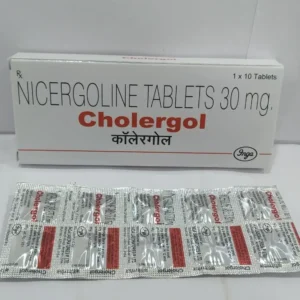
Cholergol 30 Mg (Nicergoline)
Active Ingredient Nicergoline Manufacturer Inga Laboratories Pvt Ltd Packaging 10 Tablets in Strip Strength 30 Mg Delivery Time 6 to 15 days SKU: Cholergol 30 Mg (Nicergoline) Price range: $116.00 through $340.00Cholergol 30 Mg (Nicergoline)
Price range: $116.00 through $340.00