Multiple Myeloma Treatment Medicines: Patient Education Guide:-
Category Overview:-
Multiple myeloma is a type of blood cancer that affects plasma cells in the bone marrow. The medicines in this category are specialized treatments prescribed by oncologists and hematologists to manage this condition. These medications work through various mechanisms to slow disease progression, control symptoms, and improve quality of life for patients diagnosed with multiple myeloma.
Treatment approaches have evolved significantly, offering patients more options than ever before. However, all medicines in this category require a prescription, careful medical supervision, and regular monitoring due to their potent effects and the complex nature of the disease they treat.
Conditions Treated:-
Medicines in this category are specifically prescribed for:
Multiple Myeloma (Active Disease)
These treatments are used when patients have been diagnosed with active multiple myeloma that requires therapeutic intervention. Doctors determine treatment timing based on specific disease markers and symptoms.
Relapsed or Refractory Multiple Myeloma
When the disease returns after initial treatment or doesn’t respond to standard therapies, specialized medicines in this category may be prescribed as part of adjusted treatment plans.
Maintenance Therapy
Following initial treatment success, some medicines are used in lower doses or different schedules to help maintain remission and prevent disease progression.
The decision to use these medicines depends on numerous factors, including disease stage, genetic markers, previous treatments, overall health status, and individual patient circumstances. Only qualified oncology specialists can diagnose multiple myeloma and determine appropriate treatment.
Types of Medicines in This Category:-
Multiple myeloma treatments encompass several distinct therapeutic approaches:
Immunomodulatory Drugs (IMiDs)-
These medicines work by modifying the immune system function to target cancer cells. They are often given as oral capsules and may be used alone or combined with other treatments.
Proteasome Inhibitors-
This class interferes with protein breakdown processes in cancer cells. These medicines may be administered as injections or intravenously, depending on the specific medication.
Monoclonal Antibodies-
These are laboratory-made proteins designed to attach to specific targets on myeloma cells. They are typically given through intravenous infusion in clinical settings.
Corticosteroids-
While not exclusive to myeloma treatment, these medicines play an important supporting role and are frequently combined with other therapies to enhance effectiveness.
Chemotherapy Agents-
Traditional chemotherapy remains relevant in certain treatment protocols, particularly for specific patient populations or disease presentations.
Targeted Therapy Agents
Newer medicines that target specific molecular pathways involved in myeloma cell growth and survival represent evolving treatment options.
Your oncologist will recommend specific combinations and sequences based on your individual diagnosis and treatment goals.
How These Medicines Work?
Multiple myeloma treatments employ different strategies to combat cancer cells:
Immune System Modulation
Some medicines strengthen the body’s natural immune response against myeloma cells or change how immune cells recognize and destroy cancer cells.
Cell Death Promotion
Certain treatments interfere with processes that cancer cells need to survive, ultimately triggering their destruction through various cellular mechanisms.
Growth Signal Disruption
Other medicines block the signals that tell myeloma cells to multiply and spread, effectively slowing disease progression.
Protein Processing Interference
By disrupting how cells handle proteins, some treatments cause toxic protein buildup specifically in cancer cells, leading to their death.
Blood Vessel Formation Prevention
Some medicines reduce the formation of new blood vessels that tumors need to grow, essentially starving cancer cells of necessary nutrients.
These mechanisms often work better in combination, which is why doctors frequently prescribe multiple medicines together as part of a comprehensive treatment regimen.
Who May Benefit From This Category?
Multiple myeloma medicines are prescribed for specific patient populations:
Newly Diagnosed Patients
Adults who have received a confirmed multiple myeloma diagnosis from an oncology specialist and require initial systemic treatment.
Patients with Disease Progression
Individuals whose myeloma has returned after previous treatment or hasn’t responded adequately to initial therapies.
Eligible Transplant Candidates
Patients who may undergo stem cell transplantation often receive specific medicines before and after the procedure.
Maintenance Therapy Candidates
Those who have achieved remission and are eligible for ongoing preventive treatment to extend disease-free periods.
Patients with Specific Disease Characteristics
Certain medicines are particularly effective for myeloma with specific genetic markers or characteristics identified through laboratory testing.
Eligibility for these treatments depends on many factors, including age, overall health, kidney and liver function, previous treatments, and other medical conditions. Your healthcare team will conduct thorough assessments before recommending any treatment.
Important Safety Information:-
Multiple myeloma treatments require careful medical oversight due to their powerful effects:
Medical Supervision Requirements-
All medicines in this category must be prescribed and monitored by qualified oncology specialists. Regular blood tests, physical examinations, and imaging studies are essential throughout treatment.
Patients Who Should Exercise Caution-
Individuals with significant liver or kidney disease, active infections, certain blood disorders, or pregnancy should discuss these conditions with their doctor before starting treatment.
Pregnancy and Breastfeeding Considerations-
Many multiple myeloma medicines can cause serious birth defects or harm to unborn children. Effective contraception is mandatory during treatment and for specified periods afterward. Breastfeeding is typically not recommended during therapy.
Infection Risk-
These treatments often affect immune system function, increasing susceptibility to infections. Patients should promptly report fever, unusual symptoms, or exposure to contagious illnesses.
Drug Interactions-
Multiple myeloma medicines can interact with many other medications, supplements, and even some foods. Always provide your healthcare team with a complete list of everything you take.
Monitoring Requirements-
Regular laboratory testing monitors for potential complications affecting blood cells, organ function, and disease response. Never skip scheduled appointments or tests.
Never adjust doses, stop treatment, or start new medicines without consulting your oncology team, as this could compromise treatment effectiveness or safety.
Usage Guidance (General):-
Treatment with multiple myeloma medicines follows individualized protocols:
Administration Varies by Medicine Type-
Some medicines are taken as daily oral capsules at home, while others require infusions at medical facilities administered by trained healthcare professionals. Your care team will explain the specific schedule for your prescribed treatment.
Treatment Cycles and Schedules-
Multiple myeloma therapy typically follows cycles with treatment periods and rest periods. These schedules are carefully designed to maximize effectiveness while allowing your body to recover.
Combination Approaches-
Most patients receive multiple medicines simultaneously as part of a combination regimen. Each component plays a specific role in the overall treatment strategy.
Duration of Treatment-
Treatment length varies considerably based on disease response, treatment goals (curative vs. maintenance), and how well therapy is tolerated. Some patients continue treatment for months or years.
Dose Modifications-
Your doctor may adjust doses based on how your body responds, side effects experienced, or changes in your blood counts or organ function.
Adherence Importance-
Taking medicines exactly as prescribed—at the right time, in the right dose, and following all instructions—is critical for treatment success.
Your healthcare team will provide detailed instructions specific to your prescribed regimen. Always ask questions if any aspect of your treatment plan is unclear.
Side Effects & Risks (General Overview):-
Multiple myeloma treatments can cause various side effects, though individual experiences differ significantly:
Common Side Effects-
Patients may experience fatigue, nausea, diarrhea or constipation, decreased appetite, changes in blood cell counts, increased infection risk, peripheral neuropathy (numbness or tingling in hands and feet), and muscle weakness or cramps.
Serious Risks Requiring Immediate Medical Attention-
Seek urgent medical care for signs of infection (fever, chills, persistent cough), unusual bleeding or bruising, severe diarrhea or dehydration, difficulty breathing, chest pain, severe muscle pain or weakness, confusion or difficulty thinking clearly, or allergic reactions during infusions.
Blood-Related Effects-
These medicines often affect blood cell production, potentially causing anemia (low red blood cells), thrombocytopenia (low platelets), or neutropenia (low white blood cells). Regular blood tests monitor these parameters.
Long-Term Considerations-
Some treatments may carry risks of secondary cancers, permanent nerve damage, or effects on fertility. Your doctor will discuss these risks relative to treatment benefits.
Quality of Life Impacts-
Side effects can affect daily activities, work, and overall well-being. Supportive care measures and symptom management strategies are important components of comprehensive treatment.
Not everyone experiences all side effects, and many can be managed with supportive medications or dose adjustments. Open communication with your healthcare team about side effects helps optimize your treatment experience.
Choosing the Right Medicine:-
Selecting appropriate multiple myeloma treatment is a complex medical decision:
Factors Oncologists Consider-
Disease Characteristics
The specific type of myeloma, genetic markers, disease stage, and rate of progression all influence treatment selection.
Previous Treatment History
For relapsed disease, medicines used previously and how well they worked guide subsequent choices.
Patient-Specific Factors
Age, overall health, kidney and liver function, other medical conditions, and individual preferences all factor into decision-making.
Treatment Goals
Whether the aim is achieving remission, controlling disease, maintaining response, or managing symptoms affects medicine selection.
Transplant Eligibility
Plans regarding stem cell transplantation significantly impact initial treatment choices.
The Decision-Making Process-
Your oncology team will explain recommended options, expected benefits, potential risks, and alternative approaches. This shared decision-making process ensures treatment aligns with your values and circumstances.
Never attempt to self-select medicines or change treatments without consulting your oncologist. Multiple myeloma requires expert management, and inappropriate treatment changes could allow disease progression or cause serious complications.
Storage & Handling Advice:-
Proper storage and handling of multiple myeloma medicines is essential:
General Storage Guidelines-
Most oral medications should be stored at room temperature away from excessive heat, moisture, and direct sunlight. Some medicines require refrigeration—follow specifthe ic instructions provided with your prescription.
Safety Precautions-
Keep all medicines in original containers with labels intact. Store securely away from children and pets. Some treatments are considered hazardous substances requiring special handling precautions.
Handling Recommendations-
If you handle chemotherapy tablets or capsules at home, consider wearing disposable gloves. Wash your hands thoroughly after handling medicines. Never break, crush, or chew capsules unless specifically instructed.
Disposal of Unused Medicines-
Do not flush medicines down toilets or throw them in regular trash unless specifically instructed. Many pharmacies and medical facilities offer medication take-back programs for safe disposal of unused or expired medicines.
Infusion Medicines-
Medicines administered at medical facilities are stored and handled by trained professionals following strict safety protocols. Patients do not need to manage storage for these treatments.
Travel Considerations-
When traveling with oral myeloma medicines, keep them in carry-on luggage with your prescription information. Notify security personnel if required. Some medicines need temperature control during travel.
Always consult your pharmacist or healthcare team with specific questions about storing and handling your prescribed medicines.
Frequently Asked Questions (Category-Based)?
How long will I need to take multiple myeloma treatment?
Treatment duration varies significantly between patients and depends on treatment goals, disease response, and tolerability. Some patients receive intensive treatment for several months followed by maintenance therapy lasting years, while others may have different schedules. Your oncologist will establish a treatment plan tailored to your situation and adjust it based on how you respond. Regular assessments guide decisions about continuing, modifying, or stopping treatment.
Can I work while receiving multiple myeloma treatments?
Many patients continue working during treatment, though this depends on your specific job, treatment regimen, side effects experienced, and overall energy levels. Some treatments require frequent medical facility visits that may affect work schedules. Discuss your work situation with your healthcare team—they can help you understand what to expect and may guide discussions with employers. Some patients benefit from reduced hours or modified duties during intensive treatment phases.
Will these medicines cure my multiple myeloma?
While current treatments cannot typically cure multiple myeloma, they can effectively control the disease for extended periods, potentially providing years of good qualityof life. Treatment goals focus on achieving remission (when myeloma becomes undetectable), prolonging remission periods, managing symptoms, and maintaining quality of life. Some patients achieve long-lasting remissions spanning many years. Your oncologist can discuss realistic expectations based on your specific disease characteristics and treatment plan.
What should I do if I miss a dose of my oral medication?
Instructions for missed doses vary by medication. Some medicines should be taken as soon as you remember if it’s within a certain timeframe, while others require skipping the missed dose entirely. Never double up on doses without specific instructions. Contact your oncology team or pharmacist for guidance specific to your prescribed medicine. Keeping a medication diary or using reminder systems can help prevent missed doses.
Medical Disclaimer:-
This content is for educational and informational purposes only and does not constitute medical advice, diagnosis, or treatment recommendations.
Multiple myeloma is a serious medical condition requiring diagnosis and management by qualified healthcare professionals, specifically oncologists and hematologists specialized in blood cancers. The information provided describes general characteristics of medicine categories and should not be used for self-diagnosis or self-treatment.
Every patient’s situation is unique, and treatment decisions must be individualized based on comprehensive medical evaluation, diagnostic testing, disease characteristics, overall health status, and many other factors that only qualified medical professionals can properly assess.
Never start, stop, or modify prescribed treatments without consulting your oncology team. Doing so could result in disease progression, serious complications, or life-threatening situations.
If you have been diagnosed with multiple myeloma or have concerns about symptoms, please consult with qualified healthcare providers. In medical emergencies, contact emergency services immediately.
This information does not replace the patient-physician relationship or detailed discussions with your healthcare team about your specific diagnosis, treatment options, risks, benefits, and alternatives.
-
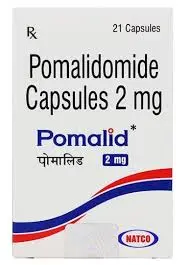
Pomalid 2 Mg (Pomalidomide)
Active Ingredient Pomalidomide Manufacturer Natco Pharma Ltd. Packaging 21 capsules in 1 strip Strength 2mg Delivery Time 6 To 15 days SKU: Pomalid 2 Mg (Pomalidomide) Price range: $248.00 through $985.00Pomalid 2 Mg (Pomalidomide)
Price range: $248.00 through $985.00