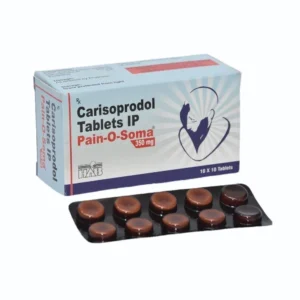
Pain Relief Medicines: Understanding Your Treatment Options:-
Category Overview:-
Pain relief medicines, also known as analgesics, represent one of the most widely used categories of medications worldwide. These treatments are prescribed or recommended by healthcare professionals to help manage discomfort ranging from mild headaches to chronic pain conditions. Pain medicines work through different mechanisms in the body, and the choice of treatment depends on the type, severity, and underlying cause of pain.
Doctors prescribe pain medications as part of comprehensive treatment plans that may also include physical therapy, lifestyle modifications, or other interventions. The goal is always to improve quality of life while minimizing risks and supporting the body’s natural healing processes.
Conditions Treated:-
Pain relief medicines are used to manage various types of discomfort and painful conditions, including:
Acute Pain Conditions:
– Headaches and migraines
– Dental pain following procedures
– Minor injuries, sprains, and strains
– Post-surgical discomfort
– Menstrual cramps
Chronic Pain Conditions:
– Arthritis and joint inflammation
– Back pain and musculoskeletal discomfort
– Nerve-related pain (neuropathic pain)
– Fibromyalgia
– Chronic headache disorders
Inflammatory Conditions:
– Rheumatoid arthritis
– Osteoarthritis
– Tendonitis and bursitis
– Other inflammatory disorders
The specific medicine prescribed depends on the nature, duration, intensity, and the patient’s overall health status.
Types of Medicines in This Category:-
Pain relief medicines can be grouped into several main categories based on how they work and their strength:
Over-the-Counter (OTC) Pain Relievers:
These medicines are available without a prescription for mild to moderate pain. They include simple analgesics and anti-inflammatory drugs that work well for everyday aches and pains.
Non-Steroidal Anti-Inflammatory Drugs (NSAIDs):
This group reduces both pain and inflammation. They’re available in both OTC and prescription strengths, depending on the formulation and dosage.
Prescription Pain Medications:
Stronger analgesics are prescribed by doctors for moderate to severe pain. These require careful medical supervision and are used when other treatments haven’t provided adequate relief.
Adjuvant Pain Medications:
Medicines originally developed for other conditions but found effective for certain types of pain, particularly nerve pain. These require a prescription and specialist guidance.
Topical Pain Relievers:
Creams, gels, or patches are applied directly to the skin over painful areas. These provide localized relief with fewer systemic effects.
Combination Medicines:
Products containing two or more active ingredients are designed to address pain through multiple mechanisms simultaneously.
How These Medicines Work?
Pain relief medicines work through various mechanisms in the body:
Blocking Pain Signals:
Many analgesics work by interfering with the production of substances called prostaglandins, which trigger pain and inflammation responses. By reducing these chemicals, the medicines help decrease pain sensation.
Affecting the Nervous System:
Some pain medications work in the brain and spinal cord, changing how pain signals are processed and perceived. This doesn’t eliminate the source of pain but makes it more manageable.
Reducing Inflammation:
Anti-inflammatory medicines target swelling and inflammation at the pain site. Since inflammation often contributes to pain, reducing it provides relief while supporting healing.
Targeting Specific Pain Pathways:
Certain medications work on specific types of pain receptors or nerve pathways, making them particularly effective for certain pain types like nerve pain.
The mechanism of action influences how quickly the medicine works, how long relief lasts, and which types of pain it treats most effectively.
Who May Benefit From This Category:-
Pain relief medicines may be appropriate for adults experiencing:
– Occasional headaches or minor aches that interfere with daily activities
– Acute pain from injuries, medical procedures, or temporary conditions
– Chronic pain conditions diagnosed and monitored by healthcare professionals
– Inflammatory conditions causing ongoing discomfort
– Post-operative pain as part of recovery care
Healthcare providers consider multiple factors before recommending pain medicines, including:
– The type and cause of pain
– Pain severity and frequency
– Patient’s medical history and current health conditions
– Other medications being taken
– Previous response to pain treatments
– Potential for dependency or misuse (with certain medications)
– Patient’s lifestyle and daily functioning needs
Pain medicines are just one tool in pain management. Doctors often recommend them alongside other approaches like physical therapy, exercise, stress management, or treating underlying conditions.
Important Safety Information:-
While pain medicines provide valuable relief, they require responsible use:
General Precautions:
– Always follow dosage instructions exactly as prescribed or as shown on the label
– Never exceed recommended doses, even if pain persists
– Inform healthcare providers about all medications and supplements you take
– Be aware that combining certain pain medicines can be dangerous
– Avoid alcohol when taking many pain medications
Who Should Exercise Caution:
Certain individuals need special consideration before using pain medicines:
– People with kidney, liver, or heart conditions
– Those with a history of stomach ulcers or bleeding disorders
– Individuals with high blood pressure
– Pregnant or breastfeeding women
– Older adults who may be more sensitive to side effects
– People with a history of substance use disorders
– Those taking blood thinners or certain other medications
When to Avoid Self-Medication:
– Severe or sudden-onset pain
– Pain accompanied by fever, confusion, or other concerning symptoms
– Pain lasting longer than expected for the condition
– When you’re unsure about the cause of pain
Long-Term Use Considerations:
Extended use of pain medicines should always be supervised by healthcare professionals. Some medications can lead to tolerance, dependence, or other complications with prolonged use. Regular medical review ensures treatment remains appropriate and effective.
Usage Guidance (General):-
Proper use of pain medicines maximizes benefits while minimizing risks:
Timing and Dosage:
Each medicine has specific instructions about when and how to take it. Some work best when taken with food, while others are more effective on an empty stomach. Your healthcare provider or pharmacist will provide guidance specific to your prescribed or recommended medicine.
Starting Treatment:
For some pain conditions, it’s more effective to take medicine at the first sign of discomfort rather than waiting until pain becomes severe. However, this approach depends on the type of medicine and pain condition.
Duration of Use:
OTC pain medicines are generally intended for short-term use. If pain persists beyond the time recommended on the packaging, consult a healthcare professional rather than continuing self-treatment.
Prescription Medicines:
Never adjust prescription pain medicine dosages without medical guidance. Don’t share prescription pain medicines with others, even if they describe similar symptoms.
Missed Doses:
If you miss a scheduled dose, follow the specific instructions provided with your medicine. Generally, don’t double up doses to compensate for missed ones.
Stopping Treatment:
Some pain medicines can be stopped abruptly, while others require a gradual reduction. Follow your healthcare provider’s guidance, especially with prescription medications.
Side Effects & Risks (General Overview):-
Like all medicines, pain relievers can cause side effects, though not everyone experiences them:
Common Side Effects:
– Stomach upset or nausea
– Drowsiness or dizziness
– Constipation (with certain types)
– Headache
– Mild skin rash
These effects are often temporary and may lessen as your body adjusts to the medicine.
More Serious Side Effects:
Some side effects require immediate medical attention:
– Severe allergic reactions (difficulty breathing, severe rash, swelling)
– Signs of stomach bleeding (black stools, vomiting blood)
– Significant changes in urination
– Chest pain or rapid heartbeat
– Severe drowsiness or confusion
– Unexplained bruising or bleeding
Long-Term Risks:
Extended use of certain pain medicines may carry additional risks:
– Stomach or intestinal problems
– Kidney or liver function changes
– Cardiovascular effects
– Dependency or tolerance (with certain medications)
Individual Variation:
People respond differently to medicines. Factors like age, overall health, other medications, and genetic differences all influence how someone experiences side effects.
Regular communication with healthcare providers helps identify and manage any side effects early, ensuring safe and effective pain management.
Choosing the Right Medicine:-
Selecting appropriate pain relief requires professional guidance:
Factors Healthcare Providers Consider:
– Type of pain (sharp, dull, burning, aching)
– Pain location and what triggers it
– How long has pain been present
– Pain intensity and its impact on daily life
– Your complete medical history
– Current medications and potential interactions
– Previous responses to pain treatments
– Any allergies or sensitivities
Why Self-Selection Has Limitations:
While some pain medicines are available without a prescription, this doesn’t mean all are appropriate for every situation. What works for one type of pain may be ineffective or unsuitable for another. Healthcare professionals have the training to match treatments to conditions effectively.
The Role of Pharmacists:
Pharmacists are valuable resources for questions about OTC pain medicines, how they interact with prescriptions, and when to seek further medical advice. They can help you understand proper use and identify warning signs.
When to See a Doctor:
Schedule a medical consultation if:
– OTC medicines aren’t providing adequate relief
– Pain is severe, persistent, or worsening
– You’re unsure about the cause of pain
– You need pain medicine regularly for more than a few days
– You experience any concerning symptoms alongside pain
The most effective pain management often involves a comprehensive approach rather than relying solely on medication.
Storage & Handling Advice:-
Proper storage ensures medicine safety and effectiveness:
General Storage Guidelines:
– Keep all medicines in their original containers with labels intact
– Store in a cool, dry place away from direct sunlight and heat
– Avoid storing in bathrooms, where humidity can affect medicines
– Keep medicines out of reach of children and pets
– Don’t store medicines in cars, where temperature fluctuations occur
Temperature Considerations:
Most pain medicines should be stored at room temperature unless otherwise specified. Check the packaging for specific storage requirements, as some formulations may have special needs.
Topical Preparations:
Creams, gels, and patches often have specific storage instructions. Keep caps tightly closed and check expiration dates regularly.
Safe Disposal:
– Never flush medicines down toilets unless specifically instructed
– Don’t throw medicines in household trash where children or pets might access them
– Use medication take-back programs when available
– Ask pharmacists about proper disposal methods
Travel Considerations:
When traveling with pain medicines:
– Keep them in original containers
– Carry prescriptions or doctor’s letters for prescription medicines
– Store in carry-on luggage when flying
– Be aware of temperature exposure during travel
Checking Expiration Dates:
Regularly review your medicine cabinet and dispose of expired medications properly. Expired medicines may lose effectiveness and, in some cases, could be harmful.
Frequently Asked Questions?
Can I take pain medicine every day?
This depends entirely on the type of pain medicine and your specific situation. OTC pain relievers are generally designed for occasional, short-term use—typically no more than a few days to a week without medical guidance. Daily or long-term use should only occur under healthcare supervision, as some pain medicines can cause complications with extended use. If you find yourself needing pain relief daily, this suggests an underlying issue that requires medical evaluation rather than ongoing self-medication.
What’s the difference between pain relief and anti-inflammatory medicine?
All anti-inflammatory medicines provide pain relief, but not all pain relievers reduce inflammation. Simple analgesics work primarily by blocking pain signals without significantly affecting inflammation. Anti-inflammatory medicines (NSAIDs) address both pain and the inflammation that often causes it. Your healthcare provider will recommend which approach suits your condition best—sometimes inflammation is the primary problem, while other times pain needs management without inflammation being a factor.
Are natural or herbal pain remedies safer than medicines?
“Natural” doesn’t automatically mean safer. Many plant-based remedies can have side effects, interact with medications, or vary in strength and purity. Some natural approaches may help with mild pain, but they haven’t undergone the rigorous testing that licensed medicines have. If you’re interested in natural approaches, discuss them with your healthcare provider—they may work alongside conventional treatments, but they can also interfere with medications or be inappropriate for certain conditions.
Why do some pain medicines cause stomach problems?
Certain pain medicines, particularly NSAIDs, affect the stomach’s protective lining. The same mechanism that reduces pain-causing chemicals elsewhere in the body can also reduce protective substances in the stomach, potentially leading to irritation, ulcers, or bleeding with extended use. Taking these medicines with food, using the lowest effective dose, and limiting durationthe of use helps reduce this risk. Some formulations are designed to be gentler on the stomach.
Medical Disclaimer:-
Important Notice:
The information provided on this page is for educational purposes only and is not intended as a substitute for professional medical advice, diagnosis, or treatment. This content offers general information about pain relief medicines as a category and should not be used to self-diagnose or self-treat any medical condition.
Always seek the advice of your physician, pharmacist, or other qualified healthcare provider with any questions you may have regarding:
– Your specific medical condition or symptoms
– Appropriate pain management approaches
– Which medicine is right for your situation
– Proper dosage and usage instructions
– Potential side effects or drug interactions
– Any concerns about your health or treatment
Never disregard professional medical advice or delay seeking it because of information you have read on this website. If you think you may have a medical emergency, call your doctor or emergency services immediately.
This online pharmacy provides medicines as prescribed or recommended by healthcare professionals. We do not diagnose conditions, prescribe treatments, or provide medical advice. All prescription medicines require a valid prescription from a licensed healthcare provider.
The use of any information provided on this page is solely at your own risk. Every individual’s health situation is unique, and what works for one person may not be appropriate for another.
This information is reviewed regularly by healthcare professionals to ensure accuracy, but medical knowledge evolves constantly. For the most current information about specific medicines, consult your healthcare provider or pharmacist.
-
Pain O Soma 350 Mg
Active Ingredient Carisoprodol Manufacturer HAB Pharma Packaging 10 Tablets in a strip Strength 350 Mg, 500 Mg Delivery Time 6 To 15 days SKU: Pain O Soma 350 Mg Price range: $70.00 through $180.00Pain O Soma 350 Mg
Price range: $70.00 through $180.00 -
Aspadol 100 Mg
Active Ingredient Tapentadol Manufacturer Signature Pharmaceuticals Packaging 10 tablets in 1 strip Strength 100 Mg Delivery Time 6 To 15 days SKU: Aspadol 100 Mg Price range: $246.00 through $1,798.00Aspadol 100 Mg
Price range: $246.00 through $1,798.00