Prostate Cancer Medicines: Comprehensive Category Guide:-
Category Overview:-
Prostate cancer medicines represent a diverse group of treatments used to manage one of the most common cancers affecting men. These medications work through various mechanisms to slow cancer progression, reduce tumor size, manage symptoms, or prevent cancer spread. Healthcare professionals prescribe these treatments based on the stage of cancer, patient health status, age, and individual treatment goals.
The medicines in this category range from hormone therapies that reduce testosterone levels to chemotherapy agents that target rapidly dividing cells, and newer targeted therapies that work on specific cancer pathways. Treatment selection is highly individualized and often involves a multidisciplinary medical team including oncologists, urologists, and radiation specialists.
Conditions Treated:-
Medicines in this category are prescribed for various stages and types of prostate cancer:
Localized Prostate Cancer: When cancer remains confined to the prostate gland, certain medications may be used alongside or instead of surgery or radiation, particularly in patients who cannot undergo invasive procedures.
Advanced Prostate Cancer: For cancer that has spread beyond the prostate gland, systemic medications become essential treatment components to control disease progression and manage symptoms.
Metastatic Prostate Cancer: When cancer spreads to bones or other organs, specific medicines help slow growth, reduce pain, and improve quality of life.
Castration-Resistant Prostate Cancer: This refers to cancer that continues progressing despite very low testosterone levels, requiring specialized treatment approaches.
Recurrent Prostate Cancer: Following initial treatment, if cancer returns, different medication strategies may be employed based on the recurrence pattern.
Types of Medicines in This Category:-
Hormone Therapies (Androgen Deprivation Therapy)-
These medications reduce testosterone levels or block testosterone effects, as prostate cancer cells typically depend on male hormones to grow. Available as injections, implants, or oral tablets.
Chemotherapy Agents-
Traditional cancer-fighting drugs that target rapidly dividing cells throughout the body are typically reserved for advanced or castration-resistant cases.
Antiandrogens-
Oral medications that prevent testosterone from binding to cancer cells are often used in combination with other hormone treatments.
Targeted Therapies-
Newer medicines are designed to attack specific molecular targets within cancer cells, potentially causing fewer effects on normal cells.
Immunotherapy-
Treatments that harness the body’s immune system to recognize and fight cancer cells more effectively.
Bone-Targeted Agents-
Specialized medicines that strengthen bones and reduce complications when prostate cancer spreads to the skeletal system.
PARP Inhibitors-
Advanced treatments for specific genetic types of prostate cancer that work by preventing cancer cells from repairing their DNA.
How These Medicines Work?
Prostate cancer medicines employ different mechanisms depending on their class:
Hormone-based treatments work on the principle that prostate cancer cells need testosterone to grow. By drastically reducing testosterone production or blocking its action, these medicines essentially “starve” cancer cells of the hormone they need to survive and multiply.
Chemotherapy medicines interfere with cell division processes. Since cancer cells divide more rapidly than most normal cells, they are particularly vulnerable to these treatments, though some healthy fast-growing cells may also be affected.
Targeted therapies identify specific proteins or genetic changes present in cancer cells and interfere with those particular pathways. This precision approach aims to attack cancer while minimizing harm to healthy tissue.
Immunotherapies enhance the immune system’s natural ability to detect cancer cells that normally evade immune surveillance, marking them for destruction by the body’s defense mechanisms.
Bone-strengthening medicines work by slowing the activity of cells that break down bone tissue, helping maintain bone strength when cancer affects the skeleton.
Who May Benefit From Prostate Cancer Category?
Prostate cancer medicines may be prescribed for:
– Men diagnosed with prostate cancer at various stages, from early localized disease to advanced metastatic cancer
– Patients whose cancer testing shows aggressive features that require systemic treatment
– Individuals who cannot undergo surgery or radiation therapy due to age, health conditions, or personal preferences
– Men experiencing cancer recurrence after initial treatment with surgery or radiation
– Patients with specific genetic mutations that make their cancer responsive to targeted therapies
– Those requiring symptom management and quality-of-life improvements when curative treatment isn’t possible
Healthcare providers carefully evaluate each patient’s specific cancer characteristics, overall health, life expectancy, treatment goals, and personal preferences before recommending medications from this category.
Important Safety Information:-
Medical Supervision is Essential-
All prostate cancer medicines require ongoing medical monitoring. These are powerful medications with significant effects on the body that necessitate regular blood tests, imaging studies, and clinical assessments.
Who Should Exercise Caution?
Certain patients may face higher risks or require treatment modifications:
– Individuals with significant heart disease, as some hormone therapies affect cardiovascular health
– Patients with liver or kidney impairment, which can affect drug metabolism and elimination
– Men with a history of blood clots or stroke
– Those with osteoporosis or bone fragility
– Patients with diabetes, as blood sugar control may be affected
– Individuals with pre-existing mental health conditions
Pregnancy and Partners-
Some prostate cancer medicines can cause harm if a female partner becomes pregnant. Barrier contraception is essential during treatment and for specified periods afterward, as recommended by healthcare providers.
Drug Interactions-
Prostate cancer medicines can interact with many other medications, including common drugs for blood pressure, diabetes, cholesterol, and even some supplements. Always provide your complete medication list to your healthcare team.
Quality of Life Considerations-
These treatments can significantly affect daily life, sexual function, energy levels, and emotional well-being. Open communication with healthcare providers about side effects enables better management and support.
Usage Guidance (General):-
Prostate cancer treatment is never one-size-fits-all. Dosing, duration, and treatment combinations are determined by:
– Specific cancer stage and grade
– PSA (prostate-specific antigen) levels and trends
– Genetic testing results of the cancer
– Previous treatments received
– Current health status and other medical conditions
– Patient age and life expectancy
– Treatment goals (curative vs. palliative)
Administration varies widely: Some medicines require monthly injections at medical facilities, others are daily oral tablets taken at home, while some are given as intravenous infusions every few weeks.
Treatment duration differs: Some patients take hormone therapy for defined periods (months to years), while others may require indefinite treatment depending on their disease characteristics.
Never adjust or stop treatment independently. Doing so may allow cancer progression or cause withdrawal effects. Any concerns about treatment should prompt immediate consultation with your oncology team rather than self-modification of the prescribed regimen.
Side Effects & Risks (General Overview):-
Side effects vary considerably depending on the specific medicine type:
Common Effects of Hormone Therapies-
– Hot flashes and sweating
– Reduced sexual desire and erectile difficulties
– Breast tissue tenderness or enlargement
– Weight gain and muscle loss
– Fatigue and reduced energy
– Mood changes, including depression
– Bone density reduction over time
Chemotherapy-Related Effects-
– Nausea and changes in appetite
– Hair thinning or loss
– Increased infection risk due to lowered blood counts
– Fatigue and weakness
– Neuropathy (numbness or tingling in hands and feet)
Targeted Therapy Effects-
– Digestive system changes
– Skin reactions
– High blood pressure
– Fatigue
Serious Risks Requiring Immediate Medical Attention-
– Severe allergic reactions
– Chest pain or breathing difficulties
– Severe abdominal pain
– Signs of blood clots (leg swelling, pain, warmth)
– Unusual bleeding or bruising
– Severe skin reactions
– Mental status changes or confusion
– Severe bone pain or fractures
Your healthcare team will discuss the specific side effect profile of your prescribed treatment and provide strategies for management. Many side effects can be effectively controlled with supportive medications and lifestyle adjustments.
Choosing the Right Medicine:-
Selecting appropriate prostate cancer treatment is a complex decision that should never be made independently. Healthcare providers consider:
Cancer-Specific Factors:
– Gleason score (cancer aggressiveness)
– PSA levels
– Cancer stage and spread
– Genetic and molecular testing results
– Growth rate and pattern
Patient-Specific Factors:
– Age and overall health
– Other medical conditions
– Previous treatments and responses
– Personal values and quality-of-life priorities
– Support system and ability to manage treatment demands
Treatment Goals:
– Curative intent vs. disease control
– Life extension priorities
– Symptom management needs
– Quality of life considerations
Many patients benefit from seeking second opinions from specialized oncologists or academic cancer centers. Prostate cancer often progresses slowly enough to allow time for thoughtful decision-making and consultation with multiple experts.
Patient advocacy organizations and support groups can also provide valuable perspectives from others who have navigated similar treatment decisions.
Storage & Handling Advice:-
Injectable and Implant Medications-
These are typically stored and administered at medical facilities by healthcare professionals. Patients do not handle these medications at home.
Oral Medications (Tablets/Capsules)-
– Store at room temperature unless otherwise specified
– Keep in original containers with proper labeling
– Protect from moisture, heat, and direct sunlight
– Store away from bathrooms and kitchens where humidity fluctuates
– Keep secure and out of reach of children and pets
– Never share medications with others, even if they have the same diagnosis
Special Handling Considerations-
Some chemotherapy medications require careful handling:
– Wear gloves if you must touch tablets (some formulations)
– Wash hands thoroughly after handling
– If a tablet is crushed or broken, avoid breathing dust or touching the powder
– Clean up any spills carefully according to the healthcare provider’s instructions
Disposal-
Never flush medications down toilets or drains unless specifically instructed. Use medication take-back programs, or follow FDA guidelines for home disposal. Many pharmacies accept medication returns for proper disposal.
Travel Considerations-
When traveling with prostate cancer medicines:
– Carry medications in original labeled containers
– Bring a letter from your doctor explaining your condition and treatment
– Pack medications in carry-on luggage, never checked baggage
– Research medication regulations for destination countries
– Ensure adequate supply plus extras for unexpected delays
Frequently Asked Questions (Category-Based)?
How long will I need to take prostate cancer medication?
Treatment duration varies significantly based on cancer type, stage, and response to therapy. Some men take hormone therapy for 6-36 months alongside radiation, while others with advanced cancer may require ongoing treatment indefinitely. Your oncologist will discuss your specific treatment timeline and monitoring plan, which may be adjusted based on how your cancer responds and your overall tolerance of the medication.
Can I continue working while taking prostate cancer medicines?
Many men continue working during treatment, though this depends on the medication type, side effects experienced, and job demands. Hormone therapy often allows normal activities with some fatigue management, while chemotherapy may require more schedule flexibility. Discuss your work situation with your healthcare team, who can provide guidance and documentation for workplace accommodations if needed. Some men find reduced hours or temporary leave helpful during initial treatment adjustment periods.
Will these medicines affect my ability to be intimate with my partner?
Sexual function is commonly affected by prostate cancer treatments, particularly hormone therapies that dramatically reduce testosterone levels. Effects may include reduced desire, erectile difficulties, and changes in orgasm. However, intimacy involves more than sexual intercourse, and many couples adapt successfully. Your healthcare team can discuss options, including medications for erectile function, counseling, and communication strategies. Being open with your partner about changes and expectations is crucial.
What happens if I miss a dose of my oral medication?
This depends on the specific medication and timing. Generally, if you remember within a few hours, take the missed dose. If it’s close to your next scheduled dose, skip the missed dose and resume your normal schedule—never double up. Some medications have specific instructions for missed doses. Always clarify with your pharmacist or oncology team about your particular medication’s guidelines, and establish reminder systems to help maintain your schedule.
Medical Disclaimer:-
This content is for educational and informational purposes only and does not constitute medical advice, diagnosis, or treatment recommendations.
Prostate cancer is a serious medical condition requiring individualized professional care from qualified healthcare providers. The information presented here provides general knowledge about prostate cancer medicines as a category but cannot address your specific medical situation, cancer characteristics, health status, or treatment needs.
Important clarifications:
– This information does not replace consultation with oncologists, urologists, or other qualified healthcare professionals
– Treatment decisions should be made collaboratively with your medical team based on a comprehensive evaluation of your individual case
– Medication selection, dosing, duration, and monitoring require professional medical judgment
– Side effects, risks, and benefits vary by individual and cannot be predicted from general information
– Emergency medical situations require immediate professional attention—do not rely on internet information
Always consult your healthcare provider before making any decisions about prostate cancer treatment, stopping or changing medications, or if you experience concerning symptoms or side effects.
If you have questions about medications ordered through this pharmacy, contact our pharmacist team or your prescribing physician for clarification specific to your treatment plan.
- “Cytomid (Flutamide) – 250 Mg” already exists in your wishlist
-

Cytomid (Flutamide) – 250 Mg
Active Ingredient Flutamide Manufacturer Cipla, India Packaging 10 tablets in 1 strip Strength 250mg Delivery Time 6 To 15 days SKU: cytomid (Flutamide) 250 mg Price range: $13.00 through $37.00Cytomid (Flutamide) – 250 Mg
Price range: $13.00 through $37.00 -
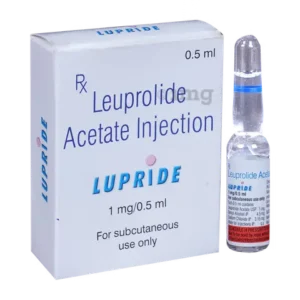
Lupride 1 Mg Injection (Leuprolide Acetate)
Active Ingredient Leuprolide Acetate Manufacturer Sun Pharmaceutical Industries Ltd Packaging 1 mg in 0.5ml Ampoule Strength 1 Mg Delivery Time 6 To 15 days SKU: Lupride 1 Mg Injection (Leuprolide Acetate) Price range: $35.00 through $99.00Lupride 1 Mg Injection (Leuprolide Acetate)
Price range: $35.00 through $99.00 -

Xovoltib 20 Mg (Afatinib Dimaleate)
Active Ingredient Afatinib Dimaleate Manufacturer Boehringer Ingelheim India Pvt.Ltd Packaging 7 tablets in 1 strip Strength 20mg, 30mg, 40mg, 50mg Delivery Time 6 To 15 days SKU: Xovoltib 20mg (Afatinib Dimaleate) Price range: $840.00 through $2,826.00Xovoltib 20 Mg (Afatinib Dimaleate)
Price range: $840.00 through $2,826.00