
Psoriatic Arthritis Medicines: Comprehensive Category Guide:-
Psoriatic arthritis Category Overview:-
Psoriatic arthritis medicines represent a diverse group of treatments prescribed to manage an inflammatory condition that affects both the joints and skin. These medications are specifically designed to reduce inflammation, slow disease progression, and improve quality of life for individuals living with this chronic autoimmune disorder.
Healthcare providers prescribe medicines in this category to address the complex nature of psoriatic arthritis, which combines joint inflammation similar to rheumatoid arthritis with the skin symptoms of psoriasis. The treatment approach is highly individualized, as the condition manifests differently in each patient and may affect various parts of the body, including fingers, toes, spine, and major joints.
These medicines work through different mechanisms to control the underlying immune system dysfunction that causes psoriatic arthritis, making them essential tools in modern rheumatologic care.
Psoriatic arthritis Conditions Treated:-
Medicines in this category are prescribed for the management of psoriatic arthritis, a chronic inflammatory condition characterized by:
Joint-Related Symptoms:
– Persistent joint pain and stiffness, particularly in the morning or after rest
– Swelling in fingers, toes, and other joints
– Reduced range of motion affecting daily activities
– Inflammation where tendons and ligaments attach to bones (enthesitis)
– Lower back pain and spinal stiffness in some patients
Associated Skin Symptoms:
– Psoriasis plaques that may appear before, during, or after joint symptoms develop
– Nail changes, including pitting, separation, or discoloration
Systemic Effects:
– Fatigue and reduced energy levels
– Eye inflammation in certain cases
– Overall reduced functional capacity
Only qualified healthcare providers can diagnose psoriatic arthritis through clinical examination, medical history, imaging studies, and laboratory tests. These medicines are not intended for self-diagnosis or self-treatment.
Types of Medicines in This Category:-
Psoriatic arthritis treatment involves several distinct medication classes, each with specific roles in managing the condition:
Disease-Modifying Antirheumatic Drugs (DMARDs):
– Conventional synthetic DMARDs that modify immune system activity
– Targeted synthetic DMARDs that block specific inflammatory pathways
– Typically taken as oral tablets on a regular schedule
Biologic Therapies:
– Injectable medications that target specific immune system proteins
– Include TNF inhibitors, IL-17 inhibitors, and IL-23 inhibitors
– Administered via subcutaneous injection or intravenous infusion
– Often reserved for moderate to severe cases or when other treatments prove insufficient
Nonsteroidal Anti-Inflammatory Drugs (NSAIDs):
– Used for symptomatic relief of pain and minor inflammation
– Available in both prescription and over-the-counter strengths
– Provide temporary symptom management rather than disease modification
Corticosteroids:
– Fast-acting anti-inflammatory medications
– Used for short-term relief during flare-ups
– Available in oral, injectable, or topical forms
Combination Approaches:
– Many patients require multiple medications working together
– Treatment plans may combine DMARDs with biologics or other therapies
– Regimens are carefully customized based on disease severity and patient response
How These Medicines Work?
Medicines for psoriatic arthritis target the underlying inflammatory and immune processes that drive the condition:
Immune System Modulation:
Most psoriatic arthritis medicines work by modifying how the immune system functions. In psoriatic arthritis, the immune system mistakenly attacks healthy joint tissues and skin cells. These medications help restore more balanced immune function, reducing inappropriate inflammatory responses without completely suppressing the body’s ability to fight infections.
Inflammation Pathway Blocking:
Biologic therapies and targeted synthetic DMARDs block specific proteins called cytokines—chemical messengers that promote inflammation. By interrupting these inflammatory signals, these medicines reduce joint swelling, pain, and tissue damage. Different medications target different cytokines, which is why healthcare providers may try various options to find the most effective treatment.
Cellular Activity Regulation:
Some DMARDs work at the cellular level to reduce the overactive production of inflammatory cells and substances. This broader approach can help control both joint and skin symptoms by addressing the fundamental cellular dysfunction present in psoriatic arthritis.
Symptomatic Relief:
NSAIDs and corticosteroids provide more immediate symptom relief by reducing inflammation and pain signaling, though they do not modify the underlying disease process. These are often used alongside disease-modifying treatments for comprehensive symptom management.
The specific mechanism varies by medication type, and healthcare providers select treatments based on disease severity, progression rate, and individual patient factors.
Who May Benefit From This Category?
Psoriatic arthritis medicines are prescribed for individuals who meet specific clinical criteria:
Appropriate Candidates:
– Adults diagnosed with psoriatic arthritis by a rheumatologist or qualified specialist
– Patients experiencing active joint inflammation and related symptoms
– Individuals with psoriasis who develop joint pain and stiffness
– Those with documented disease progression requiring intervention
– Patients who have not achieved adequate control with conservative measures
Treatment Timing Considerations:
Healthcare providers typically prescribe these medicines when joint symptoms significantly impact daily functioning, quality of life, or show signs of progressive joint damage. Early intervention with disease-modifying treatments may help prevent irreversible joint damage.
Not Suitable For:
Certain individuals may not be appropriate candidates for specific psoriatic arthritis medicines, including:
– Those with active serious infections
– Individuals with certain liver or kidney conditions (varies by medication)
– Pregnant or breastfeeding women (for many but not all medications)
– Patients with specific heart conditions (for some NSAIDs)
– People with compromised immune systems (for certain biologics)
Important Note:
Only rheumatologists, dermatologists with rheumatology experience, or other qualified specialists should determine whether these medicines are appropriate. Self-medication is never appropriate for psoriatic arthritis management.
Important Safety Information:-
All psoriatic arthritis medicines carry specific safety considerations that patients must understand:
General Precautions:
– These medications affect immune system function and may increase infection risk
– Regular monitoring through blood tests and medical appointments is essential
– Vaccinations may need to be scheduled before starting certain treatments
– Live vaccines are typically contraindicated while taking immunosuppressive medications
– Any signs of infection require immediate medical attention
Infection Risk Management:
Many psoriatic arthritis medicines reduce the body’s ability to fight infections. Patients should report fever, persistent cough, unusual fatigue, or other infection symptoms promptly. Healthcare providers screen for latent tuberculosis and hepatitis before initiating certain treatments.
Liver and Kidney Considerations:
Some medications in this category require regular liver and kidney function monitoring. Alcohol consumption may need to be limited or avoided depending on the specific medication prescribed.
Pregnancy and Family Planning:
Many psoriatic arthritis medicines are not safe during pregnancy or breastfeeding. Women of childbearing age should discuss family planning with their healthcare provider before starting treatment, as some medications require discontinuation months before attempting conception.
Drug Interactions:
Psoriatic arthritis medicines can interact with other medications, supplements, and herbal products. Always inform all healthcare providers about every medicine being taken, including over-the-counter products and supplements.
Cardiovascular Considerations:
Some NSAIDs may increase cardiovascular risk in susceptible individuals. Patients with heart disease, high blood pressure, or a history require careful medication selection.
Medical Supervision is Essential:
These are powerful medications requiring ongoing medical oversight. Never adjust doses, stop treatment, or share medicines with others without explicit healthcare provider guidance.
Usage Guidance (General):-
Proper usage of psoriatic arthritis medicines is critical for safety and effectiveness:
Individualized Regimens:
There is no standard “one-size-fits-all” approach. Healthcare providers prescribe specific medications, doses, and schedules based on:
– Disease severity and activity level
– Which joints are affected
– Presence and extent of skin involvement
– Response to previous treatments
– Other health conditions and medications
– Individual tolerance and preferences
Administration Varies by Type:
– Oral tablets: Taken daily, weekly, or on other specific schedules
– Injectable biologics: Self-administered or given by healthcare professionals at intervals ranging from weekly to every few months
– Intravenous infusions: Administered at medical facilities on scheduled intervals
– Topical treatments: Applied to affected skin areas as directed
Consistency is Important:
Missing doses or inconsistent use can reduce treatment effectiveness and allow disease progression. Patients should follow their prescribed schedule carefully and use reminder systems if needed.
Monitoring Requirements:
Most psoriatic arthritis medicines require regular monitoring, which may include:
– Periodic blood tests to check liver function, kidney function, and blood cell counts
– Regular assessment appointments to evaluate disease activity
– Imaging studies to monitor joint condition
– Screening for potential side effects or complications
Never Modify Treatment Independently:
Patients should never adjust their medication regimen without consulting their healthcare provider. Even if symptoms improve, continuing treatment as prescribed is usually necessary to maintain disease control and prevent flare-ups.
What to Do if a Dose is Missed:
Instructions for missed doses vary by medication. Contact your healthcare provider or pharmacist for specific guidance rather than doubling up or skipping doses.
Side Effects & Risks (General Overview):-
Like all medicines, psoriatic arthritis treatments can cause side effects, though not everyone experiences them:
Common Side Effects (May Affect Some Patients):
– Mild nausea or digestive discomfort
– Headache or dizziness
– Injection site reactions (redness, swelling, discomfort)
– Increased susceptibility to minor infections like colds
– Mild fatigue
– Mouth sores or ulcers (with certain DMARDs)
– Temporary elevation in liver enzymes
Serious But Less Common Side Effects:
– Severe infections requiring immediate medical attention
– Significant liver problems (jaundice, severe abdominal pain)
– Allergic reactions, including difficulty breathing or facial swelling
– Blood disorders affecting cell counts
– Severe skin reactions
– Reactivation of latent tuberculosis or hepatitis
– Worsening of heart failure symptoms
Long-Term Considerations:
Some medications in this category may carry risks that become relevant with prolonged use:
– Increased risk of certain infections
– Potential effects on bone density
– Cardiovascular considerations with long-term NSAID use
– Possible effects on blood pressure or cholesterol
Monitoring for Problems:
Healthcare providers schedule regular check-ups specifically to detect potential side effects early. Patients should never dismiss unusual symptoms as unimportant—always report new or concerning changes to their medical team.
Balancing Benefits and Risks:
Healthcare providers prescribe these medicines because they judge that the benefits of controlling psoriatic arthritis outweigh the potential risks. Uncontrolled psoriatic arthritis can lead to permanent joint damage, disability, and reduced quality of life.
Individual Variation:
Side effect profiles differ significantly among medications in this category. Just because one medication caused problems does not mean others will have the same effect.
Choosing the Right Medicine:-
Selecting the most appropriate psoriatic arthritis treatment is a complex decision requiring professional expertise:
Factors Healthcare Providers Consider:
– Pattern and severity of joint involvement
– Extent of skin disease
– Rate of disease progression
– Presence of spinal involvement
– Previous treatment responses
– Other medical conditions that may limit certain options
– Patient lifestyle factors and preferences
– Cost and insurance coverage considerations
– Risk tolerance and monitoring capability
Personalized Treatment Strategy:
What works well for one patient may not be optimal for another. Rheumatologists consider the complete clinical picture, including laboratory markers, imaging findings, and functional assessment, when recommending specific treatments.
Trial and Adjustment:
Finding the most effective medication sometimes requires trying different options. Patients may need several weeks to months to determine if a particular medicine is working adequately. Adjustments to the treatment plan are normal.
Combination Therapy:
Many patients achieve the best results with multiple medications working together. Your healthcare provider may combine a DMARD with a biologic or add symptomatic relief medications to a disease-modifying regimen.
The Role of Specialists:
Rheumatologists have specialized training in managing complex inflammatory arthritis conditions. While primary care physicians may be involved in your overall care, treatment decisions for psoriatic arthritis should involve a rheumatology specialist.
Pharmacist Guidance:
Pharmacists can provide valuable information about how to take medications properly, what to expect, and how to manage minor side effects. However, only physicians can prescribe or change psoriatic arthritis treatments.
Never Self-Select:
Online information, including this guide, cannot replace a personalized medical evaluation. The complexity of psoriatic arthritis and its treatments requires individual assessment by qualified professionals.
Storage & Handling Advice:-
Proper storage ensures medication safety and effectiveness:
General Storage Guidelines:
Oral Medications:
– Store at room temperature unless otherwise specified
– Keep in original containers with secure child-resistant caps
– Protect from excessive heat, moisture, and direct sunlight
– Bathroom storage is generally not recommended due to humidity
– Check expiration dates regularly and dispose of expired medications
Injectable Biologics:
– Many require refrigeration between 2°C and 8°C (36°F to 46°F)
– Do not freeze—frozen medications must be discarded
– Some may be kept at room temperature for limited periods before use
– Protect from light by keeping in the original packaging until use
– Inspect visually before each use—discard if discolored or contains particles
Temperature-Sensitive Medications:
If you’re traveling with refrigerated medications, use insulated travel cases with ice packs. Consult your pharmacist about proper travel storage solutions.
Safety Precautions:
– Keep all medications out of reach of children and pets
– Store separately from food and household products
– Never transfer medicines to unmarked containers
– Dispose of needles and syringes in approved sharps containers
– Used injection devices should never be placed in regular trash
Disposal Guidance:
– Follow local regulations for medication disposal
– Many pharmacies offer take-back programs
– Do not flush medications unless specifically instructed
– Remove personal information from containers before disposal
Special Handling:
Some medications require specific handling procedures. Always follow the instructions provided by your pharmacist or included with your medication.
Frequently Asked Questions?
How long does it take for psoriatic arthritis medicines to work?
Response time varies significantly depending on the medication type. NSAIDs may provide symptom relief within hours to days, while DMARDs typically require 4-12 weeks before noticeable improvement occurs. Biologic therapies may show initial effects within 2-4 weeks, but optimal benefit often takes 3-6 months. Your healthcare provider will discuss realistic timeframes for your specific treatment and may prescribe faster-acting medications for symptom control while waiting for disease-modifying drugs to take full effect. Patience and consistent use as prescribed are essential for achieving the best outcomes.
Can I stop taking my medication if my symptoms improve?
No, you should never stop or reduce psoriatic arthritis medication without consulting your healthcare provider. Symptom improvement indicates the medication is working, not that treatment is no longer needed. Psoriatic arthritis is a chronic condition requiring ongoing management to prevent disease progression and joint damage. Discontinuing medication, even when feeling well, often leads to disease flare-ups that may be more difficult to control. If you’re concerned about side effects or long-term medication use, discuss these concerns with your rheumatologist, who may be able to adjust your treatment plan safely.
Are there lifestyle changes that can help alongside medication?
Yes, medications work best as part of a comprehensive management approach. Regular low-impact exercise helps maintain joint flexibility and muscle strength without aggravating inflammation. Physical therapy can teach joint-protective techniques and appropriate exercises. Maintaining a healthy weight reduces stress on joints, particularly those in the lower body. Some patients find that certain dietary approaches help manage symptoms, though this varies individually. Stress management techniques may help reduce flare-ups, as stress can trigger inflammation. Avoiding smoking is strongly recommended, as tobacco use may worsen disease severity and reduce medication effectiveness. Always discuss lifestyle modifications with your healthcare team to ensure they complement your treatment plan.
Will I need to take these medicines for the rest of my life?
Psoriatic arthritis is typically a chronic, long-term condition requiring ongoing treatment. Many patients need continuous medication to maintain disease control and prevent joint damage. However, treatment plans are not necessarily static—your healthcare provider may adjust medications over time based on disease activity, treatment response, and other factors. Some patients may achieve sustained remission, allowing for medication reduction under careful medical supervision, though this is not possible for everyone. The goal is to find the minimum effective treatment that maintains good disease control with acceptable side effects. Regular communication with your rheumatologist about your treatment goals and preferences is important for long-term management planning.
Medical Disclaimer:-
Important Notice Regarding This Educational Content:
This comprehensive guide about psoriatic arthritis medicines is provided exclusively for general educational and informational purposes. It is not intended to serve as medical advice, diagnosis, treatment recommendation, or a substitute for professional healthcare consultation.
Not a Replacement for Medical Care:
The information presented here cannot replace the personalized assessment, clinical judgment, and ongoing care provided by qualified healthcare professionals. Every individual’s medical situation is unique, and treatment decisions must be based on thorough evaluation by licensed physicians specializing in rheumatology or related fields.
Requirement for Professional Consultation:
Anyone experiencing symptoms of psoriatic arthritis, considering treatment options, or currently managing this condition must consult with appropriate healthcare providers. Self-diagnosis and self-treatment of psoriatic arthritis can lead to serious health consequences, including irreversible joint damage and disability.
Individual Variation:
Medical information provided here describes general principles and common experiences but cannot account for individual variations in disease presentation, treatment response, medication tolerance, or co-existing health conditions that significantly influence appropriate care.
Not Current Medical Advice:
While this information is based on established medical knowledge, healthcare practices and treatment guidelines evolve continuously. Your healthcare provider has access to your complete medical history, current research, and clinical experience necessary to make appropriate treatment decisions for your specific situation.
Prescription Requirements:
Many medicines discussed in this category are prescription-only medications available only through licensed healthcare providers following proper medical evaluation. Never use prescription medications without valid prescriptions and ongoing medical supervision.
Emergency Situations:
This information does not address medical emergencies. If you experience severe symptoms, allergic reactions, signs of serious infection, or other urgent medical concerns, seek immediate emergency medical care or call emergency services.
Verification Responsibility:
While efforts are made to provide accurate information, readers are responsible for verifying any information with qualified healthcare professionals before making health-related decisions. This online pharmacy provides medicines as prescribed by your healthcare providers and does not offer independent medical diagnoses or treatment plans.
Your Healthcare Team:
Your physicians, rheumatologists, pharmacists, and other healthcare providers are your most valuable resources for information specific to your health needs. Always direct medical questions and concerns to these qualified professionals who can provide personalized guidance based on your individual circumstances.
By using this information, you acknowledge that you understand it is educational only and that you will seek appropriate professional medical advice for any health concerns or treatment decisions.
-
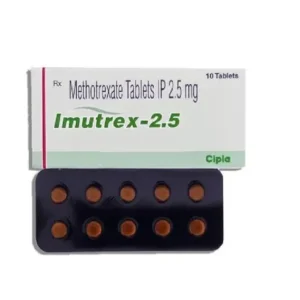
Imutrex 2.5 Mg (Methotrexate)
Active Ingredient Methotrexate Manufacturer Cipla Limited Packaging 10 tablets in 1 strip Strength 2.5 Mg, 7.5 Mg, 10 Mg Delivery Time 6 To 15 days SKU: Imutrex 2.5 Mg (Methotrexate) Price range: $27.00 through $195.00Imutrex 2.5 Mg (Methotrexate)
Price range: $27.00 through $195.00 -

Lefumide 10 Mg (Leflunomide)
Active Ingredient Leflunomide Manufacturer Cipla Limited Packaging 10 tablets in 1 strip Strength 10 Mg Delivery Time 6 to 15 days SKU: Lefumide 10 Mg (Leflunomide) Price range: $28.00 through $201.00Lefumide 10 Mg (Leflunomide)
Price range: $28.00 through $201.00