
Raynaud’s Disease Medicines: A Complete Guide:-
Raynaud’s Disease Category Overview:-
Medicines for Raynaud’s disease represent a group of treatments prescribed to help manage a condition where blood vessels in the fingers, toes, and sometimes other extremities narrow excessively in response to cold temperatures or stress. This narrowing, called vasospasm, reduces blood flow and can cause affected areas to turn white, then blue, and eventually red as circulation returns.
Healthcare providers prescribe these medications when lifestyle modifications—such as keeping warm and avoiding triggers—are not sufficient to control symptoms. The primary goal of medical treatment is to improve blood flow to affected areas, reduce the frequency and severity of vasospastic episodes, and prevent potential complications such as tissue damage or ulceration in severe cases.
These medicines work through various mechanisms to relax blood vessel walls, improve circulation, or address underlying conditions that may contribute to Raynaud’s symptoms. Treatment selection depends on whether a patient has primary Raynaud’s (occurring on its own) or secondary Raynaud’s (associated with another medical condition).
Raynaud’s disease Conditions Treated:-
Medicines in this category are primarily prescribed for:
Primary Raynaud’s Disease (Raynaud’s Phenomenon): A condition where blood vessels overreact to cold or stress without an underlying disease cause. This form is generally milder and more common, particularly among younger women.
Secondary Raynaud’s Disease: Occurs in association with other health conditions such as autoimmune disorders (scleroderma, lupus, rheumatoid arthritis), arterial diseases, carpal tunnel syndrome, or as a side effect of certain medications. Secondary Raynaud’s tends to be more severe and may require more aggressive treatment.
Digital Ulcers: In severe cases, particularly with secondary Raynaud’s, reduced blood flow can lead to painful sores on fingertips or toes. Some medications in this category help prevent and heal these ulcers.
Raynaud’s-Related Complications: When vasospastic episodes are frequent or prolonged, treatments may be prescribed to prevent tissue damage, infection, or in, rare cases, gangrene.
These medications do not cure Raynaud’s disease but help manage symptoms and reduce the risk of complications.
Types of Medicines in This Category:-
Healthcare providers may prescribe different classes of medications depending on symptom severity and individual patient factors:
Calcium Channel Blockers: The most commonly prescribed first-line treatment. These oral medications come in immediate-release and extended-release formulations, with extended-release versions typically preferred for consistent symptom control throughout the day.
Vasodilators: Medicines that directly relax and widen blood vessels. These may include topical formulations applied to affected areas or oral medications taken systemically.
Alpha-Blockers: Oral medications that prevent certain stress hormones from tightening blood vessels, potentially helpful for some patients who don’t respond adequately to other treatments.
Phosphodiesterase-5 (PDE5) Inhibitors: Originally developed for other conditions, these medications may be prescribed off-label to improve blood flow in severe Raynaud’s cases, particularly when digital ulcers are present.
Prostaglandin Analogues: Reserved for severe secondary Raynaud’s, these medications are typically administered by intravenous infusion in a healthcare setting and help significantly improve blood flow.
Endothelin Receptor Antagonists: Oral medications sometimes prescribed for severe secondary Raynaud’s, particularly in patients with systemic sclerosis.
The choice between these options depends on symptom severity, underlying causes, potential side effects, and how individual patients respond to treatment.
How These Medicines Work?
Medications for Raynaud’s disease work through different mechanisms, all aimed at improving blood flow to affected extremities:
Relaxing Blood Vessel Walls: Many medications in this category work by relaxing the smooth muscle in blood vessel walls. When these muscles relax, vessels widen (dilate), allowing more blood to flow through to the fingers and toes. This reduces the intensity and duration of vasospastic episodes.
Blocking Constriction Signals: Some medicines work by blocking the chemical signals that tell blood vessels to constrict. By interrupting these signals, the medications prevent the excessive narrowing that characterizes Raynaud’s attacks.
Reducing Calcium Movement: Calcium channel blockers prevent calcium from entering cells in blood vessel walls. Since calcium is necessary for muscle contraction, limiting its entry helps keep vessels relaxed and open.
Balancing Chemical Messengers: Certain medications affect the balance of natural chemicals in the body that control blood vessel tone, shifting the balance toward relaxation and improved blood flow.
Preventing Platelet Aggregation: In some severe cases, medications that reduce blood cell clumping may be prescribed to improve circulation and prevent complications.
The specific mechanism matters less to patients than the practical result: warmer extremities, fewer color changes, reduced pain, and lower risk of tissue damage. Most patients notice gradual improvement over days to weeks as the medication reaches therapeutic levels.
Who May Benefit From This Category?
Healthcare providers may recommend medications in this category for patients who:
Experience Frequent or Severe Symptoms: When Raynaud’s attacks occur multiple times daily, last for extended periods, or cause significant discomfort that interferes with daily activities and quality of life.
Face Cold-Related Occupational or Lifestyle Challenges: Individuals whose work or living situations involve unavoidable cold exposure may benefit from medical treatment when practical measures prove insufficient.
Have Secondary Raynaud’s Disease: Patients with underlying autoimmune or connective tissue diseases often experience more severe symptoms and higher complication risks, making medication more likely to be recommended.
Develop Digital Ulcers or Tissue Damage: When reduced blood flow leads to sores, infections, or tissue damage on fingertips or toes, medical treatment becomes essential to promote healing and prevent progression.
Don’t Respond Adequately to Lifestyle Modifications: After implementing protective measures like wearing gloves, avoiding cold exposure, and managing stress without sufficient symptom relief, medication may be the next step.
Experience Pain That Affects Daily Function: When Raynaud’s episodes cause pain that limits hand function, makes writing or typing difficult, or interferes with sleep and daily tasks.
Not every person with Raynaud’s disease requires medication. Many individuals manage successfully with lifestyle adjustments alone. Healthcare providers carefully assess symptom frequency, severity, impact on daily life, and complication risks before recommending pharmaceutical treatment.
Important Safety Information:-
Medications for Raynaud’s disease require careful medical supervision and may not be suitable for everyone:
Medical History Considerations: Before prescribing these medications, doctors need to know about heart conditions, blood pressure problems, liver or kidney disease, and any history of stroke or cardiovascular events. Many Raynaud’s medications affect blood pressure and heart function.
Pregnancy and Breastfeeding: Some medications in this category may not be safe during pregnancy or while nursing. Women of childbearing age should discuss family planning with their healthcare provider, as some treatments require careful contraception or discontinuation before pregnancy.
Drug Interactions: Raynaud’s medications can interact with many other medicines, including blood pressure medications, heart medicines, antifungal drugs, certain antibiotics, and grapefruit juice. Always inform your doctor and pharmacist about all medications, supplements, and herbal products you take.
Blood Pressure Monitoring: Many of these medications lower blood pressure as a primary or secondary effect. Patients may need regular monitoring to ensure blood pressure doesn’t drop too low, which can cause dizziness, fainting, or falls.
Liver Function: Some medications in this category require monitoring of liver function through periodic blood tests, particularly endothelin receptor antagonists.
Sudden Discontinuation: Some Raynaud’s medications should not be stopped abruptly without medical guidance, as sudden discontinuation might lead to rebound symptoms or other complications.
Driving and Operating Machinery: Until you know how a medication affects you, exercise caution with activities requiring alertness, as some treatments may cause dizziness or lightheadedness, especially when starting or adjusting doses.
Never adjust doses, stop taking medication, or share prescriptions without consulting your healthcare provider. If you experience concerning symptoms while taking Raynaud’s medication, contact your doctor promptly.
Usage Guidance (General):-
The proper use of Raynaud’s disease medications varies significantly based on the specific medicine prescribed, individual patient factors, and symptom severity:
Individualized Treatment Plans: Dosage, timing, and duration of treatment are determined by your healthcare provider based on your specific situation. What works for one patient may not be appropriate for another, even with the same diagnosis.
Starting Low, Going Slow: Doctors often begin with lower doses and gradually increase as needed to minimize side effects while achieving symptom control. Patience during this adjustment period is important.
Consistency Matters: Many oral medications work best when taken at the same time each day. Extended-release formulations provide steady blood levels and symptom control throughout the day and should not be crushed, chewed, or broken unless specifically instructed.
Timing Considerations: Some medications are taken once daily, others multiple times per day. Topical preparations may be applied as needed or on a regular schedule. Following your prescribed regimen optimizes effectiveness.
Seasonal Adjustments: Some patients require medication only during colder months, while others need year-round treatment. Your doctor may adjust your treatment plan seasonally based on symptom patterns.
Monitoring Response: Keep track of symptom frequency and severity to help your healthcare provider assess treatment effectiveness. It may take several weeks to experience the full benefits of some medications.
Missed Doses: If you miss a dose, follow the specific guidance provided with your prescription. Generally, do not double up on doses to make up for a missed one.
Always follow the instructions provided by your healthcare provider and pharmacist. These general guidelines do not replace personalized medical advice.
Side Effects & Risks (General Overview):-
Like all medications, treatments for Raynaud’s disease can cause side effects, though not everyone experiences them:
Common Side Effects (often mild and temporary):
– Headaches, particularly when starting treatment
– Dizziness or lightheadedness, especially upon standing
– Flushing or feeling warm
– Swelling in the ankles, feet, or lower legs
– Fatigue or tiredness
– Nausea or digestive discomfort
– Rapid heartbeat or palpitations
Less Common But Notable Effects:
– Low blood pressure causing significant dizziness
– Skin rash or allergic reactions
– Gum swelling with certain calcium channel blockers
– Nasal congestion
– Changes in vision (with some medication classes)
Serious Side Effects (requiring immediate medical attention):
– Severe dizziness or fainting
– Chest pain or irregular heartbeat
– Signs of liver problems (yellowing of skin or eyes, dark urine, severe fatigue)
– Severe allergic reactions (difficulty breathing, severe rash, facial swelling)
– Significant fluid retention or sudden weight gain
Long-Term Considerations: Some medications require ongoing monitoring for liver function, blood pressure, or other parameters. Your healthcare provider will schedule appropriate follow-up appointments and tests.
Most patients tolerate Raynaud’s medications well, with side effects either resolving as the body adjusts or being manageable with dose adjustments. The benefits of preventing severe Raynaud’s complications typically outweigh the risks of side effects when medications are appropriately prescribed and monitored.
Always report new or worsening symptoms to your healthcare provider. They can help determine whether symptoms are medication-related and whether adjustments are needed.
Choosing the Right Medicine:-
Selecting the most appropriate medication for Raynaud’s disease is a decision that should be made collaboratively with your healthcare provider:
Individualized Assessment: Your doctor will consider multiple factors, including the type of Raynaud’s disease you have (primary or secondary), symptom severity and frequency, your overall health status, other medications you take, and your personal preferences regarding treatment.
First-Line vs. Advanced Treatments: Calcium channel blockers are typically tried first due to their effectiveness and well-established safety profile. If these prove insufficient or cause intolerable side effects, your doctor may recommend alternative medication classes.
Underlying Conditions Matter: If you have secondary Raynaud’s associated with an autoimmune disease, your treatment may need coordination between specialists, potentially including a rheumatologist or dermatologist alongside your primary care provider.
Trial and Adjustment Period: Finding the right medication and dose may require trying different options. What works well for one patient may not work as well for another, and persistence through the adjustment period often pays off.
Combination Approaches: In severe cases, doctors may prescribe medications from different classes together, each working through complementary mechanisms to provide better symptom control than either would alone.
Cost and Access Considerations: Your healthcare provider can help identify effective options that align with your insurance coverage and budget, as medication costs vary significantly within this category.
Pharmacist Expertise: Your pharmacist is an excellent resource for questions about how to take your medication, potential interactions, and managing side effects. They can also help identify cost-saving options like generic alternatives when available.
Avoid self-diagnosing or self-treating Raynaud’s disease, and never use someone else’s prescription. Professional medical guidance ensures you receive appropriate treatment while minimizing risks.
Storage & Handling Advice:-
Proper storage and handling of Raynaud’s medications helps maintain their effectiveness and safety:
Temperature and Environment:
– Most oral medications should be stored at room temperature, away from excessive heat, moisture, and direct sunlight
– Avoid storing medications in bathrooms where humidity fluctuates
– Keep medications away from heat sources like stoves, radiators, or windowsills
– Topical preparations may have specific storage requirements listed on the label
Container Integrity:
– Keep medications in their original containers with labels intact
– Original packaging protects against light and moisture and ensures you have access to important information
– Do not transfer tablets or capsules to different containers unless using a pharmacy-provided pill organizer
Security and Safety:
– Store all medications out of reach of children and pets
– Consider locked storage if children visit your home
– Keep medications separate from household chemicals or cleaning products
Checking Expiration Dates:
– Do not use medications past their expiration date
– Expired medications may be less effective or potentially unsafe
– Regularly review your medicine cabinet and dispose of expired products properly
Disposal Guidelines:
– Do not flush medications down the toilet unless specifically instructed to do so
– Utilize medication take-back programs at pharmacies or community disposal events
– If no take-back program is available, follow FDA guidelines for household disposal, typically mixing medication with unpalatable substances in sealed containers before discarding
Travel Considerations:
– Carry medications in original containers when traveling
– For air travel, keep medications in carry-on luggage
– Be aware that temperature extremes in vehicles can affect medication stability
Topical Preparations:
– Check for specific storage instructions on creams, ointments, or gels
– Some may require refrigeration, while others should not be refrigerated
– Note any changes in appearance, consistency, or odor that might indicate degradation
When in doubt about proper storage or whether medication is still safe to use, consult your pharmacist rather than guessing.
Frequently Asked Questions?
Q: How long does it take for Raynaud’s medications to work?
A: The timeline varies by medication type. Some patients notice mild improvement within days, but full therapeutic effects typically develop over 2-4 weeks of consistent use. Calcium channel blockers, for example, may reduce symptom frequency gradually over several weeks. More immediate effects might be noticed with topical preparations, though sustained benefit still requires regular use. If you haven’t experienced any improvement after 4-6 weeks, contact your healthcare provider to discuss whether a dose adjustment or a different medication might be appropriate.
Q: Will I need to take these medications forever?
A: Not necessarily. Treatment duration depends on your individual situation. Some patients with primary Raynaud’s may only need medication during colder months, while others with secondary Raynaud’s or severe symptoms may require longer-term or indefinite treatment. Many people successfully taper off medication after symptom control is achieved, though this should only be done under medical supervision. Your healthcare provider will periodically reassess whether continued medication is necessary based on symptom patterns and overall health status.
Q: Can I still use hand warmers and gloves while taking medication?
A: Absolutely. Medications work best when combined with protective lifestyle measures, not as a replacement for them. Continue wearing warm gloves, using hand warmers, dressing in layers, and avoiding cold exposure when possible. These non-pharmaceutical strategies complement medication effects and may allow you to manage symptoms with lower medication doses. Think of medication as one tool in a comprehensive management approach rather than a standalone solution.
Q: What should I do if I experience a severe Raynaud’s attack despite taking medication?
A: Even with medication, breakthrough attacks can occasionally occur, particularly with extreme cold exposure or high stress. Gently rewarm affected areas by moving to a warm environment, immersing hands or feet in warm (not hot) water, or using other gradual warming techniques. Avoid direct heat sources. If an attack is unusually severe, lasts longer than typical episodes, or results in persistent pain, numbness, or color changes after rewarming, contact your healthcare provider. Frequent breakthrough attacks may indicate the need for medication adjustment.
Medical Disclaimer:-
Important Notice: Educational Information Only
The information provided on this page is intended for general educational purposes to help patients better understand Raynaud’s disease and the medications used to manage it. This content does not constitute medical advice, diagnosis, or treatment recommendations.
This Information Does NOT Replace Professional Medical Care:
– Always consult with a qualified healthcare provider before starting, stopping, or changing any medication
– Individual medical situations vary significantly, and treatment must be personalized based on your specific health status, medical history, and symptoms
– Only a licensed healthcare professional can properly diagnose Raynaud’s disease and determine the most appropriate treatment plan for you
No Patient-Provider Relationship:
Reading this content does not create a healthcare provider-patient relationship. Decisions about medications should be made in direct consultation with your doctor, pharmacist, or other qualified healthcare professional who has examined you and reviewed your complete medical history.
Accuracy and Currency:
While we strive to provide accurate and current information, medical knowledge evolves continuously. Treatment guidelines, medication availability, and safety information may change. Always verify information with your healthcare provider and refer to the most current prescribing information for any medication.
Emergency Situations:
If you experience a medical emergency, severe symptoms, or serious side effects from any medication, seek immediate medical attention by calling emergency services or visiting the nearest emergency department. Do not rely on online information in emergencies.
Individual Variation:
Responses to medications vary significantly among individuals. Information about typical effects, side effects, and outcomes may not predict your personal experience. Your healthcare provider will monitor your individual response and adjust treatment accordingly.
Complete Disclosure Required:
For safe and effective treatment, provide your healthcare provider with complete information about your medical history, current health conditions, all medications and supplements you take, and any allergies or previous adverse reactions to medications.
By using this information, you acknowledge that you understand it is educational in nature and that you will seek personalized medical advice from qualified healthcare professionals for all medical decisions.
-
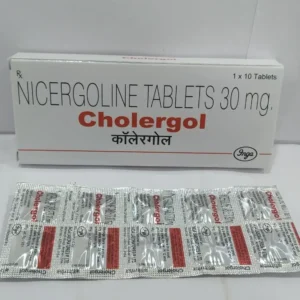
Cholergol 30 Mg (Nicergoline)
Active Ingredient Nicergoline Manufacturer Inga Laboratories Pvt Ltd Packaging 10 Tablets in Strip Strength 30 Mg Delivery Time 6 to 15 days SKU: Cholergol 30 Mg (Nicergoline) Price range: $116.00 through $340.00Cholergol 30 Mg (Nicergoline)
Price range: $116.00 through $340.00 -
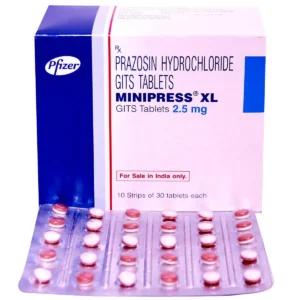
Minipress XL 2.5 Mg (Prazosin)
Active Ingredient Prazosin Manufacturer Pfizer India Ltd Packaging 30 tablets in 1 strip Strength 2.5 Mg And 5 Mg Delivery Time 6 To 15 days SKU: Minipress XL (Prazosin) Price range: $37.00 through $115.00Minipress XL 2.5 Mg (Prazosin)
Price range: $37.00 through $115.00 -
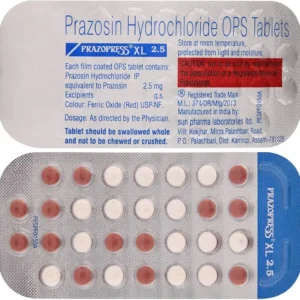
Prazopress XL 2.5 Mg (Prazosin)
Active Ingredient Prazosin Manufacturer Sun Pharmaceutical Industries Ltd Packaging 30 tablets in 1 strip Strength 2.5 Mg Delivery Time 6 To 15 days SKU: Prazopress XL 2.5 Mg (Prazosin) Price range: $27.00 through $80.00Prazopress XL 2.5 Mg (Prazosin)
Price range: $27.00 through $80.00