
Respiratory Medicines: Comprehensive Category Guide:-
Respiratory Category Overview:-
Respiratory medicines are a diverse group of pharmaceutical treatments prescribed or recommended to manage conditions affecting the airways, lungs, and breathing function. These medications help patients maintain healthy respiratory function, control symptoms of chronic lung conditions, and recover from acute respiratory infections or complications.
Healthcare professionals commonly prescribe respiratory medicines to address a wide range of breathing-related concerns, from seasonal allergies and asthma to more serious conditions like chronic obstructive pulmonary disease (COPD) and respiratory infections. The primary goal of these treatments is to improve breathing capacity, reduce inflammation in the airways, clear mucus, and prevent respiratory complications that can impact daily life and overall health.
This category encompasses both prescription medications requiring medical supervision and over-the-counter products for milder respiratory symptoms. The appropriate choice depends on the specific condition, its severity, and individual patient factors that only a qualified healthcare provider can properly assess.
Respiratory Conditions Treated:-
Respiratory medicines are used to manage various conditions affecting the breathing system, including:
Chronic Respiratory Conditions: Asthma and COPD are long-term conditions characterized by airway inflammation and narrowing, requiring ongoing management to prevent symptoms and maintain lung function. These conditions may cause wheezing, shortness of breath, chest tightness, and coughing.
Respiratory Infections: Bacterial and viral infections affecting the airways, including bronchitis, pneumonia, and other conditions that cause inflammation, mucus production, and breathing difficulties.
Allergic Respiratory Conditions: Seasonal and perennial allergic rhinitis (hay fever), which causes nasal congestion, sneezing, and respiratory discomfort due to allergen exposure.
Acute Breathing Difficulties: Sudden-onset breathing problems that may require immediate medical intervention and specific respiratory treatments.
Mucus-Related Conditions: Situations where excessive or thick mucus impairs breathing and requires assistance with clearance from the airways.
It is important to note that persistent or severe respiratory symptoms always require professional medical evaluation to determine the underlying cause and appropriate treatment approach.
Types of Medicines in Respiratory Category:-
Respiratory medicines come in various forms, each designed for specific therapeutic purposes:
Inhalers and Nebulizers: These deliver medication directly to the airways, providing rapid relief or long-term control. Quick-relief inhalers (rescue inhalers) work within minutes for acute symptoms, while maintenance inhalers are used daily to prevent symptoms from occurring.
Oral Medications: Tablets, capsules, and liquid formulations that work systemically throughout the body. These include antibiotics for bacterial infections, oral corticosteroids for severe inflammation, and medications that help thin mucus or relieve congestion.
Nasal Preparations: Sprays, drops, and rinses designed to address nasal congestion, inflammation, and allergic symptoms affecting the upper respiratory tract.
Combination Products: Some medications contain multiple active ingredients to address different aspects of respiratory conditions simultaneously, such as bronchodilation and anti-inflammatory effects.
Preventive Medications: Long-term treatments designed to reduce the frequency and severity of respiratory symptoms by managing underlying inflammation and airway sensitivity.
The choice between these different types depends on the specific condition being treated, the severity of symptoms, the patient’s ability to use certain delivery systems, and the desired speed and duration of action.
How These Medicines Work?
Respiratory medicines work through several distinct mechanisms to improve breathing and manage respiratory conditions:
Bronchodilation: Some medications relax the smooth muscles surrounding the airways, causing them to widen. This allows air to flow more easily in and out of the lungs, providing relief from breathing difficulties and wheezing.
Anti-Inflammatory Action: Many respiratory medicines reduce inflammation in the airways. By decreasing swelling and irritation of the airway lining, these treatments help prevent symptoms and improve long-term respiratory function.
Mucus Management: Certain medications help thin thick mucus, making it easier to cough up and clear from the airways. Others may reduce the production of excess mucus that can obstruct breathing passages.
Immune System Modulation: Some treatments work by reducing the body’s allergic or inflammatory response to triggers, preventing the cascade of reactions that lead to respiratory symptoms.
Antimicrobial Effects: Antibiotics and antiviral medications target specific infectious organisms causing respiratory infections, helping the body eliminate the infection and recover normal respiratory function.
Mast Cell Stabilization: Certain preventive medications work by preventing immune cells from releasing substances that trigger allergic respiratory reactions.
The specific mechanism of action varies significantly between different medicines in this category, which is why proper medical evaluation and prescription are essential for effective and safe treatment.
Who May Benefit From the Respiratory Category?
Respiratory medicines may be prescribed or recommended for various patient groups, depending on their specific medical needs:
Individuals with Chronic Respiratory Diseases: Patients diagnosed with asthma, COPD, chronic bronchitis, or emphysema often require ongoing respiratory medications to manage their condition and maintain quality of life.
People with Respiratory Infections: Those experiencing bacterial or viral respiratory infections may temporarily need antimicrobial medications or supportive treatments prescribed by their healthcare provider.
Allergy Sufferers: Individuals with seasonal or year-round allergies affecting their respiratory system may benefit from antihistamines, nasal corticosteroids, or other allergy medications.
Patients Recovering from Respiratory Complications: People who have experienced pneumonia, severe respiratory infections, or other lung complications may need specific medications during their recovery period.
Individuals at Risk for Respiratory Problems: Some people with certain health conditions or risk factors may be prescribed preventive respiratory medications to reduce their risk of complications.
It is crucial to understand that respiratory medicines should only be used under medical guidance. Self-diagnosis and self-medication for breathing problems can be dangerous, as respiratory symptoms may indicate serious underlying conditions requiring professional evaluation and monitoring.
Important Safety Information:-
Respiratory medicines require careful use and medical supervision to ensure safety and effectiveness:
Medical Consultation Required: Never start, stop, or change respiratory medications without consulting a healthcare provider. Improper use can worsen breathing problems or mask serious underlying conditions.
Who Should Exercise Caution: Certain individuals may require special consideration when using respiratory medicines, including pregnant or breastfeeding women, elderly patients, children, people with heart conditions, those with high blood pressure, individuals with diabetes, and patients taking multiple medications.
Potential Drug Interactions: Respiratory medicines can interact with other medications, supplements, or herbal products. Always inform your healthcare provider and pharmacist about all substances you are taking.
Proper Technique Matters: For inhaled medications, correct usage technique is essential for the medicine to reach the lungs effectively. Improper technique may result in inadequate treatment and continued symptoms.
Overuse Risks: Using rescue inhalers too frequently can indicate poor disease control and may lead to complications. If you find yourself needing quick-relief medication more often than prescribed, contact your healthcare provider.
Emergency Situations: Severe breathing difficulties, chest pain, blue lips or fingernails, rapid worsening of symptoms, or difficulty speaking due to breathlessness require immediate emergency medical attention.
Regular Monitoring: Many respiratory conditions require periodic evaluation by healthcare providers to assess treatment effectiveness, adjust medications as needed, and monitor for potential side effects.
Never share respiratory medications with others, even if they have similar symptoms, as individual medical needs and safety considerations vary significantly.
Usage Guidance (General):-
Proper use of respiratory medicines is essential for achieving optimal therapeutic benefits:
Follow Medical Instructions: Dosage, frequency, and duration of treatment are determined by healthcare providers based on individual patient needs, condition severity, and response to treatment. Never adjust your medication regimen without medical guidance.
Timing Considerations: Some respiratory medicines are taken at specific times relative to meals, activities, or other medications. Maintenance medications are typically used daily, even when feeling well, while rescue medications are used as needed for acute symptoms.
Inhaler and Device Instructions: If prescribed inhaled medications, your pharmacist or healthcare provider should demonstrate proper technique. Many respiratory medicines come with specific devices that require correct assembly and usage for effective delivery.
Consistency Matters: For chronic respiratory conditions, consistent use of preventive medications as prescribed is crucial for maintaining control, even during periods when symptoms are minimal or absent.
Missed Doses: If you miss a dose of your respiratory medication, follow the specific instructions provided by your healthcare provider or pharmacist. Generally, do not double up on doses without medical advice.
Treatment Duration: Complete the full course of any prescribed treatment, particularly antibiotics for respiratory infections, even if symptoms improve before finishing the medication.
Keep Records: Maintain a record of your medication use, particularly for rescue inhalers, to help your healthcare provider assess disease control and adjust treatment plans accordingly.
If you have questions about how to use your respiratory medicine or experience difficulties with your treatment regimen, contact your pharmacist or healthcare provider for clarification and support.
Side Effects & Risks (General Overview):-
Like all medications, respiratory medicines can cause side effects, though not everyone experiences them:
Common Side Effects: Depending on the specific type of respiratory medicine, patients may experience throat irritation, hoarseness, dry mouth, headache, tremor, increased heart rate, nervousness or jitteriness, nasal irritation or bleeding (with nasal preparations), or temporary changes in taste.
Inhaler-Related Effects: Inhaled corticosteroids may cause oral thrush (a fungal infection in the mouth) if proper rinsing after use is not performed. Using a spacer device and rinsing the mouth thoroughly after each use can help prevent this.
Systemic Effects: Some respiratory medicines, particularly oral corticosteroids when used long-term, may affect multiple body systems. Regular medical monitoring helps identify and manage any such effects early.
Serious Side Effects Requiring Immediate Medical Attention: Seek emergency care if you experience severe allergic reactions (difficulty breathing, swelling of face or throat, severe rash), chest pain or irregular heartbeat, severe dizziness or fainting, sudden worsening of breathing problems after using the medication, or signs of infection that don’t improve or worsen during treatment.
Long-Term Considerations: Prolonged use of certain respiratory medications may require monitoring for specific effects. Your healthcare provider will conduct appropriate tests and evaluations as needed.
Individual Variation: The likelihood and severity of side effects vary greatly among individuals based on factors including the specific medication, dosage, duration of use, overall health status, and other medications being taken.
The presence of potential side effects does not mean they will occur, and for most patients, the benefits of properly used respiratory medicines far outweigh the risks. However, maintaining open communication with your healthcare team about any concerns or symptoms you experience is essential for safe and effective treatment.
Choosing the Right Medicine:-
Selecting appropriate respiratory medication is a complex medical decision that should always involve healthcare professionals:
Professional Assessment Required: Doctors and respiratory specialists evaluate multiple factors before prescribing respiratory medicines, including accurate diagnosis of the underlying condition, severity and frequency of symptoms, patient age and overall health status, other medical conditions and medications, patient ability to use certain delivery devices, and potential for side effects or drug interactions.
Not a Self-Selection Process: The wide variety of respiratory medicines available can be overwhelming, and what works well for one person may be inappropriate or ineffective for another with seemingly similar symptoms. Self-medicating for respiratory problems can delay proper diagnosis and treatment of serious conditions.
Pharmacist Consultation: Your pharmacist is an accessible healthcare professional who can answer questions about your prescribed respiratory medications, guide proper usage technique, explain potential side effects and interactions, and help you understand when to use different medications if you have multiple prescriptions.
Regular Treatment Review: Respiratory conditions often change over time, requiring adjustments to medication regimens. Regular follow-up appointments allow your healthcare provider to assess whether your current treatment remains appropriate and effective.
Patient Preferences Matter: When discussing treatment options with your healthcare provider, mention any concerns about medication form, potential side effects, cost considerations, or lifestyle factors that might affect your ability to follow the prescribed regimen.
Second Opinions: If you have concerns about your respiratory treatment plan, seeking a second opinion from another qualified healthcare provider is a reasonable and often helpful step.
Remember that effective respiratory care is a partnership between you and your healthcare team, built on open communication, honest reporting of symptoms and concerns, and mutual trust.
Storage & Handling Advice:-
Proper storage and handling of respiratory medicines ensure they remain safe and effective:
General Storage Guidelines: Most respiratory medicines should be stored at room temperature away from excessive heat and direct sunlight, kept in their original packaging until use, stored away from moisture (avoid bathroom storage for most products), and kept out of reach of children and pets.
Inhaler-Specific Storage: Pressurized inhalers should not be exposed to temperatures above 50°C (122°F) or punctured even when empty. Some inhalers require priming before first use or after periods of non-use. Check your product instructions for specific guidance.
Nebulizer Solutions: Single-use vials should be used immediately after opening. Multi-dose bottles should be dated when opened and discarded according to package instructions, typically within a specific timeframe.
Liquid Medications: Oral suspensions and syrups may require refrigeration or room temperature storage depending on the specific product. Always check the label and follow storage instructions carefully.
Checking Expiration Dates: Regularly review your respiratory medicines for expiration dates. Using expired medications may be ineffective or potentially harmful. Many inhalers also have dose counters to help track remaining medication.
Travel Considerations: When traveling, keep respiratory medicines in carry-on luggage rather than checked baggage to avoid temperature extremes and ensure access. Carry copies of prescriptions and, if traveling internationally, check regulations regarding bringing medications into your destination.
Disposal: Do not flush respiratory medicines down the toilet or throw them in household trash unless specifically instructed. Ask your pharmacist about proper disposal methods or community medication take-back programs.
Contamination Prevention: Never share respiratory devices or medications with others. Clean reusable devices according to manufacturer instructions to prevent bacterial growth and contamination.
Proper storage practices protect both the medication’s effectiveness and the safety of everyone in your household.
Frequently Asked Questions?
Q: Can I stop taking my preventive respiratory medicine once I feel better?
A: No, you should not discontinue preventive respiratory medications without consulting your healthcare provider, even if your symptoms have improved. Many respiratory conditions require ongoing management, and feeling better is often a sign that your medication is working effectively. Stopping suddenly may lead to symptom return or worsening. Your doctor will guide you on when and how to adjust your treatment plan safely.
Q: What should I do if my rescue inhaler doesn’t seem to be working as well as it used to?
A: If you find yourself needing your rescue inhaler more frequently, or if it’s not providing the same relief it once did, contact your healthcare provider promptly. This may indicate that your underlying condition is worsening and requires adjustment of your treatment plan. Never simply increase your use of rescue medication without medical guidance, as this may be dangerous and mask inadequate disease control.
Q: Are respiratory medicines safe to use during pregnancy or while breastfeeding?
A: The safety of respiratory medicines during pregnancy and breastfeeding varies by specific medication. Some respiratory treatments are considered safe and necessary during pregnancy, as poorly controlled respiratory conditions can pose risks to both mother and baby. Always inform your healthcare provider if you are pregnant, planning pregnancy, or breastfeeding so they can prescribe the most appropriate medications for your situation.
Q: Can I use over-the-counter respiratory medicines along with my prescribed medications?
A: You should always consult your healthcare provider or pharmacist before adding any over-the-counter products to your respiratory treatment regimen. Some combinations may be safe and even beneficial, while others may cause interactions, duplicate active ingredients, or interfere with your prescribed treatment. Never assume that “natural” or over-the-counter means automatically safe to combine.
Medical Disclaimer:-
Important Notice: The information provided on this page is for educational purposes only and is not intended to serve as medical advice, diagnosis, or treatment recommendation. It should not replace professional medical consultation, examination, or treatment.
Respiratory conditions vary significantly in severity, underlying causes, and appropriate treatment approaches. What is suitable for one patient may be inappropriate or potentially harmful for another. Only qualified healthcare professionals can properly assess your individual situation, diagnose respiratory conditions, and prescribe appropriate treatment.
Always consult with a licensed physician, respiratory specialist, or other qualified healthcare provider before starting, stopping, or changing any respiratory medication or treatment regimen. If you are experiencing breathing difficulties, a persistent cough, chest pain, or other concerning respiratory symptoms, seek professional medical evaluation promptly.
In case of severe breathing problems, chest pain, sudden worsening of symptoms, or other emergencies, call emergency services immediately or go to the nearest emergency department.
This content does not create a doctor-patient relationship, and the pharmacy providing this information cannot be held responsible for decisions made based solely on this educational material. Medication information, including availability, formulations, and approved uses, may change over time. Always refer to current prescribing information and consult healthcare professionals for the most up-to-date guidance.
Your health and safety are paramount. When in doubt about any aspect of your respiratory health or treatment, please reach out to your healthcare provider or pharmacist for personalized guidance based on your complete medical history and individual needs.
-

Asthalin Rotacaps (Salbutamol)
Active Ingredient Salbutamol Manufacturer Cipla Limited Packaging 30 rotacaps in 1 packet Strength 200mcg Delivery Time 6 To 15 days SKU: Asthalin Rotacaps (Salbutamol) Price range: $3.90 through $9.90Asthalin Rotacaps (Salbutamol)
Price range: $3.90 through $9.90 -

Acto Pred 4 Mg (Methylprednisolone)
Active Ingredient Methylprednisolone Manufacturer Ferring Pharmaceuticals Packaging 10 tablets in 1 strip Strength 4 Mg, 16 Mg Delivery Time 6 To 15 days SKU: Acto Pred 4 Mg (Methylprednisolone) Price range: $4.00 through $22.00Acto Pred 4 Mg (Methylprednisolone)
Price range: $4.00 through $22.00 -

Ipravent Rotacaps (Ipratropium Bromide)
Active Ingredient Ipratropium Bromide Manufacturer Cipla Limited Packaging 30 Rotacaps in 1 packet Strength 40 Mcg Delivery Time 6 To 15 days SKU: Ipravent Rotacaps (Ipratropium Bromide) Price range: $4.00 through $12.00Ipravent Rotacaps (Ipratropium Bromide)
Price range: $4.00 through $12.00 -
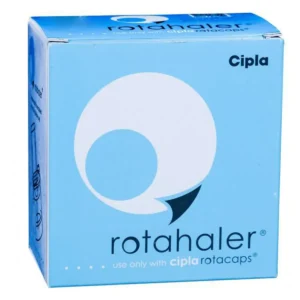
Rotahaler Inhalation Device
Active Ingredient Device Manufacturer Cipla Limited Packaging 1 Unit in 1 pack Delivery Time 6 To 15 days SKU: Rotahaler Inhalation Device (Device) Price range: $4.00 through $9.00Rotahaler Inhalation Device
Price range: $4.00 through $9.00 -
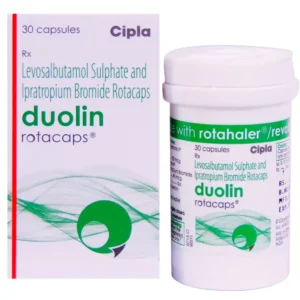
Duolin Rotacaps (Levosalbutamol & Ipratropium)
Active Ingredient Levosalbutamol/Ipratropium Manufacturer Cipla Limited Packaging 30 Rotacaps in 1 packet Strength 100Mcg+40Mcg Delivery Time 6 To 15 days SKU: Duolin Rotacaps (Levosalbutamol/Ipratropium) Price range: $4.20 through $10.80Duolin Rotacaps (Levosalbutamol & Ipratropium)
Price range: $4.20 through $10.80 -

Beclate Rotacaps 200 Mcg (Beclomethasone)
Active Ingredient Beclomethasone Dipropionate Manufacturer Cipla, India Strength 200mcg Delivery Time 6 to 15 Days SKU: Beclate Rotacaps 200 Mcg (Beclomethasone) Price range: $4.30 through $11.70Beclate Rotacaps 200 Mcg (Beclomethasone)
Price range: $4.30 through $11.70 -

Aerocort Forte Rotacaps (Beclometasone & Levosalbutamol)
Active Ingredient Beclometasone/Levosalbutamol Manufacturer Cipla Limited Packaging 30 rotacaps in 1 packet Delivery Time 6 To 15 days SKU: Aerocort Forte Rotacaps (Beclometasone/Levosalbutamol) Price range: $4.50 through $10.50Aerocort Forte Rotacaps (Beclometasone & Levosalbutamol)
Price range: $4.50 through $10.50 -
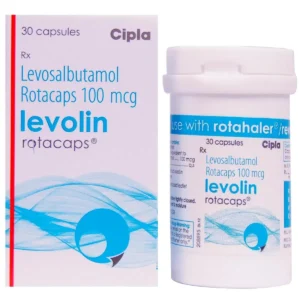
Levolin Rotacaps (Levosalbutamol)
Active Ingredient Levosalbutamol Manufacturer Cipla Limited Packaging 30 Rotacaps in 1 bottle Strength 100 Mcg Delivery Time 6 To 15 days SKU: Levolin Rotacaps (Levosalbutamol) Price range: $4.80 through $12.30Levolin Rotacaps (Levosalbutamol)
Price range: $4.80 through $12.30 -

Budecort Rotacaps 100 Mcg (Budesonide)
Active Ingredient Budesonide Manufacturer Cipla Limited Packaging 30 rotacaps in 1 packet Strength 100mcg, 200mcg, 400mcg Delivery Time 6 To 15 days SKU: Budecort Rotacaps 100mcg (Budesonide) Price range: $5.40 through $17.10Budecort Rotacaps 100 Mcg (Budesonide)
Price range: $5.40 through $17.10 -

Fullform Rotacaps 200 Mcg (Beclomethasone & Formoterol)
Active Ingredient Beclomethasone/Formoterol Fumarate Manufacturer Cipla Limited Packaging 30 Rotacaps in 1 Packet Strength 200 Mcg, 400 Mcg Delivery Time 6 To 15 days SKU: Fullform Rotacaps 200 Mcg (Beclomethasone/Formoterol) Price range: $6.00 through $22.00Fullform Rotacaps 200 Mcg (Beclomethasone & Formoterol)
Price range: $6.00 through $22.00 -
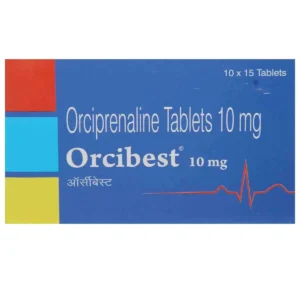
Orcibest (Orciprenaline)
Active Ingredient Orciprenaline Manufacturer Zydus Cadila Pharma Packaging 10 tablets in 1 strip Strength 10 Mg Delivery Time 6 To 15 days SKU: Orcibest (Orciprenaline) Price range: $6.00 through $15.00Orcibest (Orciprenaline)
Price range: $6.00 through $15.00 -

Ventorlin Inhaler 100 Mcg (Salbutamol)
Active Ingredient Salbutamol Manufacturer GlaxoSmithKline Pharmaceuticals Ltd Packaging 200 MDI in 1 Inhaler Strength 100 Mcg Delivery Time 6 To 15 days SKU: Ventorlin Inhaler 100 Mcg (Salbutamol) Price range: $6.00 through $25.00Ventorlin Inhaler 100 Mcg (Salbutamol)
Price range: $6.00 through $25.00