
Scabies Treatment Medicines: Complete Category Guide:-
Scabies Category Overview:-
Scabies treatment medicines are specialized medications designed to eliminate *Sarcoptes scabiei*, the microscopic mite responsible for scabies infections. These prescription treatments work by killing the mites and their eggs that burrow into the skin, causing intense itching and rashes. Healthcare providers prescribe these medicines as the primary treatment approach for scabies, as the condition cannot resolve without proper medical intervention. The medicines in this category are considered essential treatments for a highly contagious skin condition that affects millions of people worldwide across all age groups and socioeconomic backgrounds.
Scabies Conditions Treated:-
Medicines in this category specifically treat scabies infestations and their associated symptoms. The primary condition is the parasitic infection itself, characterized by severe itching that typically worsens at night, along with visible skin manifestations. These treatments address:
– Standard scabies infections affecting various body areas, including hands, wrists, elbows, and genital regions
– Crusted (Norwegian) scabies, a more severe form affecting immunocompromised individuals
– Secondary bacterial infections that may develop from scratching affected areas
– Post-scabies itching syndrome, which can persist after mites are eliminated
The condition spreads through prolonged skin-to-skin contact, making household treatment and prevention of reinfestation key concerns that these medicines help address.
Types of Medicines in This Category:-
Scabies treatments come in several formulations, each with specific application methods and treatment protocols:
Topical Creams and Lotions-
The most commonly prescribed format, these preparations are applied directly to the skin from neck to toes and left on for specified durations before washing off.
Oral Medications-
Systemic treatments taken by mouth are typically reserved for severe cases, widespread infestations, or situations where topical application is impractical.
Combination Approaches-
Some treatment plans incorporate both topical and oral medicines, particularly for crusted scabies or treatment-resistant cases.
Antipruritic Agents-
Supplementary medications that help manage itching during and after primary treatment, providing symptomatic relief while the infestation clears.
How These Medicines Work?
Scabies treatment medicines employ different mechanisms to eliminate mites and resolve the infection:
Neurotoxic Action: Many treatments work by affecting the nervous system of the scabies mite, causing paralysis and death of both adult mites and larvae. These medicines penetrate the mite’s protective layers and disrupt essential biological functions.
Ovicidal Effects: Effective treatments also kill mite eggs, preventing new generations from emerging and continuing the infestation cycle.
Skin Penetration: Topical formulations are designed to penetrate the outer skin layers where mites burrow, reaching the parasites in their tunnels while remaining relatively safe for human tissue.
Systemic Distribution: Oral medications circulate through the bloodstream and concentrate in skin tissues, attacking mites from within the body.
The itching and skin reaction associated with scabies result from an allergic response to mite proteins, which is why symptoms may persist for several weeks after successful elimination of the parasites.
Who May Benefit From This Category?
Healthcare providers prescribe scabies treatments for various patient populations experiencing confirmed or suspected infestations:
– Individuals with diagnosed scabies based on symptoms, examination findings, or laboratory confirmation
– Close contacts of infected persons, as preventive treatment is often recommended to stop transmission
– Residents of institutional settings such as nursing homes, prisons, or dormitories, where outbreaks occur
– Immunocompromised patients who may develop severe forms requiring aggressive treatment
– Pediatric patients, including infants, though specific formulations and protocols differ from adult treatments
– Pregnant or breastfeeding women who require carefully selected treatment options
A healthcare professional’s evaluation is essential before starting treatment, as other skin conditions can mimic scabies, and proper diagnosis ensures appropriate therapy.
Important Safety Information:-
Safety considerations are paramount when using scabies treatments due to their potent antiparasitic properties:
Medical Supervision Required-
All scabies medicines require professional diagnosis and prescription. Self-diagnosis and treatment can lead to inappropriate medication use, treatment failure, or adverse effects.
Special Populations-
Certain groups require modified treatment approaches:
– Infants and young children may need different concentrations or formulations
– Pregnant women have limited safe treatment options
– Elderly individuals may have sensitive skin requiring adjusted application protocols
– Immunocompromised patients often need extended or repeated treatment courses
Application Precautions-
Topical treatments must be applied carefully, avoiding the eyes, nose, mouth, and other mucous membranes. Some formulations should not be used on broken or severely inflamed skin without medical guidance.
Neurotoxicity Concerns-
While designed to be toxic to parasites, these medicines can affect the human nervous system if absorbed excessively or used improperly, particularly in vulnerable populations.
Resistance Monitoring-
Healthcare providers select treatments based on local resistance patterns, as mites can develop reduced sensitivity to certain medications over time.
Usage Guidance (General):-
Proper use of scabies medicines is critical for treatment success:
Treatment Timing-
Most topical treatments require overnight application (typically 8-14 hours) before washing off. Timing varies by specific medication and patient circumstances.
Full-Body Application-
Even though scabies may appear localized, treatment typically requires application to the entire body surface below the neck (and including the head in young children) to eliminate all mites.
Household Coordination-
Simultaneous treatment of all household members and close contacts is often recommended, even if they show no symptoms, to prevent reinfestation.
Environmental Measures-
Complementary actions such as washing bedding and clothing in hot water, vacuuming, and isolating non-washable items are important parts of comprehensive treatment.
Repeat Treatment-
Many protocols require a second application 7-14 days after the first to eliminate any newly hatched mites that survived as eggs during initial treatment.
Never adjust dosing, frequency, or duration without specific instructions from your prescribing healthcare provider.
Side Effects & Risks (General Overview):-
Understanding potential reactions helps patients recognize normal responses versus concerning problems:
Common Side Effects-
– Temporary burning or stinging sensation upon application
– Mild skin irritation, redness, or dryness
– Continued itching for several weeks after successful treatment
– Temporary worsening of itching in the first few days (treatment reaction)
Less Common But Notable Effects-
– Allergic reactions, including rash, hives, or swelling
– Numbness or tingling at application sites
– Headache or dizziness with certain treatments
– Nausea when using oral medications
Serious Risks Requiring Immediate Medical Attention-
– Signs of severe allergic reaction (difficulty breathing, facial swelling)
– Seizures or tremors
– Severe skin reactions or blistering
– Confusion or other neurological symptoms
Post-Treatment Considerations-
Persistent itching after treatment does not always indicate treatment failure. The body continues reacting to dead mite proteins for weeks. However, continued symptoms beyond four weeks warrant medical reassessment.
Contact your healthcare provider if you experience unexpected or severe reactions, or if symptoms persist or worsen after completing prescribed treatment.
Choosing the Right Medicine:-
Selection of appropriate scabies treatment involves professional medical judgment:
Factors Healthcare Providers Consider-
– Patient age and developmental stage
– Pregnancy or breastfeeding status
– Extent and severity of infestation
– Immune system function
– Previous treatment responses
– Medication allergies or sensitivities
– Ability to apply treatments correctly
– Local resistance patterns
Why Professional Selection Matters?
Different medications have distinct safety profiles, effectiveness rates, and contraindications. What works safely for one patient may be inappropriate or risky for another. Healthcare providers balance efficacy with safety based on individual circumstances.
Avoiding Self-Selection-
Over-the-counter products marketed for scabies are not always appropriate or effective. Misidentification of skin conditions leads many people to treat the wrong problem with the wrong medicine.
Second Opinions-
If treatment fails or concerns arise about medication selection, seeking consultation with dermatology specialists or infectious disease experts is appropriate and encouraged.
Your pharmacist can answer questions about proper application and storage,e but cannot substitute for medical diagnosis and treatment selection.
Storage & Handling Advice:-
Proper storage ensures medication effectiveness and household safety:
General Storage Guidelines-
– Store at room temperature unless otherwise specified
– Keep in original containers with labels intact
– Protect from excessive heat and direct sunlight
– Ensure lids are tightly closed after each use
Safety Considerations-
– Store all medications out of reach of children and pets
– Keep separate from food, beverages, and personal care products
– Dispose of unused or expired medications properly through pharmacy take-back programs or by following specific disposal instructions
Topical Preparation Care-
– Do not transfer creams or lotions to other containers
– Check expiration dates before use
– Discard if product changes color, consistency, or develops an unusual odor
Travel Considerations-
If traveling with scabies medications, maintain appropriate storage conditions and carry prescriptions or documentation to explain possession of prescription medicines.
Frequently Asked Questions?
How long does it take for scabies treatment to work?
Scabies medicines kill mites quickly—often within hours of proper application. However, itching and skin reactions typically persist for 2-4 weeks after successful treatment as your immune system continues responding to dead mite proteins. New burrows or spreading rash after treatment may indicate treatment failure or reinfestation requiring medical follow-up.
Can I use scabies medicine on my face and scalp?
This depends on the specific medication and patient age. In infants and young children, scabies commonly affects the head and face, requiring treatment of these areas with appropriate formulations. In adults, scabies rarely affects the face, so treatment typically covers from the neck down. Never extend application areas without healthcare provider guidance, as facial skin absorbs medications differently, and certain treatments can damage eyes and mucous membranes.
Why do I still itch after completing scabies treatment?
Post-scabies itching is extremely common and does not necessarily mean treatment failed. The dead mites and their waste products remain in your skin temporarily, continuing to trigger allergic reactions. This post-treatment itch can last 2-4 weeks or occasionally longer. Your doctor may prescribe antihistamines or topical corticosteroids to manage this symptom. However, if itching persists beyond four weeks or you develop new burrows, medical reassessment is needed.
Do all family members need treatment even if they don’t have symptoms?
Healthcare providers typically recommend simultaneous treatment of all household members and close physical contacts, even without visible symptoms. Scabies has an incubation period of 2-6 weeks in first-time infestations, meaning people can harbor and spread mites before developing symptoms. This preventive approach stops the cycle of reinfestation that commonly occurs when only symptomatic individuals are treated.
Medical Disclaimer:-
This content is provided for educational and informational purposes only and does not constitute medical advice, diagnosis, or treatment.
Scabies is a medical condition requiring professional diagnosis and treatment. The information presented here describes general characteristics of scabies treatment medicines as a category but is not a substitute for individualized medical care. Every patient’s situation is unique, and treatment decisions must be made by qualified healthcare providers based on thorough evaluation.
Do not use this information to self-diagnose or self-treat. Scabies can be confused with numerous other skin conditions, and inappropriate treatment may worsen your condition or delay proper care. Several serious conditions can mimic scabies symptoms.
Always consult a licensed healthcare provider before starting, stopping, or changing any medication. Your doctor or dermatologist will consider your complete medical history, current health status, other medications, and individual circumstances when recommending appropriate treatment.
In case of emergency medical situations, including severe allergic reactions, difficulty breathing, or other serious symptoms, seek immediate emergency medical care by calling emergency services or visiting the nearest emergency department.
This content was created following medical writing standards and healthcare compliance guidelines,s but does not replace the professional judgment of your personal healthcare providers. Treatment information evolves as new research emerges; your healthcare provider has access to the most current treatment protocols and guidelines.
If you have specific questions about scabies, your diagnosis, or your treatment plan, contact your prescribing healthcare provider or pharmacist directly.
-

Crotorax Cream (Crotamiton)
Active Ingredient Crotamiton Manufacturer Abbott India Pvt Ltd Packaging 20 gm in 1 tube Strength 10% Delivery Time 6 to 15 days SKU: Crotorax Cream (Crotamiton) Price range: $3.00 through $15.00Crotorax Cream (Crotamiton)
Price range: $3.00 through $15.00 -
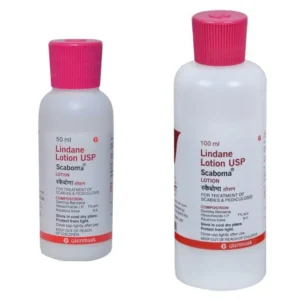
Lindan Lotion 100 ML
Active Ingredient Lindane Gamma Benzene Hexachloride Manufacturer Healing Pharma, India Packaging 100 ml in 1 bottle Strength 100 ml Delivery Time 6 To 15 days SKU: Lindan Lotion 100 ML (Lindane/Gamma Benzene Hexachloride) Price range: $4.00 through $20.00Lindan Lotion 100 ML
Price range: $4.00 through $20.00 -
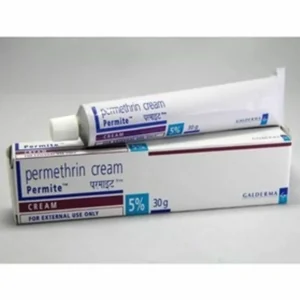 Price range: $15.00 through $55.00
Permethrin Cream (Permethrin)
Price range: $15.00 through $55.00 -
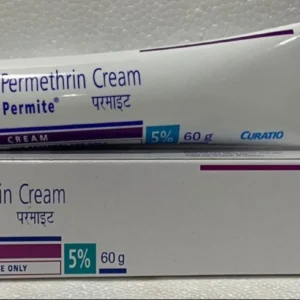
Permite Cream (Permethrin)
Active Ingredient Permethrin Manufacturer Curatio Healthcare India Pvt Ltd Packaging 60 gm in 1 tube Strength 5% Delivery Time 6 To 15 days SKU: Permite Cream (Permethrin) Price range: $6.00 through $27.00Permite Cream (Permethrin)
Price range: $6.00 through $27.00 -
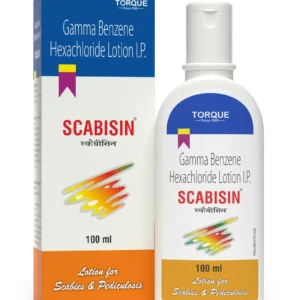
Scabisin Lotion (Lindane & Gamma Benzene Hexachloride)
Active Ingredient Lindane/Gamma Benzene Hexachloride Manufacturer Torque Pharmaceuticals Pvt. Ltd Packaging 100 ml in 1 bottle Strength 1% Delivery Time 6 To 15 days SKU: Scabisin Lotion (Lindane/Gamma Benzene Hexachloride) Price range: $7.00 through $36.00Scabisin Lotion (Lindane & Gamma Benzene Hexachloride)
Price range: $7.00 through $36.00 -
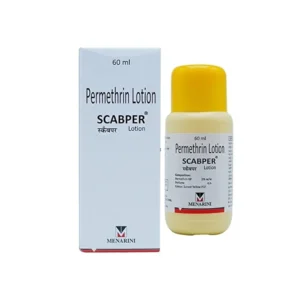
Scabper Lotion (Permethrin)
Active Ingredient Permethrin Manufacturer Menarini India Pvt Ltd Packaging 60 ml in 1 bottle Strength 5% Delivery Time 6 To 15 days SKU: Scabper Lotion (Permethrin) Price range: $4.00 through $20.00Scabper Lotion (Permethrin)
Price range: $4.00 through $20.00