
Skin Care Medicines: Understanding Your Treatment Options:-
Category Overview:-
Skin care medicines encompass a diverse range of treatments prescribed or recommended by healthcare professionals to address various skin conditions affecting people of all ages. These medications work through different mechanisms to treat skin disorders, manage symptoms, and support skin health. Dermatologists and general practitioners commonly prescribe these treatments after evaluating individual skin concerns, medical history, and specific diagnostic findings.
The skin care category includes treatments for acute conditions requiring short-term intervention as well as chronic disorders needing long-term management. Healthcare providers select appropriate medicines based on the condition’s severity, location, patient age, and overall health status.
Which Conditions Treated?
Medicines in this category address a wide spectrum of dermatological concerns:
Inflammatory Skin Conditions: Treatments may be prescribed for conditions characterized by redness, swelling, and discomfort affecting skin tissue.
Infectious Skin Disorders: Healthcare providers prescribe specific medicines when bacterial, fungal, or viral organisms affect the skin’s health.
Chronic Skin Conditions: Some treatments support the management of long-term skin disorders that require ongoing medical supervision.
Pigmentation Concerns: Certain medicines address abnormal skin coloration under professional guidance.
Structural Skin Issues: Treatments may target concerns related to skin texture, excessive growth, or abnormal skin cell development.
Symptom Management: Many medicines focus on relieving specific symptoms such as itching, scaling, or excessive dryness.
Healthcare professionals diagnose these conditions through clinical examination and, when necessary, additional testing before recommending appropriate treatment approaches.
Types of Medicines in This Category:-
Skin care medicines come in various formulations designed for specific conditions and application needs:
Topical Preparations: These include creams, ointments, gels, lotions, and solutions applied directly to affected skin areas. Each formulation type offers different penetration properties and is selected based on the condition and skin area being treated.
Oral Medications: Tablets and capsules are prescribed when systemic treatment is necessary for more widespread or severe skin conditions.
Injectable Treatments: Certain conditions may require medicines administered through injection, typically performed by healthcare professionals in clinical settings.
Medicated Cleansers and Shampoos: Specialized washing products containing active pharmaceutical ingredients for specific scalp and skin concerns.
Transdermal Systems: Patches or other delivery methods that release medicine gradually through the skin.
Combination Products: Formulations containing multiple active ingredients to address different aspects of a skin condition simultaneously.
Healthcare providers select the most appropriate formulation based on the condition’s nature, severity, location, and the patient’s individual circumstances.
How These Medicines Work?
Skin care medicines function through various mechanisms depending on their classification:
Anti-inflammatory Action: Some medicines work by reducing inflammation in skin tissue, helping to calm irritation and supporting the healing process.
Antimicrobial Activity: Certain treatments target harmful microorganisms, helping the body address bacterial, fungal, or viral presence on or in the skin.
Cell Growth Regulation: Some medicines influence how quickly skin cells grow and shed, which can be important for specific conditions.
Immune System Modulation: Certain treatments work by adjusting immune responses in skin tissue.
Moisture Regulation: Some medicines help restore or maintain appropriate moisture levels in skin layers.
Symptom Relief: Many treatments provide relief from uncomfortable symptoms while the underlying condition is being addressed.
The specific mechanism depends on the medicine’s active ingredients and the condition being treated. Healthcare providers explain how prescribed treatments work in the context of individual patient needs.
Who May Benefit From This Category?
Healthcare professionals may prescribe or recommend skin care medicines for patients experiencing:
– Diagnosed skin conditions requiring medical treatment
– Persistent skin symptoms that have not responded to non-prescription approaches
– Acute skin problems affecting quality of life or function
– Chronic conditions requiring ongoing medical management
– Skin concerns that may indicate underlying health issues
Doctors consider multiple factors before prescribing these medicines, including the patient’s age, overall health status, other medications being taken, pregnancy or nursing status, and the specific characteristics of the skin condition.
Not all skin concerns require prescription medicine. Healthcare providers assess each situation individually to determine whether medical treatment is appropriate or whether other approaches might be more suitable.
Important Safety Information:-
Medical Supervision is Essential: All prescription skin care medicines should only be used under a healthcare professional’s guidance. Even over-the-counter skin treatments may not be appropriate for everyone.
Who Should Exercise Caution: Certain individuals may need special consideration before using skin care medicines, including:
– Pregnant or nursing women
– Children and infants
– Elderly patients
– People with compromised immune systems
– Individuals with multiple health conditions
– Those taking other medications that might interact
General Precautions: Patients should inform their healthcare provider about all existing health conditions, allergies, and current medications before starting any skin care treatment. Some medicines may cause sensitivity to sunlight, affect skin healing, or have other important considerations.
Proper Application Matters: Using medicines incorrectly—whether applying too much, too little, too frequently, or to inappropriate areas—can reduce effectiveness or increase the risk of unwanted effects.
Monitoring for Problems: Healthcare providers typically schedule follow-up appointments to assess treatment response and watch for any concerns that may develop during treatment.
Never share prescription medicines with others, even if they appear to have similar skin concerns. What works safely for one person may not be appropriate for another.
Usage Guidance (General):-
Individualized Treatment Plans: Dosage, application frequency, treatment duration, and specific usage instructions vary significantly based on the medicine type, the condition being treated, and individual patient factors. Always follow the directions provided by your healthcare provider or pharmacist.
Application Principles: For topical medicines, healthcare providers typically advise on how much to apply, which areas to treat, whether to cover the treated area, and when to apply in relation to other skin care activities.
Treatment Duration: Some skin conditions improve quickly with short treatment courses, while others require extended therapy. Stopping treatment too early may allow conditions to return, while using medicines longer than directed may increase risks.
Missed Doses: If you forget to apply or take your medicine, consult the instructions provided or contact your pharmacist for guidance specific to your medication.
Combining Treatments: When using multiple skin care products or medicines, ask your healthcare provider about the appropriate order of application and timing to ensure effectiveness.
Never adjust your treatment regimen without consulting your healthcare provider, even if your condition appears to improve or worsen.
Side Effects & Risks (General Overview):-
Like all medicines, skin care treatments can cause unwanted effects, though not everyone experiences them.
Common Mild Effects: Depending on the specific medicine, patients may notice:
– Temporary skin irritation or redness at application sites
– Mild dryness or peeling
– Temporary changes in skin sensation
– Slight discomfort during initial use
These effects often diminish as the skin adjusts to treatment, but patients should discuss persistent concerns with their healthcare provider.
More Serious Concerns: While less common, some effects require prompt medical attention:
– Severe allergic reactions (rash, swelling, breathing difficulties)
– Unexpected worsening of the skin condition
– Signs of skin infection developing during treatment
– Systemic effects from oral or injectable medicines
– Skin thinning or other changes with prolonged topical steroid use
Individual Variation: The likelihood and severity of side effects vary based on the specific medicine, the patient’s individual characteristics, and how the medicine is used.
Patients should receive detailed information about potential effects specific to their prescribed medicine. Report any unexpected or concerning symptoms to your healthcare provider promptly.
Choosing the Right Medicine:-
Selecting appropriate skin care treatment requires a professional medical assessment. Self-diagnosis and self-treatment of skin conditions can delay proper care and sometimes worsen problems.
The Role of Healthcare Professionals: Dermatologists, general practitioners, and other qualified healthcare providers:
– Accurately diagnose skin conditions through examination and, when needed, testing
– Consider your complete medical history and current health status
– Evaluate potential interactions with other medicines you take
– Select treatments based on evidence and clinical guidelines
– Monitor your response and adjust treatment as needed
Pharmacist Consultation: Pharmacists provide valuable guidance about how to use prescribed medicines correctly, potential interactions, what to expect, and when to seek additional medical advice.
What to Discuss: When consulting healthcare professionals about skin concerns, be prepared to describe:
– How long has the problem existed
– What makes it better or worse
– Previous treatments tried
– Other health conditions and medications
– Any allergies or sensitivities
Avoid relying solely on online information or comparing your situation to others. Professional evaluation ensures you receive safe, appropriate treatment.
Storage & Handling Advice:-
Proper storage maintains medicine effectiveness and safety:
General Storage Guidelines:
– Store medicines at room temperature unless otherwise directed
– Keep topical preparations away from direct heat and light
– Ensure containers are tightly closed when not in use
– Check expiration dates regularly and dispose of expired medicines properly
– Some formulations may require refrigeration—follow specific instructions
Safety Considerations:
– Keep all medicines out of reach and sight of children
– Store medicines in their original containers with labels intact
– Avoid transferring medicines to different containers
– Do not use medicines that have changed color, consistency, or smell
– Dispose of medicines according to pharmacy or local waste disposal guidelines
Contamination Prevention:
– Wash your hands before applying topical medicines
– Avoid touching applicator tips to skin or other surfaces
– Do not share medicines or applicators with others
– Close containers immediately after use
If you have questions about how to store specific medicines or whether a medicine is still safe to use, consult your pharmacist.
Frequently Asked Questions?
How long does it typically take for skin care medicines to work?
Treatment response time varies considerably depending on the specific medicine and the condition being treated. Some treatments provide symptom relief within days, while others may require several weeks before noticeable improvement occurs. Chronic conditions often need months of treatment for optimal results. Your healthcare provider can give you realistic expectations for your specific situation. Patience and consistent use as directed are important, as is communicating with your provider if you’re not seeing expected improvement within the anticipated timeframe.
Can I use over-the-counter skin products along with my prescription medicine?
This depends on the specific medicines and products involved. Some combinations work well together, while others may reduce effectiveness or increase irritation. Always inform your healthcare provider or pharmacist about all skin care products you use, including cosmetics, sunscreens, moisturizers, and other treatments. They can advise whether these are safe to continue and how to time their application in relation to your prescription medicine. Generally, it’s best to keep your skin care routine simple while undergoing treatment.
Should I avoid sun exposure while using skin care medicines?
Many skin care medicines increase sun sensitivity, making skin more vulnerable to burning and damage. Some treatments specifically require sun avoidance or protection. Your healthcare provider will advise you about sun precautions specific to your medicine. When sun sensitivity is a concern, use appropriate sun protection measures, including broad-spectrum sunscreen, protective clothing, and limiting direct sun exposure, especially during peak hours. This guidance applies even on cloudy days, as UV rays penetrate cloud cover.
What should I do if my skin condition worsens during treatment?
Contact your healthcare provider if your condition worsens, spreads, or develops new concerning symptoms during treatment. While some initial mild irritation may occur with certain treatments, significant worsening is not expected and may indicate an allergic reaction, infection, or that the treatment isn’t appropriate for your condition. Do not simply discontinue treatment without guidance, as your provider may need to assess the situation and adjust your treatment plan or investigate other causes.
Medical Disclaimer:-
Educational Purpose Only: The information provided on this page is intended for general educational purposes and to support informed discussions with healthcare professionals. It is not a substitute for professional medical advice, diagnosis, or treatment.
Not Personalized Medical Advice: This content describes general categories of medicines and cannot address individual health circumstances, which vary significantly between patients. Your specific health needs, medical history, and appropriate treatment require personal evaluation by qualified healthcare professionals.
Consult Healthcare Providers: Always seek the advice of your physician, dermatologist, or other qualified healthcare provider with any questions regarding skin conditions, medicines, or your health. Never disregard professional medical advice or delay seeking it because of information you have read here.
Emergency Situations: If you experience a medical emergency, including signs of severe allergic reaction, serious side effects, or worsening health conditions, contact emergency services immediately or go to the nearest emergency department.
No Doctor-Patient Relationship: Reading this information does not create a doctor-patient or pharmacist-patient relationship. Online pharmacy services provide medicines based on valid prescriptions from your healthcare provider but do not replace the need for regular medical consultation and monitoring.
Accuracy and Updates: While this content is prepared with care, medical knowledge evolves continuously. Medicine information, treatment guidelines, and recommendations may change. Your healthcare provider has access to the most current information relevant to your situation.
Individual Responsibility: Patients are responsible for using medicines safely according to their healthcare provider’s instructions and for reporting any concerns or adverse effects promptly to their medical team.
- “Imiquimod Cream 5% (Imiquad Cream) 12.5 Mg Sachet” already exists in your wishlist
- “Imiquimod Cream 5% (Imiquad Cream) 12.5 Mg Sachet” already exists in your wishlist
-

Imiquimod Cream 5% (Imiquad Cream) 12.5 Mg Sachet
Active Ingredient Imiquimod Manufacturer Glenmark Pharmaceuticals Ltd. Packaging 0.25 gm in 1 sachet Strength 12.5mg Delivery Time 6 To 15 days SKU: Imiquad Sachet (Imiquimod) – 12.5 Mg Price range: $75.00 through $216.00Imiquimod Cream 5% (Imiquad Cream) 12.5 Mg Sachet
Price range: $75.00 through $216.00 -
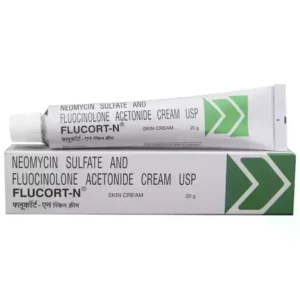
Flucort N Cream (Fluocinolone & Neomycin)
Active Ingredient Fluocinolone Manufacturer Glenmark Pharmaceuticals Ltd Packaging 20 gm in 1 tube, 30 gm in 1 tube Strength 20g Delivery Time 6 to 15 days SKU: Flucort N Cream (Fluocinolone/Neomycin) Price range: $5.00 through $28.00Flucort N Cream (Fluocinolone & Neomycin)
Price range: $5.00 through $28.00 -
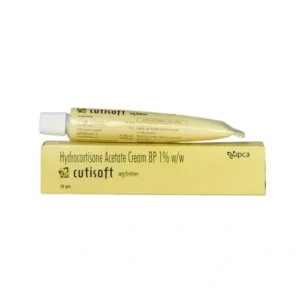
Cutisoft Cream (Hydrocortisone)
Active Ingredient Hydrocortisone Manufacturer Ipca Laboratories Ltd Packaging 10 gm in 1 tube Strength 1% Delivery Time 6 to 15 days SKU: Cutisoft Cream (Hydrocortisone) Price range: $12.00 through $32.00Cutisoft Cream (Hydrocortisone)
Price range: $12.00 through $32.00 -

8X Shampoo (Ciclopirox & Zinc pyrithione)
Active Ingredient Ciclopirox/Zinc pyrithione Manufacturer Cipla Limited Packaging 100 ml in 1 bottle Strength 100ml Delivery Time 6 To 15 days SKU: 8X Shampoo (Ciclopirox/Zinc pyrithione) Price range: $10.00 through $52.008X Shampoo (Ciclopirox & Zinc pyrithione)
Price range: $10.00 through $52.00 -

Acnelak-CLZ Cream (Clindamycin & Zinc acetate)
Active Ingredient Clindamycin/Zinc acetate Manufacturer Menarini India Pvt Ltd Packaging 15 gm in 1 tube Strength 15gm Delivery Time 6 To 15 days SKU: Acnelak-CLZ Cream (Clindamycin/Zinc acetate) Price range: $7.00 through $23.00Acnelak-CLZ Cream (Clindamycin & Zinc acetate)
Price range: $7.00 through $23.00 -
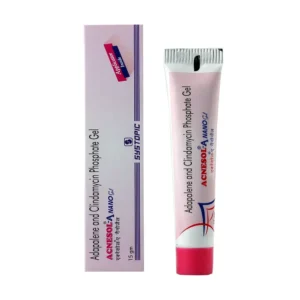
Acnesol A Nano Gel 15gm (Adapalene 0.1% & Clindamycin 1%)
Active Ingredient Clindamycin Manufacturer Systopic Laboratories Pvt Ltd Packaging 20 gm in 1 tube Strength 15gm Delivery Time 6 To 15 days SKU: Acnesol A Nano Gel 15gm (Adapalene 0.1% / Clindamycin 1%) Price range: $24.00 through $60.00Acnesol A Nano Gel 15gm (Adapalene 0.1% & Clindamycin 1%)
Price range: $24.00 through $60.00 -
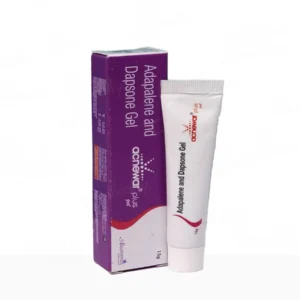
Acnewar Plus Gel (Dapsone & Adapalene)
Active Ingredient Dapsone/Adapalene Manufacturer Akumentis Healthcare Ltd Packaging 15 gm in 1 tube Strength 15gm Delivery Time 6 To 15 days SKU: Acnewar Plus Gel (Dapsone/Adapalene) Price range: $10.00 through $54.00Acnewar Plus Gel (Dapsone & Adapalene)
Price range: $10.00 through $54.00 -
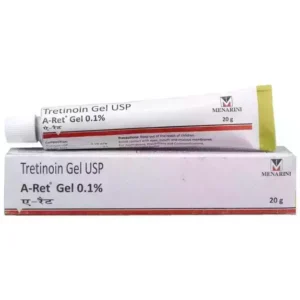
A Ret Gel 0.1%
Active Ingredient Tretinoin Manufacturer Menarini India Pvt Ltd Packaging 20g in Gel Strength 0.1% Delivery Time 6 To 15 days SKU: A Ret Gel 0.1% (Tretinoin) Price range: $28.00 through $74.00A Ret Gel 0.1%
Price range: $28.00 through $74.00 -

Aceret 25 Mg (Acitretin)
Active Ingredient Acitretin Manufacturer Glenmark Pharmaceuticals Ltd. Packaging 10 capsules in 1 strip Strength 25 Mg Delivery Time 6 to 15 days SKU: Aceret 25 Mg (Acitretin) Price range: $87.00 through $245.00Aceret 25 Mg (Acitretin)
Price range: $87.00 through $245.00 -
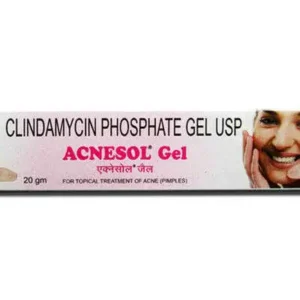
Acnesol Gel 1 (Clindamycin)
Active Ingredient Clindamycin Manufacturer Systopic Laboratories Pvt Ltd Packaging 20 gm in 1 tube Strength 20g Delivery Time 6 To 15 days SKU: Acnesol Gel 1 Price range: $20.00 through $50.00Acnesol Gel 1 (Clindamycin)
Price range: $20.00 through $50.00 -
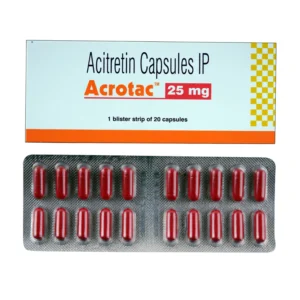
Acrotac 25mg (Acitretin)
Active Ingredient Acitretin Manufacturer Sun Pharmaceutical Industries Ltd Packaging 20 capsules in 1 strip Strength 25mg Delivery Time 6 To 15 days SKU: Acrotac 25mg (Acitretin) Price range: $90.00 through $245.00Acrotac 25mg (Acitretin)
Price range: $90.00 through $245.00 -
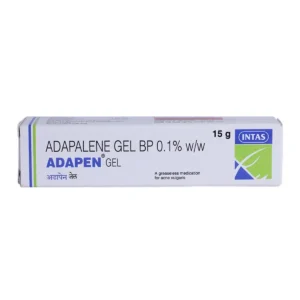
Adapen Gel (Adapalene)
Active Ingredient Adapalene Manufacturer Intas Pharmaceuticals Ltd Packaging 15 gm in 1 tube Strength 0.1% Delivery Time 6 To 15 days SKU: Adapen Gel (Adapalene) Price range: $8.00 through $40.00Adapen Gel (Adapalene)
Price range: $8.00 through $40.00