
Skin Disorder Medicines: Comprehensive Patient Guide:-
Skin Disorder Category Overview:-
Skin disorder medicines encompass a wide range of treatments prescribed and recommended by healthcare professionals to manage various dermatological conditions. These medications address issues affecting the skin’s health, appearance, and function, from acute infections to chronic inflammatory conditions.
Dermatologists and general practitioners prescribe these treatments when lifestyle modifications and basic skincare measures prove insufficient. The medicines in this category work through different mechanisms to reduce inflammation, fight infections, regulate cell growth, or restore the skin’s protective barrier. Treatment selection depends on the specific condition, its severity, the affected body area, and individual patient factors.
Different Conditions Treated:-
Medicines in this category are used to manage numerous skin-related health concerns, including:
Inflammatory Conditions: Conditions such as eczema (atopic dermatitis), psoriasis, and contact dermatitis involve immune system responses that cause redness, swelling, and discomfort. These require anti-inflammatory approaches.
Infectious Conditions: Bacterial, fungal, and viral skin infections affect the skin’s integrity and may spread without appropriate treatment. These include conditions like impetigo, ringworm, and certain viral rashes.
Acne and Related Conditions: Acne vulgaris and rosacea involve blocked pores, inflammation, and sometimes bacterial involvement, requiring targeted therapeutic approaches.
Pigmentation Disorders: Conditions affecting skin color, such as melasma or hyperpigmentation, may benefit from specific dermatological treatments.
Allergic Reactions: Skin manifestations of allergic responses, including hives and allergic rashes, often require medical management.
Autoimmune Skin Conditions: Certain conditions where the immune system affects the skin may require specialized medications to control symptoms and prevent progression.
Only qualified healthcare providers can properly diagnose skin conditions and determine appropriate treatment pathways.
Types of Medicines in This Category:-
Skin disorder treatments are available in various formulations, each suited to different conditions and patient needs:
Topical Preparations: These include creams, ointments, lotions, gels, and foams applied directly to affected areas. They deliver medication locally with minimal systemic absorption in most cases.
Oral Medications: Tablets and capsules work systemically throughout the body and are prescribed when topical treatments prove insufficient or when conditions are widespread.
Injectable Treatments: Some advanced therapies for severe or resistant skin conditions are administered through injections, typically in specialized care settings.
Medicated Shampoos and Cleansers: These treat scalp conditions and certain skin issues affecting areas with hair growth.
Combination Products: Some treatments combine multiple active ingredients to address different aspects of a skin condition simultaneously.
The formulation type depends on the condition’s nature, location, severity, and how the body best absorbs and responds to treatment.
How These Medicines Work?
Skin disorder medicines employ various mechanisms to restore skin health:
Anti-inflammatory Action: Many treatments reduce inflammation by modulating immune responses in the skin, decreasing redness, swelling, and discomfort.
Antimicrobial Effects: Antibacterial, antifungal, and antiviral medicines eliminate or control infectious organisms causing or complicating skin conditions.
Cell Growth Regulation: Some medications normalize the rate at which skin cells grow and shed, particularly important in conditions like psoriasis, where this process accelerates abnormally.
Barrier Repair: Certain treatments help restore the skin’s protective barrier function, preventing moisture loss and reducing susceptibility to irritants.
Immune System Modulation: Advanced therapies for severe conditions may target specific immune pathways involved in chronic skin diseases.
Symptom Relief: Some medicines primarily focus on relieving itching, pain, or other distressing symptoms while the underlying condition heals.
The specific mechanism depends on the medication type and the condition being treated. Your healthcare provider can explain how your prescribed treatment works.
Who May Benefit From This Category?
Healthcare providers may prescribe skin disorder medicines to patients experiencing:
– Persistent skin conditions that don’t respond to basic skincare measures
– Acute skin infections requiring antimicrobial treatment
– Chronic inflammatory skin diseases affecting quality of life
– Severe acne that hasn’t improved with over-the-counter approaches
– Autoimmune skin conditions requiring specialized management
– Allergic skin reactions causing significant discomfort
– Conditions where the skin’s protective function is compromised
Suitability depends on numerous factors, including medical history, current medications, other health conditions, age, pregnancy status, and the specific characteristics of the skin condition. Only a healthcare professional can determine whether these treatments are appropriate for an individual patient.
Children, pregnant women, elderly patients, and those with certain underlying health conditions may require modified treatment approaches or additional monitoring.
Important Safety Information:-
Safe use of skin disorder medicines requires professional guidance and careful attention to precautions:
Medical Supervision is Essential: Never use prescription skin medications without proper medical diagnosis and ongoing professional oversight. What appears as one skin condition may actually be another requiring different treatment.
Potential Contraindications: Certain patients should not use specific skin treatments, including those with allergies to medication components, certain underlying health conditions, or those taking interacting medications.
Special Population Considerations: Pregnant and breastfeeding women, children, and elderly patients often require adjusted treatment approaches. Always inform healthcare providers about pregnancy, breastfeeding plans, or if treating children.
Infection Risk: Some anti-inflammatory skin medications may increase infection susceptibility. Report any signs of new or worsening skin infections promptly.
Sun Sensitivity: Many dermatological treatments increase skin sensitivity to sunlight, requiring careful sun protection measures.
Application Site Reactions: Even topical medications can cause local irritation, especially during initial use. Understanding what’s normal and what requires medical attention is important.
Long-term Use Concerns: Some treatments aren’t intended for prolonged use without medical monitoring, as this may lead to skin thinning or other complications.
Always disclose your complete medical history, all medications and supplements you take, and any previous adverse reactions to medications when consulting healthcare providers.
Usage Guidance (General):-
Proper use of skin disorder medicines significantly impacts treatment success:
Follow Prescriber Instructions: Dosage, application frequency, duration of treatment, and specific usage instructions vary widely depending on the medication, condition, and individual patient factors. Always follow the directions provided by your healthcare provider or pharmacist.
Topical Application Techniques: When using topical treatments, clean and dry the affected area before application unless directed otherwise. Use the amount specified and apply gently. Wash hands before and after application unless treating the hands.
Treatment Duration: Complete the full course of treatment even if symptoms improve earlier, particularly with antimicrobial medications. However, some treatments require stopping if certain reactions occur.
Consistency Matters: Many skin conditions require regular, consistent treatment for optimal results. Missing applications or doses may reduce effectiveness.
Combination with Other Products: Inform your healthcare provider about all skincare products, cosmetics, and other topical treatments you use, as these may interact or interfere with prescribed medications.
Monitoring Response: Keep track of how your skin responds to treatment and report concerns to your healthcare provider. Some conditions require treatment adjustments.
Never adjust dosages, frequency, or stop treatment without consulting your prescribing healthcare professional.
Side Effects & Risks (General Overview):-
Like all medications, skin disorder treatments may cause unwanted effects, though not everyone experiences them:
Common Side Effects with Topical Treatments:
– Mild burning, stinging, or tingling at application sites
– Temporary redness or dryness
– Skin irritation or sensitivity
– Peeling or flaking (sometimes intended, as with acne treatments)
Common Side Effects with Oral Treatments:
– Digestive upset or nausea
– Headache or dizziness
– Fatigue
– Increased sun sensitivity
Serious Side Effects Requiring Immediate Medical Attention:
– Severe allergic reactions (difficulty breathing, facial swelling, severe rash)
– Signs of skin infection (increased redness, warmth, pus, fever)
– Severe or blistering skin reactions
– Vision changes (with certain treatments)
– Unexplained bruising or bleeding
– Severe mood changes or depression (with some oral medications)
Long-term Considerations:
Some treatments used over extended periods may cause skin thinning, changes in skin color, or systemic effects depending on absorption levels.
The side effect profile varies significantly depending on the specific medication, formulation, and individual patient factors. Your healthcare provider will discuss risks and benefits specific to your prescribed treatment. Report any concerning or unexpected symptoms promptly.
Choosing the Right Medicine:-
Selecting appropriate skin disorder treatment is a medical decision requiring professional expertise:
Factors Influencing Treatment Selection:
– Accurate diagnosis of the specific skin condition
– Condition severity and extent
– Location of affected areas
– Patient age and overall health status
– Previous treatment responses
– Medication allergies or sensitivities
– Current medications and potential interactions
– Pregnancy or breastfeeding status
– Patient preferences and lifestyle considerations
– Cost and accessibility factors
Why Self-Selection is Inadvisable:
Many skin conditions appear similar to non-specialists but require different treatments. Using inappropriate medications may worsen conditions, mask serious underlying issues, cause unnecessary side effects, or delay proper diagnosis and treatment.
The Role of Healthcare Professionals:
Dermatologists specialize in skin conditions and can provide expert diagnosis and treatment planning. General practitioners can manage many common skin conditions and refer to specialists when needed. Pharmacists can explain how to use prescribed medications properly and answer questions about treatment.
Always consult qualified healthcare providers rather than self-diagnosing or self-treating based on internet information or advice from non-medical sources.
Storage & Handling Advice:-
Proper storage maintains medication effectiveness and ensures safety:
General Storage Guidelines:
– Store medications in their original containers with labels intact
– Keep most skin medications at room temperature unless specified otherwise
– Protect from excessive heat, direct sunlight, and moisture
– Some topical treatments require refrigeration—check specific instructions
– Keep all medications out of reach and sight of children
– Store medications away from bathroom humidity when possible
Safety Measures:
– Never share prescription skin medications with others, even if they appear to have similar conditions
– Keep medications in child-resistant containers if children are present
– Avoid transferring medications to different containers
– Don’t use medications past their expiration dates
Disposal:
– Dispose of expired or unused medications properly through pharmacy take-back programs or following local disposal guidelines
– Don’t flush medications down toilets or drains unless specifically instructed
Travel Considerations:**
When traveling, keep medications in original containers, carry prescriptions or pharmacy labels, and protect from extreme temperatures.
Check specific storage requirements for your particular medication, as some treatments have unique storage needs.
Frequently Asked Questions?
Q: How long does it typically take to see improvement with skin disorder treatments?
A: Response time varies significantly depending on the condition and treatment type. Some acute infections may show improvement within days, while chronic inflammatory conditions like eczema or psoriasis might require several weeks of consistent treatment before noticeable benefits appear. Certain treatments, particularly those for acne, may cause temporary worsening before improvement begins. Your healthcare provider can give you realistic expectations for your specific situation. Patience and consistent treatment adherence are often key to successful outcomes.
Q: Can I use moisturizers or cosmetics while treating a skin condition?
A: This depends on your specific treatment and condition. Many healthcare providers actually recommend gentle moisturizers to support skin barrier function, especially with treatments that cause dryness. However, some products may interfere with medication absorption or irritate treated skin. Always ask your healthcare provider or pharmacist about which products are safe to use alongside your prescribed treatment, when to apply them in relation to medications, and which ingredients to avoid.
Q: Why do some skin medications require gradual introduction or tapering?
A: Some treatments, particularly potent topical corticosteroids or certain oral medications, may irritate if started at full strength or cause rebound worsening if stopped suddenly. Gradual introduction allows skin to adjust with minimal irritation, while gradual tapering helps prevent the condition from flaring when treatment is reduced or discontinued. Always follow your healthcare provider’s specific instructions regarding treatment initiation and discontinuation rather than making changes independently.
Q: Are natural or herbal alternatives as effective as prescription skin medications?
A: While some botanical ingredients have beneficial properties, prescription medications undergo rigorous testing for safety and effectiveness in specific conditions. Many skin disorders require the targeted action of pharmaceutical treatments for adequate control. Some natural products may interact with prescribed medications or cause allergic reactions. If you’re interested in complementary approaches, discuss them with your healthcare provider rather than replacing prescribed treatments without medical guidance. Your provider can advise on which complementary measures might safely support your treatment plan.
Disclaimer:-
This content is provided for educational and informational purposes only and is not intended to substitute for professional medical advice, diagnosis, or treatment.
The information presented about skin disorder medicines offers general knowledge to support understanding and informed conversations with healthcare providers. It does not constitute medical advice for any person or specific condition. Skin conditions vary greatly in their causes, presentations, and appropriate treatments, requiring personalized professional evaluation.
Important Points:
– Always consult qualified healthcare professionals for diagnosis of skin conditions and treatment recommendations
– Individual responses to medications vary; information here represents general patterns, not guaranteed outcomes
– This content does not replace medication package inserts, prescriber instructions, or pharmacist counseling
– Treatment decisions should be made collaboratively with licensed healthcare providers who know your complete medical history
– Emergency medical conditions require immediate professional attention—call emergency services for severe allergic reactions, difficulty breathing, or other urgent symptoms
– Medication availability, formulations, and guidelines may change; consult current professional sources and your healthcare team
If you experience concerning symptoms, adverse effects, or have questions about your specific situation, contact your healthcare provider or pharmacist promptly. In medical emergencies, call emergency services immediately.
This information was prepared following healthcare content standards, but cannot account for individual circumstances, regional variations in medical practice, or changes in medical knowledge occurring after preparation. Always prioritize direct professional medical guidance for your personal health decisions.
-

Imiquimod Cream 5% (Imiquad Cream) 12.5 Mg Sachet
Active Ingredient Imiquimod Manufacturer Glenmark Pharmaceuticals Ltd. Packaging 0.25 gm in 1 sachet Strength 12.5mg Delivery Time 6 To 15 days SKU: Imiquad Sachet (Imiquimod) – 12.5 Mg Price range: $75.00 through $216.00Imiquimod Cream 5% (Imiquad Cream) 12.5 Mg Sachet
Price range: $75.00 through $216.00 -
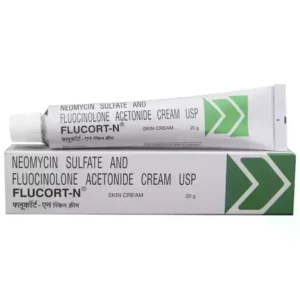
Flucort N Cream (Fluocinolone & Neomycin)
Active Ingredient Fluocinolone Manufacturer Glenmark Pharmaceuticals Ltd Packaging 20 gm in 1 tube, 30 gm in 1 tube Strength 20g Delivery Time 6 to 15 days SKU: Flucort N Cream (Fluocinolone/Neomycin) Price range: $5.00 through $28.00Flucort N Cream (Fluocinolone & Neomycin)
Price range: $5.00 through $28.00 -
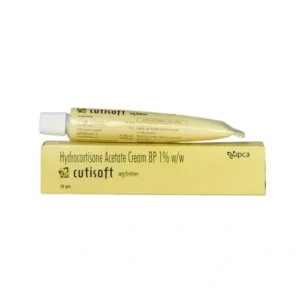
Cutisoft Cream (Hydrocortisone)
Active Ingredient Hydrocortisone Manufacturer Ipca Laboratories Ltd Packaging 10 gm in 1 tube Strength 1% Delivery Time 6 to 15 days SKU: Cutisoft Cream (Hydrocortisone) Price range: $12.00 through $32.00Cutisoft Cream (Hydrocortisone)
Price range: $12.00 through $32.00 -
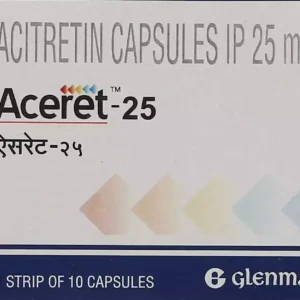
Aceret 25 Mg (Acitretin)
Active Ingredient Acitretin Manufacturer Glenmark Pharmaceuticals Ltd. Packaging 10 capsules in 1 strip Strength 25 Mg Delivery Time 6 to 15 days SKU: Aceret 25 Mg (Acitretin) Price range: $87.00 through $245.00Aceret 25 Mg (Acitretin)
Price range: $87.00 through $245.00 -

B-Bact Ointment 5 GM (Mupirocin)
Active Ingredient Mupirocin Manufacturer Wallace Pharmaceuticals Pvt. Ltd. Packaging 5 gm in 1 tube Strength 5gm Delivery Time 6 to 15 days SKU: B-Bact Ointment 5 GM (Mupirocin) Price range: $4.00 through $21.00B-Bact Ointment 5 GM (Mupirocin)
Price range: $4.00 through $21.00 -
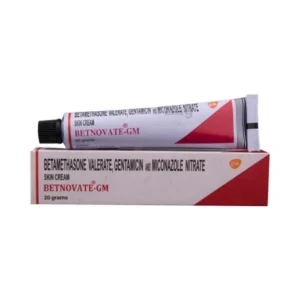
Betnovate GM (Betamethasone, Gentamicin & Miconazole)
Active Ingredient Betamethasone Manufacturer GlaxoSmithKline Pharmaceuticals Ltd Packaging 20g & 30g Tubes Strength 20g Delivery Time 6 to 15 days SKU: Betnovate GM (Betamethasone/Gentamicin/Miconazole) Price range: $4.00 through $20.00Betnovate GM (Betamethasone, Gentamicin & Miconazole)
Price range: $4.00 through $20.00 -
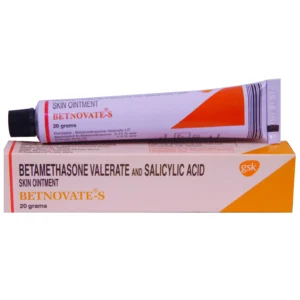
Betnovate S (Betamethasone & Salicylic)
Active Ingredient Betamethasone Manufacturer GlaxoSmithKline Pharmaceuticals Ltd Packaging 20g & 30g Tubes Strength 20g Delivery Time 6 To 15 days SKU: Betnovate S (Betamethasone/Salicylic) Price range: $4.00 through $20.00Betnovate S (Betamethasone & Salicylic)
Price range: $4.00 through $20.00 -
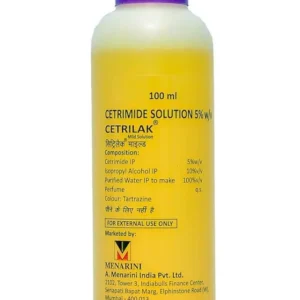
Cetrilak Mild Solution (Cetrimide)
Active Ingredient Cetrimide Manufacturer Menarini India Pvt Ltd Packaging 100ml in bottle Strength 5% Delivery Time 6 To 15 days SKU: Cetrilak Mild Solution (Cetrimide) Price range: $3.00 through $17.00Cetrilak Mild Solution (Cetrimide)
Price range: $3.00 through $17.00 -
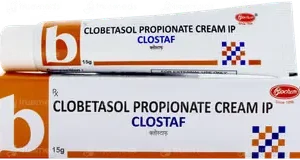
Clostaf Cream (Clobetasol Propionate)
Active Ingredient Clobetasol Propionate Manufacturer Biochem Pharmaceutical Industries Ltd Packaging 15g Tube Strength 15gm Delivery Time 6 To 15 days SKU: Clostaf Cream (Clobetasol Propionate) Price range: $7.00 through $25.00Clostaf Cream (Clobetasol Propionate)
Price range: $7.00 through $25.00 -

Cutisera Serum (Conditioned Medium)
Active Ingredient Conditioned Medium Manufacturer Cipla Limited Packaging 30ml in 1 bottle Strength 30ml Delivery Time 6 To 15 days SKU: Cutisera Serum (Conditioned Medium) Price range: $70.00 through $200.00Cutisera Serum (Conditioned Medium)
Price range: $70.00 through $200.00 -
Demelan Cream (Glycolic Acid, Arbutin & Kojic Acid)
Active Ingredient Glycolic acid/Arbutin/Kojic acid Manufacturer Glenmark Pharmaceuticals Ltd. Packaging 20gm in 1 Tube Strength 20g Delivery Time 6 to 15 days SKU: Demelan Cream (Glycolic Acid/Arbutin/Kojic Acid) Price range: $15.00 through $60.00Demelan Cream (Glycolic Acid, Arbutin & Kojic Acid)
Price range: $15.00 through $60.00 -
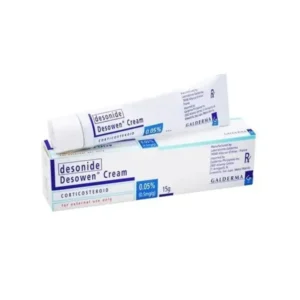
Desowen Cream (Desonide)
Active Ingredient Desonide Manufacturer Galderma India Pvt Ltd Packaging 10 gm in 1 tube Strength 0.05% Delivery Time 6 to 15 days SKU: Desowen Cream (Desonide) Price range: $4.00 through $21.00Desowen Cream (Desonide)
Price range: $4.00 through $21.00