
Skin Lightening Medicines: Complete Category Guide:-
Category Overview:-
Skin lightening medicines, also known as depigmentation or skin-brightening treatments, are medical and cosmetic preparations used to reduce excess melanin production or address uneven skin tone. Healthcare professionals may recommend these treatments for various dermatological conditions, including hyperpigmentation disorders, melasma, post-inflammatory pigmentation, and certain cosmetic concerns affecting skin appearance.
These medicines work through different mechanisms to reduce melanin synthesis, promote skin cell turnover, or inhibit enzymes responsible for pigment production. Medical supervision is essential when using skin lightening treatments, as improper use can lead to adverse effects or worsen existing conditions.
Conditions Treated:-
Skin lightening medicines are typically prescribed or recommended for:
Melasma: Brown or gray-brown patches that appear on the face, often triggered by hormonal changes, sun exposure, or certain medications.
Post-Inflammatory Hyperpigmentation (PIH): Dark spots that remain after skin inflammation, acne, injuries, or dermatological procedures.
Age Spots and Sun Damage: Darkened areas resulting from prolonged sun exposure and natural aging processes.
Uneven Skin Tone: Patches of darker skin that create an irregular complexion, which may occur due to various factors.
Certain Medical Conditions: Some dermatological disorders that cause excessive melanin production may require medical-grade lightening treatments under specialist care.
It’s important to understand that not all skin discoloration requires treatment, and a dermatologist should evaluate any concerning changes in skin appearance.
Types of Medicines in This Category:-
Skin lightening treatments are available in several forms and formulations:
Topical Creams and Lotions-
The most common delivery method is applied directly to affected areas. These range from mild cosmetic formulations to prescription-strength preparations.
Serums and Gels-
Lightweight formulations that may contain concentrated active ingredients are often used for targeted treatment of specific areas.
Prescription-Strength Treatments-
Medical-grade preparations containing regulated concentrations of active ingredients are available only through healthcare providers.
Combination Therapies-
Products containing multiple active ingredients designed to work synergistically are often prescribed for resistant pigmentation issues.
Maintenance Formulations-
Lower-concentration products are used after initial treatment to maintain results and prevent recurrence.
Different formulations are selected based on the condition being treated, skin type, severity of pigmentation, and individual patient factors.
How These Medicines Work?
Skin lightening medicines employ various mechanisms to reduce pigmentation:
Melanin Synthesis Inhibition: Some active ingredients interfere with the enzyme tyrosinase, which is essential for melanin production in skin cells.
Cellular Turnover Enhancement: Certain treatments accelerate the natural process of skin cell renewal, helping to shed pigmented cells and reveal newer, lighter skin underneath.
Melanin Transfer Disruption: Some compounds prevent the transfer of melanin from melanocytes (pigment-producing cells) to surrounding skin cells.
Antioxidant Action: Certain ingredients work by neutralizing free radicals and reducing oxidative stress that can trigger excess pigmentation.
Exfoliation: Some treatments remove the outer layers of pigmented skin, promoting regeneration of clearer skin.
The effectiveness of these mechanisms varies depending on the underlying cause of pigmentation, skin type, and consistency of use under medical guidance.
Who May Benefit From This Category?
Healthcare providers may recommend skin lightening treatments for patients who:
– Have been diagnosed with melasma or other hyperpigmentation disorders
– Experience persistent dark spots following acne or skin injuries
– Have uneven skin tone, causing cosmetic concern or affecting quality of life
– Show signs of sun damage with irregular pigmentation
– Require medical treatment for certain dermatological conditions involving excess pigmentation
These treatments are generally prescribed for adults, though adolescents may receive them under specific circumstances and close medical supervision.
Not all individuals are suitable candidates for skin lightening treatments. Factors such as skin type, medical history, current medications, and the underlying cause of pigmentation all influence whether these treatments are appropriate.
Pregnant or breastfeeding women should exercise particular caution, as many skin-lightening ingredients are not recommended during these periods.
Important Safety Information:-
Medical Consultation is Essential-
Never begin skin lightening treatment without professional evaluation. What appears to be simple hyperpigmentation may sometimes indicate underlying health conditions requiring different management.
Sun Protection is Mandatory-
All patients using skin lightening treatments must practice strict sun protection. These treatments can make skin more sensitive to UV radiation, and sun exposure can worsen pigmentation or cause new dark spots.
Patch Testing-
Many skin-lightening ingredients can cause irritation or allergic reactions. Healthcare providers often recommend patch testing before full application.
Who Should Avoid or Use With Caution?
– Individuals with sensitive skin or a history of allergic reactions to skincare products
– People with active skin infections, open wounds, or inflammatory skin conditions
– Those with certain medical conditions affecting skin integrity
– Patients taking photosensitizing medications
– Pregnant or breastfeeding women (for most formulations)
Risks of Improper Use-
Misuse of skin-lightening products can lead to:
– Ochronosis (paradoxical darkening and thickening of skin)
– Skin thinning or atrophy
– Increased sun sensitivity and burn risk
– Irritation, redness, or inflammation
– Rebound pigmentation
– Uneven or blotchy results
Counterfeit and Unregulated Products-
Some unregulated skin lightening products contain dangerous substances such as mercury, high-dose steroids, or banned chemicals. Only use products obtained through legitimate healthcare channels.
Usage Guidance (General):-
Individual Treatment Plans-
Dosage, frequency, and duration of treatment vary significantly based on:
– The specific condition being treated
– Severity of pigmentation
– Skin type and sensitivity
– Concurrent treatments
– Individual response to therapy
Application Instructions-
Healthcare providers will provide specific instructions on:
– How much product to apply
– Which areas to treat
– Time of day for application
– Whether to use with other skincare products
– Duration of treatment
Gradual Process-
Skin lightening is typically a gradual process. Visible improvements may take several weeks to months, and patience is essential.
Combination Approaches-
Dermatologists often combine skin lightening treatments with:
– Sun protection measures
– Gentle skincare routines
– Professional procedures (when appropriate)
– Treatment of underlying conditions
Importance of Consistency:-
Following the prescribed regimen consistently is crucial for effectiveness. However, if irritation occurs, patients should contact their healthcare provider rather than continuing to use the product.
Side Effects & Risks (General Overview):-
Common Side Effects-
Many patients experience mild, temporary effects, including:
– Mild redness or warmth at application sites
– Slight dryness or flaking
– Temporary increased skin sensitivity
– Minor tingling sensation
These effects often diminish as skin adjusts to treatment, but should be monitored and reported to healthcare providers.
Less Common but Notable Effects-
– Moderate to severe irritation
– Persistent redness or inflammation
– Increased photosensitivity
– Contact dermatitis or allergic reactions
– Temporary darkening before lightning occurs
Serious Concerns Requiring Immediate Medical Attention-
– Severe burning or pain
– Blistering or oozing
– Signs of infection
– Unexpected skin color changes
– Severe allergic reactions (rash, difficulty breathing, swelling)
Long-Term Considerations-
With extended or improper use, some patients may experience:
– Skin thinning or textural changes
– Development of stretch marks
– Persistent sensitivity
– Rebound hyperpigmentation after discontinuation
Regular monitoring by healthcare providers helps identify and address potential issues early.
Choosing the Right Medicine:-
Self-selection of skin-lightening treatments is not recommended. The appropriate treatment depends on numerous factors that only qualified healthcare professionals can properly assess:
Professional Evaluation Includes-
– Accurate diagnosis of the pigmentation cause
– Assessment of skin type and condition
– Review of medical history and current medications
– Evaluation of previous treatment responses
– Consideration of lifestyle factors and sun exposure
Factors Influencing Treatment Selection-
– Type of Pigmentation: Different conditions respond to different active ingredients
– Skin Depth: Surface versus deeper pigmentation requires different approaches
– Skin Type: Certain formulations are safer for specific skin types
– Severity: Mild versus severe cases may need different strength preparations
– Treatment Goals: Medical necessity versus cosmetic preference
Role of Healthcare Providers-
Dermatologists and qualified healthcare professionals can:
– Prescribe appropriate strength formulations
– Monitor treatment progress and safety
– Adjust treatment plans as needed
– Combine treatments for optimal results
– Identify when pigmentation changes require further investigation
Questions to Discuss With Your Provider-
– What is causing my pigmentation?
– Which treatment is most appropriate for my condition?
– How long will treatment take?
– What results can I realistically expect?
– What are the risks specific to my situation?
– How should I protect my skin during treatment?
Storage & Handling Advice:-
Proper storage helps maintain product effectiveness and safety:
General Storage Guidelines-
– Temperature: Store at room temperature unless otherwise specified; some products may require refrigeration
– Light Protection: Keep in original containers away from direct sunlight, as many active ingredients are light-sensitive
– Moisture: Store in dry areas; bathroom storage may expose products to excess humidity
– Container Integrity: Keep containers tightly closed when not in use
Safety Measures-
– Keep Out of Reach: Store away from children and pets
– Expiration Dates: Do not use products past their expiration date; expired products may be ineffective or cause irritation
– Product Appearance: Discontinue use if the product changes color, develops an unusual odor, or separates
– Hand Hygiene: Wash hands before and after application to prevent contamination
Travel Considerations-
When traveling with skin-lightening medicines:
– Keep products in their original labeled containers
– Protect from extreme temperatures
– Carry prescription documentation if products contain regulated substances
– Maintain a consistent application schedule when possible
Disposal-
Dispose of unused or expired products according to local pharmaceutical waste guidelines. Do not flush down toilets unless specifically instructed.
Frequently Asked Questions?
How long does it take to see results from skin lightening treatments?
Results vary significantly depending on the type and severity of pigmentation, the specific treatment used, and individual skin response. Generally, noticeable improvement may take 4-12 weeks of consistent use, though some conditions require several months of treatment. Deeper pigmentation typically takes longer to address than surface discoloration. Your healthcare provider can give you realistic expectations based on your specific situation.
Can I use skin lightening products on all areas of my body?
Not all skin-lightening products are safe for all body areas. Facial skin is typically more sensitive than body skin, and certain areas lik,e around the eyes or mucous membrane,s require special consideration. Some products are formulated specifically for facial use, while others may be appropriate for larger body areas. Always follow your healthcare provider’s instructions regarding application areas.
Do I need to use sunscreen while using skin lightening treatments?
Yes, sun protection is essential during skin lightening treatment and should continue afterward. UV exposure can trigger new pigmentation, worsen existing dark spots, and reduce treatment effectiveness. Broad-spectrum sunscreen (SPF 30 or higher), protective clothing, and sun avoidance during peak hours are typically recommended. Your dermatologist may provide specific sun protection guidelines based on your treatment.
Will my skin pigmentation return after I stop treatment?
This depends on the underlying cause of pigmentation. Some conditions, like post-inflammatory hyperpigmentation, may not return if the triggering factor is eliminated. However, melasma and pigmentation related to hormones or sun exposure may recur after treatment ends, especially without proper sun protection and maintenance care. Your healthcare provider may recommend maintenance therapy or preventive measures.
Medical Disclaimer:-
Important Notice: This content is for educational and informational purposes only.
The information provided on this page is intended to help you understand skin-lightening medicines as a category. It does not constitute medical advice, diagnosis, or treatment recommendations. This content cannot replace the personalized evaluation, guidance, and care provided by qualified healthcare professionals.
Before using any skin lightening treatment:
– Consult with a dermatologist or qualified healthcare provider
– Obtain a proper diagnosis of your skin condition
– Discuss your complete medical history and current medications
– Receive personalized treatment recommendations
– Understand the specific risks and benefits for your situation
Do not:
– Self-diagnose skin conditions
– Begin treatment without professional guidance
– Use products not obtained through legitimate healthcare channels
– Exceed recommended usage or application instructions
– Ignore adverse reactions or concerning symptoms
Every individual’s skin and health circumstances are unique. What is safe and effective for one person may not be appropriate for another. The risks and benefits of skin lightening treatments should be carefully evaluated by qualified professionals in the context of your complete health profile.
If you experience any adverse reactions, unexpected changes, or have concerns about your treatment, contact your healthcare provider immediately. In case of severe reactions, seek emergency medical attention.
This online pharmacy dispenses medications only with valid prescriptions from licensed healthcare providers. We support informed decision-making and encourage all patients to maintain open communication with their healthcare teams.
Your health and safety are paramount. When in doubt, always consult qualified medical professionals.
-

Avarta Under Eye Cream (Herbal)
Active Ingredient Herbal Manufacturer Dr Reddy’s Laboratories Ltd Packaging 10g in Tube Strength 15gm Delivery Time 6 To 15 days SKU: Avarta Under Eye Cream (Herbal) Price range: $6.00 through $28.00Avarta Under Eye Cream (Herbal)
Price range: $6.00 through $28.00 -

Cutisera Serum (Conditioned Medium)
Active Ingredient Conditioned Medium Manufacturer Cipla Limited Packaging 30ml in 1 bottle Strength 30ml Delivery Time 6 To 15 days SKU: Cutisera Serum (Conditioned Medium) Price range: $70.00 through $200.00Cutisera Serum (Conditioned Medium)
Price range: $70.00 through $200.00 -
Demelan Cream (Glycolic Acid, Arbutin & Kojic Acid)
Active Ingredient Glycolic acid/Arbutin/Kojic acid Manufacturer Glenmark Pharmaceuticals Ltd. Packaging 20gm in 1 Tube Strength 20g Delivery Time 6 to 15 days SKU: Demelan Cream (Glycolic Acid/Arbutin/Kojic Acid) Price range: $15.00 through $60.00Demelan Cream (Glycolic Acid, Arbutin & Kojic Acid)
Price range: $15.00 through $60.00 -
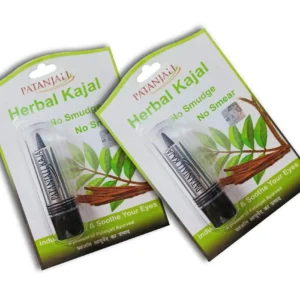
Herbal Kajal (Herbal)
Active Ingredient Herbal Manufacturer Himalaya Drug Company Packaging 3 gm in 1 pack Strength 3gm Delivery Time 6 To 15 days SKU: Herbal Kajal (Herbal) Price range: $4.00 through $20.00Herbal Kajal (Herbal)
Price range: $4.00 through $20.00 -

Hyde Solution 50 Ml (Hydroquinone)
Active Ingredient Hydroquinone Manufacturer Menarini India Pvt Ltd Packaging 50ml in bottle Strength 5% Delivery Time 6 To 15 days SKU: Hyde Solution 50 Ml (Hydroquinone) Price range: $14.00 through $76.00Hyde Solution 50 Ml (Hydroquinone)
Price range: $14.00 through $76.00 -

L-Glutathione Cream (L-Glutathione)
Active Ingredient L-Glutathione Manufacturer Healing Pharma, India Packaging 20g in tube Strength 20mg Delivery Time 6 To 15 days SKU: L-Glutathione Cream (L-Glutathione) Price range: $10.00 through $51.00L-Glutathione Cream (L-Glutathione)
Price range: $10.00 through $51.00 -
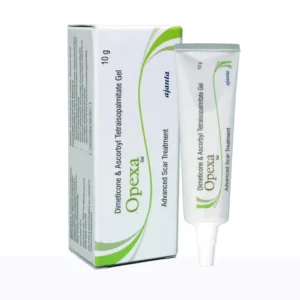
Opexa Gel (Ascorbyl Tetraisopalmitate & Dimethicone)
Active Ingredient Ascorbyl Tetraisopalmitate/Dimethicone Manufacturer Ajanta Pharma Ltd Packaging 10gm in 1 tube Strength 10gm Delivery Time 6 To 15 days SKU: Opexa Gel (Ascorbyl Tetraisopalmitate/Dimethicone)