
Skin Moisturization Medicines: A Complete Guide:-
Category Overview:-
Skin moisturization medicines are therapeutic products designed to restore and maintain the skin’s natural moisture barrier. Healthcare professionals commonly recommend or prescribe these treatments to address various skin conditions characterized by dryness, irritation, or impaired barrier function. Unlike cosmetic moisturizers, medical-grade skin moisturization products contain active ingredients in specific concentrations that have been clinically studied for their therapeutic effects.
These medicines work by replenishing essential lipids, increasing water content in the skin, and protecting against environmental factors that contribute to moisture loss. Dermatologists and general practitioners prescribe these treatments as part of comprehensive skin care plans, often in combination with other therapies, to improve skin health and quality of life for patients experiencing chronic or acute skin dryness.
Conditions Treated:-
Skin moisturization medicines are used to manage a wide range of dermatological conditions and symptoms, including:
Eczema (Atopic Dermatitis): A chronic inflammatory condition causing dry, itchy, and inflamed skin that requires consistent moisture barrier support.
Psoriasis: An autoimmune condition resulting in thick, scaly patches that benefit from intensive hydration alongside other prescribed treatments.
Xerosis (Dry Skin): General skin dryness caused by aging, environmental factors, medical conditions, or as a side effect of certain medications.
Ichthyosis: A group of genetic skin disorders characterized by extremely dry, scaly skin requiring specialized moisturization therapies.
Contact Dermatitis: Skin inflammation resulting from irritants or allergens, where moisturizers help restore the damaged skin barrier.
Keratosis Pilaris: A common condition causing rough, bumpy skin that responds well to specific keratolytic moisturizers.
Medical moisturization also plays a supportive role in managing skin affected by chemotherapy, radiation therapy, diabetes-related skin changes, and aging-related moisture loss.
Types of Medicines in This Category:-
Skin moisturization medicines come in various formulations, each designed for specific skin conditions and patient needs:
Emollients-
Softening agents that smooth and soothe the skin by filling gaps between skin cells. Available as creams, ointments, and lotions with varying levels of oil content.
Humectants-
Ingredients that attract and retain water in the skin, including products containing urea, glycerin, hyaluronic acid, and lactic acid in therapeutic concentrations.
Occlusives-
Barrier-forming products that prevent water loss from the skin surface, typically petroleum-based or containing dimethicone and other protective ingredients.
Keratolytics-
Specialized moisturizers containing ingredients like salicylic acid or higher concentrations of urea that help remove dead skin cells while hydrating.
Prescription-Strength Formulations-
Medical-grade products with higher concentrations of active ingredients are prescribed for moderate to severe skin conditions.
Combination Therapies-
Products that incorporate multiple mechanisms, such as anti-inflammatory agents with moisturizing components, for comprehensive treatment.
Formulations also vary by application site, with specific products designed for the face, body, hands, and feet, reflecting the different needs of various skin areas.
How These Medicines Work?
Skin moisturization medicines function through several scientifically-established mechanisms:
Barrier Repair: The skin’s outer layer (stratum corneum) acts as a protective barrier. These medicines supply essential lipids and ceramides that restore this barrier when it becomes compromised by disease or environmental factors.
Water Retention: Humectant ingredients bind water molecules from the deeper skin layers and environment, increasing the water content in the outer skin layers and improving skin flexibility.
Prevention of Water Loss: Occlusive ingredients create a protective seal on the skin surface, reducing transepidermal water loss (TEWL), which is often elevated in dry skin conditions.
Skin Cell Regulation: Certain therapeutic moisturizers influence the natural process of skin cell turnover, helping to normalize the production and shedding of skin cells in conditions like psoriasis and ichthyosis.
Anti-Inflammatory Support: Some prescription moisturizers contain ingredients that help calm skin inflammation while hydrating, addressing both symptoms and underlying skin reactivity.
The effectiveness of these medicines depends on regular application, appropriate product selection for the specific condition, and proper use as directed by healthcare professionals.
Who May Benefit From This Category?
Healthcare providers may recommend or prescribe skin moisturization medicines for:
Individuals with Diagnosed Skin Conditions: Patients with eczema, psoriasis, or other chronic dermatological conditions requiring medical-grade moisture therapy as part of their treatment plan.
People with Occupational Skin Exposure: Those whose work involves frequent hand washing, chemical exposure, or harsh environmental conditions that compromise skin barrier function.
Elderly Patients: Aging naturally reduces the skin’s ability to retain moisture, and therapeutic moisturizers help maintain skin integrity and prevent complications.
Individuals on Certain Medications: Patients taking treatments that cause skin dryness as a side effect, such as some acne medications, chemotherapy, or blood pressure medicines.
Post-Procedure Care: People recovering from dermatological procedures, laser treatments, or skin injuries where barrier restoration is medically necessary.
Pediatric Patients: Children with atopic conditions or sensitive skin requiring age-appropriate therapeutic moisturization under medical supervision.
Diabetic Patients: Those managing diabetes who need specialized foot and skin care to prevent complications related to poor circulation and skin integrity.
A healthcare professional will assess individual skin conditions, medical history, and specific needs before recommending appropriate moisturization therapy.
Important Safety Information:-
While skin moisturization medicines are generally considered safe when used appropriately, several important considerations apply:
Medical Guidance is Essential-
Always consult a healthcare professional before starting any therapeutic skin moisturization regimen, particularly if you have diagnosed skin conditions, allergies, or are using other topical medications.
Who Should Exercise Caution?
– Individuals with known allergies to specific ingredients commonly found in moisturizers
– Patients with infected skin or open wounds (some products may not be appropriate)
– People using prescription topical medications (potential interactions or reduced effectiveness)
– Individuals with very sensitive or reactive skin conditions
Potential Risks-
Even therapeutic moisturizers can cause adverse reactions in some individuals, including stinging, burning, redness, or worsening of skin condition. Products containing fragrances or certain preservatives may trigger allergic reactions.
Application Precautions-
Avoid applying to severely broken skin, deep wounds, or infected areas unless specifically directed by a healthcare provider. Some products are not suitable for use near eyes, mucous membranes, or on certain body areas.
Pregnancy and Breastfeeding-
Women who are pregnant or nursing should consult their healthcare provider before using therapeutic skin moisturizers, particularly those containing active ingredients like high-concentration urea or salicylic acid.
Drug Interactions-
Some moisturizing medicines may affect the absorption or effectiveness of other topical treatments. Inform your healthcare provider about all products you use on your skin.
If you experience severe irritation, allergic reaction signs (swelling, difficulty breathing, widespread rash), or your skin condition worsens, seek medical attention promptly.
Usage Guidance (General):-
The appropriate use of skin moisturization medicines varies significantly based on the specific product, individual skin condition, and treatment goals. General principles include:
Follow Professional Advice-
Dosage, frequency, and application methods must be determined by your healthcare provider or pharmacist based on your specific condition and needs.
Application Timing-
Many therapeutic moisturizers work best when applied to slightly damp skin after bathing, helping to seal in moisture. However, specific timing instructions will depend on your prescribed treatment plan.
Quantity and Coverage-
The amount needed varies by body area and product type. Your healthcare provider will guide you on appropriate quantities to ensure effective treatment without waste.
Treatment Duration-
Some skin conditions require short-term moisturization therapy, while chronic conditions may need ongoing maintenance. Never discontinue prescribed treatment without consulting your healthcare provider.
Combination with Other Treatments-
If using multiple topical medicines, the order of application matters. Your healthcare provider will provide clear instructions on sequencing different products for optimal results.
Consistency is Important-
Regular application as directed is crucial for managing chronic skin conditions. Skipping applications may reduce treatment effectiveness.
Never adjust your usage based on information from non-medical sources. Changes to your treatment plan should only be made in consultation with your healthcare provider.
Side Effects & Risks (General Overview):-
While therapeutic skin moisturizers are generally well-tolerated, some individuals may experience adverse effects:
Common Side Effects-
– Temporary stinging or tingling upon application (particularly with products containing urea or lactic acid)
– Mild redness or warmth at application sites
– Initial greasiness or residue (typically resolves as product absorbs)
– Temporary increase in skin sensitivity to touch
These effects are usually mild and diminish with continued use. However, if they persist or worsen, consult your healthcare provider.
Less Common Side Effects-
– Skin irritation or burning sensation
– Itching or rash development
– Acne or folliculitis (blocked pores) from very heavy products
– Changes in skin pigmentation at application sites
Serious Reactions (Rare)-
– Severe allergic reactions (difficulty breathing, facial swelling, widespread hives)
– Signs of skin infection (increasing redness, warmth, pus, fever)
– Severe skin irritation or chemical burns from inappropriate use
– Worsening of the underlying skin condition
Risk Factors for Side Effects-
Certain individuals may be at higher risk for adverse reactions, including those with very sensitive skin, multiple allergies, or compromised skin barrier function. Using products not appropriate for your specific condition increases risk.
If you experience unexpected reactions or your skin condition worsens during treatment, discontinue use and contact your healthcare provider. Never ignore persistent or severe side effects.
Choosing the Right Medicine:-
Selecting appropriate skin moisturization therapy requires professional assessment rather than self-selection:
Professional Evaluation is Essential-
A healthcare provider or pharmacist should evaluate your skin condition, considering factors like severity, affected areas, underlying causes, lifestyle factors, and treatment history before recommending specific products.
Factors Influencing Product Selection-
– Specific skin condition diagnosis
– Severity and extent of dryness or damage
– Skin type and sensitivity level
– Age and overall health status
– Other medications or treatments being used
– Personal preferences regarding texture and application
– Potential for allergic reactions
Prescription vs. Over-the-Counter-
While some moisturizers are available without a prescription, medical-grade therapeutic products often require professional assessment to ensure appropriate selection and use.
Avoid Self-Diagnosis-
What appears to be simple dry skin may be a symptom of an underlying condition requiring specific treatment. Professional diagnosis ensures you receive appropriate therapy rather than masking symptoms.
Trial and Adjustment-
Finding the optimal moisturization therapy may require trying different formulations under medical supervision. Your healthcare provider will monitor your response and adjust recommendations accordingly.
Product Quality Matters-
Medical-grade therapeutic moisturizers undergo quality testing and contain standardized concentrations of active ingredients, unlike cosmetic products with variable composition.
Consult a dermatologist, general practitioner, or pharmacist for personalized guidance based on your individual skin health needs.
Storage & Handling Advice:-
Proper storage and handling of skin moisturization medicines ensure product effectiveness and safety:
Temperature Control-
Store most moisturizers at room temperature, away from direct heat sources and sunlight. Extreme temperatures can alter product consistency and reduce effectiveness. Some products may require refrigeration—check product labeling.
Container Integrity-
Keep products in their original containers with lids tightly closed to prevent contamination and maintain product stability. Replace caps immediately after use.
Hygiene Practices-
Use clean, dry hands when applying moisturizers from jars. Consider using a clean spatula or applicator to remove product rather than inserting fingers directly into containers, reducing bacterial contamination risk.
Expiration Dates-
Pay attention to expiration dates and “period after opening” symbols. Expired products may be less effective or potentially harbor bacterial growth. Discard products that have changed color, smell, or consistency.
Child Safety-
Store all skin medications out of reach of children, even if they seem harmless. Some therapeutic moisturizers contain ingredients that could be harmful if ingested.
Bathroom Storage-
While convenient, bathrooms often have high humidity and temperature fluctuations. If storing moisturizers in bathrooms, keep them in closed cabinets away from direct shower steam.
Travel Considerations-
When traveling, ensure products remain sealed and protected from extreme temperature exposure in vehicles or checked luggage.
Disposal-
Dispose of unused or expired products according to local regulations. Do not flush medications down toilets unless specifically instructed.
Proper storage practices help maintain product quality throughout the treatment period.
Frequently Asked Questions (Category-Based)?
How long does it take for therapeutic moisturizers to improve my skin condition?
Response time varies significantly depending on the specific condition being treated and the severity of symptoms. Some individuals notice improvement within a few days, while chronic conditions like eczema or psoriasis may require several weeks of consistent use before significant improvement becomes apparent. Your healthcare provider can give you realistic expectations based on your specific situation. Consistent application as directed is crucial for optimal results, and you should continue treatment as prescribed even if you don’t see immediate changes.
Can I use regular cosmetic moisturizers instead of prescribed therapeutic products?
Medical-grade therapeutic moisturizers differ substantially from cosmetic products in several important ways. They contain specific concentrations of active ingredients that have been clinically tested for treating skin conditions, undergo more rigorous quality control, and are formulated to address medical needs rather than cosmetic preferences. If you’ve been prescribed a therapeutic moisturizer, it’s because your condition requires specific treatment beyond what cosmetic products can provide. Using substitutes may not effectively manage your condition and could delay healing.
Should I continue using my moisturizer once my skin improves?
This depends entirely on your specific condition and treatment plan. Some skin conditions require only short-term treatment until symptoms resolve, while chronic conditions like eczema or psoriasis often need ongoing maintenance therapy to prevent flare-ups. Never discontinue prescribed treatment without consulting your healthcare provider, as premature discontinuation may lead to symptom recurrence. Your provider will advise you on appropriate maintenance strategies tailored to your condition.
Is it safe to use therapeutic moisturizers on my face?
Not all therapeutic body moisturizers are appropriate for facial use. The skin on the face is typically more sensitive and has different needs than body skin. Some products may be too heavy, potentially clog pores, or contain ingredients that irritate facial skin. If you need facial moisturization therapy, consult your healthcare provider for products specifically formulated for facial use. Never apply products to your face unless they’re designated as safe for facial application.
Medical Disclaimer:-
Important: This content is for educational and informational purposes only.
The information provided on this page does not constitute medical advice, diagnosis, or treatment. It is intended to offer general knowledge about skin moisturization medicines as a therapeutic category and should not replace professional medical consultation.
You should always:
– Consult with a qualified healthcare professional before starting, stopping, or changing any skin treatment
– Seek immediate medical attention for severe skin reactions or symptoms
– Disclose your complete medical history, current medications, and allergies to your healthcare provider
– Follow the specific instructions provided by your prescribing physician or pharmacist
– Never use this information for self-diagnosis or self-treatment
This content does not:
– Provide specific dosage recommendations or treatment protocols
– Replace personalized medical advice from your healthcare provider
– Cover all possible uses, precautions, interactions, or side effects
– Guarantee specific treatment outcomes or results
Individual responses to skin moisturization therapies vary based on numerous factors, including skin condition type, severity, overall health, and proper product use. What works for one person may not be appropriate or effective for another.
If you have concerns about your skin health, symptoms that worry you, or questions about appropriate treatment options, please contact your healthcare provider or pharmacist for personalized guidance based on your individual medical needs.
-
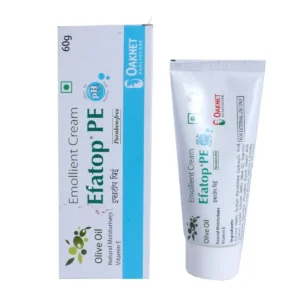
Efatop PE Cream (Vitamin E & Olive Oil)
Active Ingredient Vitamin E/Olive Oil Manufacturer Oaknet Healthcare Pvt. Ltd. Packaging 60g in Tube Strength 60gm Delivery Time 6 To 15 days SKU: Efatop PE Cream (Vitamin E/Olive Oil) Price range: $6.00 through $32.00Efatop PE Cream (Vitamin E & Olive Oil)
Price range: $6.00 through $32.00 -
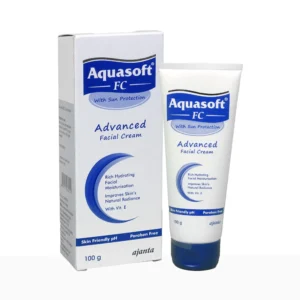
Aquasoft Cream (Glycerin)
Active Ingredient Glycerin Manufacturer Ajanta Pharma Ltd Packaging 60g in Tube Strength 60gm Delivery Time 6 To 15 days SKU: Aquasoft Cream (Glycerin) Price range: $6.00 through $28.00Aquasoft Cream (Glycerin)
Price range: $6.00 through $28.00 -

Emoderm Cream (White Soft Paraffin)
Active Ingredient White Soft Paraffin Manufacturer Glaxo SmithKline Pharmaceuticals Ltd Packaging 50 gm in 1 tube Strength 50gm Delivery Time 6 To 15 days SKU: Emoderm Cream (White Soft Paraffin) Price range: $7.00 through $38.00Emoderm Cream (White Soft Paraffin)
Price range: $7.00 through $38.00 -

Alokem Gel (Aloe Vera)
Active Ingredient Aloe Vera Manufacturer Alkem Laboratories Ltd Packaging 50g in Tube Strength 50gm Delivery Time 6 To 15 days SKU: Alokem Gel (Aloe Vera) Price range: $8.00 through $39.00Alokem Gel (Aloe Vera)
Price range: $8.00 through $39.00 -

Rivela SPF 50 Sunscreen Lotion (Vitamin E)
Active Ingredient Vitamin E Manufacturer Cipla Limited Packaging 50ml in 1 bottle Strength 50ml Delivery Time 6 To 15 days SKU: Rivela SPF 50 Sunscreen Lotion (Vitamin E) Price range: $15.00 through $75.00Rivela SPF 50 Sunscreen Lotion (Vitamin E)
Price range: $15.00 through $75.00