
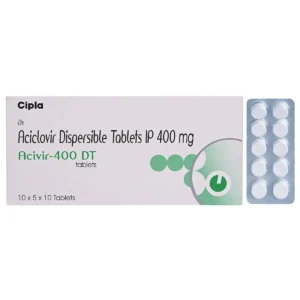
Aciclovir 400 Mg (Acyclovir)

Price range: $34.00 through $90.00
| Active Ingredient | Acyclovir |
|---|---|
| Manufacturer | Healing Pharma, India |
| Packaging | 10 Tablets in Strip |
| Strength | 400mg |
| Delivery Time | 6 To 15 days |
| SKU: | Aciclovir 400 Mg (Acyclovir) |
Aciclovir 400 Mg (Acyclovir): Uses, Dosage, Benefits, and Safety Guide
Viral skin and mucous membrane infections like cold sores, genital herpes, and shingles can be painful, recurrent, and disruptive to daily life. Fortunately, modern antiviral medicine offers effective relief, and one of the most trusted names in this category is Aciclovir 400 Mg (Acyclovir). This medication has been a cornerstone of antiviral therapy for decades, helping millions of patients manage herpes simplex virus (HSV) and varicella-zoster virus (VZV) infections safely and effectively.
In this comprehensive guide, we’ll explore what Aciclovir 400 Mg is, how it works, its approved uses, dosage guidelines, potential side effects, precautions, and answers to frequently asked questions — everything you need to understand this widely prescribed antiviral tablet.
What Is Aciclovir 400 Mg (Acyclovir)?
Aciclovir, also spelled Acyclovir, is a synthetic nucleoside analogue antiviral drug. It was one of the first antivirals developed specifically to target herpesviruses, and it remains one of the most prescribed medications for this purpose worldwide. The 400 mg strength tablet is a commonly used dose for adults, offering a convenient middle-ground option between lower preventive doses and higher doses used for severe infections.
Aciclovir belongs to a class of drugs known as antivirals, and more specifically, it is categorized as a guanosine analogue. Unlike antibiotics, which target bacteria, Aciclovir works exclusively against certain viruses — primarily herpes simplex virus type 1 (HSV-1), herpes simplex virus type 2 (HSV-2), and varicella-zoster virus (the virus responsible for chickenpox and shingles).
This medication is available in multiple forms, including tablets, capsules, oral suspension, intravenous injections, and topical creams. The 400 mg tablet is one of the most frequently prescribed oral formulations due to its balance of effectiveness and tolerability.
How Does Aciclovir 400 Mg Work?
To understand why Aciclovir is so effective, it helps to understand how it interacts with the virus at a cellular level.
Herpesviruses replicate by hijacking a host cell’s machinery to copy their own viral DNA. Aciclovir works by mimicking a natural building block of DNA (a nucleoside). Once inside a virus-infected cell, an enzyme unique to the herpesvirus called thymidine kinase converts Aciclovir into its active form, Aciclovir triphosphate.
This active compound then gets incorporated into the growing viral DNA chain during replication. Because Aciclovir’s structure is slightly different from the natural DNA building blocks, it causes the DNA chain to terminate prematurely. In simple terms, Aciclovir stops the virus from copying itself, halting the infection’s spread within the body.
Importantly, this mechanism is selective — Aciclovir is activated far more efficiently in virus-infected cells than in normal, healthy cells. This selectivity is one of the key reasons Aciclovir is generally well tolerated, as it targets the virus without significantly disrupting normal cellular processes.
Approved Uses of Aciclovir 400 Mg
Aciclovir 400 mg tablets are prescribed for a range of viral infections. The most common approved uses include:
1. Genital Herpes (HSV-2)
Aciclovir is widely used to treat initial and recurrent episodes of genital herpes. It helps reduce the severity and duration of outbreaks, speeds up healing of sores, and can also be used as a long-term suppressive therapy to reduce the frequency of recurrent episodes in people who experience frequent outbreaks.
2. Cold Sores (Oral Herpes, HSV-1)
For recurrent oral herpes infections that cause cold sores or fever blisters around the mouth, Aciclovir can shorten the healing time and reduce discomfort when started early at the first sign of an outbreak (tingling, itching, or redness).
3. Chickenpox (Varicella)
In cases of chickenpox, particularly in adults, adolescents, or individuals at higher risk of complications, Aciclovir can reduce the duration of symptoms and the number of skin lesions when started within 24 hours of rash onset.
4. Shingles (Herpes Zoster)
Shingles, caused by reactivation of the varicella-zoster virus, can be effectively managed with Aciclovir. Early treatment (ideally within 72 hours of rash onset) helps reduce pain, speeds up lesion healing, and may lower the risk of complications such as postherpetic neuralgia.
5. Suppressive Therapy
For individuals who experience frequent recurrences of genital herpes (six or more episodes per year), doctors may prescribe a long-term, lower daily dose of Aciclovir as suppressive therapy to reduce outbreak frequency and lower the risk of viral transmission to partners.
6. Prevention in Immunocompromised Patients
Aciclovir is sometimes prescribed prophylactically to prevent herpesvirus reactivation in immunocompromised individuals, such as those undergoing chemotherapy or organ transplantation, under close medical supervision.
Dosage Guidelines for Aciclovir 400 Mg
Dosage requirements for Aciclovir vary significantly depending on the condition being treated, the severity of the infection, and individual patient factors such as kidney function, age, and immune status. The following is general educational information; actual dosing must always be determined by a qualified healthcare provider based on your specific diagnosis and health profile.
- Genital herpes (initial episode): Typically prescribed multiple times daily for about 7 to 10 days.
- Recurrent genital herpes episodes: Shorter treatment courses, usually started at the earliest sign of an outbreak.
- Suppressive therapy: A lower, consistent daily dose taken over an extended period, often months to years, as directed by a physician.
- Herpes zoster (shingles): Typically requires a higher frequency of dosing over about 7 days, started as early as possible after symptom onset.
- Chickenpox: Dosing is usually adjusted based on age and body weight, particularly in children, and administered for about 5 days.
Aciclovir tablets should generally be taken with a full glass of water and can be taken with or without food, though maintaining good hydration is especially important while on this medication, as it helps support kidney function during treatment.
Never adjust your dose or stop treatment early without consulting your doctor, even if symptoms improve, as incomplete treatment can affect how well the infection is controlled.
How Effective Is Aciclovir 400 Mg?
Aciclovir does not cure herpesvirus infections — once a person is infected with HSV or VZV, the virus remains dormant in nerve cells for life. However, Aciclovir is highly effective at:
- Reducing the duration of active outbreaks
- Decreasing the severity of symptoms such as pain, itching, and lesion size
- Speeding up the healing process of sores and blisters
- Lowering the frequency of recurrent outbreaks when used as suppressive therapy
- Reducing the risk of viral transmission to sexual partners (in genital herpes)
- Minimizing complications from shingles, such as nerve pain
Clinical outcomes tend to be best when treatment is started early, ideally at the very first sign of symptoms such as tingling, itching, or redness, before visible sores fully develop.
Common Side Effects of Aciclovir 400 Mg
Like all medications, Aciclovir can cause side effects, although many people tolerate it well. Common, generally mild side effects include:
- Nausea or upset stomach
- Vomiting
- Diarrhea
- Headache
- Dizziness
- Fatigue
- Mild abdominal pain
These effects are often temporary and may improve as your body adjusts to the medication.
Less Common but Serious Side Effects
While uncommon, some individuals may experience more serious reactions that require prompt medical attention, including:
- Signs of kidney problems (reduced urination, swelling, unusual fatigue)
- Confusion, agitation, hallucinations, or unusual behavior (more common in older adults or those with kidney impairment)
- Severe allergic reactions (rash, hives, swelling of the face or throat, difficulty breathing)
- Unusual bruising or bleeding
- Severe skin reactions
If you experience any of these symptoms, seek medical attention promptly. This list is not exhaustive, and you should always review the full side effect profile with your prescribing doctor or pharmacist.
Precautions and Warnings
Before starting Aciclovir 400 Mg, it’s important to discuss your complete medical history with your healthcare provider. Special caution and monitoring may be needed in the following situations:
- Kidney disease: Aciclovir is processed by the kidneys, and dose adjustments are often necessary for individuals with impaired kidney function.
- Pregnancy and breastfeeding: Aciclovir should only be used during pregnancy or breastfeeding if clearly recommended by a doctor, who will weigh the potential benefits against any risks.
- Elderly patients: Older adults may be more susceptible to side effects, particularly involving kidney function and neurological symptoms, and may require dose adjustments.
- Dehydration: Maintaining adequate fluid intake during treatment helps protect kidney function.
- Immunocompromised individuals: People with weakened immune systems should be monitored closely, as they may require different dosing strategies.
- Drug allergies: Anyone with a known allergy to Aciclovir, Valaciclovir, or related compounds should avoid this medication.
Always inform your doctor about all other medications, supplements, and herbal products you are taking, as certain drug interactions can affect how Aciclovir works or increase the risk of side effects.
Drug Interactions
Aciclovir can interact with several other medications. Some notable interactions include:
- Probenecid: May increase Aciclovir levels in the blood by slowing its elimination.
- Nephrotoxic drugs: Combining Aciclovir with other medications that affect kidney function may increase the risk of kidney-related side effects.
- Mycophenolate mofetil (used in transplant patients): May interact with Aciclovir, requiring careful monitoring.
- Theophylline: Some evidence suggests Aciclovir may affect theophylline levels.
This is not a complete list of possible interactions. Always provide your healthcare provider or pharmacist with a full list of medications you’re currently taking before starting Aciclovir.
Who Should Avoid Aciclovir 400 Mg?
Certain individuals should exercise caution or avoid this medication altogether unless specifically directed by a physician:
- Those with a known hypersensitivity to Aciclovir or its components
- Individuals with significant, unmonitored kidney impairment
- Patients on multiple nephrotoxic medications without medical supervision
Your doctor will assess your individual risk factors before prescribing Aciclovir and will determine whether it’s an appropriate treatment option for your condition.
Tips for Taking Aciclovir 400 Mg Safely
To get the most benefit from your treatment while minimizing risks, consider the following general tips:
- Start treatment early. Antiviral medications work best when started at the first sign of symptoms.
- Stay well hydrated. Drinking plenty of water throughout your treatment course supports healthy kidney function.
- Take doses evenly spaced. Try to take your doses at consistent intervals as prescribed to maintain steady levels in your body.
- Complete the full course. Even if symptoms improve quickly, finish the prescribed treatment duration unless your doctor advises otherwise.
- Avoid skin-to-skin contact during outbreaks. This helps prevent transmission to others while sores are active.
- Store properly. Keep tablets at room temperature, away from moisture and direct sunlight, and out of reach of children.
- Don’t share medication. Aciclovir should only be used by the person it was prescribed for.
Aciclovir vs. Other Antivirals
Aciclovir is often compared to newer antiviral medications like Valaciclovir (a prodrug of Aciclovir) and Famciclovir. While all three are used to treat herpesvirus infections, there are some differences:
- Aciclovir generally requires more frequent daily dosing due to its shorter half-life and lower oral bioavailability.
- Valaciclovir converts to Aciclovir in the body but has better absorption, allowing for less frequent dosing.
- Famciclovir is another alternative with a different dosing schedule and similar effectiveness.
Despite these differences, Aciclovir remains a preferred option for many patients and healthcare providers due to its long track record of safety, affordability, and proven effectiveness across decades of clinical use.
Frequently Asked Questions (FAQs)
1. Can Aciclovir 400 Mg cure herpes completely?
No. Aciclovir helps manage symptoms, shorten outbreaks, and reduce recurrence frequency, but it does not eliminate the herpesvirus from the body, as the virus remains dormant in nerve tissue.
2. How quickly does Aciclovir start working?
Many people notice improvement in symptoms within a few days of starting treatment, especially when treatment begins early in an outbreak.
3. Can I take Aciclovir 400 Mg every day?
Daily use is sometimes prescribed as suppressive therapy for people with frequent recurrent outbreaks, but this should only be done under a doctor’s guidance.
4. Is it safe to drink alcohol while taking Aciclovir?
There’s no major known interaction between alcohol and Aciclovir, but alcohol can weaken the immune system and potentially prolong recovery, so moderation is generally advised. Consult your doctor for personalized guidance.
5. Can Aciclovir 400 Mg be used for cold sores?
Yes, it is commonly used to treat recurrent oral herpes (cold sores), especially when taken at the earliest sign of symptoms.
6. What should I do if I miss a dose?
Take the missed dose as soon as you remember, unless it’s close to your next scheduled dose. Do not double up doses. If unsure, consult your pharmacist or doctor.
7. Does Aciclovir affect fertility?
Current evidence does not show significant effects on fertility, but you should always discuss any concerns with your doctor, particularly if planning pregnancy.
8. Can Aciclovir prevent the spread of genital herpes to a partner?
Suppressive Aciclovir therapy has been shown to reduce, though not eliminate, the risk of transmission. Additional precautions, such as using barrier protection, are still recommended.
Disclaimer:-
This information about Aciclovir 400 Mg (Acyclovir) is provided for educational purposes only and should not replace professional medical advice, diagnosis, or treatment. Use this medicine only as directed by a qualified healthcare professional. Dosage and treatment duration may vary depending on the infection, age, kidney function, and individual medical circumstances. Consult your doctor or pharmacist before starting, stopping, or changing treatment. Always read the product label and follow the prescribed instructions.
Additional information
| unit | 300 Tablet, 90 Tablet, 120 Tablet, 150 Tablet |
|---|




Reviews
There are no reviews yet.