
Chickenpox Medicines: Patient Information & Treatment Guide:-
Category Overview:-
Chickenpox medicines are treatments designed to manage the symptoms and complications of varicella-zoster virus infection, commonly known as chickenpox. Healthcare professionals may prescribe or recommend these medications to reduce discomfort, prevent secondary bacterial infections, and, in certain cases, shorten the duration or severity of the illness. While chickenpox is often self-limiting in healthy children, medical treatment becomes important for specific patient groups, including adults, pregnant women, newborns, and individuals with weakened immune systems. The medicines in this category range from antiviral medications that target the virus itself to supportive treatments that address symptoms such as itching, fever, and pain.
Conditions Treated:-
Medicines in this category are primarily used to manage varicella-zoster virus infections, which manifest as chickenpox in initial infections. Healthcare providers may recommend treatment for:
Active chickenpox infection: Characterized by an itchy, blister-like rash that spreads across the body, accompanied by fever and general malaise
Severe or complicated cases: Including infections in high-risk patients who may develop pneumonia, encephalitis, or other serious complications
Symptom management: Addressing fever, pain, and intense itching that can lead to scratching and secondary skin infections
Prevention of complications: Particularly in patients with compromised immune systems, pregnant women, or those taking steroids or immunosuppressants
These medicines do not prevent chickenpox in unvaccinated individuals once exposure has occurred, though they may modify disease severity when given early.
Types of Medicines in This Category:-
Chickenpox treatment encompasses several different medication types, each serving specific therapeutic purposes:
Antiviral Medications-
Prescription medicines that interfere with viral replication, potentially reducing the severity and duration of infection when started within the first 24-72 hours of rash appearance.
Anti-itch Treatments-
Topical creams, lotions, and oral antihistamines are designed to relieve the intense itching associated with chickenpox lesions and reduce the urge to scratch.
Fever and Pain Relievers-
Over-the-counter medications suitable for chickenpox patients that help manage fever and body aches. Not all pain relievers are safe for chickenpox patients, particularly children.
Antiseptic Solutions
Topical products that help keep chickenpox lesions clean and reduce the risk of bacterial infection in broken skin.
Immunoglobulin Preparations
Specialized prescription treatments containing antibodies against the varicella-zoster virus are used in certain high-risk patients for prevention or modification of disease severity.
How These Medicines Work?
Different medicines in this category work through distinct mechanisms to provide relief or reduce infection severity:
Antiviral medications work by blocking specific enzymes that the varicella-zoster virus needs to multiply inside human cells. By interfering with viral DNA replication, these medicines can help reduce the number of new blisters, speed healing of existing lesions, and decrease the overall duration of illness when given early in the infection course.
Anti-itch treatments function either by reducing histamine activity in the skin (antihistamines) or by providing a cooling, soothing effect that temporarily numbs nerve endings responsible for itch sensations. This helps prevent scratching, which can lead to scarring and bacterial skin infections.
Fever reducers work by affecting the body’s temperature regulation center and reducing inflammation, helping patients feel more comfortable during the acute phase of illness.
Antiseptic solutions create an environment less favorable for bacterial growth on broken skin, helping to prevent secondary infections that can complicate recovery.
These mechanisms address either the underlying viral infection or the uncomfortable symptoms it produces, depending on the specific medicine used.
Who May Benefit From This Category?
Healthcare providers may prescribe or recommend chickenpox medicines for specific patient populations:
Adolescents and adults with chickenpox, who typically experience more severe disease than young children
Pregnant women are exposed to or infected with chickenpox, due to risks to both the mother and the developing baby
Newborns and infants whose mothers developed chickenpox shortly before or after delivery
Individuals with weakened immune systems, including those with HIV/AIDS, cancer, or those taking immunosuppressive medications
People with chronic skin or lung conditions** that may be worsened by chickenpox infection.n
Patients taking long-term steroid therapy** or other medicines that suppress immune function
Household contacts of high-risk individuals** who may benefit from post-exposure preventive treatment
Anyone experiencing severe itching or discomfort** requiring symptom management. nt
Healthcare professionals assess individual circumstances, including the timing of infection, patient age, overall health status, and risk factors, before recommending specific treatments.
Important Safety Information:-
Several important safety considerations apply to chickenpox medicines:
Medical Supervision Is Essential-
All antiviral medications and immunoglobulin treatments require a prescription and medical oversight. Even over-the-counter symptom relief medicines should be discussed with a healthcare provider, especially for children.
Aspirin Warning-
Aspirin and aspirin-containing products must never be given to children or teenagers with chickenpox due to the risk of Reye’s syndrome, a rare but serious condition affecting the liver and brain. Always check medicine labels carefully and consult a pharmacist if unsure.
Timing Matters-
Antiviral medicines are most effective when started within 24 hours of rash appearance. Delayed treatment may provide limited benefit in otherwise healthy individuals.
Not Suitable for Everyone-
Certain patients should avoid specific chickenpox medicines, including those with kidney problems, pregnancy-related considerations, or allergies to medication components. Complete disclosure of medical history to your healthcare provider is essential.
Infection Control-
Medicines treat symptoms or reduce severity but do not immediately stop contagiousness. Patients remain infectious until all blisters have crusted over, typically 5-7 days after rash onset.
Monitoring Required-
Some antiviral medications require monitoring of kidney function and adequate fluid intake during treatment. Follow all healthcare provider instructions carefully.
Usage Guidance (General):-
Appropriate use of chickenpox medicines varies significantly based on the specific product, patient age, and clinical situation:
Antiviral medications are typically prescribed for specific durations, usually 5-7 days, and must be taken at regular intervals as directed. Starting treatment promptly maximizes benefit. These medicines should never be shared with others or saved for future use.
Anti-itch treatments may be applied several times daily as needed. Topical products should be used sparingly and according to package or prescription directions. Oral antihistamines should be given in age-appropriate doses.
Fever reducers should be administered based on symptoms and following dosage instructions specific to the patient’s age and weight. Regular temperature monitoring helps guide usage.
Antiseptic solutions are typically applied to lesions after gentle cleaning, following specific product instructions regarding frequency and application method.
All medicines should be used exactly as prescribed or as directed on the label. Never increase doses or frequency without consulting a healthcare provider. If symptoms worsen despite treatment, or if signs of complications develop (such as difficulty breathing, severe headache, confusion, or spreading redness around lesions), seek immediate medical attention.
Side Effects & Risks (General Overview):-
Like all medicines, chickenpox treatments may cause side effects, though not everyone experiences them:
Common Side Effects-
Antiviral medications may cause:
– Nausea or upset stomach
– Headache
– Dizziness
– Fatigue
Antihistamines may cause:
– Drowsiness (with some types)
– Dry mouth
– Mild stomach upset
Topical anti-itch products may cause:
– Temporary skin irritation
– Dryness at the application site
Serious Side Effects Requiring Medical Attention:-
Though rare, seek immediate healthcare if experiencing:
– Allergic reactions (rash, facial swelling, difficulty breathing)
– Severe dizziness or confusion
– Unusual bleeding or bruising
– Signs of kidney problems (reduced urination, swelling)
– Severe abdominal pain
– Changes in behavior or mental status
– Persistent vomiting
Risk Factors:-
Certain patients face higher risks of side effects, including those with kidney disease, dehydration, or those taking multiple medications simultaneously. Complete medication disclosure to healthcare providers helps minimize risks through appropriate medicine selection and dose adjustment.
Side effects are generally manageable and often resolve as the body adjusts to treatment. However, any concerning symptoms should be reported to a healthcare provider promptly rather than discontinuing treatment without guidance.
Choosing the Right Medicine:-
Selecting appropriate chickenpox treatment requires professional medical assessment and should never be based on self-diagnosis or internet research alone. Healthcare providers consider numerous factors when recommending treatment:
Timing of infection: How long symptoms have been present significantly impacts treatment decisions
Patient age and weight: Children, adults, and elderly patients have different treatment needs
Overall health status: Pre-existing conditions influence medicine safety and selection
Pregnancy or breastfeeding status: Special considerations apply to reproductive-age women
Immune system function: Immunocompromised patients require different treatment approaches
Severity of symptoms: Mild cases may need only symptom management, while severe cases require antiviral therapy
Risk of complications: Family history, chronic conditions, and medication use affect complication risks
Your doctor or pharmacist can explain why specific medicines are recommended for your situation, how long treatment should continue, and what outcomes to expect. They can also advise on which over-the-counter products are safe to use alongside prescription medicines.
Never rely on medicines prescribed for another person’s chickenpox infection, as individual circumstances vary significantly. Online pharmacies should only dispense chickenpox medicines when valid prescriptions are provided, and pharmacist consultation should always be available.
Storage & Handling Advice:-
Proper storage and handling of chickenpox medicines ensure effectiveness and safety:
General Storage Guidelines-
– Store medicines at room temperature unless otherwise directed, typically between 15-25°C (59-77°F)
– Keep medicines in their original containers with labels intact
– Protect from excessive heat, moisture, and direct sunlight
– Never store medicines in bathrooms where humidity fluctuates
Special Storage Requirements-
Some antiviral medications or immunoglobulin preparations may require refrigeration. Always follow specific storage instructions provided by your pharmacist or on the medicine label.
Safety Precautions-
– Keep all medicines out of reach of children, preferably in locked cabinets
– Check expiration dates regularly and dispose of expired medicines properly
– Do not transfer medicines to different containers
– Dispose of unused or expired medicines according to local pharmacy take-back programs or guidelines
Handling Tips-
– Wash your hands before and after handling medicines
– Use clean, dry measuring devices for liquid medicines
– Keep topical treatments’ applicators clean or use clean hands for application
– Avoid contaminating medicine containers by touching openings
Proper storage maintains the effectiveness of medicine throughout the treatment course and prevents accidental ingestion by children or pets.
Frequently Asked Questions?
Can chickenpox medicines prevent infection after exposure?
Chickenpox medicines cannot prevent infection in the traditional sense once exposure has occurred. However, post-exposure prophylaxis with specific antiviral medications or varicella-zoster immune globulin may be recommended by healthcare providers for high-risk individuals within a specific timeframe after exposure. These interventions may prevent infection or reduce its severity if administered promptly, typically within 3-5 days of exposure. Such decisions require medical assessment and are not appropriate for routine use in healthy individuals. Vaccination remains the most effective prevention method and may still offer some protection if given within 3-5 days after exposure in previously unvaccinated individuals.
How quickly do antiviral medicines work for chickenpox?
Antiviral medicines work best when started within 24 hours of rash appearance, ideally within the first 12-24 hours. When given early, patients may notice that new blisters stop forming within 24-48 hours and existing lesions begin healing faster. However, the medicine does not immediately stop symptoms or contagiousness. Complete resolution of chickenpox still requires time for the immune system to clear the virus and for all lesions to crust over and heal, typically 7-10 days total. The primary benefit is reducing the total number of lesions, decreasing fever duration, and lowering complication risks, particularly in high-risk patients.
Are there any medicines I should avoid giving my child with chickenpox?
Yes, several medicines should be avoided in children with chickenpox. Most importantly, never give aspirin or aspirin-containing products to children or teenagers with chickenpox due to the risk of Reye’s syndrome, a potentially fatal condition. Ibuprofen use has been debated, and some healthcare providers recommend paracetamol (acetaminophen) as the safer choice for fever reduction in chickenpox. Additionally, avoid applying topical products containing diphenhydramine over large areas of skin, as excessive absorption can occur through broken skin. Topical corticosteroids should not be used without medical advice, as they may worsen viral infections. Always consult your healthcare provider or pharmacist before giving any medicine to a child with chickenpox.
Can pregnant women take chickenpox medicines?
Chickenpox during pregnancy requires immediate medical attention, as it poses risks to both mother and baby. Treatment decisions depend on the stage of pregnancy andthe severityy of infection. Certain antiviral medications may be prescribed when benefits outweigh risks, particularly for pregnant women with severe disease or those in their second or third trimester. Varicella-zoster immune globulin may be given to pregnant women exposed to chickenpox who have no immunity. However, many medicines, including some antihistamines and topical treatments, have specific pregnancy warnings. Pregnant women should never self-treat chickenpox and must discuss all medicines, including over-the-counter products, with their healthcare provider before use.
Medical Disclaimer:-
Important: This content is provided for educational and informational purposes only and does not constitute medical advice, diagnosis, or treatment recommendations. It is not intended to replace professional medical consultation, examination, or expertise.
Always consult qualified healthcare professionals before starting, stopping, or changing any medical treatment. Every individual’s health situation is unique, and treatment decisions must be made in consultation with licensed medical practitioners who have examined you and understand your complete medical history.
The information presented here represents general knowledge about chickenpox medicine categories and should not be used for self-diagnosis or self-treatment. Chickenpox, particularly in high-risk individuals, requires proper medical supervision. Do not delay seeking professional medical care based on information read here.
If you believe you have been exposed to chickenpox or are experiencing symptoms, contact your healthcare provider promptly for appropriate evaluation and treatment. In medical emergencies, including severe symptoms or complications, seek immediate emergency care.
This pharmacy provides medicines only with valid prescriptions and in accordance with applicable healthcare regulations. All prescription medicines require authorization from licensed healthcare providers, and our pharmacists are available to answer questions about safe use and potential interactions.
No warranty is made regarding the accuracy, completeness, or timeliness of the information provided. Medical knowledge continuously evolves, and treatment guidelines may change. Always verify information with current healthcare professionals and trusted medical resources.
By accessing this information, you acknowledge that it does not create a doctor-patient or pharmacist-patient relationship and that professional medical consultation is essential for all health-related decisions.
-
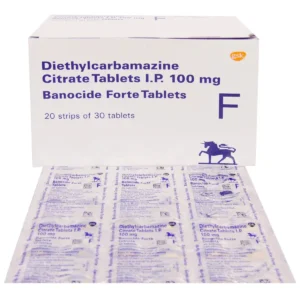
Banocide Forte 100 Mg (Diethylcarbamazine)
Active Ingredient Diethylcarbamazine Manufacturer GlaxoSmithKline Pharmaceuticals Ltd Packaging 20 tablets in 1 strip & 30 tablets in 1 strip Strength 100mg Delivery Time 6 To 15 days SKU: Banocide Forte 100 Mg (Diethylcarbamazine) Price range: $13.50 through $25.50Banocide Forte 100 Mg (Diethylcarbamazine)
Price range: $13.50 through $25.50 -
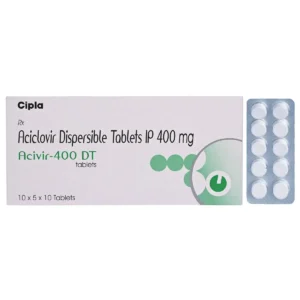
Aciclovir 400 Mg (Acyclovir)
Active Ingredient Acyclovir Manufacturer Healing Pharma, India Packaging 10 Tablets in Strip Strength 400mg Delivery Time 6 To 15 days SKU: Aciclovir 400 Mg (Acyclovir) Price range: $34.00 through $90.00Aciclovir 400 Mg (Acyclovir)
Price range: $34.00 through $90.00 -
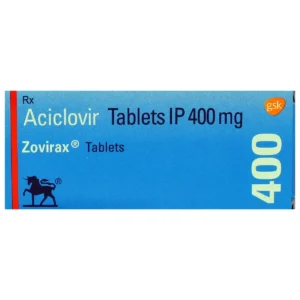
Zovirax 400 Mg (Acyclovir)
Active Ingredient Acyclovir Manufacturer GlaxoSmithKline Pharmaceuticals Ltd Packaging 5 tablets in 1 strip, 10 tablets in 1 strip Strength 200mg, 400mg, 800mg Delivery Time 6 To 15 days SKU: Zovirax 400mg (Acyclovir) Price range: $31.50 through $174.00Zovirax 400 Mg (Acyclovir)
Price range: $31.50 through $174.00 -

Ocuvir DT 200 Mg (Acyclovir)
Active Ingredient Acyclovir Manufacturer FDC Ltd Packaging 5 Tablets in Strip & 10 Tablets in Strip Strength 200mg, 400mg, 800mg Delivery Time 6 To 15 days SKU: Ocuvir DT 200 Mg (Acyclovir) Price range: $27.00 through $252.00Ocuvir DT 200 Mg (Acyclovir)
Price range: $27.00 through $252.00 -
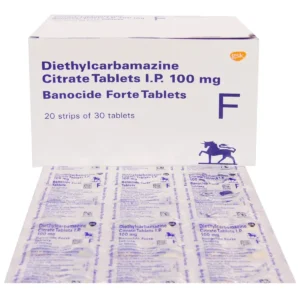
Banocide Forte 50 Mg (Diethylcarbamazine)
Active Ingredient Diethylcarbamazine Manufacturer GlaxoSmithKline Pharmaceuticals Ltd Packaging 20 tablets in 1 strip & 30 tablets in 1 strip Strength 50mg Delivery Time 6 To 15 days SKU: Banocide Forte 50 Mg (Diethylcarbamazine) Price range: $10.80 through $21.00Banocide Forte 50 Mg (Diethylcarbamazine)
Price range: $10.80 through $21.00 -
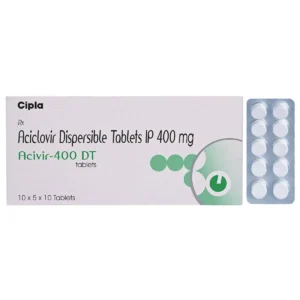
Acivir DT 400 Mg (Acyclovir)
Active Ingredient Acyclovir Manufacturer Cipla Limited Packaging 5 Tablets & 10 Tablets in Strips Strength 400mg, 800mg Delivery Time 6 To 15 days SKU: Acivir DT 400 Mg (Acyclovir) Price range: $52.20 through $255.00Acivir DT 400 Mg (Acyclovir)
Price range: $52.20 through $255.00 -
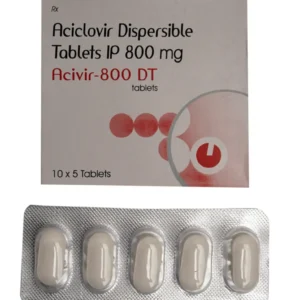
Aciclovir 800 Mg (Acyclovir)
Active Ingredient Acyclovir Manufacturer Healing Pharma, India Packaging 10 Tablets in Strip Strength 800mg Delivery Time 6 To 15 days SKU: Aciclovir 800 Mg (Acyclovir) Price range: $99.00 through $270.00Aciclovir 800 Mg (Acyclovir)
Price range: $99.00 through $270.00