
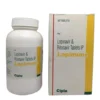
Lopimune (Lopinavir & Ritonavir)
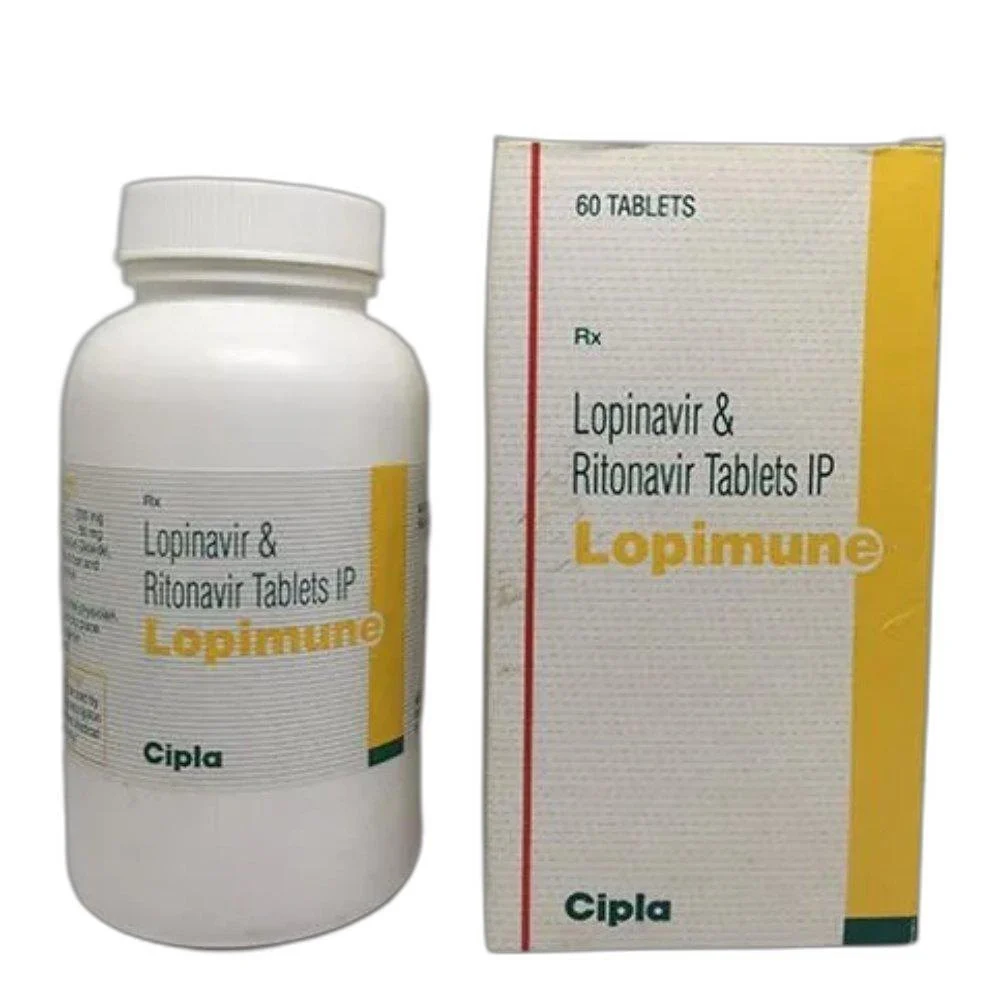
Price range: $180.00 through $540.00
| Active Ingredient | Lopinavir/Ritonavir |
|---|---|
| Manufacturer | Cipla Limited |
| Packaging | 60 Tablets in bottle |
| Delivery Time | 6 To 15 days |
| SKU: | Lopimune (Lopinavir/Ritonavir) – 200mg / 50 Mg |
Lopimune (Lopinavir & Ritonavir): Uses, Dosage, Side Effects & Complete Guide
Living with HIV is not easy — but the right medication can make an enormous difference. Over the past few decades, antiretroviral therapy has completely changed the story for millions of people living with HIV around the world. And Lopimune (Lopinavir & Ritonavir) is one of the trusted names in that story.
Whether you’re a patient, a caregiver, or simply someone doing research, this guide breaks down everything you need to know about Lopimune — in clear, honest, and straightforward language. No confusing medical jargon. Just the facts you need to understand this medication and how it works.
What Is Lopimune (Lopinavir & Ritonavir)?
Lopimune is a combination antiretroviral tablet that contains two active ingredients — Lopinavir and Ritonavir. It is primarily used in the treatment of HIV-1 (Human Immunodeficiency Virus type 1) infection in both adults and children.
The standard Lopimune tablet comes in a fixed-dose combination of:
- Lopinavir 200 mg + Ritonavir 50 mg per tablet
It is manufactured by Cipla Ltd., one of India’s leading pharmaceutical companies, and is widely prescribed in HIV treatment programs across developing nations and globally.
Lopimune belongs to a class of antiretroviral drugs called protease inhibitors (PIs). It doesn’t cure HIV, but it plays a critical role in suppressing the virus, keeping your immune system strong, and helping you live a longer, healthier life.
Understanding the Two Active Ingredients
Lopinavir — The Main Fighter
Lopinavir is the primary antiretroviral agent in Lopimune. It works by blocking an enzyme called HIV protease, which the virus needs to replicate and produce new infectious viral particles. Without this enzyme working properly, HIV cannot create mature copies of itself — effectively stopping the virus from spreading further in the body.
Ritonavir — The Booster
Here’s where it gets interesting. Ritonavir in this combination is not primarily used for its own antiretroviral effect. Instead, it acts as a pharmacokinetic booster. Ritonavir inhibits the CYP3A enzyme in the liver that would normally break down Lopinavir too quickly. By slowing this breakdown, Ritonavir increases the blood levels of Lopinavir, making it more effective at a lower dose.
This is why the two drugs are always used together in Lopimune — it’s a smart, purposeful combination.
What Is Lopimune (Lopinavir & Ritonavir) Used For?
1. HIV-1 Infection (Primary Use)
Lopimune is approved and prescribed for the treatment of HIV-1 infection in combination with other antiretroviral medications. It is used in:
- Treatment-naïve patients — people starting HIV therapy for the first time
- Treatment-experienced patients — people who have used other HIV medications but need a regimen change due to resistance, intolerance, or treatment failure
Lopimune is never used alone for HIV treatment. It is always part of a combination antiretroviral therapy (cART) regimen — typically alongside nucleoside reverse transcriptase inhibitors (NRTIs) such as Tenofovir and Emtricitabine.
2. Prevention of Mother-to-Child Transmission (PMTCT)
Lopimune is also used in pregnant women living with HIV to reduce the risk of passing the virus to the baby during pregnancy, labor, or breastfeeding. This is a critical use that has saved countless children from being born with HIV.
3. Post-Exposure Prophylaxis (PEP) — In Select Cases
In some clinical settings, Lopinavir/Ritonavir-based regimens have been used as part of post-exposure prophylaxis (PEP) — a short-term treatment taken after potential HIV exposure (such as a needlestick injury or unprotected sex) to prevent infection.
How Does Lopimune Work in the Body?
Let’s simplify the science a bit. When HIV enters your body, it hijacks your own CD4+ T-cells (immune cells) and forces them to produce copies of the virus. To do this, the virus relies on a specific enzyme — HIV protease — to assemble and finalize these new virus copies.
Lopinavir blocks this enzyme. Without HIV protease, the new viral copies are immature and non-infectious. They can’t go on to infect other cells. Over time, this dramatically reduces the amount of virus in your blood (known as your viral load) and allows your immune system — measured by your CD4 count — to recover and strengthen.
Ritonavir ensures that Lopinavir stays in your system long enough and at a high enough concentration to do its job effectively.
The result: a lower viral load, a stronger immune system, and reduced risk of HIV-related complications.
Lopimune Dosage: How to Take It Correctly
Getting the dose right is essential for HIV treatment to work. Incorrect dosing — taking too little or skipping doses — can allow the virus to mutate and become drug-resistant, which makes future treatment much harder.
For Adults:
The standard recommended dose is:
2 tablets (Lopinavir 200 mg / Ritonavir 50 mg) twice daily (Total daily dose: Lopinavir 800 mg / Ritonavir 200 mg)
Or, for patients without certain resistance mutations:
4 tablets once daily (This once-daily option is generally for treatment-naïve patients only)
For Children (Pediatric Dosing):
Dosing for children is based on body weight or body surface area. Lopimune is available in oral solution form (80 mg Lopinavir / 20 mg Ritonavir per mL) for younger children who cannot swallow tablets.
| Body Weight | Twice-Daily Dose |
|---|---|
| 7–14.9 kg | 12 mg/kg Lopinavir twice daily |
| 15–40 kg | 10 mg/kg Lopinavir twice daily |
| Above 40 kg | Adult dose applies |
📌 Always follow your doctor’s prescribed dose. Do not adjust on your own.
How to Take Lopimune:
- Take with food — this improves absorption and reduces stomach upset
- Swallow tablets whole — do not crush or chew
- Take at the same time every day — consistency is key for HIV treatment
- Never skip a dose — even feeling healthy doesn’t mean the virus is gone
- If you miss a dose, take it as soon as you remember — if it’s almost time for the next dose, skip the missed one
How Long Does It Take to Work?
Lopimune (Lopinavir & Ritonavir) begins working from the first dose, but it takes time to see measurable changes in your body.
- Within 2–4 weeks, most patients see a significant drop in viral load
- Within 3–6 months, many patients achieve undetectable viral load — meaning the virus is so suppressed it cannot be detected by standard tests
- CD4 count typically starts rising gradually over weeks to months
Reaching and maintaining an undetectable viral load is the primary goal of HIV treatment. When your viral load is undetectable, you are healthier, live longer, and according to the U=U (Undetectable = Untransmittable) principle, cannot sexually transmit HIV to a partner.
Common Side Effects of Lopimune (Lopinavir & Ritonavir)
Like all HIV medications, Lopimune can cause side effects — especially when you first start taking it. The good news is that many side effects are temporary and manageable.
Mild to Moderate Side Effects:
- Diarrhea — the most commonly reported side effect; usually improves over time
- Nausea and vomiting
- Stomach pain or bloating
- Feeling tired or weak
- Headache
- Dizziness
- Loss of appetite
- Skin rash or mild itching
- Trouble sleeping (insomnia)
- Changes in taste
Most of these symptoms are most noticeable in the first few weeks of treatment and tend to improve as your body adjusts.
Serious Side Effects (Contact Your Doctor Immediately):
Some side effects are more serious and require medical attention:
- Pancreatitis — severe stomach pain, nausea, vomiting, and fever; can be life-threatening
- Liver problems (hepatotoxicity) — yellowing of skin or eyes (jaundice), dark urine, severe fatigue
- QT interval prolongation / cardiac arrhythmias — irregular heartbeat, chest pain, palpitations
- Hyperglycemia — high blood sugar, increased thirst, frequent urination (especially in diabetic patients)
- Lipid abnormalities — increased cholesterol and triglycerides (long-term risk for heart disease)
- Lipodystrophy — changes in body fat distribution (fat loss in face, legs; fat gain in abdomen or neck)
- Severe skin reactions — including Stevens-Johnson Syndrome (rare but serious)
- Signs of immune reconstitution inflammatory syndrome (IRIS) — when the recovering immune system overreacts to a pre-existing infection
⚠️ Never ignore serious symptoms. Report any unusual or severe reactions to your healthcare provider immediately.
Who Should NOT Take Lopimune?
Lopimune is not appropriate for everyone. Do not take it or consult your doctor immediately if:
- You are allergic to Lopinavir, Ritonavir, or any excipient in the tablet
- You are taking medications that are contraindicated with Lopimune (see drug interactions below)
- You have severe liver disease or active hepatitis
- You have a history of heart arrhythmias or congenital long QT syndrome
- You have severe pancreatitis or a history of recurrent pancreatitis
- You are a newborn under 14 days old — Lopimune oral solution contains alcohol and should not be given to very young neonates
- You are taking certain antifungals, antibiotics, or herbal products like St. John’s Wort that significantly interact with this drug
Lopimune Drug Interactions: What to Avoid
This is a critically important section. Lopimune (Lopinavir & Ritonavir) has a significant number of drug interactions because Ritonavir is a potent inhibitor of liver enzymes (CYP3A4) that metabolize many medications. This can cause dangerous increases or decreases in the blood levels of other drugs.
Drugs That Are CONTRAINDICATED with Lopimune:
| Drug | Risk |
|---|---|
| Rifampicin | Drastically reduces Lopinavir levels — treatment failure |
| Simvastatin / Lovastatin | Risk of serious muscle damage (rhabdomyolysis) |
| Midazolam / Triazolam (oral) | Risk of extreme sedation or breathing problems |
| Ergotamine / Ergot derivatives | Risk of vasospasm and severe circulation problems |
| Pimozide | Risk of life-threatening cardiac arrhythmia |
| Lurasidone / Ranolazine | Serious cardiac and CNS risks |
| St. John’s Wort (herbal) | Significantly reduces drug effectiveness |
| Sildenafil (for pulmonary arterial hypertension) | Risk of severe hypotension |
Drugs That Need Dose Adjustment or Monitoring:
- Warfarin (anticoagulant)
- Methadone
- Atorvastatin (preferred over simvastatin, but with caution)
- Rifabutin (dose adjustment needed)
- Oral contraceptives (alternative contraception recommended)
- Immunosuppressants (tacrolimus, cyclosporine)
- Certain antiepileptics (phenytoin, carbamazepine)
📌 Always give your doctor and pharmacist a complete list of all medicines, supplements, and herbal products you are taking before starting Lopimune.
Important Precautions Before Taking Lopimune
1. Adherence Is Everything HIV treatment only works if taken consistently. Missing doses — even occasionally — gives the virus an opportunity to replicate and develop resistance mutations, which can render Lopimune and similar drugs ineffective. Set reminders. Build a routine. Your life depends on it.
2. Regular Monitoring Your doctor will schedule regular blood tests to monitor:
- Viral load (every 3–6 months)
- CD4 count
- Liver enzymes
- Blood sugar and cholesterol levels
- Complete blood count (CBC)
These tests are not optional — they are essential to ensuring your treatment is working safely.
3. Pregnancy & Breastfeeding Lopimune is used during pregnancy for PMTCT, but dosing and monitoring requirements are different. Pregnant women may need higher doses due to changes in drug metabolism during pregnancy. Always work closely with a specialist.
4. Alcohol Avoid excessive alcohol consumption while on Lopimune, as it can worsen liver stress and gastrointestinal side effects.
5. Diabetes & Cardiovascular Conditions Lopimune can affect blood sugar and cholesterol. Patients with pre-existing diabetes or heart conditions require closer monitoring and possible medication adjustments.
Lopimune vs. Other HIV Protease Inhibitors
How does Lopimune compare to other protease inhibitors in HIV treatment?
| Feature | Lopimune (LPV/r) | Atazanavir/r | Darunavir/r |
|---|---|---|---|
| Dosing | Twice daily (or once daily) | Once daily | Once or twice daily |
| Food requirement | With food | With food | With food |
| Diarrhea risk | Higher | Lower | Lower |
| Cholesterol effect | More significant | Less | Moderate |
| Resistance barrier | High | Moderate-High | Very High |
| Pediatric formulation | Yes | Limited | Yes |
| Cost/Availability | More affordable | Moderate | Higher |
Lopimune remains a popular choice — especially in resource-limited settings and developing countries — because of its affordability, proven track record, and availability of a pediatric formulation.
Frequently Asked Questions About Lopimune (Lopinavir & Ritonavir)
Q: Can Lopimune cure HIV?
No. Lopimune does not cure HIV. It suppresses the virus to undetectable levels, which protects your immune system and prevents disease progression. You must continue taking it lifelong as prescribed.
Q: Can I take Lopimune on an empty stomach?
It is recommended to take Lopimune with food to enhance absorption and minimize stomach-related side effects.
Q: Is Lopimune safe during pregnancy?
Yes, it is used during pregnancy for PMTCT. However, the dosing may differ and closer medical monitoring is needed. Always consult an HIV specialist or obstetrician.
Q: What happens if I stop taking Lopimune suddenly?
Stopping Lopimune abruptly is dangerous. The virus can rebound quickly, your viral load will rise, your CD4 count will fall, and drug resistance can develop. Never stop without consulting your doctor.
Q: Can Lopimune be taken with other HIV medications?
Yes — in fact, it must be taken with other antiretrovirals as part of a combination therapy regimen. Your doctor will design the right combination for you.
Final Thoughts
Lopimune (Lopinavir & Ritonavir) is a well-established, powerful antiretroviral combination that has helped millions of people around the world manage HIV effectively. Its unique dual-action formula — Lopinavir as the active protease inhibitor and Ritonavir as the pharmacokinetic booster — makes it a clinically smart and cost-effective choice in HIV treatment.
That said, HIV therapy is serious business. It requires commitment, consistency, and regular medical follow-up. Lopimune can give you a long, healthy, and fulfilling life — but only if you take it as directed, attend your check-ups, and stay honest with your healthcare team.
If you or a loved one has been prescribed Lopimune, trust the process. Modern HIV treatment works — and Lopimune is a proven part of that success.
Disclaimer:-
This article is for informational purposes only and is not a substitute for professional medical advice, diagnosis, or treatment. Always consult a qualified healthcare provider before starting, stopping, or changing any HIV medication, including Lopimune (Lopinavir & Ritonavir).
Additional information
| unit | 300 Tablet, 90 Tablet, 120 Tablet, 150 Tablet |
|---|
Reviews
There are no reviews yet.