Acne Treatment Medicines: Complete Category Guide:-
Category Overview:-
Acne treatment medicines represent a diverse group of medications designed to address various forms and severities of acne vulgaris and related skin conditions. Healthcare providers prescribe or recommend these treatments based on the type of acne, its severity, the patient’s age, skin type, and overall health profile. These medicines work through different mechanisms—some target bacteria, others reduce oil production, while some focus on preventing pore blockages or reducing inflammation.
Medical professionals commonly prescribe acne treatments because this condition affects not only physical appearance but can also impact emotional well-being and quality of life. The availability of multiple treatment options allows doctors to create personalized approaches that match each patient’s specific needs and circumstances.
Conditions Treated:-
Medicines in this category are primarily used to manage:
Acne Vulgaris: The most common form, characterized by blackheads, whiteheads, pimples, and sometimes deeper cysts or nodules. This condition typically appears on the face, chest, back, and shoulders.
Inflammatory Acne: Includes papules, pustules, nodules, and cysts that result from inflammation within blocked pores.
Non-Inflammatory Acne: Consists mainly of comedones (blackheads and whiteheads) without significant redness or swelling.
Hormonal Acne: Breakouts influenced by hormonal fluctuations, often appearing along the jawline and chin, are particularly common in adult women.
Moderate to Severe Acne: More extensive breakouts that may lead to scarring if left untreated, often requiring prescription intervention.
These medicines may also be prescribed for related conditions such as rosacea or certain forms of dermatitis when determined appropriate by a healthcare provider.
Types of Medicines in This Category:-
Acne treatment medicines come in various formulations and types:
Topical Retinoids: Applied directly to the skin to prevent pore blockages and promote cell turnover. Available in cream, gel, or solution forms.
Topical Antibiotics: Applied to the skin surface to reduce acne-causing bacteria and inflammation.
Oral Antibiotics: Taken by mouth for moderate to severe acne, particularly when inflammation is widespread.
Benzoyl Peroxide Products: Available over-the-counter and by prescription in various strengths, these work by killing bacteria and helping to unclog pores.
Topical Combination Therapies: Products that combine two or more active ingredients to target multiple acne-causing factors simultaneously.
Hormonal Treatments: Certain oral contraceptives or anti-androgen medications are prescribed specifically for hormonal acne in women.
Oral Retinoids: Prescription-only medicines reserved for severe, resistant acne that hasn’t responded to other treatments.
Salicylic Acid Products: Available without prescription in lower strengths, these help exfoliate skin and keep pores clear.
The choice between topical and oral medicines, or a combination approach, depends on acne severity, distribution, and individual patient factors.
How These Medicines Work?:-
Acne develops when hair follicles become clogged with oil and dead skin cells, creating an environment where bacteria can multiply and cause inflammation. Different medicines in this category address one or more of these underlying factors:
Preventing Pore Blockages: Some medicines help normalize the shedding of dead skin cells, preventing them from accumulating and clogging pores. This keeps follicles clear and reduces the formation of both blackheads and whiteheads.
Reducing Oil Production: Certain treatments work by decreasing the amount of sebum (natural skin oil) produced by glands in the skin, which helps prevent pores from becoming blocked in the first place.
Fighting Bacteria: Antimicrobial medicines reduce populations of bacteria that contribute to inflammation and infection within clogged pores.
Controlling Inflammation: Anti-inflammatory treatments help calm redness, swelling, and discomfort associated with inflammatory acne lesions.
Balancing Hormones: Some medicines work by regulating hormones that can trigger excess oil production and acne development, particularly in cases of hormonal acne.
Many effective acne treatments take several weeks to show visible improvement because they work by preventing new breakouts rather than instantly clearing existing ones. The skin’s natural renewal cycle means patience is essential when starting any acne treatment.
Who May Benefit From This Category?
Healthcare providers may prescribe or recommend acne medicines for:
Adolescents and Teenagers: Acne commonly develops during puberty due to hormonal changes, and many young people benefit from appropriate treatment to manage breakouts and prevent scarring.
Adults with Persistent Acne: Many adults, particularly women, continue experiencing acne into their twenties, thirties, and beyond. Treatment can be tailored to adult-specific patterns and concerns.
Individuals with Moderate to Severe Acne: Those experiencing widespread breakouts, painful cysts, or acne that hasn’t responded to over-the-counter products may need prescription treatments.
Patients at Risk of Scarring: People who develop deep, inflamed lesions or have a history of scarring may benefit from early medical intervention to prevent permanent skin changes.
Those with Acne-Related Emotional Distress: When acne significantly impacts self-esteem, social interactions, or mental health, appropriate medical treatment becomes particularly important.
People with Hormonal Imbalances: Individuals whose acne is linked to hormonal conditions may benefit from treatments that address these underlying factors.
A healthcare provider will assess the type and severity of acne, medical history, current medications, and individual circumstances before recommending appropriate treatment. Self-diagnosis and self-treatment may lead to inadequate results or unnecessary side effects.
Important Safety Information:-
Safety considerations vary depending on the specific medicine, but general precautions include:
Medical Consultation Required: Many effective acne treatments are prescription-only and require medical evaluation to ensure they’re appropriate and safe for individual circumstances.
Pregnancy and Breastfeeding: Some acne medicines, particularly certain oral retinoids, can cause serious birth defects and must be completely avoided during pregnancy. Women of childbearing age may need to use reliable contraception and undergo pregnancy testing when taking specific treatments. Always inform your healthcare provider if you are pregnant, planning pregnancy, or breastfeeding.
Sun Sensitivity: Many acne treatments increase skin sensitivity to sunlight, raising the risk of sunburn. Appropriate sun protection becomes essential during treatment.
Antibiotic Resistance: Prolonged or inappropriate use of antibiotic treatments can contribute to bacterial resistance. These medicines should be used exactly as prescribed and typically for limited durations.
Drug Interactions: Some acne medicines can interact with other medications, supplements, or even certain foods. Provide your healthcare provider with a complete list of everything you take.
Skin Irritation: Initial treatment may cause dryness, redness, or peeling. These effects often improve as skin adjusts, but severe or persistent irritation should be reported to a healthcare provider.
Mental Health Monitoring: Although rare, certain oral acne treatments have been associated with mood changes. Any unusual emotional symptoms should be reported immediately.
Medical Conditions: People with certain health conditions, such as liver disease, kidney problems, or inflammatory bowel disease, may need special monitoring or alternative treatments.
Never share prescription acne medicines with others, even if they appear to have similar symptoms. What works safely for one person may be inappropriate or harmful for another.
Usage Guidance (General):-
Acne treatment protocols vary significantly based on the specific medicine prescribed and individual patient needs:
Follow Medical Instructions: Dosage, frequency, and duration of treatment must follow your healthcare provider’s specific directions. These instructions are tailored to your individual situation and should never be adjusted without medical consultation.
Consistency Matters: Most acne treatments require regular, consistent use over weeks or months to achieve and maintain results. Skipping applications or doses reduces effectiveness.
Start Slowly with Topicals: When beginning topical treatments, healthcare providers often recommend a gradual introduction to allow skin adjustment and minimize irritation.
Combination Approaches: Many treatment plans involve multiple products used together. Understanding which to apply when, and in what order, is important for both safety and effectiveness.
Patience Required: Visible improvement typically takes 6-12 weeks with most treatments. Some people experience an initial worsening before seeing benefits. Early discontinuation often leads to treatment failure.
Maintenance Phase: Even after acne clears, continued treatment is usually necessary to prevent recurrence. Your healthcare provider will guide you on long-term management.
Application Technique: For topical medicines, proper application to clean, dry skin in the correct amount matters for both results and minimizing side effects.
Never increase doses or frequency beyond prescribed instructions, as this typically increases side effects without improving results and may actually worsen skin irritation.
Side Effects & Risks (General Overview):-
Like all medicines, acne treatments can cause side effects, though not everyone experiences them:
Common Side Effects with Topical Treatments:
– Skin dryness, peeling, or flaking
– Temporary redness or mild burning sensation
– Increased sun sensitivity
– Initial worsening of acne during the first few weeks
– Skin feeling tight or irritated
Common Side Effects with Oral Treatments:
– Stomach upset or nausea
– Increased sun sensitivity
– Vaginal yeast infections (with antibiotics)
– Dizziness or headache
– Dry lips and eyes (particularly with oral retinoids)
Serious Side Effects Requiring Immediate Medical Attention:
– Severe allergic reactions (rash, severe itching, difficulty breathing, swelling)
– Severe skin reactions or blistering
– Significant mood changes, depression, or thoughts of self-harm
– Severe stomach pain or persistent diarrhea
– Vision changes
– Signs of liver problems (yellowing skin or eyes, dark urine, severe fatigue)
Long-term Considerations:
– Some treatments require periodic blood tests to monitor for potential effects on organs
– Bone development concerns exist with certain medicines in younger patients
– Long-term antibiotic use requires monitoring for resistance development
The balance between benefits and risks differs for each treatment type and individual patient. Your healthcare provider will discuss relevant side effects for your specific medicine and circumstances. Report any concerning or persistent side effects promptly rather than simply discontinuing treatment, as adjustments or alternatives may be available.
Choosing the Right Medicine:-
Selecting appropriate acne treatment is a medical decision that should involve qualified healthcare professionals:
Professional Assessment Needed: Effective treatment selection depends on accurately identifying the type and severity of acne, which requires medical expertise. What appears as acne might sometimes be a different skin condition requiring different treatment.
Individual Factors Matter: Your age, gender, medical history, other medications, pregnancy status or plans, lifestyle, and personal preferences all influence which treatments are most appropriate and safe for you.
Severity Guides Approach: Mild acne may respond to over-the-counter products, while moderate to severe cases typically require prescription medicines. Attempting to treat moderate or severe acne with inadequate products often leads to worsening, scarring, and frustration.
Consider Side Effect Profiles: Different treatments have different side effect risks. Your healthcare provider can help weigh the benefits of various options against their potential drawbacks based on your specific circumstances.
Treatment History: Informing your healthcare provider about previous acne treatments—what worked, what didn’t, and what side effects you experienced—helps guide appropriate selection.
Combination Strategies: Many effective acne treatment plans involve multiple products working together. Healthcare providers understand which combinations are safe and synergistic.
Long-term Perspective: Some treatments work quickly but aren’t suitable for extended use, while others may be used for maintenance. Planning appropriate short-term and long-term strategies requires medical guidance.
Pharmacists can also provide valuable guidance, particularly regarding over-the-counter options, proper use techniques, and recognizing when medical evaluation is necessary. However, for prescription treatments or moderate to severe acne, physician consultation is essential.
Storage & Handling Advice:-
Proper storage and handling help maintain the effectiveness and safety:
General Storage Guidelines:
– Store medicines at room temperature unless the packaging specifies refrigeration
– Keep away from direct sunlight, heat sources, and moisture
– Bathroom storage is often inappropriate due to humidity and temperature fluctuations
– Keep medicines in original packaging with intact labels for reference
Safety Precautions:
– Store all medicines securely out of reach of children and pets
– Never transfer medicines to unmarked containers
– Check expiration dates regularly and dispose of expired products properly
– Keep topical and oral medicines separate to prevent confusion
Topical Medicine Specifics:
– Keep tubes and bottles tightly closed when not in use
– Avoid contaminating applicators or bottle openings by touching them to skin
– Some topical treatments are flammable or bleach fabric—handle accordingly
Disposal Guidelines:
– Follow local regulations for medicine disposal
– Many communities offer medicine take-back programs
– Do not flush medicines down toilets unless specifically instructed
– Remove personal information from packaging before disposal
Travel Considerations:
– Carry prescription medicines in original packaging with labels
– For air travel, follow current regulations regarding liquids and medicines
– Consider temperature exposure during travel and plan accordingly
Read the patient information leaflet provided with your medicine for specific storage instructions, as requirements can vary between different treatments.
Frequently Asked Questions?
How long does it take for acne medicines to work?
Most acne treatments require consistent use for 6-12 weeks before significant improvement becomes visible. Some people notice initial changes within 4 weeks, while others need longer. This timeline exists because treatments primarily prevent new breakouts rather than instantly clearing existing ones, and skin naturally takes time to renew itself. Some treatments may cause temporary worsening during the first few weeks as they bring underlying congestion to the surface. Patience and consistency are essential—discontinuing treatment too early often leads to disappointment and prevents you from experiencing the full benefits.
Can I use acne medicine only when I have breakouts?
Most prescription acne treatments work best when used consistently as prescribed, not just during active breakouts. These medicines prevent new acne from forming rather than only treating existing spots. Intermittent use typically leads to poor results and a cycle of clearing and recurring breakouts. However, some spot treatments are designed for occasional use on individual blemishes. Your healthcare provider will clarify whether your specific medicine requires continuous use or can be applied as needed.
Why is my acne getting worse after starting treatment?
An initial worsening, sometimes called “purging,” can occur with certain treatments, particularly retinoids. This happens because these medicines accelerate skin cell turnover, bringing underlying congestion to the surface more quickly. While frustrating, this is often a sign that the treatment is working and typically improves within 4-6 weeks. However, true allergic reactions or severe irritation differ from purging and require medical evaluation. Contact your healthcare provider if worsening is severe, accompanied by pain or excessive redness, or doesn’t improve within several weeks.
Can I use makeup or other skincare products while using acne medicine?
Generally, yes, but choices matter. Look for non-comedogenic (won’t clog pores) and oil-free products. Allow topical acne medicine to fully absorb before applying other products, typically waiting 10-15 minutes. Gentle, fragrance-free cleansers and moisturizers are usually appropriate and actually help manage the dryness many acne treatments cause. However, avoid harsh scrubs, astringent toners, or products containing multiple active ingredients without discussing with your healthcare provider, as these may increase irritation. Your pharmacist can recommend suitable complementary products.
Medical Disclaimer:-
This content is for educational and informational purposes only and is not intended to serve as medical advice, diagnosis, or treatment recommendation.
The information provided about acne treatment medicines represents general educational material and cannot replace personalized medical consultation. Acne treatment requires individualized assessment by qualified healthcare professionals who can evaluate your specific condition, medical history, and circumstances.
Do not use this information to:
– Self-diagnose any condition
– Start, stop, or modify any treatment without medical supervision
– Determine appropriate dosages or treatment duration
– Replace consultation with healthcare providers
Every person’s health situation is unique, and what is safe and effective for one individual may be inappropriate or harmful for another. Treatment decisions should be made in consultation with licensed healthcare providers who have access to your complete medical information.
If you experience a medical emergency, severe side effects, or worsening symptoms, seek immediate medical attention or contact emergency services.
This information does not create a doctor-patient relationship. While efforts have been made to ensure accuracy, medical knowledge continuously evolves, and information may become outdated. Always verify current treatment recommendations with qualified healthcare professionals.
For questions about specific medicines, appropriate treatment options for your situation, or concerns about side effects, please consult your doctor, pharmacist, or other qualified healthcare provider.
-
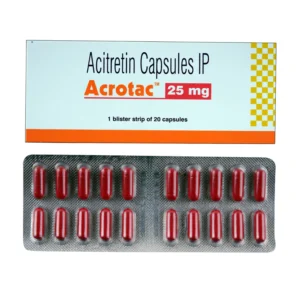
Acrotac 25mg (Acitretin)
Active Ingredient Acitretin Manufacturer Sun Pharmaceutical Industries Ltd Packaging 20 capsules in 1 strip Strength 25mg Delivery Time 6 To 15 days SKU: Acrotac 25mg (Acitretin) Price range: $90.00 through $245.00Acrotac 25mg (Acitretin)
Price range: $90.00 through $245.00 -

Aziderm 20% Gel (Azelaic Acid)
Active Ingredient Azelaic Acid Manufacturer Micro Labs Limited Packaging 15 gm in 1 tube Strength 20% Delivery Time 6 To 15 days SKU: Aziderm 20% Gel (Azelaic Acid) Price range: $42.00 through $110.00Aziderm 20% Gel (Azelaic Acid)
Price range: $42.00 through $110.00 -

Isotroin 5 Mg Soft Capsules (Isotretinoin)
Active Ingredient Isotretinoin Manufacturer Cipla Limited Packaging 10 soft gelatin capsules in 1 strip Strength 5mg, 10mg, 20mg, 30mg Delivery Time 6 To 15 days SKU: Isotroin 5 Mg Soft Capsules (Isotretinoin) Price range: $26.00 through $101.00Isotroin 5 Mg Soft Capsules (Isotretinoin)
Price range: $26.00 through $101.00 -

Tretiva 5 Mg Soft Capsule (Isotretinoin)
Active Ingredient Isotretinoin Manufacturer Acne Packaging 10 soft gelatin capsules in 1 strip Strength 5mg, 10mg, 20mg, 25mg, 30mg Delivery Time 6 To 15 days SKU: Tretiva 5 Mg Soft Capsule (Isotretinoin) Price range: $26.00 through $101.00Tretiva 5 Mg Soft Capsule (Isotretinoin)
Price range: $26.00 through $101.00 -
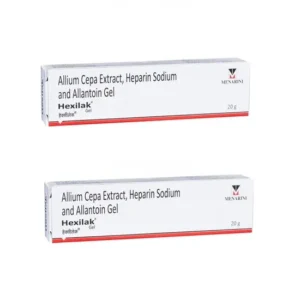
Hexilak Gel (Extractum Cepae, Heparin & Allantoin)
Active Ingredient Extractum cepae/Heparin/Allantoin Manufacturer Menarini India Pvt Ltd Packaging 20 gm gel in 1 tube Strength 20g Delivery Time 6 to 15 days SKU: Hexilak Gel (Extractum Cepae/Heparin/Allantoin) Price range: $15.00 through $80.00Hexilak Gel (Extractum Cepae, Heparin & Allantoin)
Price range: $15.00 through $80.00 -

Clindoxyl Gel (Clindamycin & Benzoyl Peroxide)
Active Ingredient Clindamycin/Benzoyl Peroxide Manufacturer GlaxoSmithKline Pharmaceuticals Ltd Packaging 15 gm in 1 tube Strength 15gm Delivery Time 6 To 15 days SKU: Clindoxyl Gel (Clindamycin/Benzoyl Peroxide) Price range: $15.00 through $79.00Clindoxyl Gel (Clindamycin & Benzoyl Peroxide)
Price range: $15.00 through $79.00 -
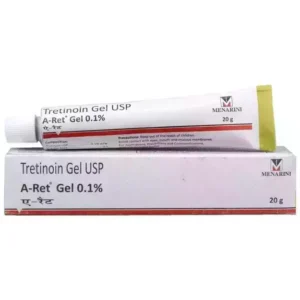
A Ret Gel 0.1%
Active Ingredient Tretinoin Manufacturer Menarini India Pvt Ltd Packaging 20g in Gel Strength 0.1% Delivery Time 6 To 15 days SKU: A Ret Gel 0.1% (Tretinoin) Price range: $28.00 through $74.00A Ret Gel 0.1%
Price range: $28.00 through $74.00 -

Dalacin C 150mg (Clindamycin)
Active Ingredient Clindamycin Manufacturer Pfizer India Ltd Packaging 10 capsules in 1 strip Strength 150mg Delivery Time 6 To 15 days SKU: Dalacin C 150mg (Clindamycin) Price range: $27.00 through $73.00Dalacin C 150mg (Clindamycin)
Price range: $27.00 through $73.00 -

Tretizen 10 Mg Soft Capsule (Isotretinoin)
Active Ingredient Isotretinoin Manufacturer Zenlabs Ethica Ltd. Packaging 10 soft gelatin capsules in 1 strip Strength 10mg, 20mg Delivery Time 6 To 15 days SKU: Tretizen 10 Mg Soft Capsule (Isotretinoin) Price range: $20.00 through $69.00Tretizen 10 Mg Soft Capsule (Isotretinoin)
Price range: $20.00 through $69.00 -
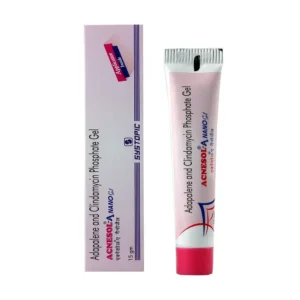
Acnesol A Nano Gel 15gm (Adapalene 0.1% & Clindamycin 1%)
Active Ingredient Clindamycin Manufacturer Systopic Laboratories Pvt Ltd Packaging 20 gm in 1 tube Strength 15gm Delivery Time 6 To 15 days SKU: Acnesol A Nano Gel 15gm (Adapalene 0.1% / Clindamycin 1%) Price range: $24.00 through $60.00Acnesol A Nano Gel 15gm (Adapalene 0.1% & Clindamycin 1%)
Price range: $24.00 through $60.00 -

Ivrea Cream (Ivermectin)
Active Ingredient Ivermectin Manufacturer Ajanta Pharma Ltd Packaging 30 gm in 1 tube Strength 1% Delivery Time 6 To 15 days SKU: Ivrea Price range: $15.00 through $60.00Ivrea Cream (Ivermectin)
Price range: $15.00 through $60.00 -

Doxycycline 100 Mg
Active Ingredient Doxycycline Manufacturer Omega Pharma Packaging 10 capsules in 1 strip Strength 100mg Delivery Time 6 To 15 days SKU: Doxycycline 100 Mg Price range: $20.00 through $55.00Doxycycline 100 Mg
Price range: $20.00 through $55.00