
Anti-Cancer Medicines: Understanding Treatment Options:-
Category Overview:-
Anti-cancer medicines represent a broad group of medications designed to treat various forms of cancer by targeting and destroying cancer cells, slowing their growth, or preventing their spread throughout the body. These medicines are prescribed by oncologists and specialized healthcare providers as part of comprehensive cancer treatment plans. Cancer treatment often involves multiple approaches, and medication therapy plays a central role in helping patients fight the disease, manage symptoms, and improve quality of life. The selection of specific anti-cancer medicines depends on the type of cancer, its stage, the patient’s overall health, and how the cancer responds to treatment.
Conditions Treated:-
Anti-cancer medicines are used to treat a wide range of malignant conditions affecting different parts of the body. These include solid tumors such as breast cancer, lung cancer, colorectal cancer, prostate cancer, and ovarian cancer, as well as blood cancers like leukemia, lymphoma, and multiple myeloma. Some medicines in this category are also used to treat rare cancers and certain non-cancerous conditions where abnormal cell growth occurs. The choice of medication depends on the specific diagnosis, cancer stage, genetic markers, and whether the cancer has spread to other organs. Healthcare providers conduct thorough testing and evaluation before prescribing these treatments.
Types of Medicines in This Category:-
Anti-cancer medicines come in several forms and therapeutic classes:
Chemotherapy Agents-
Traditional chemotherapy drugs work by targeting rapidly dividing cells. They may be administered orally as tablets or capsules, or through intravenous infusion in hospital or clinic settings.
Targeted Therapy Drugs-
These newer medicines target specific proteins or genetic mutations that contribute to cancer growth, offering a more precise approach than conventional chemotherapy.
Hormonal Therapies-
Used primarily for hormone-sensitive cancers like breast and prostate cancer, these medicines block or lower hormone levels that fuel cancer growth.
Immunotherapy Agents-
These medications help the body’s immune system recognize and attack cancer cells more effectively.
Biosimilars and Biological Therapies-
Complex medications produced from living organisms that interfere with specific pathways involved in cancer development and progression.
Each type has different mechanisms, administration methods, and treatment schedules determined by healthcare professionals.
How These Medicines Work?
Anti-cancer medicines work through various mechanisms to fight cancer. Traditional chemotherapy drugs interfere with cell division, affecting both cancerous and some healthy rapidly dividing cells throughout the body. Targeted therapies are designed to block specific molecules that cancer cells use to grow, spread, or repair themselves, often sparing healthy cells. Hormonal therapies reduce or block hormones that certain cancers need to grow. Immunotherapy medicines strengthen the immune system’s natural ability to detect and destroy cancer cells. Some medicines prevent cancer cells from forming new blood vessels needed for tumor growth, while others directly trigger cancer cell death. The specific action depends on the medication type and the biological characteristics of the cancer being treated.
Who May Benefit From This Category?
Anti-cancer medicines are prescribed to patients diagnosed with cancer after a comprehensive evaluation by oncology specialists. These medications may benefit individuals at various stages of their cancer journey—some patients receive them as primary treatment, while others use them alongside surgery or radiation therapy. Certain medicines are prescribed after surgery to reduce the risk of cancer returning, a strategy known as adjuvant therapy. In some cases, these medications help shrink tumors before surgical removal. Patients with advanced or metastatic cancer may receive these medicines to control disease progression and manage symptoms. The decision to use anti-cancer medication involves careful consideration of the potential benefits, risks, overall health status, and patient preferences.
Important Safety Information:-
Anti-cancer medicines require careful medical supervision due to their powerful effects and potential side effects. These medications should only be taken under the direct guidance of qualified oncology healthcare providers who monitor treatment response and adjust therapy as needed. Patients with certain pre-existing conditions, reduced organ function, or who are pregnant or breastfeeding may not be suitable candidates for specific treatments. It is essential to inform healthcare providers about all current medications, supplements, and herbal products, as interactions can affect treatment effectiveness or increase risks. Many anti-cancer medicines weaken the immune system, making patients more susceptible to infections. Regular medical appointments, blood tests, and monitoring are crucial components of safe treatment. Patients should never adjust doses or stop treatment without consulting their oncology team, as this can significantly impact treatment outcomes.
Usage Guidance (General):-
The administration of anti-cancer medicines varies significantly based on the specific medication and treatment protocol. Some medicines are taken orally at home following precise schedules, while others require administration in healthcare facilities by trained professionals. Treatment regimens often involve cycles of medication followed by rest periods, allowing the body time to recover. Dosing is highly individualized and calculated based on factors including body weight, body surface area, organ function, and how well the treatment is tolerated. Patients receiving oral anti-cancer medicines at home must follow instructions carefully regarding timing, food interactions, and what to do if a dose is missed. Healthcare providers provide detailed written instructions and support throughout treatment. It is vital to attend all scheduled appointments and report any concerns promptly to the medical team.
Side Effects & Risks (General Overview):-
Anti-cancer medicines can cause side effects that range from mild to serious, varying considerably between different medications and individual patients. Common side effects may include fatigue, nausea, changes in appetite, hair loss, and increased susceptibility to infections due to reduced white blood cell counts. Some patients experience changes in sensation in their hands and feet, skin changes, or digestive disturbances. More serious potential effects can include significant drops in blood cell counts, liver or kidney function changes, heart problems, or severe allergic reactions. Certain medicines may affect fertility or cause long-term effects that require ongoing monitoring even after treatment ends. Healthcare teams implement various strategies to prevent, minimize, or manage side effects, and many effects improve after treatment concludes. Patients should report new or worsening symptoms to their healthcare providers immediately, as early intervention can prevent complications.
Choosing the Right Medicine:-
Selecting the appropriate anti-cancer medicine is a complex decision that should only be made by qualified oncology specialists. This decision is based on extensive diagnostic information, including cancer type, genetic testing results, stage of disease, overall health status, and previous treatments. Healthcare providers consider the latest clinical research, treatment guidelines, and the patient’s individual circumstances and preferences. Many factors influence treatment selection, including potential effectiveness, side effect profiles, treatment schedules, and how the medication fits into the overall treatment plan. Patients are encouraged to have open discussions with their oncology team, ask questions, and understand the reasons behind treatment recommendations. Seeking a second opinion from another cancer specialist is a reasonable step in the decision-making process. The goal is to develop a personalized treatment approach that offers the best possible outcome while maintaining quality of life.
Storage & Handling Advice:-
Proper storage of anti-cancer medicines is essential for maintaining their effectiveness and ensuring safety. Most oral anti-cancer medications should be stored at room temperature in their original containers, away from moisture, heat, and direct sunlight unless specific refrigeration is required. These medicines must be kept out of reach of children and pets, as even small amounts can be harmful. Some anti-cancer medicines require special handling precautions—caregivers should wash their hands thoroughly after handling tablets or capsules and should not crush, break, or chew tablets unless specifically instructed. Dispose of expired or unused medicines according to healthcare provider instructions or pharmacy take-back programs; never flush them down the toilet or throw them in household trash unless directed. Injectable or intravenous anti-cancer medicines administered in healthcare settings are handled by trained professionals following strict safety protocols.
Frequently Asked Questions?
How long does anti-cancer treatment typically last?
Treatment duration varies greatly depending on the type and stage of cancer, the specific medicines used, and how well the cancer responds to treatment. Some patients complete treatment in a few months, while others may continue for a year or longer. Certain cancers require ongoing maintenance therapy. Your oncology team will explain the planned treatment schedule and adjust it based on your response and tolerance.
Can I work or maintain normal activities during anti-cancer treatment?
Many patients continue working and engaging in daily activities during treatment, though this depends on the type of medicine, side effects experienced, and individual circumstances. Some treatments require more frequent medical visits or cause fatigue that necessitates reduced work hours or temporary leave. Discuss your lifestyle and responsibilities with your healthcare team to plan accordingly and know when to modify activities.
Are anti-cancer medicines covered by insurance?
Coverage varies by insurance plan, specific medication, and indication. Many anti-cancer medicines are covered under prescription drug plans, though prior authorization may be required. Patient assistance programs are often available from pharmaceutical manufacturers for those who qualify. Your healthcare team typically includes financial counselors or social workers who can help navigate insurance coverage and identify financial assistance resources.
What should I do if I miss a dose of oral anti-cancer medicine?
Never double-dose or make assumptions about missed doses. Contact your healthcare provider or oncology pharmacist immediately for specific guidance, as instructions vary by medication. Some medicines can be taken if the missed dose is remembered within a certain timeframe, while others should be skipped. Keep the oncology team’s contact information readily available.
Medical Disclaimer:-
The information provided on this page is intended for educational purposes only and should not be considered medical advice, diagnosis, or treatment recommendations. Anti-cancer medicines are powerful medications that require a prescription and supervision by qualified oncology healthcare professionals. This content does not replace professional medical consultation, examination, or individualized treatment planning. Never start, stop, or modify cancer treatment without consulting your healthcare provider. If you have been diagnosed with cancer or have concerns about cancer symptoms, seek immediate evaluation from a qualified medical professional. Treatment decisions should be made in consultation with your oncology team based on your specific medical condition, diagnostic results, and individual circumstances. In case of medical emergencies, contact emergency services immediately.
-

Xovoltib 20 Mg (Afatinib Dimaleate)
Active Ingredient Afatinib Dimaleate Manufacturer Boehringer Ingelheim India Pvt.Ltd Packaging 7 tablets in 1 strip Strength 20mg, 30mg, 40mg, 50mg Delivery Time 6 To 15 days SKU: Xovoltib 20mg (Afatinib Dimaleate) Price range: $840.00 through $2,826.00Xovoltib 20 Mg (Afatinib Dimaleate)
Price range: $840.00 through $2,826.00 -
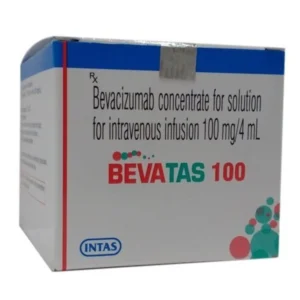
Bevatas 100 Mg Injection
Active Ingredient Bevacizumab Manufacturer Intas Pharmaceuticals Ltd Packaging 100 mg/4ml in 1 Injection Strength 100 mg/4 ml Delivery Time 6 To 15 days SKU: Bevatas 100 Mg Injection Price range: $974.63 through $2,786.95Bevatas 100 Mg Injection
Price range: $974.63 through $2,786.95 -
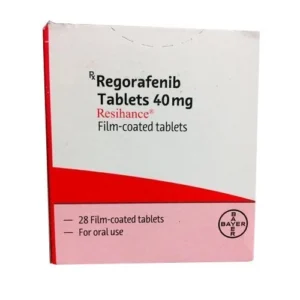
Resihance (Regorafenib) – 40 Mg
Active Ingredient Regorafenib Manufacturer Bayer Zydus Pharma Packaging 28 tablets in 1 strip Strength 40mg Delivery Time 6 To 15 days SKU: Resihance (Regorafenib) – 40 Mg Price range: $700.00 through $1,932.00Resihance (Regorafenib) – 40 Mg
Price range: $700.00 through $1,932.00 -
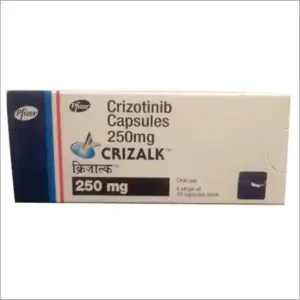
Crizalk (Crizotinib) – 250 Mg
Active Ingredient Afatinib Dimaleate Manufacturer Boehringer Ingelheim India Pvt.Ltd Packaging 7 tablets in 1 strip Strength 20mg Delivery Time 6 To 15 days SKU: Crizalk (Crizotinib) – 250 Mg Price range: $868.00 through $1,727.00Crizalk (Crizotinib) – 250 Mg
Price range: $868.00 through $1,727.00 -
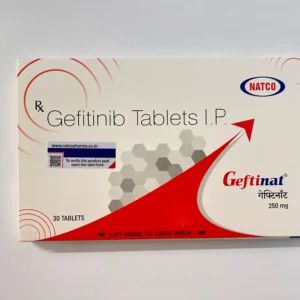
Geftinat (Gefitinib) – 250 Mg
Active Ingredient Gefitinib Manufacturer Natco Pharma, India Strength 250mg Delivery Time 6 To 15 days SKU: Geftinat (Gefitinib) – 250 Mg Price range: $309.00 through $999.00Geftinat (Gefitinib) – 250 Mg
Price range: $309.00 through $999.00 -
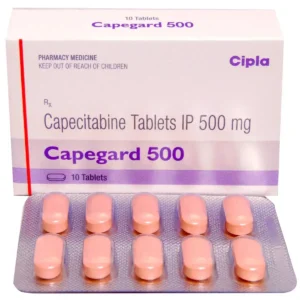
Capegard (Capecitabine) – 500 Mg
Active Ingredient Capecitabine Manufacturer Cipla Limited Packaging 10 tablets in 1 strip Delivery Time 6 To 15 days SKU: Capegard (Capecitabine) – 500 Mg Price range: $285.00 through $930.00Capegard (Capecitabine) – 500 Mg
Price range: $285.00 through $930.00 -
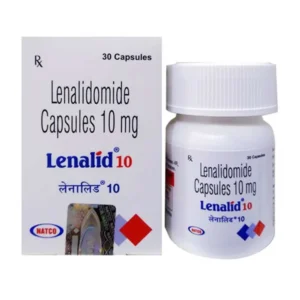
Lenalid Capsules
Active Ingredient Imatinib Manufacturer Natco Pharma Ltd. Packaging 10 Tablets in Strips & 120 Tablets in Bottle Strength 5 Mg, 10 Mg, 15 Mg, 25 Mg Delivery Time 6 To 15 days SKU: Lenalid 5 Mg (Lenalidomide) Price range: $94.00 through $750.00Lenalid Capsules
Price range: $94.00 through $750.00 -
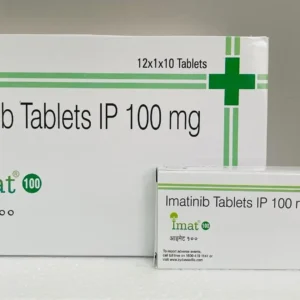
Imat 100 Mg
Active Ingredient Imatinib Manufacturer Zydus Cadila Pharma Packaging 10 tablets in 1 strip Strength 100mg, 400mg Delivery Time 6 To 15 days SKU: Imat 100 Mg Price range: $58.50 through $375.00Imat 100 Mg
Price range: $58.50 through $375.00 -
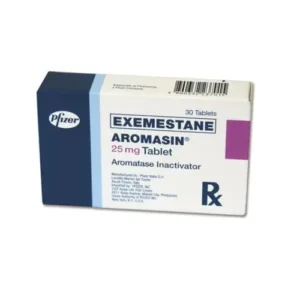
Aromasin (Exemestane) – 25 Mg
Active Ingredient Exemestane Manufacturer Pfizer India Ltd Packaging 15 tablets in 1 strip Delivery Time 6 To 15 days SKU: Aromasin (Exemestane) – 25 Mg Price range: $95.00 through $323.00Aromasin (Exemestane) – 25 Mg
Price range: $95.00 through $323.00 -
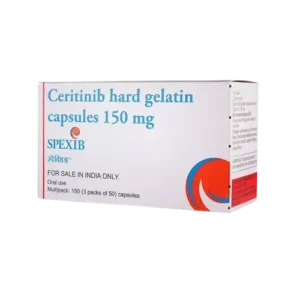
Spexib (Ceritinib) – 150 Mg
Active Ingredient Afatinib Dimaleate Manufacturer Boehringer Ingelheim India Pvt.Ltd Packaging 7 Capsule in 1 strip Strength 20mg Delivery Time 6 To 15 days SKU: Spexib (Ceritinib) – 150 Mg Price range: $125.00 through $315.00Spexib (Ceritinib) – 150 Mg
Price range: $125.00 through $315.00 -
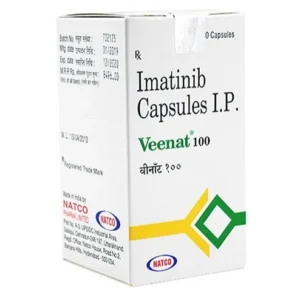
Veenat 100 Mg (Imatinib)
Active Ingredient Imatinib Manufacturer Natco Pharma Ltd. Packaging 10 Tablets in Strip & 120 Tablets in Bottle Strength 100mg Delivery Time 6 To 15 days SKU: Veenat 100 Mg (Imatinib) Price range: $85.00 through $240.00Veenat 100 Mg (Imatinib)
Price range: $85.00 through $240.00 -
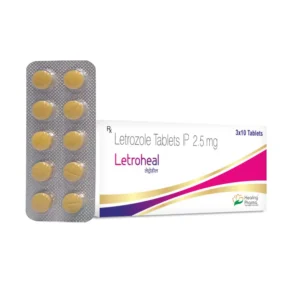
Letrozole 2.5 Mg
Active Ingredient Letrozole Manufacturer Corona Remedies Private Limited Packaging 10 tablets in 1 strip Strength 2.5mg Delivery Time 6 To 15 days SKU: Letrozole (Letrozole) – 2.5 Mg Price range: $85.50 through $225.00Letrozole 2.5 Mg
Price range: $85.50 through $225.00