
Asthma Medicines: Understanding Your Treatment Options:-
Category Overview:-
Asthma medicines are prescription and over-the-counter treatments used to manage chronic airway inflammation and breathing difficulties associated with asthma. Healthcare professionals prescribe these medicines to help patients control their symptoms, prevent asthma attacks, and maintain normal daily activities. The medicines in this category work through different mechanisms to either provide immediate relief during breathing difficulties or offer long-term control of airway inflammation. Treatment plans are individualized based on asthma severity, symptom frequency, and patient-specific factors.
Conditions Treated:-
Medicines in this category are primarily used to manage asthma, a chronic respiratory condition characterized by inflammation and narrowing of the airways. These treatments address various manifestations of asthma, including:
– Persistent wheezing and shortness of breath
– Chest tightness and discomfort
– Chronic coughing, particularly at night or early morning
– Exercise-induced breathing difficulties
– Allergic asthma triggered by environmental factors
– Acute asthma exacerbations requiring immediate intervention
Some medicines in this category may also be prescribed for related respiratory conditions such as chronic obstructive pulmonary disease (COPD) or allergic rhinitis when accompanied by asthma symptoms. Only a qualified healthcare provider can determine the appropriate diagnosis and treatment approach.
Types of Medicines in This Category:-
Asthma medicines are generally classified into two main groups based on their therapeutic purpose:
Controller Medicines (Long-Term Control)
These are taken daily to prevent symptoms and manage underlying inflammation. They include inhaled corticosteroids, long-acting beta-agonists, leukotriene modifiers, and combination inhalers that contain multiple active ingredients. These medicines work gradually and are not intended for immediate relief.
Reliever Medicines (Quick-Relief)
Also called rescue medicines, these provide rapid symptom relief during asthma attacks or breathing difficulties. Short-acting beta-agonists are the most common type in this group, typically working within minutes to open the airways.
Delivery Methods
Asthma medicines come in various forms, including metered-dose inhalers, dry powder inhalers, nebulizer solutions, oral tablets, and injectable biologics. The delivery method depends on the specific medicine, patient age, ability to use inhalers correctly, and severity of the condition.
How These Medicines Work?
Asthma medicines target different aspects of the condition’s underlying mechanisms:
Anti-Inflammatory Action
Many controller medicines reduce swelling and inflammation in the airway lining, making the airways less sensitive to triggers. Corticosteroids work by suppressing the immune response that causes inflammation, while leukotriene modifiers block specific chemical signals involved in the inflammatory process.
Bronchodilation
Reliever medicines and some controller medicines relax the muscles surrounding the airways, allowing them to open wider and improve airflow. This effect helps reduce wheezing, chest tightness, and shortness of breath.
Immune System Modulation
Newer biologic medicines work by targeting specific proteins or cells involved in allergic and inflammatory responses, helping to prevent severe asthma exacerbations in patients with specific types of asthma.
The combination of these mechanisms helps patients achieve better symptom control and reduce the frequency of asthma attacks when medicines are used as prescribed.
Who May Benefit From This Category?
Healthcare providers may prescribe asthma medicines to:
– Adults, adolescents, and children diagnosed with asthma of varying severity levels
– Individuals experiencing frequent respiratory symptoms that interfere with daily activities
– Patients with a history of asthma exacerbations or emergency department visits
– People whose asthma is triggered by allergies, exercise, or environmental factors
– Individuals who require ongoing management to prevent symptom progression
The specific medicine, dosage, and treatment regimen depend on factors including asthma severity classification, symptom frequency, lung function test results, age, other health conditions, and response to previous treatments. A thorough medical evaluation is necessary before starting any asthma treatment.
Important Safety Information:-
Asthma medicines require careful medical supervision to ensure safe and effective use:
Medical Consultation Required
Never start, stop, or change asthma medicines without consulting your healthcare provider. Suddenly discontinuing controller medicines can lead to worsening symptoms and serious complications.
Patients Who May Need Special Consideration
Individuals with certain health conditions may require adjusted treatment approaches, including those with heart disease, high blood pressure, diabetes, thyroid disorders, osteoporosis, glaucoma, or a history of infections. Pregnant or breastfeeding women should discuss potential risks and benefits with their healthcare provider.
Proper Technique Matters
Many asthma medicines are delivered through inhalers, and incorrect technique can result in inadequate medicine delivery to the lungs. Healthcare providers should demonstrate proper inhaler use, and patients should have their technique reviewed regularly.
Monitoring and Follow-Up
Regular medical appointments are essential to assess treatment effectiveness, monitor for side effects, adjust dosages, and review asthma action plans. Patients should also track their symptoms and peak flow readings as recommended.
Usage Guidance (General):-
Asthma medicine regimens are highly individualized and must follow healthcare professional guidance:
Controller vs. Reliever Usage
Controller medicines must be taken daily as prescribed, even when feeling well, to maintain symptom control. Reliever medicines should only be used when experiencing symptoms or before exercise if recommended. Needing reliever medicine more than twice per week may indicate inadequate asthma control.
Timing and Consistency
Many controller medicines work best when taken at the same time each day. Consistency helps maintain stable medicine levels and optimal airway protection.
Dosage Adjustments
Healthcare providers may adjust dosages based on symptom control, lung function measurements, and side effect profiles. Patients should never adjust their own dosages without medical guidance.
Asthma Action Plan
Most patients should have a written asthma action plan from their healthcare provider that explains daily management, how to recognize worsening symptoms, and when to seek emergency care.
Side Effects & Risks (General Overview):-
Like all medicines, asthma treatments can cause side effects, though not everyone experiences them:
Common Side Effects
Controller medicines, particularly inhaled corticosteroids, may cause throat irritation, hoarseness, oral thrush (fungal infection in the mouth), or cough. These effects can often be minimized by rinsing the mouth after each use. Reliever medicines may cause temporary tremors, rapid heartbeat, or nervousness.
Serious Side Effects
Though less common, serious side effects require immediate medical attention. These may include severe allergic reactions, significantly worsening breathing difficulties, chest pain, irregular heartbeat, or signs of infection. Long-term use of high-dose corticosteroids may affect bone density, growth in children, or increase infection risk.
Overuse Risks
Using reliever medicines too frequently can indicate poor asthma control and may lead to reduced effectiveness over time. Excessive use of certain reliever medicines has been associated with increased risk of severe asthma attacks.
Patients should report any concerning symptoms to their healthcare provider promptly rather than discontinuing treatment without guidance.
Choosing the Right Medicine:-
Selecting appropriate asthma treatment requires professional medical assessment:
Comprehensive Evaluation
Healthcare providers consider asthma severity classification, symptom patterns, lung function test results, trigger identification, previous treatment responses, other health conditions, age, ability to use different delivery devices, and patient preferences when recommending treatment.
Step-Wise Approach
Asthma treatment typically follows a step-wise approach, starting with the lowest effective treatment level and adjusting upward or downward based on symptom control. This ensures patients receive adequate control while minimizing unnecessary medicine exposure.
Pharmacist Consultation
Pharmacists can provide valuable guidance on proper inhaler technique, managing side effects, potential interactions with other medicines, and when to seek medical attention. They can also help coordinate prescription refills to prevent treatment interruptions.
Avoid Self-Selection
Using asthma medicines without proper diagnosis and supervision can mask serious conditions, delay appropriate treatment, or result in inadequate symptom control. Professional guidance ensures the most appropriate and safe treatment approach.
Storage & Handling Advice:-
Proper storage helps maintain the effectiveness and safety:
General Storage Guidelines
Most asthma inhalers should be stored at room temperature, away from direct heat, sunlight, and moisture. Avoid storing medicines in bathrooms where humidity levels fluctuate. Some inhaler types should not be stored in extreme temperatures or punctured, as they are under pressure.
Device-Specific Instructions
Different inhaler types have specific storage requirements. Metered-dose inhalers should be stored with the mouthpiece down or on their side. Dry powder inhalers must be kept dry, and the capmust be replaced immediately after use. Nebulizer solutions have specific storage requirements listed on the packaging.
Checking Expiration Dates
Regularly verify expiration dates and dispose of expired medicines properly. Some inhalers have dose counters to track remaining doses—replace the inhaler when the counter reaches zero, even if it feels like medicine remains inside.
Safety Measures
Keep all medicines out of reach of children and pets. Store at the recommended temperature and protect from damage. Never transfer medicines to different containers, as this can lead to confusion or contamination.
Frequently Asked Questions (Category-Based)?
How quickly do asthma medicines start working?
The onset of action varies significantly by medicine type. Reliever medicines (quick-relief bronchodilators) typically begin working within 5-15 minutes and provide symptom relief for several hours. Controller medicines work gradually—inhaled corticosteroids may take several days to weeks to achieve full effect, while biologic medicines may require several weeks to months. It’s essential to continue controller medicines as prescribed even when feeling well, as they prevent symptoms rather than treat them immediately.
Can I stop taking my asthma medicine if I feel better?
No, discontinuing controller medicines without medical guidance can lead to returning symptoms and potentially serious asthma exacerbations. Feeling well typically means the medicine is working effectively to control inflammation and prevent symptoms. Your healthcare provider will assess your asthma control over time and may adjust treatment, but changes should only be made under professional supervision. Sudden cessation of some medicines, particularly oral corticosteroids, can have serious health consequences.
What should I do if I miss a dose of my controller medicine?
If you miss a dose, take it as soon as you remember unless it’s almost time for your next scheduled dose. In that case, skip the missed dose and continue with your regular schedule. Never double up on doses to compensate for a missed one. If you frequently forget doses, discuss strategies with your healthcare provider or pharmacist, such as setting reminders, linking medicine use to daily routines, or using pill organizers.
Is it safe to use my reliever inhaler before exercise?
Many healthcare providers recommend using a reliever inhaler 15-30 minutes before exercise for patients with exercise-induced bronchoconstriction. However, if you need to use your reliever medicine frequently to participate in physical activities, this may indicate that your asthma is not well controlled with your current controller medicine regimen. Discuss your exercise patterns and reliever medicine use with your healthcare provider, who may adjust your long-term controller treatment.
Medical Disclaimer:-
This content is provided for educational and informational purposes only and is not intended to replace professional medical advice, diagnosis, or treatment. The information presented represents general guidance about asthma medicines as a category and should not be interpreted as specific medical recommendations for any individual.
Asthma is a serious medical condition requiring proper diagnosis and ongoing management by qualified healthcare professionals. Never start, stop, modify, or substitute asthma medicines without explicit guidance from your doctor or prescribing healthcare provider. Self-treatment or delayed medical care can result in serious health consequences, including life-threatening asthma attacks.
Individual responses to medicines vary, and what is appropriate for one patient may not be suitable for another. Treatment decisions should be based on a comprehensive medical evaluation, including your complete health history, current medications, severity of condition, and individual risk factors.
In case of difficulty breathing, severe asthma symptoms, or emergency situations, seek immediate medical attention by calling emergency services or visiting the nearest emergency department. This information does not constitute an emergency resource.
Always consult with your healthcare provider or pharmacist if you have questions about your specific treatment plan, experience side effects, or have concerns about your asthma management. This content does not establish a doctor-patient relationship, and the online pharmacy providing this information does not assume responsibility for treatment decisions made based on this general educational material.
-

Triohale Rotacaps (Tiotropium, Formoterol & Ciclesonide)
Active Ingredient Tiotropium/Formoterol/Ciclesonide Manufacturer Cipla Limited Packaging 15 Rotacaps in 1 packet Delivery Time 6 To 15 days SKU: Triohale Rotacaps (Tiotropium/Formoterol/Ciclesonide) Price range: $12.00 through $31.50Triohale Rotacaps (Tiotropium, Formoterol & Ciclesonide)
Price range: $12.00 through $31.50 -
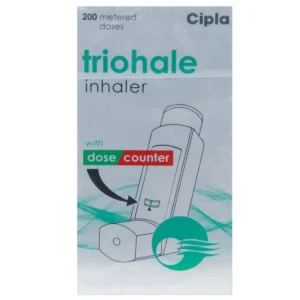
Triohale Inhaler (Tiotropium,Formoterol & Ciclesonide)
Active Ingredient Tiotropium/Formoterol/Ciclesonide Manufacturer Cipla Limited Packaging 200 MDI in 1 Inhaler Delivery Time 6 To 15 days SKU: Triohale Inhaler (Tiotropium/Formoterol/Ciclesonide) Price range: $33.00 through $95.00Triohale Inhaler (Tiotropium,Formoterol & Ciclesonide)
Price range: $33.00 through $95.00 -
 Price range: $12.00 through $48.00
Wysolone 5 Mg (Prednisolone)
Price range: $12.00 through $48.00 -

Ventorlin Inhaler 100 Mcg (Salbutamol)
Active Ingredient Salbutamol Manufacturer GlaxoSmithKline Pharmaceuticals Ltd Packaging 200 MDI in 1 Inhaler Strength 100 Mcg Delivery Time 6 To 15 days SKU: Ventorlin Inhaler 100 Mcg (Salbutamol) Price range: $6.00 through $25.00Ventorlin Inhaler 100 Mcg (Salbutamol)
Price range: $6.00 through $25.00 -

Theo Asthalin Tablet (Salbutamol & Theophylline)
Active Ingredient Salbutamol/Theophylline Manufacturer Cipla Limited Packaging 10 tablets in 1 strip Strength 2mg+100mg Delivery Time 6 To 15 days SKU: Theo Asthalin Tablet (Salbutamol/Theophylline) Price range: $6.48 through $19.50Theo Asthalin Tablet (Salbutamol & Theophylline)
Price range: $6.48 through $19.50 -

Theo Asthalin Forte (Salbutamol & Theophylline)
Active Ingredient Salbutamol/Theophylline Manufacturer Cipla Limited Packaging 10 tablets in 1 strip Delivery Time 6 To 15 days SKU: Theo Asthalin Forte (Salbutamol/Theophylline) Price range: $6.30 through $18.00Theo Asthalin Forte (Salbutamol & Theophylline)
Price range: $6.30 through $18.00 -

Tiova Rotacaps (Tiotropium Bromide)
Active Ingredient Tiotropium Bromide Manufacturer Cipla Limited Packaging 15 Rotacaps in 1 packet Strength 18 Mcg Delivery Time 6 To 15 days SKU: Tiova Rotacaps (Tiotropium Bromide) Price range: $14.00 through $37.00Tiova Rotacaps (Tiotropium Bromide)
Price range: $14.00 through $37.00 -

Tiova Inhaler (Tiotropium Bromide)
Active Ingredient Tiotropium Bromide Manufacturer Cipla Limited Packaging 200 MDI in 1 Inhaler Strength 9 Mcg Delivery Time 6 To 15 days SKU: Tiova Inhaler (Tiotropium Bromide) Price range: $15.00 through $42.00Tiova Inhaler (Tiotropium Bromide)
Price range: $15.00 through $42.00 -
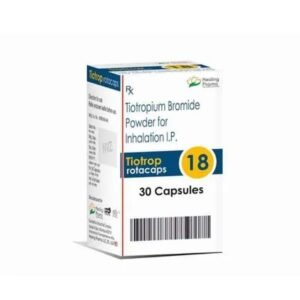
Tiotrop Rotacaps (Tiotropium Bromide)
Active Ingredient Tiotropium Bromide Manufacturer Healing Pharma, India Packaging 15 Rotacaps in 1 packet Strength 18 Mcg Delivery Time 6 To 15 days SKU: Tiotrop Rotacaps (Tiotropium Bromide) Price range: $15.00 through $37.00Tiotrop Rotacaps (Tiotropium Bromide)
Price range: $15.00 through $37.00 -
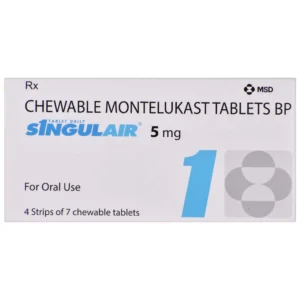
Singulair 5 Mg (Montelukast)
Active Ingredient Montelukast Manufacturer MSD Pharmaceuticals India Pvt. Ltd. Packaging 7 Tablets in strips & 14 tablets in strips Strength 5 Mg, 10 Mg Delivery Time 6 To 15 days SKU: Singulair 5 Mg (Montelukast) Price range: $46.80 through $180.00Singulair 5 Mg (Montelukast)
Price range: $46.80 through $180.00 -

Seroflo Rotacaps 100 Mcg (Salmeterol & Fluticasone)
Active Ingredient Salmeterol/Fluticasone Manufacturer Cipla Limited Packaging 30 Rotacaps in 1 bottle Strength 100 Mcg, 250 Mcg, 500 Mcg Delivery Time 6 To 15 days SKU: Seroflo Rotacaps 100 Mcg (Salmeterol/Fluticasone) Price range: $9.50 through $29.80Seroflo Rotacaps 100 Mcg (Salmeterol & Fluticasone)
Price range: $9.50 through $29.80 -

Seroflo Inhaler 50 Mcg (Salmeterol & Fluticasone)
Active Ingredient Salmeterol/Fluticasone Manufacturer Cipla Limited Packaging 120 MDI in 1 Inhaler Strength 50 Mcg, 125 Mcg, 250 Mcg Delivery Time 6 To 15 days SKU: Seroflo Inhaler 50 Mcg (Salmeterol/Fluticasone) Price range: $11.00 through $47.00Seroflo Inhaler 50 Mcg (Salmeterol & Fluticasone)
Price range: $11.00 through $47.00