
Burn Wound Care Medicines: Comprehensive Patient Information:-
Category Overview:-
Burn wound care medicines represent a specialized group of pharmaceutical and medical products designed to support the healing of thermal, chemical, electrical, and radiation burns. Healthcare professionals prescribe or recommend these treatments to prevent infection, reduce pain, promote tissue regeneration, and minimize scarring following burn injuries.
Burns are classified by depth and severity—from superficial first-degree burns affecting only the outer skin layer to more serious second-degree and third-degree burns that damage deeper tissues. The medicines in this category address various aspects of burn wound management, including antimicrobial protection, moisture balance, pain relief, and tissue repair. Proper medical treatment is essential, as burn wounds create vulnerable areas where infection risk is significantly elevated and healing complications can occur without appropriate care.
Conditions Treated:-
Medicines in the burn wound category are used to manage and treat:
Thermal Burns: Injuries caused by contact with hot surfaces, flames, steam, or hot liquids. These range from minor kitchen burns to more extensive injuries requiring medical intervention.
Chemical Burns: Damage resulting from exposure to caustic substances, acids, or alkalis that destroy skin tissue. These require immediate medical attention and specialized treatment protocols.
Electrical Burns: Injuries from electrical current that may cause both surface and deep tissue damage, often requiring comprehensive wound management.
Radiation Burns: Skin damage from excessive sun exposure, radiation therapy, or other radiation sources, which may require specific healing support.
Sunburn (Severe Cases): While mild sunburn resolves on its own, more severe cases with blistering or extensive skin damage may benefit from medical treatment.
Secondary Infection Prevention: Burn wounds are highly susceptible to bacterial colonization, and many treatments in this category focus on preventing or treating wound infections.
Types of Medicines in This Category:-
Burn wound care encompasses several treatment approaches:
Topical Antimicrobial Agents: Creams, ointments, and gels containing antibacterial or antiseptic ingredients that prevent or treat infection in burn wounds. These create a protective barrier while fighting harmful bacteria.
Silver-Based Preparations: Treatments containing silver compounds known for their broad-spectrum antimicrobial properties, commonly used for moderate to severe burns.
Hydrogel Dressings and Products: Moisture-retaining formulations that keep the wound environment optimal for healing while providing cooling relief and preventing excessive drying.
Enzymatic Debriding Agents: Specialized products that help remove dead tissue from burn wounds, supporting natural healing processes under medical supervision.
Pain Relief Formulations: Topical anesthetics or analgesic preparations that reduce discomfort at the burn site, often combined with other healing ingredients.
Barrier Creams and Ointments: Protective formulations that shield healing burn wounds from external irritants and maintain appropriate moisture levels.
Antiseptic Solutions: Liquid preparations used for wound cleansing and infection prevention before applying other treatments.
How These Medicines Work?
Burn wound medicines operate through several mechanisms to support healing:
Antimicrobial Action: Many treatments contain ingredients that kill or inhibit bacteria, fungi, or other microorganisms that could infect the vulnerable burn wound. This protective action helps prevent complications that could delay healing or cause systemic infection.
Moisture Management: Proper wound hydration is critical for burn healing. These medicines maintain an optimal moisture balance—preventing both excessive drying that can impair cell migration and excessive moisture that may macerate tissue.
Tissue Protection: Barrier-forming ingredients create a protective layer over the wound, shielding new tissue from mechanical damage, contamination, and water loss while the skin rebuilds itself.
Pain Reduction: Some formulations contain local anesthetic agents that temporarily block pain signals from nerve endings in the affected area, providing relief during the healing process.
Healing Support: Certain ingredients may promote cell growth, collagen formation, and tissue regeneration, helping the body’s natural healing mechanisms work more efficiently.
Inflammation Management: Some treatments help control the inflammatory response that occurs after burns, reducing excessive swelling and discomfort while supporting healthy healing.
Who May Benefit From This Category?
Healthcare professionals may prescribe or recommend burn wound medicines for:
Individuals with Recent Burn Injuries: Patients who have sustained burns requiring medical intervention beyond basic first aid, particularly second-degree burns with blistering or first-degree burns covering large body areas.
Patients at High Infection Risk: Those with compromised immune systems, diabetes, or other conditions that increase susceptibility to wound infections may receive specialized burn wound care products.
Children with Burns: Pediatric patients require careful burn management as their thinner skin may sustain deeper injuries from the same heat exposure that causes superficial burns in adults.
Elderly Patients: Older adults often have thinner, more fragile skin and may experience slower wound healing, necessitating appropriate medical products.
Patients with Delayed Healing: Individuals whose burn wounds show signs of poor healing, infection, or complications may need prescription-strength treatments.
Post-Surgical Patients: Those recovering from procedures involving controlled tissue damage, similar to burns, may use similar wound care products.
It is important to understand that burn severity assessment requires medical evaluation. Self-treatment is appropriate only for very minor, superficial burns, while more significant injuries need professional medical care.
Important Safety Information:-
Several important safety considerations apply to burn wound medicines:
Medical Evaluation is Essential: Any burn larger than three inches in diameter, deeper than superficial redness, involving the face, hands, feet, genitals, or major joints, or caused by chemicals or electricity requires immediate medical attention. These situations cannot be safely self-treated.
Infection Warning Signs: Patients should seek medical care if burn wounds show increasing redness, warmth, swelling, pus formation, red streaking, fever, or worsening pain, as these may indicate infection requiring prescription treatment.
Allergy Considerations: Some individuals may be allergic to ingredients commonly found in burn treatments, including sulfa drugs, silver compounds, or certain antibiotics. A medical history review is important before starting treatment.
Not for Open or Severe Wounds: Some over-the-counter products are not suitable for severe burns with extensive tissue damage or third-degree burns, which require specialized medical care.
Children and Infants: Burns in young children, even if appearing minor, warrant medical evaluation as their thinner skin may have sustained more serious damage than is visible.
Drug Interactions: Certain burn wound treatments may interact with other medications or medical conditions. Full disclosure to healthcare providers is necessary.
Pregnancy and Breastfeeding: Women who are pregnant or nursing should consult healthcare providers before using burn wound medicines, as some ingredients may not be recommended.
Usage Guidance (General):-
The application of burn wound medicines varies significantly based on injury severity, location, and individual patient factors:
Medical Direction Required: All treatment should follow specific instructions from a healthcare professional or the product labeling. Dosage, frequency, and duration depend on the burn’s characteristics and healing progress.
Wound Preparation: Proper wound cleansing before medication application is typically necessary, following medical guidance on appropriate cleansing methods for the specific burn type.
Application Technique: Methods vary from gentle spreading of thin layers to specialized dressing techniques. Improper application may reduce effectiveness or cause discomfort.
Dressing Changes: The frequency of reapplication and dressing changes depends on the product type, wound condition, and medical advice. Some treatments remain in place for days, while others require more frequent changes.
Treatment Duration: Healing timelines vary considerably. Medical follow-up ensures treatment continues appropriately and adjusts as the wound heals.
Complementary Care: Burn wound medicine is often part of a broader treatment plan that may include pain management, adequate hydration, nutritional support, and activity modifications.
Never deviate from medical advice or discontinue prescribed treatments without consulting your healthcare provider, even if the wound appears to be healing well.
Side Effects & Risks (General Overview):-
While burn wound medicines are generally well-tolerated when used appropriately, potential side effects may include:
Common Reactions:
– Temporary stinging or burning sensation upon application
– Mild skin discoloration (particularly with silver-based products)
– Localized itching as wounds heal
– Slight skin irritation or redness around the wound edges
– Temporary discomfort during dressing changes
Less Common but More Serious Concerns:
– Allergic reactions, including rash, severe itching, or swelling
– Systemic absorption effects if used over large body areas or for extended periods
– Delayed wound healing if inappropriate products are used
– Contact dermatitis from sensitivity to ingredients
– Wound maceration from excessive moisture retention
Rare but Serious Risks:
– Severe allergic reactions (anaphylaxis) requiring emergency care
– Systemic toxicity from absorption of certain ingredients through large wound areas
– Development of resistant bacterial infections if antimicrobials are misused
Any unexpected symptoms, worsening of the wound condition, signs of infection, or systemic symptoms like fever should prompt immediate medical consultation. Side effect profiles vary significantly among different products in this category, and your healthcare provider can explain risks specific to your prescribed treatment.
Choosing the Right Medicine:-
Selecting appropriate burn wound treatment requires professional guidance:
Medical Assessment is Key: Healthcare providers evaluate burn depth, size, location, contamination level, patient age, overall health status, and infection risk to determine the most suitable treatment approach.
Not a One-Size-Fits-All Category: What works effectively for a minor kitchen burn differs significantly from the treatment needed for chemical burns or extensive thermal injuries. Professional assessment ensures appropriate product selection.
Prescription vs. Over-the-Counter: While minor superficial burns may be managed with OTC products, healthcare providers prescribe stronger antimicrobial agents, enzymatic debriders, or specialized treatments for more serious injuries.
Individual Factors Matter: Allergies, existing medical conditions, concurrent medications, pregnancy status, and age all influence which burn wound medicine is safest and most effective for each patient.
Pharmacist Consultation: Even for over-the-counter products, pharmacists can provide valuable guidance on appropriate selection, usage, and when medical evaluation is necessary.
Avoid Self-Diagnosis: While minor burns are often recognizable, depth and severity assessment may be misleading to non-professionals. What appears superficial may have deeper damage requiring medical treatment.
Storage & Handling Advice:-
Proper storage ensures burn wound medicines remain effective and safe:
Temperature Control: Most products should be stored at room temperature away from excessive heat or cold. Some formulations may require refrigeration—always follow label instructions.
Moisture Protection: Keep products in their original containers with lids tightly closed to prevent contamination and maintain appropriate consistency.
Light Exposure: Many burn wound treatments are sensitive to light and should be stored in their original packaging away from direct sunlight.
Contamination Prevention: Use clean techniques when applying medicines. Avoid touching applicators or product openings to wound surfaces or skin to prevent introducing bacteria into the container.
Child Safety: Store all medicines securely out of children’s reach, even products that may seem innocuous. Accidental ingestion or misuse of topical products can be harmful.
Expiration Dates: Check dates before use. Expired burn wound medicines may lose effectiveness or develop harmful bacteria, particularly in products containing natural ingredients.
Travel Considerations: When transporting burn wound medicines, protect them from temperature extremes and ensure containers remain sealed to prevent leakage or contamination.
Disposal: Follow local guidelines for medication disposal. Don’t pour unused products down drains or flush them unless specifically instructed.
Frequently Asked Questions?
Q: When should I see a doctor for a burn instead of treating it myself?
A: Seek immediate medical care for burns larger than three inches across, any burn that is white, charred, or leathery in appearance, burns on the face, hands, feet, genitals, or over major joints, all chemical and electrical burns, burns in children or elderly individuals, or if you have diabetes or immune system problems. Also consult a doctor if any burn shows signs of infection (increasing redness, swelling, pus, fever) or doesn’t show healing progress within a few days.
Q: How long does it typically take for burn wounds to heal?
A: Healing time varies significantly based on burn depth and severity. Superficial first-degree burns typically heal within 3-7 days without scarring. Superficial second-degree burns (partial thickness) generally heal in 2-3 weeks with minimal scarring if properly managed. Deeper second-degree burns may take 3-8 weeks and carry a higher scarring risk. Third-degree burns require surgical intervention and have much longer recovery periods. Your healthcare provider can give you a more specific timeline based on your particular injury.
Q: Can I use home remedies like butter, oil, or toothpaste on burns?
A: No, these traditional home remedies are not recommended and may actually harm healing. Butter and oils can trap heat in the burn and increase tissue damage, while toothpaste can introduce bacteria and irritate wounds. For immediate first aid, cool (not ice-cold) running water for 10-20 minutes is appropriate for minor burns, followed by proper medical products as advised by healthcare professionals.
Q: Will using burn wound medicines prevent scarring?
A: Proper burn wound care significantly reduces scarring risk, but cannot eliminate it, especially for deeper burns. Medicines that maintain optimal moisture levels, prevent infection, and support healthy healing all contribute to better cosmetic outcomes. However, scarring also depends on burn depth, location, individual healing characteristics, and genetic factors. Your healthcare provider may recommend specific products or additional interventions if scar minimization is a concern.
Medical Disclaimer:-
Important Notice: This content is provided for educational and informational purposes only and does not constitute medical advice, diagnosis, or treatment recommendations. The information presented describes general characteristics of burn wound medicines as a category and should not replace consultation with qualified healthcare professionals.
Seek Professional Care: Burn injuries vary greatly in severity and require appropriate treatment. Always consult a physician, pharmacist, or other qualified healthcare provider for personalized medical advice regarding your specific condition, appropriate treatment selection, proper usage instructions, and monitoring needs.
Emergency Situations: Serious burns, signs of infection, or complications require immediate medical attention. Do not delay seeking emergency care based on information provided here.
No Guarantee of Accuracy: While care has been taken to provide accurate information, medical knowledge evolves continuously. Treatment protocols, product formulations, and safety information may change. Always refer to current product labeling, consult healthcare providers, and follow their specific instructions.
Individual Results Vary: Healing outcomes depend on numerous factors, including burn severity, overall health, age, treatment adherence, and individual healing capacity. No content here should be interpreted as a promise of specific results.
Not a Substitute for Medical Judgment: The information provided cannot account for your unique medical history, current medications, allergies, or personal circumstances. Healthcare professionals consider these factors when recommending treatment—generic information cannot replace their individualized assessment.
By using this information, you acknowledge that you understand its limitations and agree to consult appropriate healthcare professionals for medical decisions regarding burn wound treatment.
-
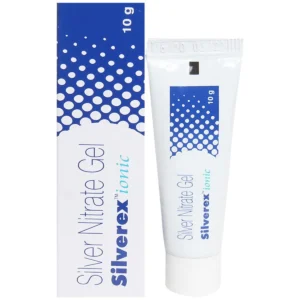
Silverex Ionic Gel (Silver Nitrate)
Active Ingredient Silver Nitrate Manufacturer Sun Pharmaceutical Industries Ltd Packaging 20g in tube Strength 20g Delivery Time 6 To 15 days SKU: Silverex Ionic Gel (Silver Nitrate) Price range: $5.00 through $22.00Silverex Ionic Gel (Silver Nitrate)
Price range: $5.00 through $22.00 -
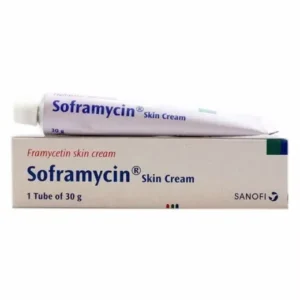
Soframycin Cream (Framycetin Sulphate)
Active Ingredient Framycetin Sulphate Manufacturer Sanofi India Limited Packaging 30 gm in 1 tube Strength 1% Delivery Time 6 to 15 days SKU: Soframycin Cream (Framycetin Sulphate) Price range: $3.00 through $15.00Soframycin Cream (Framycetin Sulphate)
Price range: $3.00 through $15.00