
COPD Medicines: Understanding Your Treatment Options:-
Category Overview:-
COPD (Chronic Obstructive Pulmonary Disease) medicines are a group of prescription medications designed to help manage a progressive lung condition that affects breathing. Healthcare providers prescribe these treatments to help patients breathe more easily, reduce symptom flare-ups, and maintain a better quality of life.
These medicines do not cure COPD, but they play a crucial role in managing symptoms, slowing disease progression, and reducing the frequency of exacerbations (sudden worsening of symptoms). Doctors typically prescribe COPD medications as part of a comprehensive treatment plan that may also include lifestyle changes, pulmonary rehabilitation, and oxygen therapy when needed.
The selection of COPD medicines depends on several factors, including disease severity, symptom patterns, patient response to treatment, and individual health circumstances. Regular monitoring and adjustment by healthcare professionals ensure patients receive the most appropriate therapy for their condition.
Conditions Treated:-
COPD medicines are primarily prescribed for chronic obstructive pulmonary disease, which encompasses two main conditions:
Chronic Bronchitis: Characterized by long-term inflammation of the airways, causing persistent cough with mucus production. Patients often experience this for at least three months per year over two consecutive years.
Emphysema: Involves damage to the air sacs (alveoli) in the lungs, making it difficult to breathe out fully and reducing oxygen transfer to the bloodstream.
These medicines help manage symptoms associated with COPD, including:
– Persistent shortness of breath, especially during physical activity
– Chronic cough that may produce mucus
– Wheezing or whistling sounds when breathing
– Chest tightness
– Frequent respiratory infections
– Fatigue due to reduced oxygen levels
Healthcare providers may also use some COPD medicines to prevent or manage acute exacerbations, which are sudden worsening episodes that may require emergency medical attention.
Types of Medicines in This Category:-
COPD treatment includes several types of medicines, each serving different purposes:
Bronchodilators-
These medicines relax the muscles around the airways, making breathing easier. They come in two main categories:
Short-Acting Bronchodilators: Provide quick relief during symptom flare-ups, typically working within minutes and lasting 4-6 hours. Often called “rescue inhalers.”
Long-Acting Bronchodilators: Taken regularly (usually once or twice daily) to maintain open airways throughout the day and night, providing sustained symptom control.
Inhaled Corticosteroids-
These anti-inflammatory medicines reduce swelling and irritation in the airways. They’re typically prescribed for moderate to severe COPD and are often combined with bronchodilators for enhanced effectiveness.
Combination Medicines-
Many COPD treatments combine two or more active ingredients in a single inhaler device, improving convenience and ensuring patients receive multiple therapeutic benefits with each dose.
Oral Medications-
Some patients may receive tablets or capsules, including corticosteroids for short-term use during exacerbations, or phosphodiesterase-4 inhibitors for severe cases.
Antibiotics and Antivirals-
Prescribed when respiratory infections trigger COPD exacerbations, helping prevent complications and speed recovery.
How These Medicines Work?
COPD medicines target different mechanisms to improve breathing and lung function:
Bronchodilators work by relaxing the smooth muscle tissue surrounding the airways. This relaxation allows the airways to open wider, reducing resistance to airflow and making it easier to breathe in and out. Different types of bronchodilators target specific receptors in the airway muscles, with some acting quickly for immediate relief and others providing sustained effects.
Inhaled corticosteroids reduce inflammation in the airways by suppressing immune system responses that cause swelling, mucus production, and airway narrowing. By decreasing inflammation, these medicines help prevent long-term airway damage and reduce the frequency of symptom flare-ups.
Combination therapies provide complementary effects—bronchodilators open airways while corticosteroids reduce inflammation, addressing multiple aspects of COPD simultaneously for more comprehensive symptom management.
Phosphodiesterase-4 inhibitors work by reducing inflammation through a different pathway, helping decrease exacerbation frequency in patients with severe COPD and chronic bronchitis symptoms.
The inhaled route of administration delivers medicine directly to the lungs, providing targeted action where it’s needed most while minimizing systemic side effects compared to oral medications.
Who May Benefit From This Category?
COPD medicines are prescribed for individuals diagnosed with chronic obstructive pulmonary disease through proper medical evaluation, including:
– Patients experiencing persistent breathing difficulties affecting daily activities
– Individuals witha confirmed COPD diagnosis via spirometry testing
– Those with a history of significant tobacco smoke exposure or other lung irritants
– Patients experiencing frequent respiratory infections or exacerbations
– Individuals whose COPD symptoms impact sleep quality or exercise tolerance
Healthcare providers assess several factors before prescribing COPD medicines:
– Disease severity and lung function measurements
– Frequency and severity of symptoms
– History of exacerbations
– Current health status and other medical conditions
– Patient’s ability to use inhaler devices properly
– Previous response to treatments
COPD medicines are not suitable for everyone. Only a qualified healthcare provider can determine whether these treatments are appropriate based on a comprehensive medical assessment, diagnosis confirmation, and individual patient circumstances.
Important Safety Information:-
COPD medicines require careful medical supervision for safe and effective use:
General Precautions:-
Patients should inform their healthcare provider about all existing medical conditions, particularly:
– Heart problems, irregular heartbeat, or high blood pressure
– Diabetes or blood sugar concerns
– Glaucoma or other eye conditions
– Osteoporosis or bone density issues
– Prostate problems or difficulty urinating
– Thyroid disorders
– Seizure disorders
– Liver or kidney problems
When to Seek Medical Guidance?
Certain individuals may require special consideration or alternative treatments:
– Pregnant women or those planning pregnancy
– Breastfeeding mothers
– Patients with known allergies to specific medicine ingredients
– Individuals taking multiple medications that may interact
– Patients with severe kidney or liver impairment
Important Warnings:-
Never self-diagnose or self-treat respiratory symptoms, as many conditions share similar symptoms but require different treatments. COPD diagnosis requires proper medical testing.
Do not stop or change COPD medicines without consulting your healthcare provider, even if you feel better. Sudden discontinuation may worsen symptoms or trigger exacerbations.
Proper inhaler technique is essential for the effectiveness of medicine. Incorrect use means insufficient medicine reaches the lungs. Healthcare providers or pharmacists should demonstrate proper technique.
Emergency Situations:-
Seek immediate medical attention if experiencing:
– Severe difficulty breathing or chest pain
– Lips or fingernails turning blue
– Rapid heartbeat that doesn’t improve
– Confusion or difficulty staying alert
– Signs of severe allergic reaction
Usage Guidance (General):-
COPD medicines must be used exactly as prescribed by healthcare professionals. Dosing varies significantly based on:
– Specific medicine prescribed
– Disease severity
– Individual patient response
– Presence of other health conditions
– Current symptoms and treatment goals
Key Usage Principles:-
Follow prescribed schedule: Some COPD medicines work best when taken regularly at the same times each day, even when feeling well. Others are for symptom relief as needed.
Understand your medicines: Know which inhalers are for daily maintenance and which are for quick relief during symptom flare-ups. Using rescue inhalers too frequently may indicate inadequate disease control—inform your doctor.
Learn proper technique: Inhaler devices vary in operation. Incorrect technique significantly reduces the effectiveness of medicine. Request a demonstration from healthcare providers and practice until confident.
Keep track of doses: Many inhalers have dose counters. Know when refills are needed to avoid running out unexpectedly.
Rinse mouth after use: When using inhaled corticosteroids, rinsing and spitting helps prevent oral thrush (fungal infection) and other mouth-related side effects.
Medicine Interactions:-
COPD medicines may interact with:
– Other prescription medications
– Over-the-counter medicines
– Herbal supplements and vitamins
– Certain foods or beverages
Always inform all healthcare providers about every medicine you take, including those prescribed by different doctors.
Side Effects & Risks (General Overview):-
Like all medicines, COPD treatments may cause side effects. Most are mild and manageable, but awareness helps patients identify when medical attention is needed.
Common Side Effects:-
Patients may experience:
– Throat irritation, dry mouth, or hoarseness
– Headache or dizziness
– Tremor or nervousness (particularly with bronchodilators)
– Increased heart rate
– Cough after inhaler use
– Oral thrush (fungal infection) with inhaled corticosteroids
– Nausea or upset stomach
Many side effects diminish as the body adjusts to treatment or can be managed through proper inhaler technique and mouth rinsing.
Serious Side Effects (Less Common):-
Contact your healthcare provider promptly if experiencing:
– Severe allergic reactions (rash, swelling, difficulty breathing)
– Vision changes or eye pain
– Irregular heartbeat or chest pain
– Severe muscle weakness or cramping
– Mood changes, anxiety, or sleep disturbances
– Signs of high blood sugar (increased thirst, urination, hunger)
– Bone pain or fractures (with long-term corticosteroid use)
– Frequent infections or slow healing
Long-Term Considerations-
Extended use of certain COPD medicines, particularly inhaled corticosteroids, requires monitoring for:
– Bone density changes (osteoporosis risk)
– Eye conditions (cataracts, glaucoma)
– Blood sugar control
– Adrenal gland function
Healthcare providers schedule regular check-ups to monitor treatment effectiveness and identify potential issues early.
Risk Minimization-
The benefits of properly managed COPD treatment typically far outweigh the risks. Healthcare providers prescribe the lowest effective doses and monitor patients regularly to maximize benefits while minimizing adverse effects.
Choosing the Right Medicine:-
Selecting appropriate COPD treatment is a medical decision requiring professional expertise. Self-selection of medicines is unsafe and ineffective.
Factors Healthcare Providers Consider-
Disease severity: Lung function tests determine how much airflow is obstructed, guiding treatment intensity.
Symptom pattern: Daily symptoms, nighttime awakening, and activity limitations influence medicine choice.
Exacerbation history: Frequency of flare-ups requiring urgent care or hospitalization affects treatment strategy.
Patient characteristics: Age, other health conditions, medications, and ability to use different inhaler devices.
Treatment goals: Improving daily symptoms, reducing exacerbations, maintaining physical activity, or enhancing quality of life.
Individual response: Some patients respond better to specific medicine types; treatment may require adjustment.
The Role of Healthcare Providers:-
Doctors diagnose COPD through medical history, physical examination, and lung function testing. They develop comprehensive treatment plans and monitor disease progression.
Respiratory specialists (pulmonologists) manage complex or severe cases, providing specialized expertise in lung diseases.
Pharmacists offer guidance on proper medicine use, inhaler technique, managing side effects, and identifying potential drug interactions.
Respiratory therapists teach proper inhaler technique and breathing exercises, ensuring patients maximize treatment benefits.
Treatment Evolution:-
COPD management often evolves. Regular follow-up allows healthcare providers to:
– Assess treatment effectiveness
– Adjust medicines as the disease progresses
– Add or remove treatments based on response
– Address new symptoms or concerns
– Update treatment plans following exacerbations
Open communication with your healthcare team ensures you receive optimal, personalized care.
Storage & Handling Advice:-
Proper storage maintains the effectiveness and safety:
General Storage Guidelines:-
Temperature: Most COPD inhalers should be stored at room temperature (15-30°C or 59-86°F). Avoid extreme heat or cold, which may damage the medicine or inhaler mechanism.
Moisture: Keep medicines away from humid environments like bathrooms. Store in dry locations to prevent moisture damage.
Light exposure: Some medicines degrade when exposed to direct sunlight. Store in original packaging or dark locations.
Device position: Some inhalers must be stored in specific positions (upright vs. horizontal) for proper function. Check product instructions.
Safety Considerations:-
Child safety: Store all medicines out of reach and sight of children. Even “empty” inhalers may contain residual medicine.
Inhaler care: Keep mouthpieces clean and dry. Follow manufacturer instructions for cleaning—never wash the inside of inhalers unless specifically instructed.
Expiration dates: Check expiration dates regularly. Expired medicines may lose effectiveness or safety. Many inhalers also have “use by” dates after first opening.
Travel: When traveling, carry COPD medicines in hand luggage. Keep a list of medicine names and doses. Consider obtaining letters from healthcare providers for airport security.
Dose counters: Monitor dose counters on inhalers. Order refills before running out, as obtaining emergency refills may be difficult.
Disposal-
Never dispose of medicines in household trash or wastewater. Follow local medication disposal guidelines or return unused medicines to pharmacies offering take-back programs.
Frequently Asked Questions (Category-Based)?
Can COPD medicines cure my condition?
No, COPD medicines cannot cure chronic obstructive pulmonary disease. COPD is a progressive condition involving irreversible lung damage. However, these medicines effectively manage symptoms, improve breathing, enhance quality of life, and may slow disease progression. They also significantly reduce the risk of dangerous exacerbations requiring hospitalization. The goal of COPD treatment is optimal symptom control and maintaining the best possible lung function, not a cure.
How long does it take for COPD medicines to start working?
This depends on the type of medicine. Short-acting bronchodilators (rescue inhalers) typically work within 5-15 minutes, providing quick relief during symptom flare-ups. Long-acting bronchodilators and inhaled corticosteroids are maintenance treatments—while some benefit may be noticed within days, full therapeutic effects often take several weeks of consistent use. Never judge the effectiveness of medicine after just a few doses. Discuss concerns with your healthcare provider, who may adjust treatment if an inadequate response occurs after appropriate trial periods.
Why do I need to use my inhaler even when I feel fine?
Many COPD medicines are preventive treatments designed to maintain open airways and reduce inflammation continuously, preventing symptoms before they occur. Skipping doses allows inflammation to return and airways to narrow, increasing exacerbation risk. Even when feeling well, the medicine is working to keep you stable. Only rescue inhalers are used “as needed” for symptom relief—maintenance inhalers require regular use as prescribed, regardless of how you feel.
Can I use my rescue inhaler more often if I’m having trouble breathing?
If you need your rescue inhaler more frequently than prescribed, or if it’s not providing adequate relief, this signals inadequate disease control requiring medical evaluation. Overusing rescue inhalers can cause side effects and may indicate worsening COPD or an exacerbation requiring different treatment. Contact your healthcare provider if rescue medicine use increases significantly, especially if needing it daily when previously used only occasionally. Never exceed prescribed limits without medical guidance.
Medical Disclaimer:-
This content is for educational and informational purposes only and does not constitute medical advice, diagnosis, or treatment recommendations.
The information provided about COPD medicines represents general educational content about this medicine category. It is not intended to replace professional medical consultation, diagnosis, or treatment by qualified healthcare providers.
Important: Every individual’s health situation is unique. Information in this content may not apply to your specific circumstances. Always consult qualified healthcare professionals regarding:
– Your specific diagnosis and treatment needs
– Which medicines are appropriate for your condition
– Proper dosage, administration, and duration of treatment
– Potential side effects, risks, and interactions in your case
– Any changes to your treatment plan or concerns about medicines
Do not use this information to:
– Self-diagnose any medical condition
– Select medicines without professional guidance
– Change prescribed treatments without medical supervision
– Delay seeking professional medical care
If you experience difficulty breathing, chest pain, or other serious symptoms, seek immediate medical attention or call emergency services.
Prescription medicines should only be obtained and used under proper medical supervision. This online pharmacy operates in compliance with applicable regulations and requires valid prescriptions from licensed healthcare providers for all prescription medicines.
The content provided reflects general medical understanding and may not represent the most current medical research. Medical science continuously evolves—always verify information with your healthcare provide,r who has access to your complete medical history and current treatment guidelines.
By using this website, you acknowledge that you understand this information is educational only and that you will seek appropriate professional medical guidance for all health decisions.
-
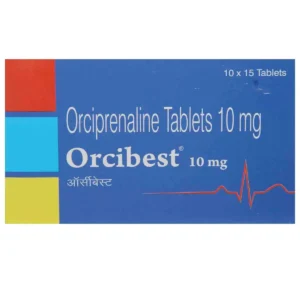
Orcibest (Orciprenaline)
Active Ingredient Orciprenaline Manufacturer Zydus Cadila Pharma Packaging 10 tablets in 1 strip Strength 10 Mg Delivery Time 6 To 15 days SKU: Orcibest (Orciprenaline) Price range: $6.00 through $15.00Orcibest (Orciprenaline)
Price range: $6.00 through $15.00 -

Hiflo Rotacaps 500 Mcg (Salmeterol & Fluticasone)
Active Ingredient Salmeterol/Fluticasone Manufacturer Healing Pharma, India Packaging 30 Rotacaps in 1 bottle Strength 500 Mcg Delivery Time 6 To 15 days SKU: Hiflo Rotacaps 500 Mcg Price range: $9.00 through $24.00Hiflo Rotacaps 500 Mcg (Salmeterol & Fluticasone)
Price range: $9.00 through $24.00 -

Bambudil (Bambuterol)
Active Ingredient Bambuterol Manufacturer Cipla Limited Packaging 10 tablets in 1 strip Strength 10 Mg Delivery Time 6 To 15 days SKU: Bambudil (Bambuterol) Price range: $28.80 through $66.00Bambudil (Bambuterol)
Price range: $28.80 through $66.00 -

Asthalin Respules (Salbutamol)
Active Ingredient Salbutamol Manufacturer Cipla Limited Packaging 2.5 ml in 1 packet Strength 2.5 Mg Delivery Time 6 To 15 days SKU: Asthalin Respules (Salbutamol) Price range: $10.80 through $28.80Asthalin Respules (Salbutamol)
Price range: $10.80 through $28.80 -

Asthalin 2 Mg (Salbutamol)
Active Ingredient Salbutamol Manufacturer Cipla Limited Packaging 30 tablets in 1 strip Strength 2 Mg Delivery Time 6 To 15 days SKU: Asthalin 2 Mg (Salbutamol) Price range: $6.30 through $21.00Asthalin 2 Mg (Salbutamol)
Price range: $6.30 through $21.00