
Eczema Medicines: Understanding Your Treatment Options:-
Category Overview:-
Eczema medicines encompass a range of treatments prescribed and recommended by healthcare professionals to manage atopic dermatitis and related inflammatory skin conditions. These medications work to reduce inflammation, control itching, repair the skin barrier, and prevent flare-ups. Healthcare providers select from various treatment options based on the severity of symptoms, the patient’s age, affected body areas, and individual response to therapy. The goal of these medicines is to help patients achieve better symptom control and improve their quality of life while minimizing the impact of this chronic condition.
Conditions Treated:-
Medicines in this category are primarily used to manage:
Atopic dermatitis (eczema): The most common form, characterized by itchy, inflamed skin that often appears in childhood but can persist into adulthood
Contact dermatitis: Skin inflammation triggered by irritants or allergens
Dyshidrotic eczema: Small, itchy blisters on hands and feet
Nummular eczema: Coin-shaped patches of irritated skin
Seborrheic dermatitis: Scaly patches and redness, often on the scalp and face
These conditions share common features, including inflammation, compromised skin barrier function, and intense itching, which can significantly impact daily activities and sleep quality. Treatment aims to reduce these symptoms and restore skin health.
Types of Medicines in This Category:-
Eczema treatments are available in several forms, each serving specific purposes:
Topical Corticosteroids: Available in various strengths from mild to very potent, these creams and ointments are often the first-line treatment for reducing inflammation during flare-ups.
Topical Calcineurin Inhibitors: Non-steroidal anti-inflammatory medications used for sensitive areas like the face and eyelids, particularly when long-term treatment is needed.
Topical PDE4 Inhibitors: Newer non-steroidal options that target specific inflammatory pathways in the skin.
Topical JAK Inhibitors: Recent additions that work by blocking certain enzymes involved in the inflammatory response.
Systemic Medications: For moderate to severe cases, oral or injectable medicines may be prescribed, including immunosuppressants and biologics that work throughout the body.
Emollients and Barrier Repair Products: While not always classified as medicines, these moisturizers play a crucial supportive role in treatment plans.
How These Medicines Work?
Eczema medicines address the condition through different mechanisms:
Anti-inflammatory Action: Many treatments work by suppressing the immune system’s overactive response in the skin, reducing the inflammation that causes redness, swelling, and discomfort.
Barrier Restoration: Certain medications help repair the skin’s natural protective barrier, which is compromised in eczema, making the skin less vulnerable to irritants and allergens.
Targeted Pathway Inhibition: Newer medicines block specific molecules or enzymes involved in the inflammatory cascade, offering more precise treatment with potentially fewer systemic effects.
Immune Modulation: Systemic treatments adjust immune system activity throughout the body to prevent the inflammatory signals that trigger eczema symptoms.
The specific mechanism depends on the type of medicine prescribed, and healthcare providers select treatments based on how they can best address each patient’s particular presentation.
Who May Benefit From This Category?
Healthcare providers may prescribe eczema medicines for patients who experience:
– Persistent or recurrent itchy, inflamed skin patches that don’t respond adequately to basic moisturizers
– Eczema that significantly impacts daily activities, sleep, or emotional well-being
– Skin inflammation in sensitive areas requires specialized treatment approaches
– Moderate to severe symptoms requiring stronger intervention
– Chronic conditions needing long-term management strategies
These treatments are prescribed across all age groups, from infants to older adults, though the specific medicine and strength will be carefully selected based on the patient’s age, overall health, and the severity and location of their eczema. Patients with certain medical histories may require specific treatment approaches, which is why professional medical assessment is essential.
Important Safety Information:-
Understanding safety considerations is crucial when using eczema medicines:
Medical Supervision Required: All prescription eczema treatments should be used exactly as directed by a healthcare provider. Self-adjusting doses or treatment duration can lead to complications or reduced effectiveness.
Potential Concerns: Long-term or inappropriate use of potent topical corticosteroids may lead to skin thinning, stretch marks, or other local effects. Systemic medicines may affect immune function and require monitoring.
Who Should Exercise Caution: Patients with active skin infections, certain immune system conditions, or those taking other immunosuppressive medications should discuss their full medical history with their healthcare provider.
Pregnancy and Breastfeeding: Some eczema medicines require special consideration during pregnancy or nursing. Always inform your healthcare provider if you are pregnant, planning pregnancy, or breastfeeding.
Children: Treatments for pediatric eczema require careful selection and dosing appropriate to the child’s age and weight.
Regular follow-up with healthcare providers ensures treatments remain safe and effective over time.
Usage Guidance (General):-
Eczema medicine usage varies significantly based on the specific product and individual patient needs:
Application Method: Topical treatments are typically applied to affected areas only, following a clean-and-dry skin preparation. The “fingertip unit” measurement is sometimes used to guide appropriate amounts.
Timing: Some medicines work best when applied at specific times, such as after bathing when skin is still slightly damp, or at particular intervals throughout the day.
Treatment Duration: Short-term use during flare-ups versus long-term maintenance therapy depends on the medicine type and individual treatment plan.
Combination Approaches: Healthcare providers often recommend using different medicines together or in sequence, such as pairing anti-inflammatory treatments with regular moisturizers.
Step-Up and Step-Down: Treatment intensity may be adjusted based on symptom control, starting stronger during flares and reducing to maintenance levels when symptoms improve.
Never alter your prescribed regimen without consulting your healthcare provider, as improper use may lead to inadequate control or unwanted effects.
Side Effects & Risks (General Overview):-
Like all medicines, eczema treatments can cause side effects, though not everyone experiences them:
Common Effects with Topical Treatments:
– Mild burning or stinging sensation upon application (usually temporary)
– Skin irritation or redness at application sites
– Dryness or peeling
Less Common but Notable:
– Skin thinning with prolonged use of potent corticosteroids
– Changes in skin pigmentation
– Increased vulnerability to skin infections
– Folliculitis (inflamed hair follicles)
Systemic Medicine Considerations:
– Headaches or fatigue
– Increased susceptibility to infections
– Gastrointestinal symptoms
– Effects on blood pressure or laboratory values requiring monitoring
Serious Effects Requiring Immediate Medical Attention:
– Signs of severe allergic reaction (difficulty breathing, facial swelling)
– Spreading skin infections
– Sudden worsening of symptoms
– Visual changes (with use near eyes)
Your healthcare provider weighs potential benefits against risks when prescribing treatment. Report any concerning symptoms promptly to ensure appropriate management.
Choosing the Right Medicine:-
Selecting the most appropriate eczema treatment is a personalized decision that should involve:
Professional Assessment: A healthcare provider will evaluate your eczema severity, location, your medical history, other medications, and previous treatment responses to recommend the most suitable option.
Factors Considered:
– Severity and extent of symptoms
– Areas of the body affected
– Patient age and overall health status
– Lifestyle factors and treatment preferences
– Cost and accessibility considerations
– Potential drug interactions
Pharmacist Support: Your pharmacist can provide valuable guidance on proper application techniques, potential interactions with other medicines you’re taking, and what to expect from your treatment.
Ongoing Evaluation: The “right” medicine may change over time as your condition evolves or as you respond to treatment. Regular communication with your healthcare team ensures your treatment plan remains optimal.
Avoid self-selecting treatments based on online information or others’ experiences, as eczema management is highly individual and requires professional medical guidance.
Storage & Handling Advice:-
Proper storage helps maintain the effectiveness and safety:
General Storage Guidelines:
– Store most eczema medicines at room temperature away from excessive heat and moisture
– Keep medicines in their original containers with labels intact
– Avoid storing in bathrooms where humidity fluctuates significantly
– Some medicines may require refrigeration—follow specific product instructions
Safety Measures:
– Keep all medicines out of sight and reach of children
– Never transfer medicines to unmarked containers
– Check expiration dates regularly and dispose of expired products properly
– Keep tubes and containers tightly closed when not in use
Application Hygiene:
– Wash hands before and after applying topical treatments
– Avoid contaminating tubes by touching the tip to skin or other surfaces
– Don’t share your medicines with others, even if they have similar symptoms
Disposal:
– Follow local guidelines for medicine disposal
– Don’t flush medicines down toilets unless specifically instructed
– Many pharmacies offer take-back programs for unused medicines
Consult your pharmacist if you have questions about specific storage requirements for your prescribed medicines.
Frequently Asked Questions?
How long does it take for eczema medicines to work?
Response time varies by medicine type and individual factors. Topical corticosteroids may show improvement within a few days for acute flares, while newer topical treatments might require one to two weeks of consistent use. Systemic medicines, particularly biologics, may take several weeks to months to demonstrate their full effect. Your healthcare provider can give you realistic expectations for your specific treatment. Consistent use as prescribed is important, and you should report to your doctor if you see no improvement within the expected timeframe.
Can I use eczema medicines on my face?
This depends entirely on the specific medicine prescribed. Some eczema treatments are too potent for facial skin, which is thinner and more sensitive than skin on other body areas. Other medicines are specifically formulated for safe use on the face and sensitive areas. Never apply a medicine prescribed for one body area to your face without explicit approval from your healthcare provider. Facial eczema requires careful treatment selection to balance effectiveness with safety.
Should I continue using eczema medicine when my skin clears up?
Treatment continuation depends on your specific medicine and your doctor’s instructions. Some treatments are meant only for active flares and should be stopped when symptoms resolve. Others may be prescribed for maintenance therapy to prevent flares even when the skin appears clear. Some newer medicines are approved for both acute treatment and long-term prevention. Don’t stop or continue treatment based on symptom appearance alone—follow your prescribed regimen and discuss any changes with your healthcare provider.
Are there differences between creams and ointments for eczema?
Yes, the base formulation matters. Ointments are typically more greasy and occlusive, which helps seal in moisture and may enhance medicine absorption, making them effective for very dry or thickened skin. Creams are lighter and absorb more quickly, which some patients prefer for daytime use or less dry areas. The choice between formulations depends on your skin type, the affected area, personal preference, and your doctor’s recommendations. The active ingredient may be the same, but the base can affect how it works.
Medical Disclaimer:-
This content is provided for educational and informational purposes only and is not intended as medical advice, diagnosis, or treatment recommendation.
The information presented on this page should not be used as a substitute for professional medical advice, diagnosis, or treatment. Always seek the guidance of your physician, dermatologist, or other qualified healthcare provider with any questions you may have regarding eczema or any medical condition. Never disregard professional medical advice or delay seeking it because of information you have read on this website.
Individual medical circumstances vary considerably, and treatment decisions should be made in consultation with a qualified healthcare professional who can evaluate your specific situation, medical history, and health needs. The medicines described here require proper medical assessment, and some require prescriptions for safe and legal use.
If you experience a medical emergency or severe skin reaction, seek immediate medical attention or call emergency services. This information does not cover all possible uses, directions, precautions, drug interactions, or adverse effects. Product-specific information should be obtained from your healthcare provider or pharmacist, who can provide guidance tailored to your individual needs.
By using this information, you acknowledge that the pharmacy and its content providers are not responsible for any decisions made based on this content. Treatment outcomes cannot be guaranteed, and individual results vary.
-
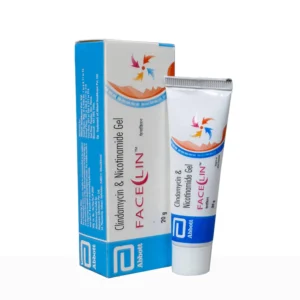
Faceclin Gel (Clindamycin & Nicotinamide)
Active Ingredient Clindamycin/Nicotinamide Manufacturer Abbott India Pvt. Ltd. Packaging 20 gm in 1 tube Strength 20g Delivery Time 6 To 15 days SKU: Faceclin Gel (Clindamycin/Nicotinamide) Price range: $6.00 through $32.00Faceclin Gel (Clindamycin & Nicotinamide)
Price range: $6.00 through $32.00 -

Momate S Ointment (Mometasone & Salicylic Acid)
Active Ingredient Mometasone/Salicylic Acid Manufacturer Glenmark Pharmaceuticals Ltd Packaging 20 gm in 1 tube Strength 20g Delivery Time 6 to 15 days SKU: Momate S Ointment (Mometasone/Salicylic Acid) Price range: $12.00 through $59.00Momate S Ointment (Mometasone & Salicylic Acid)
Price range: $12.00 through $59.00