Eyes/Ear Care: Comprehensive Guide to Eye and Ear Medications:-
Category Overview:-
Eyes/Ear Care medicines represent a diverse group of medications designed to treat various conditions affecting the eyes and ears. These medications are prescribed or recommended by healthcare professionals to address infections, inflammation, allergies, dryness, pain, and other conditions that can affect vision, hearing, and comfort. The category includes prescription medications, over-the-counter treatments, and specialized formulations that deliver targeted relief to these sensitive sensory organs.
Healthcare providers commonly prescribe or recommend these treatments because eye and ear conditions, if left untreated, can significantly impact quality of life and, in some cases, lead to permanent damage to vision or hearing. These medications help manage acute conditions like infections, provide relief from chronic issues such as dry eyes or allergic conjunctivitis, and support the treatment of more serious conditions under medical supervision.
Conditions Treated:-
Medications in the Eyes/Ear Care category are used to address a wide range of health concerns:
Eye Conditions-
– Bacterial, viral, or fungal eye infections (conjunctivitis, keratitis)
– Allergic reactions affecting the eyes (seasonal or perennial allergic conjunctivitis)
– Dry eye syndrome and insufficient tear production
– Eye inflammation and irritation
– Glaucoma (elevated eye pressure)
– Post-surgical eye care and infection prevention
– Eye strain and redness from environmental factors
Ear Conditions-
– Outer ear infections (otitis externa or swimmer’s ear)
– Middle ear infections (otitis media)
– Ear wax buildup and blockage
– Ear pain and inflammation
– Itching and irritation in the ear canal
– Post-procedure ear care
– Conditions causing ear discomfort from water exposure
These conditions require proper medical evaluation to determine the underlying cause and appropriate treatment approach.
Types of Medicines in This Category:-
Eyes/Ear Care medications come in various formulations designed for specific uses:
Eye Medications:-
Eye Drops (Solutions): The most common form, delivering medication directly to the eye surface
Eye Ointments: Thicker formulations that provide longer contact time, often used at night
Eye Gels: Semi-solid preparations offering extended relief
Eye Sprays: Designed for application to closed eyelids
Artificial Tears: Lubricating solutions for dry eye relief
Ear Medications:-
Ear Drops (Otic Solutions): Liquid medications administered directly into the ear canal
Ear Sprays: For easier application in certain conditions
Ear Wax Removal Solutions: Formulations that soften or dissolve ear wax
Ear Irrigation Solutions: Used to flush the ear canal under medical guidance
Treatment Categories:-
Antibiotic Preparations: For bacterial infections
Antifungal Formulations: For fungal infections
Anti-inflammatory Agents: To reduce swelling and inflammation
Antihistamine Products: For allergy-related symptoms
Lubricating Solutions: For dryness and irritation
Combination Products: Containing multiple active ingredients
How These Medicines Work?
Eye and ear medications work through different mechanisms depending on their purpose:
Antibiotic Medications work by either killing bacteria or preventing them from multiplying, helping the body’s immune system eliminate the infection. They target specific bacterial processes necessary for survival and reproduction.
Anti-inflammatory Medications reduce swelling, redness, and discomfort by blocking the body’s inflammatory response. Some contain corticosteroids that suppress immune system activity in the affected area, while others work through different pathways to achieve similar results.
Antihistamine Products block histamine receptors, preventing allergic reactions from causing itching, redness, and watering. This helps control symptoms triggered by pollen, pet dander, dust, and other allergens.
Lubricating Solutions work by supplementing natural tears or ear moisture, providing a protective coating that reduces friction, prevents dryness, and helps maintain the healthy function of these delicate tissues.
Glaucoma Medications lower eye pressure through various mechanisms, such as reducing fluid production in the eye or improving fluid drainage, thereby protecting the optic nerve from damage.
Ear Wax Solutions soften hardened ear wax through chemical action, making it easier for the body to naturally expel the wax or allowing healthcare professionals to remove it safely.
Who May Benefit From This Category?
Healthcare professionals may prescribe or recommend Eyes/Ear Care medications for:
Adults and Children experiencing acute or chronic eye or ear conditions that require medical intervention. The specific medication and formulation depend on the patient’s age, condition severity, and overall health status.
Individuals with Infections who need antimicrobial treatment to eliminate bacteria, viruses, or fungi affecting the eyes or ears.
People with Allergies experiencing seasonal or year-round allergic symptoms affecting their eyes, requiring antihistamine or anti-inflammatory treatment.
Patients with Dry Eyes due to aging, environmental factors, medical conditions, or medications that reduce natural tear production.
Those with Chronic Conditions, such as glaucoma, who require ongoing medication to manage eye pressure and prevent vision loss.
Post-Surgical Patients who need specialized eye or ear care following medical procedures to prevent infection and promote healing.
Contact Lens Wearers who may need specific eye drops compatible with contact lens use or treatments for lens-related irritation.
It is important to understand that these medications should only be used under appropriate medical guidance, as self-treatment of eye and ear conditions can lead to complications or delayed proper care.
Important Safety Information:-
Eyes and ears are delicate organs requiring careful attention to medication safety:
Medical Evaluation is Essential because many eye and ear conditions have similar symptoms but require different treatments. Using the wrong medication can worsen the condition or mask serious underlying problems.
Avoid These Medications If:
– You have known allergies to any ingredients in the formulation
– You have certain types of eye infections that could worsen with steroid-containing products
– You have a perforated eardrum (for ear medications)
– Your healthcare provider has advised against their use due to your specific medical history
Special Precautions Apply For:
– Pregnant or breastfeeding women (some medications may not be suitable)
– Young children and infants (require specific pediatric formulations and dosing)
– People wearing contact lenses (some products cannot be used with lenses in place)
– Individuals with multiple eye or ear conditions requiring coordinated treatment
– Those taking other medications that might interact with eye or ear treatments
Contamination Risks: Eye and ear medications can become contaminated if the dropper or applicator touches any surface, including the eye, ear, skin, or hands. Contaminated products can cause serious infections.
Duration of Use: Some eye and ear medications, particularly those containing steroids, should not be used longer than prescribed, as prolonged use can cause serious complications,s including glaucoma, cataracts, or antibiotic resistance.
Vision and Hearing Changes: Any sudden changes in vision or hearing while using these medications require immediate medical attention.
Usage Guidance (General):-
Proper use of eye and ear medications is crucial for effectiveness and safety:
General Principles:
– Always follow your healthcare provider’s specific instructions regarding dosage, frequency, and duration
– Dosing varies significantly based on the condition, medication type, patient age, and severity of symptoms
– Never use more or less than prescribed, and do not stop treatment early even if symptoms improve
Application Tips:
– Wash hands thoroughly before handling eye or ear medications
– For eye drops, tilt your head back, pull down the lower eyelid, and apply drops without touching the eye
– For ear drops, warm the bottle gently in your hand, tilt your head to the side, and keep it tilted for several minutes after application
– If using multiple eye medications, wait at least 5-10 minutes between different products unless otherwise instructed
– Remove contact lenses before applying most eye medications unless specifically directed otherwise
Missed Doses:
– Apply the missed dose as soon as you remember, unless it’s almost time for the next dose
– Never double doses to make up for missed applications
Storage During Use:
– Keep bottles tightly closed when not in use
– Check expiration dates regularly, especially after opening
– Discard medications according to the labeled timeframe after opening (often 28 days for eye drops)
These are general guidelines only. Your healthcare provider will give you specific instructions appropriate for your condition and chosen medication.
Side Effects & Risks (General Overview):-
Like all medications, eye and ear treatments can cause side effects, though not everyone experiences them:
Common Side Effects (Eye Medications):
– Temporary stinging or burning upon application
– Blurred vision immediately after use
– Increased sensitivity to light
– Mild eye redness or irritation
– Watery eyes
– Unusual taste in the mouth (some eye drops drain into the throat)
Common Side Effects (Ear Medications):
– Mild burning or stinging in the ear canal
– Temporary itching
– Feeling of fullness in the ear
– Altered sense of taste
– Minor irritation or redness
Serious Side Effects Requiring Medical Attention:
– Severe eye or ear pain
– Sudden vision or hearing changes
– Signs of allergic reaction (severe itching, swelling, rash, difficulty breathing)
– Eye discharge that worsens or changes color
– Continued or worsening symptoms after several days of treatment
– New symptoms that develop during treatment
– Ear drainage or bleeding
Long-Term Risks:
Prolonged use of certain medications, particularly those containing corticosteroids, can increase the risk of:
– Elevated eye pressure and glaucoma
– Cataract formation
– Delayed wound healing
– Increased susceptibility to new infections
– Thinning of tissues
Important Notes:
– Most side effects are mild and temporary
– Benefits of proper treatment typically outweigh risks when medications are used correctly
– Report any concerning symptoms to your healthcare provider promptly
– Never discontinue prescribed medication without medical consultation
Choosing the Right Medicine:-
Selecting appropriate eye or ear medication requires professional medical judgment:
Why Self-Selection is Not Recommended:
Different eye and ear conditions can present with similar symptoms but require very different treatments. For example, red eyes could indicate bacterial infection, viral infection, allergy, or a more serious condition. Using the wrong treatment could:
– Delay proper care and allow the condition to worsen
– Mask symptoms of a serious underlying problem
– Cause additional complications
– Lead to antibiotic resistance if antimicrobials are used unnecessarily
Your Healthcare Provider Will Consider:
– Accurate diagnosis through proper examination
– Your specific symptoms and their severity
– Your medical history and current health conditions
– Other medications you’re taking to avoid interactions
– Whether you’re pregnant, breastfeeding, or planning pregnancy
– Previous treatments you’ve tried and their outcomes
– Any allergies or sensitivities you have
– Age-appropriate formulations and dosing
Role of Your Pharmacist:
Pharmacists are valuable resources who can:
– Explain how to properly use your prescribed medication
– Clarify when and how to apply eye or ear treatments
– Advise on storage and handling
– Identify potential interactions with your other medications
– Answer questions about over-the-counter products that might complement your treatment
– Help you recognize when you should contact your doctor
For Over-the-Counter Products:
Even when medications don’t require a prescription, pharmacist consultation helps ensure you’re choosing an appropriate product for your symptoms and that it won’t interfere with your other health conditions or medications.
Storage & Handling Advice:-
Proper storage maintains medication effectiveness and prevents contamination:
General Storage Guidelines:
– Store most eye and ear medications at room temperature (unless refrigeration is specified)
– Keep away from direct sunlight and heat sources
– Do not freeze medications unless specifically instructed
– Store in a cool, dry place (bathrooms are often too humid)
– Keep bottles tightly closed when not in use
Preventing Contamination:
– Never touch the dropper tip to any surface, including eyes, ears, fingers, or countertops
– Do not share eye or ear medications with others
– Replace the cap immediately after each use
– Discard medications that have changed color, become cloudy, or contain particles
– Follow “use within X days of opening” instructions carefully
Safety Around Children and Pets:
– Keep all medications out of reach and sight of children
– Store in a secure location, preferably in a locked cabinet
– Never transfer medications to unmarked containers
– Teach children not to touch medication bottles
Disposal:
– Do not keep medications beyond their expiration date
– Follow local guidelines for medication disposal
– Many pharmacies offer medication take-back programs
– Do not flush down the toilet unless specifically instructed
– Remove or obscure personal information on labels before disposal
Travel Considerations:
– Carry medications in original labeled containers
– Keep in carry-on luggage to prevent exposure to extreme temperatures in cargo holds
– Bring a copy of your prescription if traveling internationally
– Check regulations if traveling across borders
Frequently Asked Questions (Category-Based)?
Q: How long does it typically take for eye or ear medications to work?
A: The timeframe varies depending on the condition and medication type. Some symptoms, such as pain or itching, may improve within a few hours, while complete resolution of infections typically takes several days to a week. Chronic conditions like dry eyes or glaucoma require ongoing treatment. It’s important to complete the full course of treatment even if symptoms improve quickly. If you see no improvement after 2-3 days, or if symptoms worsen, contact your healthcare provider.
Q: Can I use expired eye or ear drops?
A: No. Expired medications may have reduced effectiveness and could potentially be contaminated with harmful bacteria. Additionally, once opened, most eye drops should be discarded after 28 days, ys even if the printed expiration date is later. Using expired or old medications can lead to inadequate treatment or serious eye and ear infections.
Q: Why do my eyes or ears feel worse right after applying the medication?
A: Brief stinging, burning, or discomfort immediately after application is common with many eye and ear medications and usually subsides within a few minutes. This occurs because the medication’s pH or ingredients may initially irritate sensitive tissues. However, if the discomfort is severe, lasts more than a few minutes, or is accompanied by increased pain or vision changes, contact yourhealthcare providerr as you may be having an allergic reaction or the medication may not be appropriate for your condition.
Q: Can I wear contact lenses while using eye medications?
A: This depends on the specific medication. Many eye drops contain preservatives that can be absorbed by contact lenses, potentially causing irritation or lens damage. Generally, you should remove contact lenses before applying eye medications and wait at least 15 minutes before reinserting them unless your healthcare provider gives different instructions. Some conditions may require you to temporarily stop wearing contacts during treatment.
Medical Disclaimer:-
Important Notice:
The information provided on this page is intended for educational purposes only and does not constitute medical advice, diagnosis, or treatment recommendations. This content is designed to provide general information about the Eyes/Ear Care medication category and should not replace professional medical consultation.
You should always:
– Consult with a qualified healthcare provider before starting, stopping, or changing any medication
– Seek immediate medical attention for severe symptoms or emergencies
– Inform your doctor about all medications, supplements, and health conditions
– Follow your healthcare provider’s specific instructions regarding medication use
– Report any unexpected side effects or concerns to your doctor or pharmacist
This information does not:
– Replace the need for professional medical diagnosis and treatment
– Provide specific dosing instructions or treatment protocols
– Guarantee any particular outcome or result from medication use
– Cover all possible uses, precautions, interactions, or side effects
Eye and ear conditions can be serious: Delayed or inappropriate treatment may result in permanent vision loss, hearing damage, or other serious complications. Never self-diagnose or self-treat eye or ear conditions without proper medical evaluation.
For medical emergencies involving the eyes or ears, including sudden vision loss, severe pain, traumatic injury, or suspected serious infection, seek immediate emergency medical care.
By using this information, you acknowledge that you understand it is for educational purposes only and that you will consult appropriate healthcare professionals for personal medical advice.
-

Cyclophil Me 25mg (Cyclosporine)
Active Ingredient Cyclosporine Manufacturer Biocon Limited Packaging 5 capsules in 1 strip, 6 capsules in 1 strip Strength 25mg, 50mg, 100mg Delivery Time 6 To 15 days SKU: Cyclophil Me 25mg (Cyclosporine) Price range: $21.00 through $200.00Cyclophil Me 25mg (Cyclosporine)
Price range: $21.00 through $200.00 -
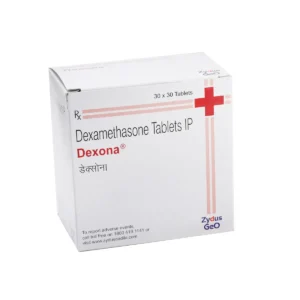
Dexona (Dexamethasone)
Active Ingredient Dexamethasone Manufacturer Zydus Cadila Pharma Packaging 0.5 Mg Strength 30 tablets in 1 strip Delivery Time 6 To 15 days SKU: Dexona (Dexamethasone) – 0.5 Mg Price range: $9.00 through $29.00Dexona (Dexamethasone)
Price range: $9.00 through $29.00 -

Herbal Kajal (Herbal)
Active Ingredient Herbal Manufacturer Himalaya Drug Company Packaging 3 gm in 1 pack Strength 3gm Delivery Time 6 To 15 days SKU: Herbal Kajal (Herbal) Price range: $4.00 through $20.00Herbal Kajal (Herbal)
Price range: $4.00 through $20.00 -

Acivir Eye Ointment (Acyclovir)
Active Ingredient Acyclovir Manufacturer Cipla Limited Packaging 5gm in a Tube Strength 3% Delivery Time 6 To 15 days SKU: Acivir Eye Ointment (Acyclovir) Price range: $3.00 through $15.00Acivir Eye Ointment (Acyclovir)
Price range: $3.00 through $15.00