
Fungal Infection Medicines: Understanding Your Treatment Options:-
Category Overview:-
Antifungal medicines are medications designed to treat infections caused by fungi, which are microscopic organisms that can affect various parts of the body. Healthcare professionals prescribe or recommend these treatments when fungal organisms multiply beyond normal levels and cause uncomfortable or potentially serious infections. These medicines work by either stopping fungal growth or eliminating the fungi, helping the body’s natural defenses restore healthy balance. Antifungal treatments are among the most commonly prescribed medications worldwide, as fungal infections can affect anyone regardless of age, gender, or overall health status.
Conditions Treated:-
Antifungal medicines address a wide range of fungal infections affecting different body areas:
Skin and nail infections include athlete’s foot, ringworm, jock itch, and fungal nail infections, which cause itching, redness, scaling, or discoloration.
Oral and throat infections, such as oral thrush,h appear as white patches in the mouth and can cause discomfort while eating or swallowing.
Vaginal yeast infections affect many women and cause itching, burning, and unusual discharge.
Scalp infections can lead to hair loss, scaling, and inflammation in affected areas.
Systemic infections are more serious conditions where fungi spread internally, typically requiring prescription treatment under medical supervision.
The specific symptoms and severity vary considerably, which is why professional diagnosis ensures appropriate treatment selection.
Types of Medicines in This Category:-
Antifungal medicines come in several forms designed for different infection types and locations:
Topical treatments include creams, ointments, gels, sprays, and powders applied directly to affected skin areas. These work well for surface infections and are often available without a prescription for common conditions.
Oral medications are tablets or capsules taken by mouth, used when infections are more widespread, internal, or haven’t responded to topical treatment. These typically require a prescription and medical monitoring.
Vaginal preparations come as suppositories, tablets, or creams specifically formulated for vaginal yeast infections.
Nail lacquers are specialized solutions painted onto infected nails over extended periods to treat fungal nail infections.
Shampoos and scalp treatments address fungal infections affecting the hair and scalp.
Intravenous formulations are administered in hospital settings for serious systemic infections requiring intensive treatment.
The form prescribed depends on infection location, severity, patient health status, and individual circumstances.
How These Medicines Work?
Antifungal medicines employ different mechanisms to combat fungal infections:
Most antifungals target the fungal cell structure, particularly the cell membrane or cell wall, which protects the fungus. By disrupting these protective barriers, the medicines either prevent fungi from growing and reproducing or cause them to die.
Some antifungals interfere with the production of ergosterol, an essential component of fungal cell membranes. Without adequate ergosterol, the fungal cells become weakened and cannot maintain their structure.
Other types prevent fungal cells from dividing and multiplying, effectively stopping the infection from spreading while allowing the body’s immune system to eliminate existing fungi.
The specific mechanism varies by medicine type, but all antifungals work selectively on fungal cells rather than human cells, which is why they can treat infections without harming healthy body tissues when used correctly.
Who May Benefit From This Category?
Healthcare professionals may prescribe or recommend antifungal medicines for various patients:
Individuals experiencing symptoms of fungal infection confirmed through examination or laboratory testing are primary candidates for treatment. This includes people with visible skin changes, persistent itching, unusual discharge, or other characteristic symptoms.
People with weakened immune systems due to certain medical conditions or medications may require antifungal treatment more frequently, as their bodies have reduced ability to control fungal growth naturally.
Those working in environments with high fungal exposure, such as damp conditions or communal facilities, might need treatment or preventive approaches when infections develop.
Patients with recurring fungal infections may benefit from specific treatment plans addressing underlying factors contributing to repeated episodes.
Athletes and individuals who perspire heavily may develop fungal infections in skin folds and need appropriate treatment.
However, proper diagnosis by a healthcare professional is essential before starting any antifungal treatment, as symptoms resembling fungal infections can have other causes requiring different approaches.
Important Safety Information:-
Antifungal medicines are generally safe when used appropriately, but certain precautions apply:
Medical supervision is important because not all rashes or skin conditions are fungal infections. Using antifungal medicine for non-fungal conditions delays proper treatment and may worsen the underlying issue.
Pregnancy and breastfeeding considerations exist for some antifungal medicines. Women who are pregnant, planning pregnancy, or breastfeeding should discuss treatment options with their healthcare provider.
Drug interactions can occur, particularly with oral antifungals. Patients taking other medications should inform their doctor or pharmacist to avoid potentially harmful combinations.
Liver function monitoring may be necessary for some oral antifungal treatments, especially during extended use, as certain medicines can affect liver enzymes.
Allergic reactions, though uncommon, can occur. Anyone experiencing signs of allergic reaction, such as severe rash, swelling, or difficulty breathing,y should seek immediate medical attention.
Complete treatment courses are important even when symptoms improve, as stopping treatment early can lead to incomplete elimination of the infection and potential recurrence.
Patients with existing liver disease, heart conditions, or other significant health issues should discuss their complete medical history before starting antifungal treatment.
Usage Guidance (General):-
Antifungal medicine usage varies significantly based on multiple factors:
Treatment duration ranges from single-dose treatments for some vaginal infections to several months for nail infections. Healthcare providers determine the appropriate duration based on infection type, location, and severity.
Application methods must follow specific instructions. Topical treatments require clean, dry skin and often need application beyond visible infection areas to address fungi not yet causing obvious symptoms.
Timing considerations matter for oral medications, with some requiring taking with food and others on an empty stomach for optimal effectiveness.
Consistency is crucial for successful treatment. Skipping doses or irregular application reduces effectiveness and may allow fungi to develop resistance.
Lifestyle measures support treatment effectiveness. Keeping affected areas clean and dry, wearing breathable fabrics, and avoiding sharing personal items helps prevent reinfection.
Never adjust dosages, stop treatment early, or share medicines with others without professional guidance. Each prescription is tailored to individual circumstances, and what works for one person may be inappropriate or unsafe for another.
Side Effects & Risks (General Overview):-
Like all medicines, antifungals can cause side effects, though many people experience none:
Common side effects of topical treatments include mild skin irritation, redness, or a burning sensation at application sites. These effects are usually temporary and resolve as skin adjusts to treatment.
Oral antifungals may cause digestive symptoms such as nausea, stomach discomfort, diarrhea, or altered taste. Some people experience headaches or mild dizziness.
Serious but rare side effects include liver problems, severe allergic reactions, or heart rhythm disturbances with certain oral antifungals. Warning signs include unusual fatigue, yellowing of skin or eyes, dark urine, severe abdominal pain, or irregular heartbeat.
Skin reactions beyond normal irritation, such as blistering, peeling, or severe rash, require medical attention.
Vision changes or persistent headaches during treatment should be reported to healthcare providers.
The risk of side effects varies by medicine type, dosage, treatment duration, and individual patient factors. Healthcare providers consider these factors when recommending specific treatments and can adjust approaches if problematic side effects occur.
Most side effects are manageable, and the benefits of treating fungal infections typically outweigh potential risks when medicines are used appropriately under professional guidance.
Choosing the Right Medicine:-
Selecting appropriate antifungal treatment requires professional assessment:
Accurate diagnosis is the essential first step. Healthcare providers examine affected areas and may take samples for laboratory analysis to confirm fungal infection and identify the specific organism involved.
Infection characteristics, including location, extent, severity, and duration,n influence treatment selection. Surface infections may respond well to topical treatments, while deeper or widespread infections often require oral medicines.
Individual health factors such as other medications, existing medical conditions, pregnancy status, and previous treatment responses help determine the safest and most effective option.
Lifestyle considerations, including occupation, daily routines, and ability to follow specific application schedules, less affect treatment choice and success likelihood.
Cost and accessibility may factor into decisions when multiple effective options exist for a particular infection type.
Previous treatment history informs future choices, especially if earlier treatments were unsuccessful or caused problematic side effects.
Self-diagnosis and self-treatment carry risks of incorrect treatment, delayed proper care, and potential complications. Pharmacists can provide valuable guidance for minor conditions suitable for non-prescription treatment, while doctors should evaluate persistent, severe, or recurring infections.
Storage & Handling Advice:-
Proper storage maintains the effectiveness and safety:
Temperature requirements vary by product. Most antifungal medicines should be stored at room temperature away from excessive heat and moisture. Bathroom storage, while convenient, may not be ideal due to humidity from showers.
Light protection matters for some formulations. Keep medicines in original containers that provide appropriate protection from light exposure.
Child safety is paramount. Store all medicines in secure locations out of children’s reach and sight, even those available witha out prescription.
Expiration dates should be observed. Expired antifungal medicines may lose effectiveness, potentially leading to treatment failure and prolonged infection.
Specific storage instructions on labels or information leaflets must be followed. Some products require refrigeration, while others should specifically avoid cold storage.
Disposal of unused medicines should follow local guidelines. Many communities offer medication take-back programs providing safe disposal methods.
Contamination prevention for topical products includes using clean hands during application, avoiding direct contact between container openings and infected skin, and never sharing medicines with others.
Regular review of home medicine supplies helps ensure that expired or no longer needed medicines are disposed of appropriately.
Frequently Asked Questions?
How long does it take for antifungal medicines to work?
Treatment response times vary considerably depending on infection type and location. Surface skin infections may show improvement within a few days, though complete treatment usually continues for 1-4 weeks. Nail infections require much longer treatment periods, often 3-12 months, because nails grow slowly and the medicine must work throughout the entire growth cycle. Visible improvement doesn’t mean the infection is fully eliminated, which is why completing the full prescribed treatment course is essential even when symptoms resolve.
Can I use antifungal medicine if symptoms return after previous treatment?
Recurring symptoms may indicate incomplete treatment of the original infection, reinfection, or a resistant fungal strain. Rather than restarting previous treatment without professional input, contact your healthcare provider for reassessment. They can determine whether the original infection persisted, if a new infection developed, or if another underlying condition is contributing to recurring symptoms. Some people need longer treatment courses or different types of medicine for successful resolution.
Are there differences between prescription and over-the-counter antifungal medicines?
Non-prescription antifungals are generally suitable for common, mild infections affecting skin or nails in otherwise healthy adults. Prescription antifungals are typically stronger, work against a broader range of fungi, or are necessary for internal infections and more severe conditions. They require medical supervision because of potential drug interactions, side effects, or the need for monitoring during treatment. Your healthcare provider or pharmacist can advise whether a non-prescription option is appropriate for your specific situation.
Why is it important to complete the full treatment course even when symptoms improve?
Symptoms often improve before the fungal infection is eliminated. Fungi remaining in deeper skin layers or under nails can multiply again once treatment stops, causing the infection to return—sometimes with increased resistance to the medicine previously used. Completing the full prescribed duration ensures all fungal organisms are eliminated, reduces recurrence risk, and helps prevent the development of resistant fungal strains that are harder to treat.
Medical Disclaimer:-
This content is provided for educational and informational purposes only and does not constitute medical advice, diagnosis, or treatment recommendations. The information presented about antifungal medicines and fungal infections should not replace consultation with qualified healthcare professionals.
Every individual’s health situation is unique, and appropriate treatment requires professional medical assessment considering your complete health history, current medications, and specific circumstances. Self-diagnosis and self-treatment of fungal infections carry risks, including incorrect treatment selection, delayed appropriate care, and potential complications.
Always consult with your doctor, pharmacist, or other qualified healthcare provider before starting, stopping, or changing any medication or treatment approach. If you experience concerning symptoms, adverse reactions, or if your condition worsens or doesn’t improve with treatment, seek medical attention promptly.
This information does not cover all possible uses, precautions, drug interactions, side effects, or risks associated with antifungal medicines. Product-specific information may vary, and you should carefully read all medication guides and information sheets provided with your prescribed or purchased medicines.
In case of medical emergency or serious adverse reaction, contact emergency services immediately. This content is not intended to encourage self-medication or to replace the personalized care and advice you receive from healthcare professionals who have access to your complete medical information.
-

Tyza Cream (Terbinafine)
Active Ingredient Terbinafine Manufacturer Abbott India Pvt Ltd Packaging 15 gm in 1 tube Strength 1% Delivery Time 6 To 15 days SKU: Tyza Cream (Terbinafine) Price range: $4.00 through $18.00Tyza Cream (Terbinafine)
Price range: $4.00 through $18.00 -

Sertacide Cream (Sertaconazole)
Active Ingredient Sertaconazole Manufacturer Cipla Limited Packaging 10gm in a tube Strength 10gm Delivery Time 6 To 15 days SKU: Sertacide Cream (Sertaconazole) Price range: $4.00 through $20.00Sertacide Cream (Sertaconazole)
Price range: $4.00 through $20.00 -

Sertacide B Cream (Sertaconazole & Beclometasone)
Active Ingredient Sertaconazole/Beclometasone Manufacturer Cipla Limited Packaging 10 gm in 1 tube Strength 10gm Delivery Time 6 To 15 days SKU: Sertacide B Cream (Sertaconazole/Beclometasone) Price range: $5.00 through $27.00Sertacide B Cream (Sertaconazole & Beclometasone)
Price range: $5.00 through $27.00 -

Mycospor Cream (Bifonazole)
Active Ingredient Bifonazole Manufacturer Bayer Zydus Pharma Packaging 10 gm in 1 tube Strength 1% Delivery Time 6 To 15 days SKU: Mycospor Cream (Bifonazole) Price range: $5.00 through $20.00Mycospor Cream (Bifonazole)
Price range: $5.00 through $20.00 -
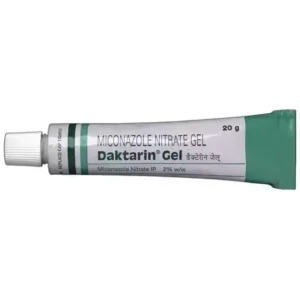
Daktarin Gel (Miconazole)
Active Ingredient Miconazole Manufacturer Janssen Pharmaceuticals, India Packaging 20 gm in 1 tube Strength 2% Delivery Time 6 To 15 days SKU: Daktarin Gel (Miconazole) Price range: $5.00 through $26.00Daktarin Gel (Miconazole)
Price range: $5.00 through $26.00 -

Nizral 15 GM Cream (Ketoconazole)
Active Ingredient Ketoconazole Manufacturer Janssen Pharmaceuticals, India Packaging 15 gm in 1 tube Strength 15gm Delivery Time 6 To 15 days SKU: Nizral 15 GM Cream (Ketoconazole) Price range: $6.00 through $44.00Nizral 15 GM Cream (Ketoconazole)
Price range: $6.00 through $44.00 -

Fungicros Cream (Amorolfine & Phenoxyethanol)
Active Ingredient Amorolfine/Phenoxyethanol Manufacturer Sun Pharmaceutical Industries Ltd Packaging 10 gm in 1 tube Delivery Time 6 To 15 days SKU: Fungicros Cream (Amorolfine/Phenoxyethanol) Price range: $6.00 through $30.00Fungicros Cream (Amorolfine & Phenoxyethanol)
Price range: $6.00 through $30.00 -

Lulifin Cream 10G (Luliconazole)
Active Ingredient Luliconazole Manufacturer Sun Pharmaceutical Industries Ltd Packaging Available in 10g, 20g, 30g & 50g in a Tube Strength 10gm, 20gm, 30gm, 50gm Delivery Time 6 To 15 days SKU: Lulifin Cream 10g (Luliconazole) Price range: $7.00 through $101.00Lulifin Cream 10G (Luliconazole)
Price range: $7.00 through $101.00 -

Zoderm E (Oxiconazole)
Active Ingredient Oxiconazole Manufacturer GlaxoSmithKline Pharmaceuticals Ltd Packaging 50 gm in 1 tube Strength 1% Delivery Time 6 To 15 days SKU: Zoderm E (Oxiconazole) Price range: $8.00 through $41.00Zoderm E (Oxiconazole)
Price range: $8.00 through $41.00 -

Loceryl Cream (Amorolfine)
Active Ingredient Amorolfine Manufacturer Galderma India Pvt Ltd Packaging 10 gm in 1 tube Delivery Time 6 To 15 days SKU: Loceryl Cream (Amorolfine) Price range: $9.00 through $48.00Loceryl Cream (Amorolfine)
Price range: $9.00 through $48.00 -

Fenza 2% Cream (Fenticonazole)
Active Ingredient Fenticonazole Manufacturer Glenmark Pharmaceuticals Ltd. Packaging 30 gm in 1 tube Strength 2% Delivery Time 6 To 15 days SKU: Fenza 2% Cream (Fenticonazole) Price range: $9.00 through $45.00Fenza 2% Cream (Fenticonazole)
Price range: $9.00 through $45.00 -
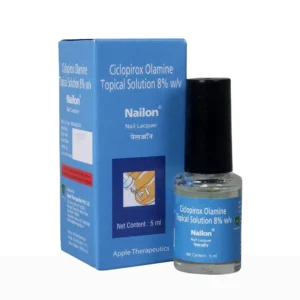
Nailon Nail Lacquer (Ciclopirox)
Active Ingredient Ciclopirox Manufacturer Apple Therapeutics Pvt Ltd Packaging 5 ml in 1 Bottle Strength 8% Delivery Time 6 To 15 days SKU: Nailon Nail Lacquer (Ciclopirox) Price range: $10.00 through $52.00Nailon Nail Lacquer (Ciclopirox)
Price range: $10.00 through $52.00