
Hair Care Medicines: A Comprehensive Category Guide:-
Category Overview:-
Hair care medicines are treatments prescribed or recommended by healthcare professionals to address various conditions affecting hair growth, hair health, and scalp disorders. These medications work through different biological mechanisms to treat hair loss, promote regrowth, manage scalp infections, or address underlying hormonal and nutritional factors that impact hair health.
Unlike cosmetic hair products, medicines in this category contain active pharmaceutical ingredients that have been studied for their effects on hair follicles, scalp tissue, and the physiological processes that influence hair growth cycles. Healthcare providers prescribe these treatments after evaluating a patient’s specific condition, medical history, and the underlying cause of their hair-related concern.
Conditions Treated:-
Hair care medicines are used to manage several medically recognized conditions:
Pattern Hair Loss: A hereditary condition affecting both men and women, characterized by gradual thinning and loss of hair in specific patterns. This condition is related to genetic factors and hormonal influences on hair follicles.
Alopecia Areata: An autoimmune condition where the body’s immune system affects hair follicles, leading to patchy hair loss on the scalp or other body areas.
Telogen Effluvium: Temporary excessive hair shedding that can occur following stress, illness, nutritional deficiencies, or hormonal changes.
Scalp Infections: Fungal or bacterial infections affecting the scalp that may impact hair growth and require antimicrobial treatment.
Hormonal Imbalances: Conditions such as thyroid disorders or hormonal fluctuations that can contribute to changes in hair growth patterns.
Healthcare professionals diagnose these conditions through clinical examination, patient history, and sometimes additional testing before recommending appropriate treatment approaches.
Types of Medicines in This Category:-
Hair care treatments are available in several forms, each designed for specific conditions and treatment approaches:
Topical Solutions and Foams: Applied directly to the scalp, these treatments deliver active ingredients to hair follicles and scalp tissue. They are commonly used for pattern hair loss and work locally at the site of application.
Oral Medications: Tablets or capsules taken by mouth that work systemically throughout the body. These are prescribed when hormonal factors or internal processes contribute to hair loss.
Nutritional Supplements: Formulations containing vitamins, minerals, and nutrients that support hair health when deficiencies are identified as contributing factors.
Anti-fungal Treatments: Topical or oral medicines used when hair loss is related to scalp infections requiring antimicrobial therapy.
Hormonal Therapies: Medications that address underlying hormonal imbalances affecting hair growth, prescribed after appropriate medical evaluation.
Combination Therapies: Some treatment plans may include multiple approaches used together for comprehensive management of hair conditions.
How These Medicines Work?
Hair care medicines operate through various biological mechanisms depending on their specific purpose:
Follicle Stimulation: Some medications work by prolonging the growth phase of hair follicles and stimulating follicles that have become dormant. They improve blood flow to the scalp and deliver nutrients to support follicle function.
Hormonal Modulation: Certain oral medications work by affecting hormones that influence hair follicles. They may block the conversion of hormones that can shrink hair follicles or modify hormonal signals that impact hair growth cycles.
Anti-inflammatory Action: Medicines for autoimmune-related hair loss work by reducing the immune system’s activity against hair follicles, allowing them to function normally.
Antimicrobial Effects: When hair loss stems from scalp infections, antimicrobial medicines eliminate the bacteria or fungi causing the condition, allowing normal hair growth to resume.
Nutritional Support: Supplements address deficiencies in vitamins and minerals essential for healthy hair production, such as iron, biotin, and other nutrients involved in hair follicle function.
The effectiveness of these mechanisms varies among individuals and depends on factors including the underlying cause of hair loss, the duration of the condition, and overall health status.
Who May Benefit From This Category?
Healthcare providers may recommend hair care medicines for patients experiencing:
Adults with Pattern Hair Loss: Men and women diagnosed with androgenetic alopecia who wish to slow progression or promote regrowth. Treatment suitability depends on the stage of hair loss and individual health factors.
Individuals with Medical Hair Loss: Patients whose hair loss stems from identifiable medical conditions, nutritional deficiencies, or hormonal imbalances that can be addressed through targeted treatment.
Those with Scalp Conditions: People experiencing hair loss due to treatable scalp infections or inflammatory conditions.
Postpartum Women: New mothers experiencing temporary hair shedding may benefit from supportive treatments after consultation with their healthcare provider.
People with Autoimmune Alopecia: Individuals diagnosed with alopecia areata may be candidates for immunomodulating treatments under specialist supervision.
Not everyone experiencing hair thinning requires medication. Healthcare professionals assess each patient individually to determine whether pharmaceutical intervention is appropriate or whether other approaches might be more suitable.
Important Safety Information:-
Hair care medicines require careful consideration of safety factors:
Medical Supervision Required: These treatments should only be used under healthcare professional guidance. Self-diagnosis of hair loss conditions can delay identification of serious underlying health issues.
Contraindications Exist: Some hair loss medicines are not suitable during pregnancy or breastfeeding. Others may be contraindicated in people with specific medical conditions, including liver disease, heart conditions, or hormone-sensitive health concerns.
Age Considerations: Certain treatments are only approved for specific age groups. Children and adolescents experiencing hair loss require specialized evaluation and different treatment approaches.
Gender-Specific Restrictions: Some medications are approved for use in only men or only women due to different safety profiles and hormonal effects.
Potential for Side Effects: All medications carry the possibility of adverse reactions. Some effects may affect areas beyond the scalp, including hormonal balance, blood pressure, or skin sensitivity.
Interaction Awareness: Hair care medicines may interact with other medications, including blood pressure drugs, hormone therapies, or other treatments.
Realistic Expectations: Medical treatments for hair conditions work gradually and have varying success rates. Not all patients respond to treatment, and results are not permanent if treatment is discontinued.
Patients should disclose their complete medical history, all current medications, and any allergies to their healthcare provider before starting hair care treatments.
Usage Guidance (General):-
The use of hair care medicines must be individualized based on professional medical advice:
Personalized Prescribing: Dosage, frequency, and duration of treatment vary significantly based on the specific medicine, the condition being treated, age, gender, and individual health factors.
Administration Instructions: Topical treatments require correct application techniques to ensure the medicine reaches the scalp and not just the hair. Oral medications must be taken as directed, often at consistent times.
Treatment Duration: Hair growth cycles are slow, and visible improvements typically require several months of consistent use. Healthcare providers establish appropriate timelines for evaluating treatment effectiveness.
Consistency Matters: Most hair care treatments require regular, long-term use to maintain benefits. Stopping treatment often results in the reversal of improvements.
Monitoring Requirements: Regular follow-up appointments allow healthcare providers to assess response, adjust treatment if needed, and monitor for any adverse effects.
Application Precautions: Topical treatments should be applied to a dry scalp, and patients should follow specific instructions about washing, styling, and exposure to heat or sunlight.
Never adjust dosages or switch between different medicines without consulting the prescribing healthcare professional.
Side Effects & Risks (General Overview):-
While many people tolerate hair care medicines well, potential side effects can occur:
Common Topical Reactions: Scalp irritation, itching, dryness, or flaking may occur with topical treatments. Some formulations can cause temporary increased hair shedding when first started as part of the hair cycle adjustment.
Systemic Effects from Oral Medicines: Medications taken by mouth may cause hormonal effects, including changes in libido, breast tenderness, or mood changes. Some people experience dizziness, fatigue, or digestive symptoms.
Skin Sensitivity: Some individuals develop contact dermatitis or allergic reactions to ingredients in topical formulations.
Unwanted Hair Growth: Topical treatments may occasionally cause hair growth in areas where the medicine inadvertently contacts skin beyond the scalp.
Cardiovascular Considerations: Certain hair care medicines can affect blood pressure or heart rate, requiring monitoring in susceptible individuals.
Serious but Rare Reactions: While uncommon, serious side effects can include severe allergic reactions, significant mood changes, or cardiovascular events. These require immediate medical attention.
Effects on Laboratory Tests: Some medications may affect the results of hormone tests or other laboratory evaluations.
Patients should report any new or concerning symptoms to their healthcare provider. Many side effects can be managed through dose adjustment, changing formulations, or switching to alternative treatments.
Choosing the Right Medicine:-
Selecting appropriate hair care treatment requires professional evaluation:
Medical Assessment First: Hair loss has numerous potential causes, from genetics and hormones to nutritional deficiencies, stress, and underlying diseases. Accurate diagnosis is essential before treatment begins.
Individual Factors Matter: The right treatment depends on the type of hair loss, its severity and duration, the patient’s age and gender, other health conditions, and personal preferences regarding treatment form and commitment level.
Evidence-Based Options: Healthcare providers recommend treatments based on clinical evidence for specific conditions. Not all popular hair products have scientific support for medical hair loss conditions.
Discussion of Expectations: Honest conversations with healthcare providers about realistic outcomes, time to results, and long-term maintenance help patients make informed decisions.
Cost and Accessibility: Treatment duration and ongoing costs vary. Discussing practical considerations helps ensure patients can maintain their chosen therapy.
Combination Approaches: Some patients benefit from using multiple treatment types together, while others do best with a single focused intervention.
Pharmacist Consultation: Pharmacists can provide valuable information about how to use treatments correctly, what to expect, and how to manage minor side effects.
Avoid choosing hair treatments based solely on marketing claims or online reviews. Professional guidance ensures safe and appropriate care.
Storage & Handling Advice:-
Proper storage maintains the effectiveness and safety of medicine:
Temperature Control: Most hair care medicines should be stored at room temperature, away from excessive heat, cold, and moisture. Bathroom storage may expose products to humidity fluctuations.
Topical Solutions: Keep bottles tightly closed when not in use. Some formulations are flammable due to alcohol content and should be kept away from flames or heat sources.
Child Safety: Store all medicines where children cannot access them. Even topical treatments can be harmful if ingested or applied improperly.
Original Packaging: Keep medicines in their original containers with labels intact for proper identification and expiration date tracking.
Expiration Dates: Do not use hair care medicines past their expiration date, as effectiveness may decrease and safety cannot be guaranteed.
Light Protection: Some formulations require storage in opaque containers or away from direct sunlight to maintain stability.
Application Tools: If using droppers, applicators, or combs with treatments, keep them clean and allow them to dry between uses to prevent contamination.
Disposal: Expired or discontinued medications should be disposed of properly through pharmacy take-back programs or following local guidelines for medication disposal.
Always read the specific storage instructions provided with each medication, as requirements may vary.
Frequently Asked Questions (Category-Based)?
How long does it take to see results from hair loss treatments?
Hair growth is a slow biological process. Most people need to use treatments consistently for at least three to four months before noticing changes in hair shedding or new growth. Optimal results typically become apparent after six to twelve months of regular use. The timeline varies based on the specific medicine, the underlying condition, and individual response. Healthcare providers help set realistic expectations and determine appropriate evaluation points during treatment.
Will hair loss treatments work for everyone?
No single hair care medicine works for all people or all types of hair loss. Response rates vary depending on the cause of hair loss, how long the condition has been present, the extent of follicle damage, and individual biological factors. Some people experience significant regrowth, others see stabilization without further loss, and some may not respond to initial treatments. Healthcare providers may try different approaches if the first treatment is not effective.
What happens if I stop using hair loss medication?
For most chronic hair loss conditions, treatment benefits are maintained only with continued use. When treatment stops, the underlying process that causes hair loss typically resumes. Hair gained during treatment may be lost within several months to a year after discontinuation. This is not harmful but reflects the ongoing nature of many hair loss conditions. Decisions about continuing or stopping treatment should be made with a healthcare provider’s guidance.
Are hair care medicines safe to use with hair coloring or styling treatments?
Most hair care medications can be used alongside typical hair coloring, straightening, or other cosmetic procedures, but specific recommendations vary. Some treatments require waiting periods after application before washing or applying other products. Chemical treatments may affect how well topical medicines absorb or could increase scalp irritation. Discuss your complete hair care routine with your healthcare provider and hair stylist to ensure compatibility and optimal results.
Medical Disclaimer:-
This content is provided for educational and informational purposes only and is not intended to serve as medical advice, diagnosis, or treatment guidance. The information presented describes general characteristics of hair care medicine categories and should not replace consultation with qualified healthcare professionals.
Individual medical needs vary significantly. Anyone experiencing hair loss or considering hair care treatments should consult with a physician, dermatologist, or other licensed healthcare provider who can evaluate their specific situation, perform appropriate diagnostic assessments, and recommend personalized treatment approaches.
The descriptions of conditions, treatments, mechanisms of action, and side effects in this guide are general in nature. They do not cover all possible uses, precautions, interactions, or adverse effects associated with specific medications. Always read the complete prescribing information and patient leaflets provided with any medicine.
This content does not endorse or recommend specific treatments, brands, or products. Treatment decisions should be made collaboratively between patients and their healthcare providers based on individual circumstances, current medical evidence, and clinical judgment.
If you experience a medical emergency or severe side effects from any medication, seek immediate medical attention or contact emergency services. For non-urgent concerns about hair care treatments, contact your prescribing healthcare provider or pharmacist.
The information in this guide is current as of the time of writing but may not reflect the most recent research, regulatory updates, or clinical guidelines. Healthcare is continuously evolving, and treatment recommendations change as new evidence emerges.
-
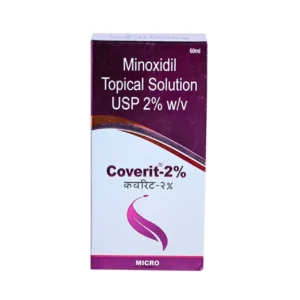
Coverit Solution 2
Active Ingredient Minoxidil Manufacturer Micro Labs Limited Packaging 60 ml in 1 bottle Delivery Time 6 To 15 days SKU: Coverit Solution Price range: $10.00 through $51.00Coverit Solution 2
Price range: $10.00 through $51.00 -

8X Shampoo (Ciclopirox & Zinc pyrithione)
Active Ingredient Ciclopirox/Zinc pyrithione Manufacturer Cipla Limited Packaging 100 ml in 1 bottle Strength 100ml Delivery Time 6 To 15 days SKU: 8X Shampoo (Ciclopirox/Zinc pyrithione) Price range: $10.00 through $52.008X Shampoo (Ciclopirox & Zinc pyrithione)
Price range: $10.00 through $52.00 -

Tugain 5 Solution
Active Ingredient Minoxidil Manufacturer Cipla Limited Packaging 60 ml in 1 bottle Strength 60ml Delivery Time 6 To 15 days SKU: Tugain 5 Solution Price range: $19.00 through $79.00Tugain 5 Solution
Price range: $19.00 through $79.00 -

Healpecia 5 Mg
Active Ingredient Finasteride Manufacturer Centurion Laboratories Pvt. Ltd. Packaging 10 tablets in 1 strip Strength 5 Mg Delivery Time 6 to 15 days SKU: Healpecia 5 Mg Price range: $20.00 through $65.00Healpecia 5 Mg
Price range: $20.00 through $65.00 -
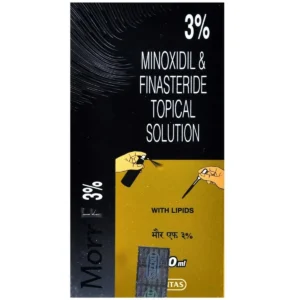
Morr-F 3 (Minoxidil & Finasteride)
Active Ingredient Minoxidil/Finasteride Manufacturer Intas Pharmaceuticals Ltd Packaging 60 ml in 1 bottle Strength 60ml Delivery Time 6 To 15 days SKU: Morr-F 3 Price range: $23.00 through $181.00Morr-F 3 (Minoxidil & Finasteride)
Price range: $23.00 through $181.00 -
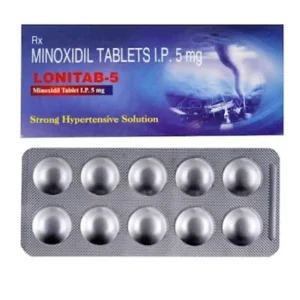
Lonitab (Minoxidil)
Active Ingredient Minoxidil Manufacturer Intas Pharmaceuticals Ltd Packaging 10 Tablets in Strip Delivery Time 6 To 15 days SKU: Lonitab Price range: $33.00 through $90.00Lonitab (Minoxidil)
Price range: $33.00 through $90.00 -
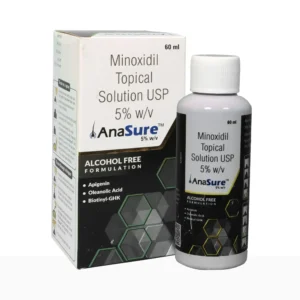
Anasure 5% Solution 60 ml
Active Ingredient Minoxidil Manufacturer Sun Pharmaceutical Industries Ltd Packaging 60 ml in 1 bottle Strength 60 ml Delivery Time 6 To 15 days SKU: Anasure 5% Solution 60 ml Price range: $48.00 through $132.00Anasure 5% Solution 60 ml
Price range: $48.00 through $132.00 -

Fapivir 200 Mg (Favipiravir 200mg)
Active Ingredient favipiravir Manufacturer Healing Pharma, India Packaging 34 Tablets in a Strip Strength 200mg Delivery Time 6 To 15 days SKU: Fapivir 200 Mg Price range: $70.00 through $185.00Fapivir 200 Mg (Favipiravir 200mg)
Price range: $70.00 through $185.00