
Hepatic Encephalopathy Treatment Category:-
Category Overview:-
Hepatic encephalopathy medicines are specialized treatments prescribed to manage a serious complication of advanced liver disease. These medications help reduce the buildup of toxic substances in the bloodstream that can affect brain function when the liver is unable to filter them properly. Healthcare providers prescribe these treatments as part of a comprehensive management plan for patients with chronic liver conditions, cirrhosis, or acute liver failure. The primary goal of these medicines is to improve mental clarity, reduce confusion, and prevent the progression of neurological symptoms that can significantly impact a patient’s quality of life and safety.
Conditions Treated:-
Medicines in this category are specifically used to manage hepatic encephalopathy, a condition where toxins that would normally be filtered by a healthy liver accumulate in the blood and affect brain function. This condition can manifest in various ways, from mild confusion and memory problems to severe disorientation, personality changes, and, in serious cases, loss of consciousness. These treatments are prescribed for patients with:
– Chronic liver disease complications
– Cirrhosis with neurological symptoms
– Post-liver surgery recovery
– Episodes of confusion related to liver dysfunction
– Prevention of recurrent episodes in patients with a history of hepatic encephalopathy
The severity of symptoms can range from subtle changes in sleep patterns and concentration to more obvious signs like tremors, slurred speech, and significant confusion.
Types of Medicines in This Category:-
Hepatic encephalopathy treatments typically fall into several therapeutic approaches:
Ammonia-Reducing Agents: The most commonly prescribed medications work by reducing the production or absorption of ammonia in the digestive system. These medicines help lower the levels of this toxic substance before it enters the bloodstream.
Osmotic Laxatives: These treatments work by drawing water into the intestines, helping to flush out toxins more quickly and reduce the time harmful substances remain in the digestive tract.
Antibiotic Therapies: Certain antibiotics may be prescribed to modify the bacteria in the intestines, reducing the production of ammonia and other neurotoxic substances.
Combination Approaches: In many cases, healthcare providers may prescribe more than one type of medicine to achieve better control of symptoms and prevent future episodes.
The form of these medicines varies, including oral liquids, tablets, and powder formulations, with the choice depending on the patient’s condition severity and ability to take medications.
How These Medicines Work?
Medicines for hepatic encephalopathy primarily target the root cause of brain dysfunction: the accumulation of ammonia and other toxic substances in the blood. When the liver is damaged, it cannot effectively convert ammonia (produced during protein digestion) into less harmful substances that the body can eliminate.
These treatments work through different mechanisms:
– Some medications alter the environment in the intestines, making it less favorable for ammonia-producing bacteria
– Others accelerate the removal of ammonia and toxins through the digestive system before they can be absorbed into the bloodstream
– Certain medicines bind to toxins or convert them into forms that are easier for the compromised liver to process
– Some treatments work by changing the types of bacteria present in the gut, favoring species that produce less ammonia
By reducing the toxic load on the brain, these medicines help restore clearer thinking, improve alertness, and reduce the risk of serious complications like hepatic coma.
Who May Benefit From This Category?
Healthcare providers prescribe hepatic encephalopathy medications for patients with documented liver disease who experience neurological symptoms. This category of treatment is appropriate for:
– Adults with cirrhosis showing signs of confusion or altered mental status
– Patients who have previously experienced episodes of hepatic encephalopathy
– Individuals awaiting liver transplantation who need symptom management
– Those recovering from acute liver injury with temporary liver dysfunction
– Patients with chronic liver disease, as a preventive measure against future episodes
These medicines are not suitable for self-selection and require thorough medical evaluation. A healthcare provider will assess liver function, current medications, other health conditions, and the severity of symptoms before prescribing appropriate treatment. The decision to start these medications is always made as part of a broader liver disease management strategy.
Important Safety Information:-
Hepatic encephalopathy treatments require careful medical supervision due to the serious nature of the underlying liver condition. Important safety considerations include:
Medical Supervision Required: These medicines should only be used under ongoing guidance from a hepatologist, gastroenterologist, or other qualified healthcare provider experienced in managing liver disease.
Patient Groups Requiring Caution:
– Patients with severe electrolyte imbalances
– Those with kidney dysfunction alongside liver disease
– Individuals with diabetes (some formulations contain sugars)
– People with intestinal blockages or severe digestive disorders
– Patients taking multiple medications that interact with liver function
Why Medical Guidance is Critical: The underlying liver condition requires comprehensive monitoring, and these medicines are just one component of treatment. Adjustments may be needed based on liver function tests, mental status changes, and response to therapy. Stopping or changing doses without medical guidance can lead to a dangerous worsening of symptoms.
Drug Interactions: These medications can interact with many other prescription and over-the-counter medicines. Always inform healthcare providers of all medications, supplements, and herbal products being taken.
Caregivers play an essential role in monitoring patients taking these medicines, as individuals with hepatic encephalopathy may not recognize changes in their own mental function.
Usage Guidance (General):-
The administration of hepatic encephalopathy medications must follow individualized instructions from a prescribing healthcare provider. General principles include:
Individualized Treatment Plans: Dosing varies significantly based on the severity of liver disease, current symptoms, previous treatment responses, and other medications being taken. What works for one patient may not be appropriate for another.
Administration Timing: Some medicines in this category need to be taken at specific times or with certain foods to maximize effectiveness and minimize digestive discomfort. Healthcare providers will provide detailed instructions specific to the prescribed medication.
Monitoring Requirements: Regular follow-up appointments are essential to assess treatment effectiveness, adjust doses if needed, and monitor for potential complications. Blood tests to check liver function, electrolyte levels, and kidney function are often necessary.
Treatment Duration: For many patients, these medicines become part of long-term liver disease management rather than short-term treatments. The duration depends on the progression of liver disease andthe individual’s response to therapy.
Patients and caregivers should never adjust doses or stop taking these medications without consulting the prescribing healthcare provider, even if symptoms improve.
Side Effects & Risks (General Overview):-
Like all medications, treatments for hepatic encephalopathy can cause side effects. Understanding potential effects helps patients and caregivers monitor treatment and communicate concerns to healthcare providers.
Common Side Effects:
– Digestive discomfort, including bloating, gas, or cramping
– Diarrhea (which may be an intended effect of some treatments)
– Nausea or changes in appetite
– Taste alterations
– Mild stomach discomfort
Less Common but Serious Concerns:
– Severe diarrhea leading to dehydration or electrolyte imbalances
– Allergic reactions to specific medication components
– Worsening confusion (which may indicate the underlying condition is progressing)
– Significant changes in bowel habits
When to Seek Immediate Medical Attention:
Patients or caregivers should contact healthcare providers urgently if experiencing severe abdominal pain, signs of severe dehydration, increasing confusion despite treatment, or symptoms of allergic reactions.
The balance between managing symptoms and tolerating side effects is an important part of treatment optimization. Healthcare providers can often adjust formulations or doses to improve tolerability while maintaining effectiveness.
Choosing the Right Medicine:-
Selecting the appropriate hepatic encephalopathy treatment is a medical decision that requires professional expertise. Patients should not attempt to choose or switch between treatments independently. The selection process involves:
Medical Assessment: Healthcare providers evaluate liver function severity, kidney function, current medications, ability to tolerate different formulations, history of previous treatments, and individual risk factors.
Personalized Treatment Decisions: What constitutes the “right” medicine varies by individual. Factors influencing this decision include the stage of liver disease, whether treatment is for active symptoms or prevention, patient preferences regarding medication forms, and potential interactions with other treatments.
Role of Pharmacy Consultation: When filling prescriptions, pharmacists can provide valuable information about proper administration, storage, what to expect from treatment, and how to manage minor side effects. They can also identify potential interactions with other medications.
Ongoing Evaluation: The “right” medicine may change over time as liver disease progresses or improves, or as patients respond differently to treatment. Regular communication with healthcare providers ensures treatment remains optimal.
Patients should feel empowered to ask questions about their prescribed treatments and discuss any concerns with their healthcare team.
Storage & Handling Advice:-
Proper storage of hepatic encephalopathy medications helps maintain their effectiveness and safety:
General Storage Guidelines:
– Store at room temperature unless otherwise specified on the label
– Keep medicines in their original containers with labels intact
– Protect from excessive heat, moisture, and direct sunlight
– Ensure containers are tightly closed after each use
Liquid Formulations**: Some treatments come as oral liquids that may require specific storage conditions. Check labels for refrigeration requirements and expiration dates after opening.
Safety Considerations:-
– Keep all medications out of reach of children and pets
– Store medicines in a secure location, particularly if the patient has periods of confusion
– Do not transfer medicines to different containers, as this can lead to confusion or dosing errors
Disposal: Unused or expired medications should be disposed of safely. Many pharmacies offer medication take-back programs. Never flush medications down the toilet unless specifically instructed to do so.
Travel Considerations: Patients traveling with these medications should keep them in carry-on luggage with original labels, carry a copy of prescriptions, and maintain appropriate storage conditions during travel.
Frequently Asked Questions?
How quickly do hepatic encephalopathy medicines start working?
The timeline for symptom improvement varies depending on the severity of symptoms and the specific medicine prescribed. Some patients notice gradual improvement in mental clarity over several days, while others may require weeks of treatment for full benefit. In cases of acute, severe hepatic encephalopathy, more aggressive treatment approaches may be necessary. Your healthcare provider will monitor your response and adjust treatment accordingly. Patience with the process is important, as liver-related conditions often respond gradually to treatment.
Will I need to take these medicines permanently?
The duration of treatment depends on the underlying liver condition. Patients with chronic, progressive liver disease often require ongoing treatment to prevent recurrent episodes of hepatic encephalopathy. Those with temporary liver dysfunction may need treatment only until liver function improves. For patients awaiting liver transplantation, these medicines may be discontinued after a successful transplant once the new liver is functioning properly. Your hepatologist or gastroenterologist will regularly assess whether continued treatment is necessary based on liver function tests and symptom control.
Can I adjust the dose if I’m experiencing side effects?
No, you should never adjust medication doses independently. If side effects are bothersome, contact your healthcare provider to discuss the issue. They may be able to adjust the timing of doses, recommend ways to minimize side effects, or consider alternative treatments. Some side effects, like mild digestive discomfort, may improve as your body adjusts to the medication. However, persistent or severe side effects require medical evaluation. Stopping or changing doses without guidance can lead to dangerous worsening of hepatic encephalopathy symptoms.
Are there dietary restrictions I should follow while taking these medicines?
Dietary recommendations for patients with hepatic encephalopathy go beyond just medication considerations and are an important part of overall liver disease management. Your healthcare provider or a specialized dietitian will provide personalized guidance, which may include protein intake modifications, sodium restrictions, and specific food choices that support liver health. Some medicines in this category may have specific interactions with certain foods or require administration at particular times relative to meals. Always follow the dietary and medication timing instructions provided by your healthcare team.
Medical Disclaimer:-
Important Notice: The information provided on this page is for educational purposes only and is not intended to replace professional medical advice, diagnosis, or treatment. Hepatic encephalopathy is a serious medical condition resulting from liver disease that requires specialized medical care and ongoing supervision by qualified healthcare professionals.
This content describes general characteristics of medication categories and should not be interpreted as specific treatment recommendations for any individual. Every patient’s situation is unique, and treatment decisions must be made by licensed healthcare providers based on thorough medical evaluation, diagnostic testing, and consideration of individual health factors.
Do not use this information to:-
– Self-diagnose hepatic encephalopathy or liver disease
– Select medications without a prescription
– Adjust prescribed medication doses
– Replace scheduled medical appointments
– Delay seeking emergency medical care for worsening symptoms
All medications for hepatic encephalopathy require a valid prescription from a licensed healthcare provider. Only order prescription medications from verified, licensed online pharmacies that require prescriptions and offer pharmacist consultations.
If you or a loved one experiences severe confusion, loss of consciousness, or significant changes in mental status, seek emergency medical attention immediately.
Always consult with your physician, hepatologist, gastroenterologist, or pharmacist for personalized medical advice regarding your specific condition and treatment options. This information was current as of the publication date but medical knowledge and treatment guidelines evolve continuously.
-
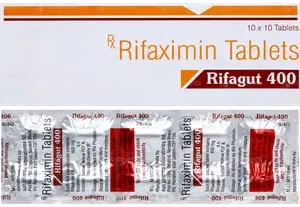
Refagut 400 Mg (Rifaximin)
Active Ingredient Rifaximin Manufacturer Sun Pharmaceutical Industries Ltd Packaging 10 tablets in 1 strip Strength 400mg Delivery Time 6 To 15 days SKU: Rifagut 400 Mg (Rifaximin) Price range: $56.00 through $160.00Refagut 400 Mg (Rifaximin)
Price range: $56.00 through $160.00 -

Rifagut 200 Mg (Rifaximin)
Active Ingredient Rifaximin Manufacturer Irritable bowel syndrome, Hepatic encephalopathy Packaging Sun Pharmaceutical Industries Ltd Strength 200mg, 550mg Delivery Time 6 To 15 days SKU: Rifagut 200 Mg (Rifaximin) Price range: $42.00 through $260.00Rifagut 200 Mg (Rifaximin)
Price range: $42.00 through $260.00