
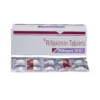
Rifagut 200 Mg (Rifaximin)
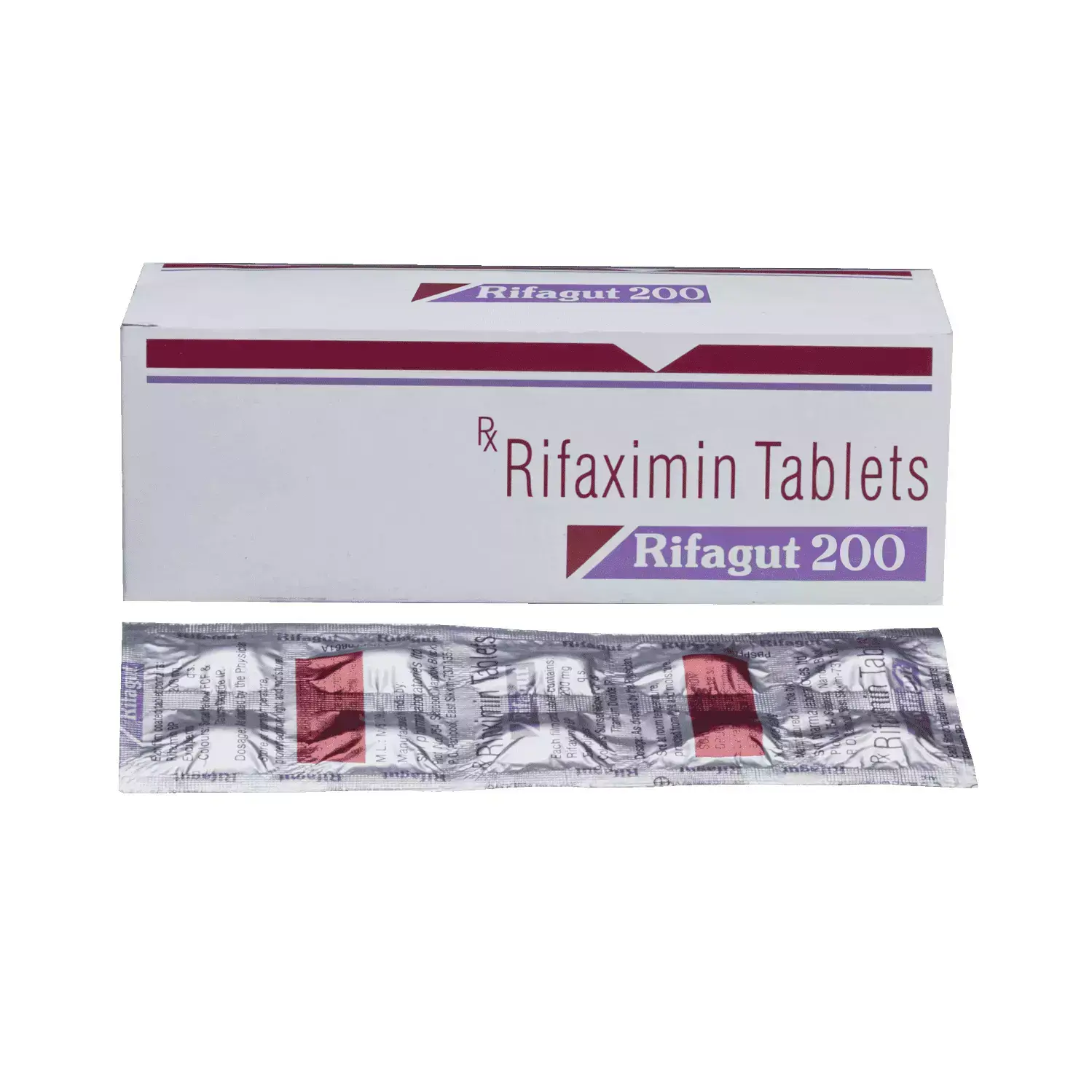
Price range: $42.00 through $260.00
| Active Ingredient | Rifaximin |
|---|---|
| Manufacturer | Irritable bowel syndrome, Hepatic encephalopathy |
| Packaging | Sun Pharmaceutical Industries Ltd |
| Strength | 200mg, 550mg |
| Delivery Time | 6 To 15 days |
| SKU: | Rifagut 200 Mg (Rifaximin) |
Rifagut 200 Mg (Rifaximin): Uses, Dosage, Side Effects & Complete Guide
Digestive problems can be deeply disruptive to daily life. Whether it’s the constant urgency of traveler’s diarrhea, the unpredictable discomfort of irritable bowel syndrome, or the dangerous confusion caused by hepatic encephalopathy — gut health matters more than most people realize. And when the root cause is bacterial, you need a medication that gets to work right where the problem is.
That’s exactly what Rifagut 200 Mg (Rifaximin) does. It’s one of the most unique and effective gut-targeted antibiotics available today — and if your doctor has prescribed it, this guide will walk you through everything you need to know, from how it works to what side effects to watch for, all in clear and simple language.
What Is Rifagut 200 Mg (Rifaximin)?
Rifagut 200 Mg is an oral antibiotic tablet containing Rifaximin 200 mg as its active ingredient. It is manufactured by Sun Pharmaceutical Industries Ltd. — one of India’s most respected pharmaceutical companies — and is widely prescribed across India and internationally.
Rifaximin belongs to the rifamycin class of antibiotics and is classified as a non-systemic, gut-selective antibiotic. This is what makes it truly unique compared to most other antibiotics.
When you take most antibiotics, they get absorbed into your bloodstream and travel throughout your entire body. Rifaximin is different — it is minimally absorbed from the gastrointestinal tract (less than 0.4% reaches the bloodstream). This means it stays almost entirely within the gut, where it concentrates its antibacterial activity right at the site of infection.
The result? Powerful local antibacterial action in the intestines with very low systemic exposure — meaning fewer whole-body side effects, minimal disruption to beneficial bacteria elsewhere in the body, and a significantly reduced risk of systemic toxicity compared to conventional antibiotics.
How Does Rifagut 200 Mg (Rifaximin) Work?
Rifaximin works by targeting a critical component of bacterial survival — the enzyme DNA-dependent RNA polymerase. Here’s how it unfolds:
Bacteria need to produce proteins to survive, grow, and multiply. To make proteins, they first need to transcribe their DNA into RNA — and this transcription process is carried out by RNA polymerase. Rifaximin binds directly to the beta-subunit of bacterial RNA polymerase, blocking this transcription process entirely.
Without the ability to transcribe DNA into RNA, bacteria cannot produce the proteins they need — they stop growing, stop multiplying, and die.
What makes this mechanism particularly effective is that the bacterial RNA polymerase targeted by Rifaximin is structurally different from human RNA polymerase — so Rifaximin can block the bacterial enzyme without interfering with normal human cell function.
Because Rifaximin stays in the gut, it delivers this bactericidal and bacteriostatic action locally in the intestinal lumen — where gut infections and bacterial overgrowth are occurring — without causing the systemic antibiotic effects that can disturb the rest of your body.
What Is Rifagut 200 Mg (Rifaximin) Used For?
1. Traveler’s Diarrhea (Primary Approved Use)
This is the most well-known and widely approved use of Rifagut 200 Mg (Rifaximin). Traveler’s diarrhea is an acute gastrointestinal illness caused by consuming contaminated food or water — most commonly in developing countries. The primary culprit is enterotoxigenic Escherichia coli (ETEC), though other bacteria like Shigella and Salmonella can also be involved.
Rifaximin is specifically approved for non-invasive traveler’s diarrhea — diarrhea that stays in the intestinal tract without causing fever or blood in stool. Clinical trials have demonstrated that a 3-day course of Rifaximin significantly reduces the duration and severity of traveler’s diarrhea compared to placebo.
⚠️ Rifaximin is NOT recommended for traveler’s diarrhea complicated by fever or bloody stools — these may indicate invasive pathogens that require systemic antibiotics.
2. Hepatic Encephalopathy (HE) — Prevention of Recurrence
This is one of the most clinically significant uses of Rifagut 200 Mg. Hepatic encephalopathy is a serious neurological complication of advanced liver disease (cirrhosis). When the liver fails to adequately filter ammonia and other toxins produced by gut bacteria, these toxins build up in the bloodstream and reach the brain — causing confusion, personality changes, cognitive decline, disorientation, and in severe cases, coma.
Rifaximin works here by reducing the population of ammonia-producing bacteria in the gut, thereby lowering ammonia production and reducing the toxic burden on the failing liver. Multiple clinical trials — including the landmark RFHE3001 trial — have demonstrated that Rifaximin significantly reduces the risk of recurrent episodes of overt hepatic encephalopathy in patients with cirrhosis.
Rifaximin is typically used alongside Lactulose (a laxative that also reduces ammonia absorption) for this indication.
3. Irritable Bowel Syndrome with Diarrhea (IBS-D)
Rifaximin has emerged as an important treatment option for IBS with diarrhea (IBS-D), particularly in patients where small intestinal bacterial overgrowth (SIBO) is believed to play a role. Research suggests that an altered gut microbiome contributes significantly to IBS symptoms, and Rifaximin’s ability to modulate gut bacteria without systemic effects makes it an ideal candidate.
Clinical trials including the TARGET 1 and TARGET 2 studies showed that a 2-week course of Rifaximin provided significant relief from bloating, abdominal pain, and loose stools in IBS-D patients compared to placebo — with effects lasting weeks beyond the treatment period.
4. Small Intestinal Bacterial Overgrowth (SIBO)
SIBO occurs when bacteria that normally live in the large intestine migrate to and overpopulate the small intestine. This leads to symptoms like bloating, abdominal distension, gas, diarrhea, and malabsorption. Rifaximin is widely used — often off-label — for SIBO because its gut-confined action reduces bacterial populations in the small intestine without disrupting the microbiome of the large intestine significantly.
5. Clostridium difficile (C. diff) Infection — Adjunctive Use
In some clinical settings, Rifaximin is used as an adjunctive or follow-on therapy after standard C. diff treatment (with Vancomycin or Fidaxomicin) to prevent recurrence. This remains an area of ongoing clinical investigation.
6. Other Uses Being Investigated:
- Diverticular disease — reducing bacterial overgrowth and inflammation in intestinal pouches
- Crohn’s disease — as an adjunctive therapy in certain settings
- Colorectal cancer risk reduction — early research suggests gut microbiome modulation may play a role
- Minimal hepatic encephalopathy — sub-clinical cognitive impairment in cirrhosis patients
Rifagut 200 Mg Dosage Guide
The correct dose of Rifagut 200 Mg depends on the condition being treated. Always follow your doctor’s prescription precisely.
Dosage by Indication:
| Condition | Dose | Duration |
|---|---|---|
| Traveler’s Diarrhea | 200 mg three times daily (600 mg/day) | 3 days |
| Hepatic Encephalopathy (prevention) | 550 mg twice daily* | Long-term/ongoing |
| IBS-D | 550 mg three times daily* | 14 days |
| SIBO | 400 mg three times daily (1200 mg/day) | 7–14 days |
| Diverticular Disease | 400 mg twice daily | Typically cyclic (e.g., 7 days/month) |
Note: Hepatic encephalopathy and IBS-D are typically managed with 550 mg tablets in Western markets (Xifaxan). In India, the 200 mg tablet (Rifagut) is used, and the dose is adjusted accordingly. Always follow your doctor’s specific instructions for the number of Rifagut 200 Mg tablets to take.
How to Take Rifagut 200 Mg:
- Can be taken with or without food
- Swallow tablets whole with a glass of water
- Take at evenly spaced intervals throughout the day
- Take at the same times each day for consistency
- Complete the full prescribed course — do not stop early even if symptoms improve
- Store at room temperature away from moisture and direct sunlight
How Quickly Does Rifagut Work?
One of the reassuring aspects of Rifagut 200 Mg (Rifaximin) is that it works relatively quickly for acute conditions:
- Traveler’s diarrhea: Most patients begin to notice improvement within 24–48 hours of starting treatment. The full 3-day course typically resolves symptoms completely.
- Hepatic encephalopathy: The protective effect builds over time with continuous use. Studies show a significant reduction in HE episodes compared to placebo after consistent long-term use.
- IBS-D: Symptom relief from bloating, abdominal pain, and loose stools can be noticed within the first week of the 14-day course, with benefits often persisting for several weeks after completing treatment.
- SIBO: Significant symptom improvement is typically seen within 7–10 days of treatment.
Common Side Effects of Rifagut 200 Mg (Rifaximin)
One of the biggest advantages of Rifaximin compared to conventional antibiotics is its excellent tolerability profile — a direct result of its minimal systemic absorption. Most people complete their course of Rifagut 200 Mg with very few or no significant side effects.
Mild & Common Side Effects:
- Nausea — generally mild and transient
- Flatulence (gas) — particularly in the early days of treatment
- Headache — mild and short-lived
- Abdominal pain or cramping — usually resolves quickly
- Dizziness — occasionally reported
- Constipation — can occur, especially when treating diarrhea
- Vomiting — mild and uncommon
- Rectal tenesmus — feeling of incomplete bowel emptying
- Fatigue — occasionally reported with longer treatment courses
These side effects are typically mild, self-limiting, and do not require stopping the medication. Staying well-hydrated and taking the tablet with food can help minimize gastrointestinal discomfort.
Less Common Side Effects:
- Skin rash or itching
- Muscle pain
- Fever (low-grade)
- Changes in taste
- Ascites (fluid accumulation in abdomen) — primarily in patients with advanced cirrhosis being treated for HE; related to underlying liver disease rather than the drug itself
Serious Side Effects (Rare — Seek Medical Attention):
- Severe allergic reaction — skin blistering, swelling of face/lips/tongue/throat, difficulty breathing; though rare, hypersensitivity reactions to Rifaximin have been reported
- Clostridium difficile-associated diarrhea (CDAD) — watery or bloody diarrhea, abdominal cramps, fever; can occur with almost any antibiotic, including Rifaximin, though the risk is lower due to its gut-confined nature
- Severe skin reactions — including Stevens-Johnson Syndrome (extremely rare)
⚠️ If you develop bloody diarrhea, high fever, or worsening symptoms after starting Rifagut, contact your doctor immediately.
Who Should NOT Take Rifagut 200 Mg?
Rifagut 200 Mg is generally safe and well-tolerated but is not suitable for everyone:
- People with known hypersensitivity to Rifaximin, other Rifamycin antibiotics (Rifampicin, Rifabutin), or any tablet component
- Patients with invasive diarrhea — diarrhea with fever or blood in stool; Rifaximin is not effective against invasive pathogens
- Pregnant women — safety during pregnancy is not established; avoid unless clearly necessary and advised by a doctor
- Breastfeeding women — it is not known whether Rifaximin passes into breast milk; consult your doctor
- Children under 12 years for traveler’s diarrhea indication — safety not well established in young children
- Patients with intestinal obstruction — Rifaximin requires an intact intestinal transit to work properly
- Patients with severe diarrhea caused by pathogens other than ETEC — Rifaximin has limited or no activity against invasive organisms like Campylobacter jejuni
Rifagut Drug Interactions
Rifaximin’s minimal systemic absorption means it has far fewer drug interactions than conventional systemic antibiotics — one of its major practical advantages. However, some interactions are worth knowing:
| Drug | Interaction | Recommendation |
|---|---|---|
| Warfarin (anticoagulant) | Possible increase in INR in some patients | Monitor INR closely |
| Cyclosporine | May increase Rifaximin blood levels | Use with caution; monitor |
| P-glycoprotein inhibitors (e.g., certain antifungals) | May increase Rifaximin absorption | Caution advised |
| Oral contraceptives | Theoretical risk of reduced effectiveness (as with other antibiotics) | Use additional contraception as a precaution |
| Antidiarrheal agents (e.g., Loperamide) | May reduce gut motility and alter Rifaximin distribution | Inform doctor if using together |
| Lactulose (used in HE) | Complementary mechanism — used together intentionally | Generally safe; doctor-directed combination |
📌 Always inform your doctor and pharmacist about every medication, supplement, and herbal product you are taking before starting Rifagut 200 Mg.
Important Precautions During Rifagut Treatment
1. Do Not Use for Systemic Infections Rifaximin is designed for gut-based bacterial conditions only. It is not effective for respiratory infections, urinary tract infections, skin infections, or any infection outside the gastrointestinal tract. Using it for these conditions will not work and may contribute to antibiotic resistance.
2. Traveler’s Diarrhea: Watch for Warning Signs If your diarrhea is accompanied by fever above 38°C or blood in the stool, do not use Rifagut. These are signs of invasive bacterial diarrhea that requires a systemic antibiotic. See a doctor immediately.
3. Long-Term Use in Hepatic Encephalopathy For patients on long-term Rifaximin for HE prevention, regular monitoring of liver function, electrolytes, and overall clinical status is important. Never stop this medication abruptly without consulting your hepatologist.
4. Antibiotic Resistance Awareness While Rifaximin has a low resistance profile due to its local gut action, unnecessary or prolonged use should still be avoided. Take it only when prescribed, and always complete the full course.
5. Hydration If being treated for diarrhea — whether traveler’s diarrhea or IBS-D — maintaining adequate hydration is critical. Rifaximin treats the bacterial cause, but replacing lost fluids and electrolytes is equally important for recovery.
6. Rifaximin and Liver Disease In patients with advanced liver disease and portal hypertension, a small amount of Rifaximin may be absorbed into the bloodstream compared to healthy individuals. While this is generally not clinically significant, your hepatologist should be aware of all medications you are taking.
Rifagut 200 Mg vs. Other Antibiotics for Gut Infections
How does Rifagut compare to other antibiotics commonly used for gastrointestinal infections?
| Feature | Rifagut (Rifaximin) | Ciprofloxacin | Metronidazole | Azithromycin |
|---|---|---|---|---|
| Systemic absorption | Minimal (< 0.4%) | High | High | High |
| Gut-targeted action | ✅ Yes | ❌ No | ❌ No | ❌ No |
| Traveler’s diarrhea | ✅ Approved | ✅ Used | ❌ Limited | ✅ Used |
| Hepatic encephalopathy | ✅ Yes | ❌ No | ✅ Sometimes used | ❌ No |
| IBS-D | ✅ Proven | ❌ No | ❌ No | ❌ No |
| SIBO | ✅ Preferred | ❌ Limited | ✅ Used | ❌ No |
| Systemic side effects | Very Low | Moderate–High | Moderate | Moderate |
| Resistance risk | Low | Higher | Moderate | Higher |
| Gut microbiome disruption | Minimal | Significant | Significant | Significant |
Rifagut clearly stands out for its gut-selective profile, excellent tolerability, and broad applicability across multiple gastrointestinal conditions — with a significantly lower risk of systemic side effects compared to conventional antibiotics.
Frequently Asked Questions About Rifagut 200 Mg (Rifaximin)
Q: Is Rifagut 200 Mg an antibiotic?
Yes — Rifagut 200 Mg is an antibiotic, but a very unique one. Unlike most antibiotics that travel through the entire body via the bloodstream, Rifaximin stays almost entirely within the gut, where it fights bacterial infections locally with minimal systemic effects.
Q: Can I take Rifagut 200 Mg with food?
Yes. Rifagut 200 Mg can be taken with or without food. Taking it with food may help reduce mild stomach discomfort if you experience it.
Q: Will Rifagut destroy my good gut bacteria?
One of the key advantages of Rifaximin is that its impact on the gut microbiome is significantly gentler than conventional antibiotics. It primarily targets the pathogenic bacteria driving your condition while having a much lower impact on beneficial gut bacteria compared to systemically absorbed antibiotics.
Q: Can Rifagut be used in children?
Rifaximin’s safety profile in children under 12 is not fully established for all indications. For children 12 and above, it may be used for traveler’s diarrhea under medical supervision. Always consult a pediatrician before giving this medication to a child.
Q: How is Rifagut different from Rifampicin?
While both belong to the Rifamycin antibiotic family, they are very different drugs. Rifampicin is a systemically absorbed antibiotic used for tuberculosis and other serious systemic infections. Rifaximin (Rifagut) is minimally absorbed and designed specifically for gastrointestinal use. They should never be confused or used interchangeably.
Disclaimer:-
This article is for informational and educational purposes only and does not constitute medical advice, diagnosis, or treatment recommendation. Always consult a qualified gastroenterologist or healthcare professional before starting, stopping, or modifying any medication, including Rifagut 200 Mg (Rifaximin).
Additional information
| mg | 200mg, 550mg |
|---|---|
| unit | 300 Tablet, 90 Tablet, 120 Tablet, 150 Tablet |

Reviews
There are no reviews yet.