
High Blood Pressure Medicines: Understanding Your Treatment Options:-
Category Overview:-
High blood pressure medicines, also known as antihypertensives, are prescription medications used to lower and manage elevated blood pressure levels. Healthcare providers prescribe these treatments to help reduce the risk of serious cardiovascular complications such as heart attack, stroke, heart failure, and kidney disease. Blood pressure management is one of the most common reasons for long-term medication use, and these medicines play a vital role in protecting heart and vascular health when lifestyle modifications alone are insufficient.
Doctors commonly prescribe antihypertensive medications because sustained high blood pressure can silently damage blood vessels and organs over time. These medicines work through various mechanisms to help maintain blood pressure within a healthier range, reducing strain on the cardiovascular system.
Conditions Treated:-
Medicines in this category are primarily prescribed for:
Hypertension (High Blood Pressure): The main condition these medicines address, whether recently diagnosed or long-standing.
Cardiovascular Risk Reduction: Used to lower the likelihood of heart-related complications in patients with elevated blood pressure.
Heart Failure Management: Some blood pressure medicines help the heart pump more effectively and reduce fluid buildup.
Kidney Protection: Certain antihypertensives help protect kidney function, particularly in patients with diabetes or existing kidney concerns.
Post-Heart Attack Care: Specific blood pressure medicines are prescribed as part of recovery and prevention strategies following cardiac events.
Healthcare providers determine treatment based on blood pressure readings, overall health status, and individual risk factors rather than symptoms alone, since high blood pressure often produces no noticeable symptoms.
Types of Medicines in This Category:-
High blood pressure medicines are grouped into several major classes, each working through different mechanisms:
ACE Inhibitors (Angiotensin-Converting Enzyme Inhibitors): These medicines help relax blood vessels by blocking the formation of a hormone that narrows arteries.
ARBs (Angiotensin II Receptor Blockers): Similar to ACE inhibitors but work at a different point in the same hormonal pathway.
Calcium Channel Blockers: These prevent calcium from entering heart and blood vessel cells, helping vessels relax and reducing heart workload.
Diuretics (Water Pills): Help the body eliminate excess sodium and water, reducing blood volume and pressure.
Beta-Blockers: Reduce heart rate and the force of heart contractions, decreasing the heart’s oxygen demand.
Alpha-Blockers: Help keep smaller arteries relaxed by blocking certain nerve signals.
Direct Vasodilators: Directly relax the muscles in blood vessel walls.
Combination Medicines: Many treatments combine two or more types in a single tablet for convenience and enhanced effectiveness.
Each class has specific advantages, and doctors select treatments based on individual patient characteristics, other health conditions, and how well someone responds to therapy.
How These Medicines Work?
Blood pressure medicines work through various mechanisms to reduce the force of blood against artery walls. The cardiovascular system is complex, with multiple factors influencing blood pressure, which is why different medicine classes exist.
Some medicines reduce the volume of fluid in blood vessels, making it easier for blood to flow. Others relax and widen blood vessels, decreasing resistance to blood flow. Certain medications slow the heart rate or reduce the force of heart contractions, lowering the pressure generated with each heartbeat.
Many patients require more than one type of medicine because blood pressure is regulated by multiple body systems. Combining different classes can address blood pressure through complementary pathways, often achieving better control than single medicines alone.
The goal is not simply to lower numbers but to reduce cardiovascular strain and protect vital organs while maintaining adequate blood flow to all body tissues.
Who May Benefit From This Category?
Healthcare providers may prescribe blood pressure medicines to patients who:
– Have consistently elevated blood pressure readings above recommended levels
– Cannot achieve adequate blood pressure control through lifestyle changes alone
– Have additional cardiovascular risk factors such as diabetes, high cholesterol, or smoking history
– Have experienced heart-related complications or have significant family history of cardiovascular disease
– Show early signs of organ damage related to blood pressure
– Are at high risk based on age, kidney function, or other health considerations
Doctors assess each patient individually, considering blood pressure readings over time, overall health status, other medications, and treatment goals. The decision to start blood pressure medicine involves weighing benefits against potential side effects and determining the most appropriate option for each person’s unique situation.
Younger adults, pregnant women, elderly patients, and those with multiple health conditions require particularly careful evaluation and medicine selection.
Important Safety Information:-
Blood pressure medicines require medical supervision and regular monitoring. Several important safety considerations apply:
Medical Supervision is Essential: These medicines affect vital cardiovascular functions and must be prescribed and monitored by qualified healthcare providers. Regular blood pressure checks and periodic blood tests help ensure medicines are working safely and effectively.
Individual Variation: People respond differently to blood pressure medicines. What works well for one person may not be suitable for another, even with similar blood pressure readings.
Gradual Adjustments: Blood pressure medicines typically require time to show full effects. Doctors usually start with lower doses and adjust gradually based on response and tolerability.
Consistent Use Matters: Blood pressure medicines must be taken regularly as prescribed. Missing doses or stopping suddenly can cause blood pressure to rise rapidly, potentially leading to serious complications.
Pregnancy and Planning: Many blood pressure medicines are not safe during pregnancy. Women who are pregnant, planning pregnancy, or breastfeeding must inform their healthcare provider immediately.
Drug Interactions: Blood pressure medicines can interact with other prescription medications, over-the-counter products, and herbal supplements. Always inform all healthcare providers about everything you take.
Certain Health Conditions: Patients with kidney disease, liver problems, asthma, diabetes, or gout may require specific medicine choices or closer monitoring.
Older Adults: Age-related changes in kidney function and drug metabolism mean older patients often need different doses or medicine selections.
Never share blood pressure medicines with others, even if they have similar symptoms or diagnoses, as individual medical circumstances vary significantly.
Usage Guidance (General):-
Blood pressure medicines must be used exactly as prescribed by healthcare providers. General guidance includes:
Timing Consistency: Take medicines at the same time each day to maintain steady blood levels. Some work best in the morning, while others are taken at night.
With or Without Food: Some blood pressure medicines should be taken with food, others on an empty stomach. Follow specific instructions provided with your prescription.
Swallowing Instructions: Most tablets should be swallowed whole unless specifically instructed otherwise. Some extended-release formulations must not be crushed or chewed.
Missed Doses: If you miss a dose, follow the guidance provided by your healthcare provider or pharmacist. Generally, take it as soon as you remember unless it’s nearly time for the next dose. Never double doses without medical advice.
Lifestyle Factors: Medicines work best alongside healthy lifestyle choices including reduced sodium intake, regular physical activity, maintaining a healthy weight, limiting alcohol, and managing stress.
Home Monitoring: Many patients benefit from monitoring their blood pressure at home according to their healthcare provider’s recommendations, which helps assess treatment effectiveness.
Regular Follow-up: Attend all scheduled appointments so your healthcare provider can monitor your response, adjust treatment as needed, and check for potential complications.
Dosage varies widely based on individual factors, and what’s appropriate for one person may be too much or too little for another.
Side Effects & Risks (General Overview):-
Like all medicines, blood pressure medications can cause side effects, though many people tolerate them well. Understanding potential effects helps patients recognize when to seek medical guidance.
Common Side Effects (depending on medicine type):
– Dizziness or lightheadedness, especially when standing up quickly
– Fatigue or tiredness
– Headache
– Upset stomach or digestive changes
– Dry cough (particularly with certain classes)
– Increased urination (especially with diuretics)
– Swelling of ankles or feet
– Flushing or feeling warm
Potentially Serious Effects requiring immediate medical attention:
– Severe dizziness or fainting
– Irregular or rapid heartbeat
– Chest pain or tightness
– Severe swelling of face, lips, tongue, or throat
– Difficulty breathing
– Severe skin reactions
– Significant changes in mood or mental state
– Signs of low blood pressure (extreme weakness, confusion, cold and clammy skin)
Long-term Considerations: Some blood pressure medicines can affect kidney function, electrolyte levels, blood sugar, or cholesterol. Regular monitoring helps detect and manage these effects.
Individual Risk Factors: Your likelihood of experiencing side effects depends on the specific medicine, dose, other health conditions, other medications you take, and individual body chemistry.
Most side effects are mild and may improve as your body adjusts to the medicine. However, never dismiss concerning symptoms or stop medicines without consulting your healthcare provider, as abruptly stopping can be dangerous.
Choosing the Right Medicine:-
Selecting the most appropriate blood pressure medicine is a medical decision that should be made in partnership with qualified healthcare providers.
Factors Healthcare Providers Consider:
– Your specific blood pressure levels and patterns
– Other health conditions you have
– Other medicines you currently take
– Previous responses to blood pressure treatments
– Potential side effects and your lifestyle
– Cost and accessibility of different options
– Your age and kidney function
– Pregnancy status or family planning
– Cardiovascular risk profile
The Role of Trial and Adjustment: Finding the optimal blood pressure treatment often involves trying different medicines or combinations. What works well initially may need adjustment over time as your body and health circumstances change.
Pharmacist Support: Pharmacists are valuable resources for understanding how to take your medicines, what to expect, potential interactions, and when to contact your doctor.
Avoid Self-Selection: Never choose blood pressure medicines based on others’ experiences or internet research alone. These medicines have specific indications, contraindications, and require professional medical assessment.
Questions to Ask Your Healthcare Provider:
– Why is this particular medicine recommended for me?
– How long before I notice improvements?
– What side effects should I watch for?
– Are there foods, drinks, or activities I should avoid?
– What should I do if I miss a dose?
– How will we know if the medicine is working?
Open communication with your healthcare team leads to better outcomes and helps address concerns before they become problems.
Storage & Handling Advice:-
Proper storage ensures blood pressure medicines remain safe and effective:
General Storage Guidelines:
– Store at room temperature unless otherwise specified
– Keep in original containers with labels intact
– Protect from excessive heat, moisture, and direct light
– Keep bathroom storage to a minimum, as humidity can affect some medicines
– Never store in vehicles, which experience temperature extremes
Safety Precautions:
– Keep all medicines out of reach of children and pets
– Use child-resistant caps properly
– Store separately from similar-looking medicines to prevent confusion
– Ensure containers are properly sealed after each use
Monitoring Your Medicine:
– Check expiration dates regularly and dispose of expired medicines properly
– Watch for changes in appearance, color, or smell that might indicate degradation
– Note any special storage requirements on your prescription label
Travel Considerations:
– Carry medicines in original containers when traveling
– Keep medicines in carry-on luggage rather than checked bags
– Bring enough supply for your entire trip plus extra in case of delays
– Consider time zone changes when planning dosing times
Disposal:
– Do not flush medicines down toilets unless specifically instructed
– Use medicine take-back programs or community disposal events when available
– Follow FDA guidelines for safe home disposal if take-back options are unavailable
– Remove or obscure personal information on empty containers before recycling
Proper handling and storage protects medicine quality and prevents accidental exposure to others.
Frequently Asked Questions?
How long does it take for blood pressure medicines to start working?
The timeline varies by medicine type. Some begin lowering blood pressure within hours, while others take several days to weeks to show full effects. Doctors typically assess response after 2-4 weeks before making adjustments. Even when blood pressure improves quickly, it may take longer to achieve optimal control. Regular monitoring helps your healthcare provider determine whether your current treatment is effective or needs modification.
Can I stop taking blood pressure medicine once my readings are normal?
No, you should never stop taking blood pressure medicines without consulting your healthcare provider. Normal readings usually indicate the medicine is working effectively, not that the underlying condition has disappeared. Stopping suddenly can cause blood pressure to spike dangerously, potentially leading to serious complications. Some patients may eventually reduce or discontinue medicines under careful medical supervision if lifestyle changes produce sustained improvements, but this decision requires professional guidance.
Will I need to take blood pressure medicine for the rest of my life?
Many people require long-term treatment, but duration depends on individual circumstances. Some patients need lifelong therapy, particularly those with genetic predisposition, kidney disease, or other chronic conditions. Others may be able to reduce or stop medicines if they achieve sustained blood pressure control through significant lifestyle changes. Your healthcare provider will regularly reassess your need for continued treatment based on blood pressure readings, overall health status, and risk factors.
Why do I need blood pressure medicine if I feel fine?
High blood pressure is often called “the silent killer” because it typically produces no symptoms while silently damaging blood vessels and organs. Feeling fine does not mean your blood pressure is safe. The purpose of treatment is to prevent future complications like stroke, heart attack, or kidney failure, not to relieve current symptoms. Regular treatment protects your long-term health even when you feel well.
Medical Disclaimer:-
This content is provided for educational and informational purposes only and is not intended to replace professional medical advice, diagnosis, or treatment. The information presented here offers general guidance about blood pressure medicines as a category and should not be used to self-diagnose, self-treat, or make decisions about starting, stopping, or changing any medicine.
Blood pressure management requires individualized medical care. Only qualified healthcare providers can properly diagnose high blood pressure, determine appropriate treatment, prescribe specific medicines, and monitor your response to therapy. Always consult with your doctor, pharmacist, or other healthcare professional before making any decisions about blood pressure treatment.
This information does not cover all possible uses, directions, precautions, drug interactions, or adverse effects. Different people respond differently to medicines, and what is appropriate for one person may not be suitable for another. Your healthcare provider will consider your complete medical history, current health status, other medicines you take, and individual risk factors when recommending treatment.
If you experience a medical emergency or symptoms that concern you, seek immediate medical attention or contact emergency services. Do not delay seeking professional medical care because of information you have read here.
The content provided does not create a healthcare provider-patient relationship. The online pharmacy providing this information is a dispensing service that works in coordination with licensed healthcare providers and should not be considered a substitute for regular medical care and monitoring.
High blood pressure category page is designed to support informed decision-making and patient education. All prescriptions require valid authorization from licensed healthcare providers. Please consult qualified medical professionals for personalized medical advice.
-
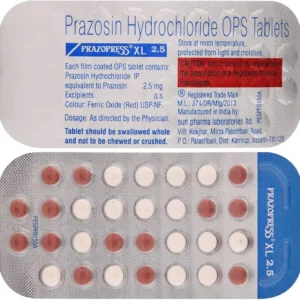
Prazopress XL 2.5 Mg (Prazosin)
Active Ingredient Prazosin Manufacturer Sun Pharmaceutical Industries Ltd Packaging 30 tablets in 1 strip Strength 2.5 Mg Delivery Time 6 To 15 days SKU: Prazopress XL 2.5 Mg (Prazosin) Price range: $27.00 through $80.00Prazopress XL 2.5 Mg (Prazosin)
Price range: $27.00 through $80.00 -
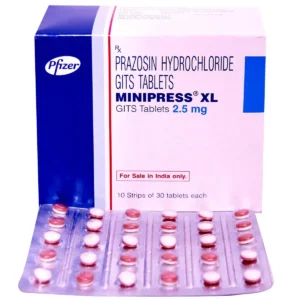
Minipress XL 2.5 Mg (Prazosin)
Active Ingredient Prazosin Manufacturer Pfizer India Ltd Packaging 30 tablets in 1 strip Strength 2.5 Mg And 5 Mg Delivery Time 6 To 15 days SKU: Minipress XL (Prazosin) Price range: $37.00 through $115.00Minipress XL 2.5 Mg (Prazosin)
Price range: $37.00 through $115.00