
Hyperpigmentation Treatment Medicines: Educational Guide:-
Category Overview:-
Hyperpigmentation treatment medicines are a group of pharmaceutical and dermatological products designed to address areas of skin that have become darker than the surrounding tissue. These medicines work by targeting melanin production, distribution, or removal in the skin. Healthcare professionals commonly prescribe or recommend these treatments when patients experience unwanted darkening of the skin that affects their well-being or quality of life.
This category includes both prescription medications and over-the-counter preparations, each formulated to address specific types and severities of pigmentation concerns. Treatment selection depends on the underlying cause, the extent of pigmentation, skin type, and individual patient factors that a qualified healthcare provider evaluates during consultation.
Conditions Treated:-
Medicines in this category are used to manage various forms of skin pigmentation changes, including:
Melasma – Patches of darker skin that typically appear on the face, often related to hormonal changes, sun exposure, or certain medications.
Post-inflammatory Hyperpigmentation – Dark marks that remain after skin injury, acne, eczema, or other inflammatory skin conditions have healed.
Age Spots (Solar Lentigines) – Flat, darkened areas that develop with aging and cumulative sun exposure, commonly appearing on hands, face, and other sun-exposed areas.
Uneven Skin Tone – General irregularities in skin color distribution that may result from various environmental and biological factors.
These conditions are not typically dangerous from a medical perspective, but they can significantly impact how individuals feel about their appearance. A dermatologist or qualified healthcare provider should always evaluate persistent or changing pigmentation to rule out other skin conditions that may require different treatment approaches.
Types of Medicines in This Category:-
Hyperpigmentation treatments come in various formulations, each suited to different situations:
Topical Creams and Serums-
These are the most common forms of hyperpigmentation treatment. They are applied directly to affected areas and may contain active ingredients that work through different mechanisms. Prescription-strength formulations typically contain higher concentrations of active ingredients than over-the-counter options.
Combination Products-
Some preparations combine multiple active ingredients to address pigmentation through complementary pathways, potentially offering more comprehensive results under medical supervision.
Adjunctive Treatments-
Certain medicines may be recommended alongside procedural treatments performed by dermatologists, serving to enhance outcomes or prevent pigmentation recurrence.
Protective Formulations-
Some products in this category focus on preventing further pigmentation by protecting skin from triggers, though these work differently from active treatment medicines.
The appropriate formulation type depends on the specific diagnosis, skin characteristics, treatment history, and guidance from a qualified healthcare professional.
How These Medicines Work?
Hyperpigmentation treatment medicines generally work through one or more of the following mechanisms:
Inhibiting Melanin Production – Some active ingredients work by interfering with the biochemical processes that create melanin, the pigment responsible for skin color. By slowing this production, they can gradually reduce the intensity of dark areas.
Increasing Cell Turnover – Certain medicines accelerate the natural process by which skin cells are replaced, helping to remove pigmented cells from the skin’s surface more quickly and promote the growth of new, more evenly toned skin.
Disrupting Pigment Transfer – Some treatments work by interfering with how melanin is transferred between cells in the skin, reducing the accumulation of pigment in certain areas.
Antioxidant Activity – Various compounds in these medicines may provide antioxidant benefits that help prevent oxidative stress, which can trigger or worsen pigmentation.
It’s important to understand that visible results from these medicines typically develop gradually over weeks or months, as the skin’s natural renewal processes work alongside the treatment. Immediate results should not be expected, and consistent use as directed by a healthcare provider is essential for optimal outcomes.
Who May Benefit From This Category?
Healthcare providers may recommend hyperpigmentation treatment medicines for patients who:
– Have been diagnosed with melasma, post-inflammatory hyperpigmentation, or related conditions
– Experience persistent dark patches or spots that cause concern
– Have completed evaluation to rule out other skin conditions requiring different treatment
– Are committed to following a comprehensive treatment plan, including sun protection
– Have realistic expectations about treatment timelines and outcomes
– Are not pregnant or breastfeeding (for certain prescription treatments)
– Can follow the specific application instructions and precautions for their prescribed medicine
These treatments are not appropriate for everyone. Individuals with certain skin conditions, sensitivities, or medical histories may need alternative approaches. A thorough consultation with a dermatologist or qualified healthcare provider is essential to determine if medicines in this category are suitable for your specific situation.
Self-diagnosis and self-treatment of skin pigmentation changes are not recommended, as various conditions can appear similar but require different management approaches.
Important Safety Information:-
Medical Supervision Is Essential-
All hyperpigmentation treatments, whether prescription or over-the-counter, should be used under the guidance of a qualified healthcare professional. Some active ingredients can cause adverse reactions if used incorrectly or in inappropriate situations.
Sun Protection Is Critical-
Most hyperpigmentation treatments make skin more sensitive to sunlight and UV radiation. Without proper sun protection (broad-spectrum sunscreen, protective clothing, sun avoidance), these medicines may be ineffective or could potentially worsen pigmentation. Daily sun protection is not optional—it is a fundamental part of treatment.
Who Should Exercise Caution-
Certain individuals should not use specific hyperpigmentation medicines or should use them only with special precautions:
– Pregnant or breastfeeding women (many active ingredients are not recommended during these periods)
– Individuals with sensitive skin or a history of allergic reactions to skincare products
– People with certain skin conditions, such as eczema, rosacea, or active infections in treatment areas
– Those taking medications that increase sun sensitivity
– Individuals with darker skin tones (who may be at higher risk for certain types of adverse reactions)
Potential for Adverse Reactions-
While many people tolerate these medicines well, adverse reactions can occur. Some formulations contain potent active ingredients that may irritate, particularly when starting treatment or if used more frequently than directed.
Importance of Patch Testing-
Healthcare providers often recommend testing new treatments on a small area of skin before applying them to larger areas, allowing for early identification of sensitivity or adverse reactions.
Avoiding Unregulated Products-
Some products marketed for skin lightening may contain prohibited or unsafe ingredients. Only use medicines obtained through legitimate healthcare channels and verified pharmacies.
Usage Guidance (General):-
Hyperpigmentation treatment medicines must be used exactly as prescribed or recommended by your healthcare provider. General principles include:
Dosage and frequency vary significantly between different medicines and individual patient needs. What works for one person may be inappropriate for another, even with the same condition.
Application technique matters. Most topical treatments should be applied to clean, dry skin in the amount and manner specified by your healthcare provider. Using more than directed does not speed results and may increase the risk of irritation or adverse effects.
Consistency is important. These treatments typically require regular, long-term use to achieve and maintain results. Stopping treatment prematurely may lead to incomplete improvement or return of pigmentation.
Patience is necessary. Visible improvement usually takes several weeks to months. The skin’s natural renewal cycle means that results develop gradually.
Combination with sun protection is mandatory. No hyperpigmentation treatment should be used without appropriate sun protection measures during the day.
Follow-up appointments with your healthcare provider are important to monitor progress, adjust treatment if needed, and assess for any adverse reactions.
Never adjust your treatment regimen without consulting your healthcare provider. Do not share your prescribed medicines with others, as what is appropriate for you may not be safe or effective for someone else.
Side Effects & Risks (General Overview)-
Like all medicines, hyperpigmentation treatments can cause side effects, though not everyone experiences them.
Common Effects-
Many patients experience mild effects, particularly when beginning treatment:
– Skin dryness, flaking, or peeling
– Temporary redness or mild irritation
– Increased sensitivity to skincare products
– Tingling or mild burning sensation upon application
These effects often diminish as skin adjusts to treatment, but you should discuss them with your healthcare provider, who may adjust your regimen.
More Significant Reactions-
Some individuals may experience more pronounced reactions:
– Persistent or severe irritation
– Allergic reactions (rash, itching, swelling)
– Paradoxical darkening of skin (particularly if sun protection is inadequate)
– Uneven lighting or changes in skin tone
– Increased sensitivity to environmental factors
Serious Concerns-
While rare, some effects require immediate medical attention:
– Signs of severe allergic reaction (difficulty breathing, severe swelling)
– Widespread skin reactions beyond the treatment area
– Signs of skin infection in treatment areas
– Sudden or concerning changes in moles or pigmented lesions
Long-Term Considerations-
Some hyperpigmentation treatments are intended for short-term or intermittent use rather than continuous long-term application. Your healthcare provider will establish an appropriate treatment duration and monitoring plan.
If you experience any side effects, contact your healthcare provider. Do not simply stop treatment without medical guidance, as abrupt discontinuation may affect outcomes or cause rebound effects with some medicines.
Choosing the Right Medicine:-
Selecting an appropriate hyperpigmentation treatment is a medical decision that should be made in consultation with a qualified healthcare provider. Several factors influence this decision:
Professional Evaluation Is Essential-
A dermatologist or qualified healthcare provider should:
– Accurately diagnose the type of hyperpigmentation you have
– Identify any underlying causes that need to be addressed
– Evaluate your skin type, tone, and characteristics
– Review your medical history and current medications
– Assess previous treatments and their outcomes
– Consider your lifestyle factors and ability to follow sun protection measures
Individual Factors That Matter-
Treatment selection depends on:
– The specific type and cause of your pigmentation
– The extent and location of affected areas
– Your skin type and sensitivity
– Whether you are pregnant, breastfeeding, or planning pregnancy
– Other skin conditions you may have
– Your previous experience with similar treatments
– Potential interactions with medications you take
Realistic Expectations-
Your healthcare provider will help you understand what results are realistically achievable with different treatments. Some types of pigmentation respond better to treatment than others, and complete elimination is not always possible.
Avoiding Self-Selection-
Over-the-counter products may seem convenient, but professional guidance remains valuable even when prescription medicines are not required. A healthcare provider can recommend the most appropriate over-the-counter options for your specific situation and ensure you’re using them correctly.
Online information should not replace personalized medical advice. What works for someone else may not be appropriate or safe for you.
Storage & Handling Advice:-
Proper storage and handling of hyperpigmentation medicines help maintain their effectiveness and safety:
General Storage Guidelines-
– Store medicines at room temperature unless otherwise specified, typically between 20-25°C (68-77°F)
– Keep away from direct sunlight, heat sources, and moisture
– Do not store in bathrooms where humidity fluctuates
– Keep containers tightly closed when not in use
– Check expiration dates regularly and do not use expired products
Safety Measures-
– Keep all medicines out of reach of children and pets
– Store in original containers with intact labels
– Never transfer to unlabeled containers
– Wash hands before and after application to prevent contamination
– Do not share your medicines with others
Product Integrity-
– Some formulations may change color, consistency, or smell over time, which can indicate degradation
– Do not use products that appear discolored, separated, or have an unusual odor
– Certain active ingredients are sensitive to light and air; follow the specific storage instructions provided
Disposal-
– Do not dispose of medicines in household trash or flush down toilets unless specifically instructed
– Consult your pharmacist about proper disposal methods
– Many communities offer medicine take-back programs
Travel Considerations-
If traveling with hyperpigmentation medicines:
– Keep in original labeled containers
– Carry prescriptions or documentation from your healthcare provider
– Protect from temperature extremes during travel
– Consider the climate at your destination and adjust storage accordingly
Frequently Asked Questions?
How long does it take to see results from hyperpigmentation treatments?
Most hyperpigmentation treatments require consistent use for at least 4-8 weeks before visible improvement becomes noticeable, with optimal results often taking 3-6 months or longer. The timeline varies based on the type of pigmentation, the specific medicine used, individual skin characteristics, and adherence to sun protection measures. Some types of hyperpigmentation respond more quickly than others. Patience and consistency are essential, as the skin’s natural renewal process cannot be rushed. Your healthcare provider can give you a more specific timeline based on your individual situation and the treatment prescribed.
Can I use hyperpigmentation treatments if I have sensitive skin?
Some individuals with sensitive skin can use hyperpigmentation treatments, but this requires careful product selection and often a modified approach. Healthcare providers may recommend starting with lower concentrations, using treatments less frequently, or selecting formulations specifically designed for sensitive skin. A patch test is especially important before beginning treatment. Additionally, using a gentle skincare routine and avoiding other potentially irritating products while treating hyperpigmentation is often necessary. Never assume a treatment will work for you based on others’ experiences—professional guidance is essential for sensitive skin.
Do I need to use sunscreen even on cloudy days while using these treatments?
Yes, absolutely. Broad-spectrum sunscreen with at least SPF 30 should be applied daily while using hyperpigmentation treatments, regardless of weather conditions. UV radiation penetrates clouds and can reach your skin even on overcast days. Many hyperpigmentation medicines increase your skin’s photosensitivity, meaning sun exposure can not only prevent improvement but may actually worsen pigmentation or cause new dark spots to form. Sun protection is not an optional addition to treatment—it is a fundamental requirement for success. Your healthcare provider can recommend appropriate sunscreen products for your skin type.
Can hyperpigmentation come back after treatment?
Yes, hyperpigmentation can recur after successful treatment, especially if the underlying causes are not addressed or if preventive measures are not maintained. Melasma, in particular, tends to be recurrent and may return with sun exposure, hormonal changes, or discontinuation of treatment. Post-inflammatory hyperpigmentation can develop again if the skin experiences new injury or inflammation. This is why long-term sun protection, gentle skin care practices, and sometimes maintenance treatment are important even after pigmentation improves. Your healthcare provider can develop a long-term management plan to help minimize recurrence.
Medical Disclaimer:-
This content is provided for educational and informational purposes only and is not intended to substitute for professional medical advice, diagnosis, or treatment.
The information presented on this page offers general guidance about hyperpigmentation treatment medicines as a category. It should not be interpreted as specific medical advice for any individual situation. Every person’s medical circumstances, skin characteristics, and treatment needs are unique.
Always consult with a qualified healthcare provider before:
– Starting any new treatment for hyperpigmentation
– Making changes to your current treatment regimen
– Stopping any prescribed medication
– Combining multiple treatments or products
– Using treatments if you are pregnant, breastfeeding, or planning pregnancy
Professional diagnosis is essential. Skin conditions that appear similar may require different treatments. Self-diagnosis and self-treatment can lead to ineffective care, wasted resources, or potentially harmful outcomes.
This information does not replace the patient-provider relationship. Your healthcare provider has access to your complete medical history, can perform a proper examination, and can provide personalized recommendations based on your individual needs.
In case of emergency or severe adverse reaction, seek immediate medical attention by calling emergency services or visiting the nearest emergency department.
If you have questions about your skin condition or treatment options, schedule a consultation with a dermatologist or qualified healthcare provider who can evaluate your specific situation and provide appropriate guidance.
-

Demelan Cream (Glycolic Acid, Arbutin & Kojic Acid)
Active Ingredient Glycolic acid/Arbutin/Kojic acid Manufacturer Glenmark Pharmaceuticals Ltd. Packaging 20gm in 1 Tube Strength 20g Delivery Time 6 to 15 days SKU: Demelan Cream (Glycolic Acid/Arbutin/Kojic Acid) Price range: $15.00 through $60.00Demelan Cream (Glycolic Acid, Arbutin & Kojic Acid)
Price range: $15.00 through $60.00 -

Depiwhite Cream (Hydroquinone & Combination)
Active Ingredient Hydroquinone & Combination Manufacturer Wockhardt Ltd Packaging 15 ml in cream Strength 15ml Delivery Time 6 To 15 days SKU: Depiwhite Cream (Hydroquinone & Combination) Price range: $12.00 through $63.00Depiwhite Cream (Hydroquinone & Combination)
Price range: $12.00 through $63.00 -
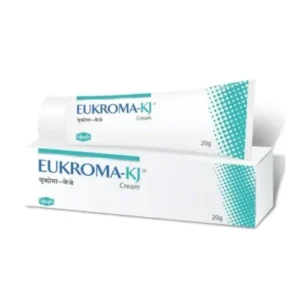
Eukroma KJ Cream 20gm (Hydroquinone & Kojic Acid)
Active Ingredient Hydroquinone Manufacturer Yash Pharma Laboratories Pvt Ltd Packaging 20g in tube Strength 20g Delivery Time 6 To 15 days SKU: Eukroma KJ Cream 20gm (Hydroquinone/Kojic Acid) Price range: $11.00 through $57.00Eukroma KJ Cream 20gm (Hydroquinone & Kojic Acid)
Price range: $11.00 through $57.00 -

Eukroma Cream 20gm (Hydroquinone)
Active Ingredient Hydroquinone Manufacturer Yash Pharma Laboratories Pvt Ltd Packaging 20g in tube Strength 20g Delivery Time 6 To 15 days SKU: Eukroma Cream 20gm (Hydroquinone) Price range: $5.00 through $23.00Eukroma Cream 20gm (Hydroquinone)
Price range: $5.00 through $23.00 -
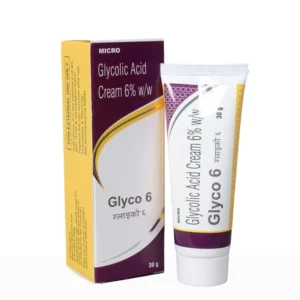
Glyco 6 Cream (Glycolic Acid)
Active Ingredient Glycolic Acid Manufacturer Micro Labs Limited Packaging 30gm in 1 tube Strength 6% Delivery Time 6 To 15 days SKU: Glyco 6 Cream (Glycolic Acid) Price range: $6.00 through $32.00Glyco 6 Cream (Glycolic Acid)
Price range: $6.00 through $32.00 -

Hyde Solution 50 Ml (Hydroquinone)
Active Ingredient Hydroquinone Manufacturer Menarini India Pvt Ltd Packaging 50ml in bottle Strength 5% Delivery Time 6 To 15 days SKU: Hyde Solution 50 Ml (Hydroquinone) Price range: $14.00 through $76.00Hyde Solution 50 Ml (Hydroquinone)
Price range: $14.00 through $76.00 -
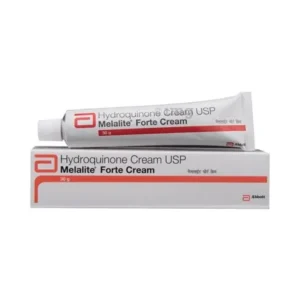
Melalite Forte Cream (Hydroquinone)
Active Ingredient Hydroquinone Manufacturer Abbott India Pvt Ltd Packaging 30gm in 1 tube Strength 4% Delivery Time 6 To 15 days SKU: Melalite Forte Cream (Hydroquinone) Price range: $5.00 through $27.00Melalite Forte Cream (Hydroquinone)
Price range: $5.00 through $27.00 -
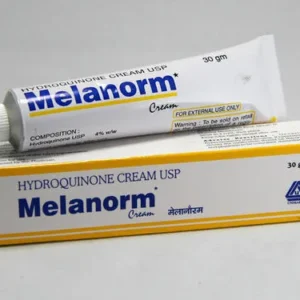
Melanorm Cream (Hydroquinone)
Active Ingredient Hydroquinone Manufacturer Unimarck Healthcare Packaging 15g Tube, 30g tube Strength 4% Delivery Time 6 To 15 days SKU: Melanorm Cream (Hydroquinone) Price range: $8.00 through $40.00Melanorm Cream (Hydroquinone)
Price range: $8.00 through $40.00