
Jaundice Medicines: Understanding Treatment Options:-
Category Overview:-
Jaundice medicines refer to treatments used to address the underlying causes and symptoms of jaundice, a condition characterized by yellowing of the skin and whites of the eyes due to elevated bilirubin levels in the blood. These medications are prescribed based on the specific cause of jaundice, which may range from liver dysfunction and bile duct obstruction to blood disorders or infections.
Healthcare providers prescribe medicines in this category to treat the root cause of jaundice rather than the yellowing itself, as jaundice is typically a symptom of an underlying condition. Treatment approaches vary significantly depending on whether the cause is hepatic (liver-related), pre-hepatic (related to excessive red blood cell breakdown), or post-hepatic (related to bile duct obstruction or gallbladder problems).
Conditions Treated:-
Medicines in this category are used to manage various conditions that lead to jaundice, including:
Liver-Related Conditions: Hepatitis (viral, alcoholic, or autoimmune), cirrhosis, fatty liver disease, and drug-induced liver injury may require specific medications to reduce inflammation, protect liver cells, or manage complications.
Bile Duct and Gallbladder Issues: Obstructive jaundice caused by gallstones, bile duct strictures, or pancreatic conditions may require medications to dissolve stones, reduce infection risk, or manage symptoms before or after surgical intervention.
Blood Disorders: Hemolytic anemias and other conditions causing excessive breakdown of red blood cells may require treatments to address the underlying blood disorder.
Infections: Certain bacterial, viral, or parasitic infections affecting the liver or bile ducts require antimicrobial therapy.
Neonatal Jaundice: In newborns, specific treatments may be used when phototherapy alone is insufficient.
Types of Medicines in This Category:-
Hepatoprotective Agents-
Medications that protect liver cells from damage and support liver function recovery. These are commonly used in various forms of hepatitis and liver disease.
Antiviral Medications-
Used specifically for viral hepatitis infections (Hepatitis A, B, or C) to reduce viral load and prevent liver damage progression.
Ursodeoxycholic Acid (UDCA)-
A bile acid that helps dissolve certain types of gallstones and treats specific liver conditions involving impaired bile flow.
Antibiotics-
Prescribed when bacterial infections of the liver or bile ducts contribute to jaundice.
Corticosteroids and Immunosuppressants-
Used in autoimmune liver conditions where the body’s immune system attacks liver tissue.
Chelating Agents-
Employed in conditions like Wilson’s disease, where copper accumulation damages the liver.
Supportive Medications-
Including vitamins (especially vitamin K), supplements, and medications to manage complications such as itching, fluid retention, or hepatic encephalopathy.
How These Medicines Work?
Medicines for jaundice work through different mechanisms depending on the underlying cause:
Liver Protection: Some medications contain antioxidants and compounds that stabilize liver cell membranes, reduce inflammation, and promote liver cell regeneration.
Viral Suppression: Antiviral drugs interfere with the replication cycle of hepatitis viruses, allowing the liver to heal and reducing long-term damage.
Bile Flow Improvement: Certain medications increase bile flow or change bile composition, helping to dissolve stones or reduce toxic bile acid accumulation.
Immune Modulation: In autoimmune conditions, medications reduce inappropriate immune responses that damage liver tissue.
Infection Treatment: Antibiotics eliminate bacterial infections that may obstruct bile flow or directly damage liver tissue.
The primary goal is to address the root cause of elevated bilirubin levels rather than treating the yellowing symptom itself. As the underlying condition improves, bilirubin levels typically normalize, and jaundice resolves.
Who May Benefit From This Category?
Healthcare providers may prescribe medicines from this category to:
Adults with Liver Disease: Individuals diagnosed with hepatitis, cirrhosis, fatty liver disease, or other liver conditions causing impaired bilirubin processing.
Patients with Bile Duct Obstruction: Those with gallstones, bile duct strictures, or tumors affecting bile flow who require medical management.
People with Hemolytic Disorders: Patients whose jaundice results from excessive breakdown of red blood cells.
Individuals with Infections: Those with bacterial, viral, or parasitic infections affecting liver function.
Newborns with Prolonged Jaundice: Infants whose jaundice persists beyond normal timeframes or reaches concerning levels may require specific medications under strict pediatric supervision.
Post-Surgical Patients: Individuals recovering from gallbladder or bile duct surgery who need support for bile flow normalization.
It’s essential to understand that jaundice always requires professional medical evaluation to determine its cause before any treatment begins.
Important Safety Information:-
Medical Evaluation is Essential-
Jaundice always indicates an underlying health issue that requires proper diagnosis. Self-medication without knowing the cause can be dangerous and may delay critical treatment.
Prescription Requirements-
Most medicines in this category require a prescription and ongoing medical supervision. The specific medication depends entirely on diagnostic test results, including blood tests, imaging studies, and sometimes liver biopsies.
Who Should Exercise Caution-
Certain individuals require special consideration:
– Pregnant or breastfeeding women
– People with existing kidney problems
– Individuals with known drug allergies
– Patients taking multiple medications (drug interaction risks)
– Those with severe liver failure
– Children and elderly patients
Potential Complications-
Untreated or improperly treated jaundice can lead to serious complications, including liver failure, bleeding disorders, brain damage (in severe cases), and other life-threatening conditions.
Alcohol and Lifestyle Considerations-
Many liver conditions require complete alcohol avoidance. Patients should discuss all lifestyle factors with their healthcare provider.
Usage Guidance (General):-
Treatment for jaundice is highly individualized and must be prescribed by a qualified healthcare provider after proper diagnosis.
Dosage Determination: The appropriate medication type, dosage, and duration depend on factors including the specific diagnosis, severity of condition, patient age and weight, other health conditions, and response to treatment.
Administration Instructions: Some medications require taking with food, while others must be taken on an empty stomach. Timing of doses can be crucial for effectiveness.
Treatment Duration: Some conditions require short-term treatment (weeks), while chronic liver diseases may need long-term or lifelong medication management.
Monitoring Requirements: Regular blood tests and medical check-ups are typically necessary to assess treatment response and adjust medications as needed.
Adherence Importance: Completing the full course of prescribed medication is critical, even if jaundice symptoms improve. Stopping treatment prematurely can lead to relapse or worsening of the underlying condition.
Never adjust dosages or stop medications without consulting your healthcare provider.
Side Effects & Risks (General Overview):-
Like all medications, treatments for conditions causing jaundice may produce side effects. The specific side effects depend on the medication prescribed.
Common Side Effects-
– Digestive upset (nausea, diarrhea, abdominal discomfort)
– Fatigue or weakness
– Headache
– Changes in appetite
– Mild skin reactions
Serious Side Effects Requiring Immediate Medical Attention-
– Worsening jaundice or new onset of yellowing
– Severe abdominal pain
– Dark urine or pale stools (new or worsening)
– Unusual bleeding or bruising
– Confusion or changes in mental state
– Severe allergic reactions (rash, swelling, difficulty breathing)
– Persistent vomiting
Drug Interactions-
Many medications used for liver and bile conditions can interact with other drugs, herbal supplements, or foods. Always inform your healthcare provider of all substances you’re taking.
Long-Term Considerations-
Some treatments require monitoring for effects on blood counts, kidney function, or other organ systems during extended use.
Report any new or concerning symptoms to your healthcare provider promptly. Do not discontinue prescribed medications without medical guidance, even if side effects occur.
Choosing the Right Medicine:-
Selecting appropriate treatment for jaundice is a medical decision that should never be made without professional guidance.
Diagnosis Comes First: Proper treatment requires accurate identification of what’s causing jaundice through blood tests, imaging studies, and sometimes specialized procedures.
Individual Factors Matter: Your healthcare provider considers your complete medical history, current medications, allergies, other health conditions, age, and specific circumstances when prescribing treatment.
Multiple Approaches May Be Needed: Some patients require combination therapy or may need to try different medications before finding the most effective approach.
Role of Specialists: Depending on the cause, you may need care from hepatologists (liver specialists), gastroenterologists, hematologists, or infectious disease specialists.
Pharmacist Consultation: Your pharmacist can provide valuable information about how to take prescribed medications, potential interactions, and what to expect, but cannot diagnose or recommend treatments independently.
Online Pharmacy Verification: When obtaining medicines online, ensure the pharmacy requires valid prescriptions and is properly licensed and regulated.
Never purchase medications for jaundice without a prescription or proper medical evaluation.
Storage & Handling Advice:-
Proper storage of medicines ensures their effectiveness and safety:
Temperature Control: Most medications should be stored at room temperature (15-25°C or 59-77°F) unless otherwise specified. Some may require refrigeration.
Moisture Protection: Keep medicines in their original containers with lids tightly closed. Avoid storing in bathrooms where humidity is high.
Light Exposure: Many medications degrade when exposed to direct sunlight. Store in a dark, dry place.
Child Safety: Keep all medicines out of reach and sight of children, preferably in a locked cabinet.
Separation from Food: Store medications separately from food items to prevent accidental ingestion or contamination.
Expiration Dates: Check expiration dates regularly and dispose of expired medications properly through pharmacy take-back programs.
Travel Considerations: When traveling, keep medications in original containers with labels. For temperature-sensitive medicines, use appropriate cooling packs if necessary.
Disposal: Do not flush medicines down the toilet or throw them in regular trash. Use designated medication disposal programs or pharmacy return services.
Frequently Asked Questions?
Can jaundice be treated with over-the-counter medicines?
No. Jaundice is always a symptom of an underlying condition that requires medical diagnosis and prescription treatment. Over-the-counter medications cannot treat the causes of jaundice and may potentially worsen some liver conditions. Always seek medical evaluation if you develop yellowing of the skin or eyes.
How long does it take for jaundice to resolve with medication?
The resolution time varies significantly depending on the underlying cause. Jaundice from some viral infections may improve within weeks, while chronic liver conditions may require months of treatment before bilirubin levels normalize. Some conditions require long-term management. Your healthcare provider can give you a more specific timeline based on your diagnosis.
Are jaundice medicines safe during pregnancy?
This depends entirely on the specific medication and the severity of the condition. Some treatments for liver conditions are safe during pregnancy, while others must be avoided. Pregnant women with jaundice require careful medical management, as both untreated jaundice and certain medications can pose risks to mother and baby. Immediate medical consultation is essential.
Can I drink alcohol while taking medicines for jaundice?
In most cases, alcohol should be completely avoided when being treated for conditions causing jaundice. Alcohol places additional stress on the liver and can worsen liver damage, interfere with medication effectiveness, and potentially cause dangerous interactions. Follow your healthcare provider’s specific advice regarding alcohol consumption.
Medical Disclaimer:-
Important Notice: The information provided on this page is intended for educational purposes only and should not be considered medical advice, diagnosis, or treatment recommendations.
Not a Substitute for Professional Care: This content cannot replace the expertise, judgment, and care provided by qualified healthcare professionals. Jaundice is a serious medical symptom that always requires proper medical evaluation and diagnosis before any treatment begins.
Individual Circumstances Vary: Medical conditions, treatment responses, and medication requirements differ significantly between individuals. Information presented here represents general educational content about medicine categories and cannot address your specific health situation.
Consult Healthcare Providers: Always consult with a licensed physician, hepatologist, or other qualified healthcare provider before starting, stopping, or changing any medication. Only medical professionals who have examined you and reviewed your complete medical history can provide appropriate treatment recommendations.
Emergency Situations: If you experience severe symptoms such as intense abdominal pain, confusion, significant bleeding, difficulty breathing, or rapidly worsening jaundice, seek emergency medical attention immediately.
Prescription Requirements: Medicines in this category require valid prescriptions from licensed healthcare providers. Our pharmacy dispenses medications only with legitimate prescriptions and in compliance with all applicable regulations.
No Guarantees: Treatment outcomes cannot be guaranteed. Individual responses to medications vary, and success depends on many factors, including accurate diagnosis, appropriate medication selection, proper usage, and the nature of the underlying condition.
Reporting Adverse Effects: If you experience unexpected side effects or adverse reactions to any medication, report them to your healthcare provider and relevant regulatory authorities.
This content was last reviewed in December 2024 and represents current general medical understanding. Medical knowledge continually evolves, and treatment approaches may change as new research emerges.
For Medical Guidance: Contact your physician, pharmacist, or healthcare provider.
For Pharmacy Services: Ensure you’re working with licensed, regulated pharmacy services that require valid prescriptions and provide appropriate pharmaceutical care.
Your health and safety are paramount. Please use this information responsibly and in consultation with qualified medical professionals.
-
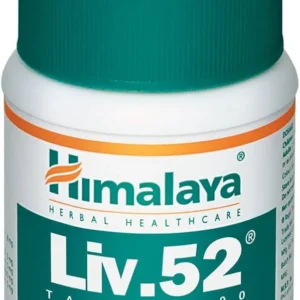
Liv 52 (Ayurvedic)
Active Ingredient Ayurvedic Manufacturer Himalaya Drug Company Packaging 52 Tablets in Bottle Delivery Time 6 To 15 days SKU: Liv 52 (Ayurvedic) Price range: $6.00 through $14.00Liv 52 (Ayurvedic)
Price range: $6.00 through $14.00