
Melasma Treatment Medicines: Complete Category Guide:-
Category Overview:-
Melasma treatment medicines represent a specialized group of pharmaceutical and dermatological products prescribed to manage hyperpigmentation disorders affecting the skin. These medications are designed to reduce the appearance of dark, discolored patches that typically develop on sun-exposed areas of the face, including the cheeks, forehead, bridge of the nose, and upper lip.
Healthcare providers prescribe these treatments when melasma significantly affects a patient’s quality of life or does not respond adequately to sun protection alone. The medicines in this category work through various mechanisms to address the underlying causes of excess melanin production and distribution in the skin. Treatment is typically individualized based on the severity of pigmentation, skin type, patient history, and response to initial interventions.
Medical professionals commonly recommend these treatments as part of a comprehensive management plan that includes photoprotection, lifestyle modifications, and regular dermatological monitoring.
Conditions Treated:-
Medicines in this category are primarily prescribed for the following dermatological conditions:
Melasma (Chloasma)-
A common skin condition characterized by brown or gray-brown patches, most frequently affecting women during reproductive years. The condition often appears symmetrically on both sides of the face and can be triggered or worsened by hormonal changes, sun exposure, or certain medications.
Pregnancy-Related Pigmentation-
Sometimes called “the mask of pregnancy,” this form of hyperpigmentation develops during pregnancy due to hormonal fluctuations. While it may fade postpartum, some individuals require medical treatment for persistent patches.
Post-Inflammatory Hyperpigmentation-
In some cases, these medicines may be used to address darkened areas that develop after skin inflammation, injury, or acne, particularly when combined with melasma.
Healthcare providers assess each patient individually to determine the most appropriate treatment approach based on the specific presentation and underlying causes of pigmentation.
Types of Medicines in This Category:-
Melasma treatment medicines encompass several distinct therapeutic approaches:
Topical Depigmenting Agents-
These are creams, gels, or lotions applied directly to affected skin areas. They represent the first-line treatment option for most patients and include various active ingredients that work to lighten pigmentation gradually.
Combination Formulations-
Some prescription products combine multiple active ingredients in a single preparation to enhance effectiveness and target different aspects of melanin production simultaneously.
Adjunctive Therapies-
Certain medications may be prescribed alongside primary treatments to support skin health, enhance penetration of active ingredients, or address specific concerns like inflammation or skin texture.
Chemical Peeling Agents-
Professional-use formulations applied by healthcare providers during in-office treatments to promote controlled exfoliation and pigment reduction.
Oral Medications-
In select cases, systemic treatments may be prescribed to address underlying factors contributing to melasma, though these are less commonly used than topical options.
The choice between these types depends on melasma severity, skin sensitivity, patient preferences, and response to previous treatments.
How These Medicines Work?
Melasma treatment medicines employ several mechanisms to reduce hyperpigmentation:
Inhibiting Melanin Production
Many medications in this category work by interfering with the biochemical processes that produce melanin, the pigment responsible for skin color. By slowing or reducing melanin synthesis in affected areas, these treatments gradually lighten dark patches over time.
Promoting Cell Turnover
Some medicines accelerate the natural shedding of pigmented skin cells and promote the development of new, more evenly toned skin. This process helps remove existing pigmentation while preventing new dark patches from forming.
Reducing Inflammation
Certain treatments address the inflammatory processes that can trigger or worsen melasma, helping to calm the skin and prevent further pigmentation.
Blocking Transfer Mechanisms
Advanced formulations may work by preventing the transfer of melanin from pigment-producing cells to surrounding skin cells, limiting the spread and intensity of discoloration.
Most treatments require consistent use over several weeks to months before visible improvement becomes apparent, as skin naturally renews itself gradually. The effects are cumulative, and results improve with continued appropriate use under medical supervision.
Who May Benefit From This Category?
Healthcare providers may prescribe melasma treatment medicines for patients who:
– Have been diagnosed with melasma or significant facial hyperpigmentation by a qualified dermatologist or healthcare professional
– Experience persistent dark patches that do not improve with sun protection alone
– Have completed an appropriate evaluation to rule out other causes of skin discoloration
– Are willing to commit to long-term treatment and strict sun protection measures
– Have realistic expectations about treatment timelines and outcomes
– Are not pregnant or breastfeeding, unless specifically approved by their healthcare provider
– Do not have contraindications to the specific medications being considered
Melasma most commonly affects women between the ages of 20 and 50, particularly those with darker skin tones, but it can occur in anyone. Individuals with a family history of melasma, those who have experienced hormonal changes, or people with significant sun exposure may be more likely to develop this condition.
It is important to understand that melasma is a chronic condition that requires ongoing management. Not everyone will achieve complete clearance, and maintenance therapy is often necessary to prevent recurrence.
Important Safety Information:-
General Precautions-
Medicines in this category require careful use under professional guidance. Patients should inform their healthcare provider about all medical conditions, current medications, and any history of skin sensitivity before beginning treatment.
Who Should Exercise Caution?
Certain individuals require special consideration before using melasma treatments:
Pregnant or breastfeeding women: Many depigmenting agents are not recommended during pregnancy or lactation. Always consult your healthcare provider about safe alternatives.
Individuals with sensitive skin: Some treatments may cause irritation, redness, or peeling, particularly during initial use.
People with active skin infections: Treatment should typically be delayed until infections are resolved.
Patients with certain skin conditions: Those with eczema, rosacea, or other dermatological conditions may need modified treatment approaches.
Sun Exposure and Protection-
All patients using melasma treatments must understand that strict sun protection is essential. UV exposure can reverse treatment progress and worsen pigmentation. Daily use of broad-spectrum sunscreen (SPF 30 or higher), protective clothing, and sun avoidance during peak hours are non-negotiable components of successful treatment.
Potential Risks-
While generally safe when used appropriately, these medicines can cause adverse effects, including skin irritation, redness, dryness, or temporary darkening of treated areas. In rare cases, inappropriate use may lead to permanent skin discoloration or other complications.
Why Medical Guidance Matters-
Self-treatment of melasma without proper diagnosis and supervision can be ineffective or harmful. Professional evaluation ensures correct diagnosis, appropriate product selection, and monitoring for adverse effects or treatment response.
Usage Guidance (General):-
Melasma treatment medicines must be used exactly as prescribed by your healthcare provider. There is no standard dosage or application schedule that applies to all patients, as treatment plans are highly individualized.
General Principles-
Follow instructions precisely: Apply treatments only to affected areas unless directed otherwise.
Be patient: Visible improvement typically requires 8-12 weeks or longer of consistent use.
Start gradually: Some providers recommend beginning with less frequent application to allow skin to adjust.st
Maintain consistency: Regular use as directed is essential for effectiveness.
Continue sun protection: This is arguably more important than the medication itself.f
Attend follow-up appointments: Regular monitoring ensures treatment is working safely and effective.ly
What to Expect?
Most patients experience some degree of skin sensitivity during initial treatment. Mild dryness, slight redness, or temporary increased sensitivity are common and often resolve as skin adjusts. However, severe reactions should be reported to your healthcare provider immediately.
Results vary significantly among individuals. Some patients see noticeable improvement within a few months, while others require longer treatment periods. Complete clearance may not be achievable for everyone, and maintenance therapy is typically necessary to sustain results.
Never share your prescribed medicines with others, even if they appear to have similar skin concerns. What is safe and effective for one person may be inappropriate or harmful for another.
Side Effects & Risks (General Overview):-
Common Side Effects-
Many patients experience mild, temporary side effects when beginning melasma treatment:
– Skin irritation, redness, or warmth in treated areas
– Dryness or flaking of the skin
– Mild burning or stinging sensation upon application
– Temporary darkening before lightning occurs
– Increased skin sensitivity to sun and skincare products
These effects often diminish as the skin adjusts to treatment. If they persist or worsen, consult your healthcare provider about adjusting your treatment regimen.
Less Common but Serious Reactions-
While rare, when medicines are used appropriately, more significant adverse effects can occur:
– Severe allergic reactions (rash, itching, swelling, difficulty breathing)
– Ochronosis (blue-black darkening of the skin with prolonged inappropriate use)
– Significant skin thinning or changes in skin texture
– Persistent irritation or inflammation
– Unwanted lightening of surrounding normal skin
When to Seek Medical Attention-
Contact your healthcare provider if you experience:
– Severe burning, stinging, or pain
– Signs of skin infection (warmth, swelling, pus, or increasing redness)
– Allergic reaction symptoms
– Unexpected or concerning changes in skin appearance
– Side effects that interfere with your daily activities
Minimizing Risk-
To reduce the likelihood of adverse effects:
– Use only the amount prescribed
– Apply treatments to clean, dry skin as directed
– Avoid using multiple potentially irritating products simultaneously
– Introduce new products gradually
– Report all side effects to your healthcare provider
– Never exceed recommended application frequency or amount
Choosing the Right Medicine:-
Selecting an appropriate melasma treatment requires professional expertise and cannot be done through self-assessment alone.
Factors Healthcare Providers Consider-
Your dermatologist or healthcare provider will evaluate multiple factors before recommending a specific treatment:
Melasma type and severity: The depth, extent, and pattern of pigmentation influence treatment selection
Skin type and tone: Different medications work better for different skin types; some carry higher risks for certain skin tones
Medical and pregnancy history: This affects which medicines are safe for you
Lifestyle factors: Your ability to avoid sun exposure and maintain strict photoprotection
Previous treatment responses: What has or hasn’t worked in the past
Concurrent medications: Potential interactions with other drugs you’re taking
Cost and accessibility: Treatment affordability and commitment level
The Importance of Professional Consultation-
Attempting to self-select melasma treatments without professional guidance often leads to:
– Incorrect diagnosis (not all facial darkening is melasma)
– Inappropriate product selection for your specific situation
– Ineffective treatment, wasted time, and money
– Potential worsening of pigmentation
– Serious side effects from improper use
– Missed opportunities for more effective treatment approaches
Working With Your Healthcare Provider-
A successful treatment relationship involves:
– Being honest about your expectations and concerns
– Asking questions about recommended treatments
– Discussing any financial or practical barriers to treatment
– Reporting your experience with prescribed medicines accurately
– Following through with recommended follow-up appointments
– Being patient with the treatment process
Your healthcare provider may adjust your treatment plan based on your response, and this is a normal part of managing melasma effectively.
Storage & Handling Advice:-
Proper storage and handling of melasma treatment medicines ensure their effectiveness and safety.
General Storage Guidelines-
Temperature: Store most melasma treatments at room temperature (between 20-25°C or 68-77°F) unless otherwise specified
Light exposure: Keep medications in their original containers, which are designed to protect contents from light degradation
Moisture: Store in a dry location; avoid bathroom storage due to humidity from showers
Container integrity: Keep containers tightly closed when not in use
Safety Considerations-
Keep out of reach of children: Many melasma treatments can be harmful if accidentally ingested or applied by children
Avoid eye contact: These medicines are designed for skin use only and can cause serious irritation if they come into ontact eyes
Hand hygiene: Wash hands before and after applying treatments unless using applicators
Expiration dates: Do not use medicines past their expiration date, as they may be ineffective or unsafe
Disposal-
When treatments expire or are no longer needed:
– Do not flush medications down the toilet unless specifically instructed to do so
– Check with your pharmacist about medication take-back programs in your area
– If no take-back program is available, follow specific disposal instructions provided with your medication
– Remove personal information from containers before disposal
Travel Considerations-
When traveling with melasma treatments:
– Keep medications in carry-on luggage to avoid temperature extremes in checked baggage
– Bring copies of prescriptions when traveling internationally
– Be aware that some formulations may require special handling or have restrictions in certain countries
Frequently Asked Questions?
How long does it take for melasma treatments to work?
Most patients begin to see some improvement after 8-12 weeks of consistent use, though complete results often require 3-6 months or longer. Melasma is a chronic condition that responds gradually to treatment. The timeline varies significantly based on the severity of pigmentation, the specific medications used, skin type, and how strictly you follow sun protection measures. Some individuals may see faster results, while others need more extended treatment periods. Patience and consistency are essential. If you see no improvement after several months of proper use, consult your healthcare provider about adjusting your treatment plan.
Can melasma treatment completely cure my pigmentation permanently?
Melasma is a chronic, recurrent condition rather than a disease that can be “cured” permanently. While treatment can significantly lighten or even clear visible pigmentation, melasma has a strong tendency to return, especially with sun exposure or hormonal changes. Most patients require ongoing maintenance therapy to keep pigmentation under control. Think of melasma treatment as long-term management rather than a one-time fix. Success depends on continued adherence to treatment and, most importantly, strict lifelong sun protection. Even after achieving clear skin, the underlying tendency toward melasma remains, and triggers can reactivate the condition.
Is it safe to use melasma treatments during pregnancy or while breastfeeding?
Many common melasma treatment ingredients are not recommended during pregnancy or breastfeeding due to insufficient safety data or known risks. However, melasma frequently develops or worsens during pregnancy due to hormonal changes. If you are pregnant, planning to become pregnant, or breastfeeding, it is essential to consult with your healthcare provider before using any melasma treatment. They can recommend safe alternatives, typically focusing on rigorous sun protection and gentle skincare until after pregnancy and breastfeeding are complete. Never assume a product is safe during pregnancy without explicit medical guidance, even if it’s available over-the-counter.
Why is sun protection so important when treating melasma?
Sun protection is not just helpful for melasma treatment—it is absolutely fundamental and arguably more important than the medication itself. Ultraviolet radiation stimulates the melanin-producing cells that cause melasma, directly counteracting the effects of treatment. Even brief, incidental sun exposure can trigger pigmentation. Without diligent sun protection, melasma treatments will be largely ineffective, and pigmentation may worsen. You must use broad-spectrum sunscreen (SPF 30 or higher) daily, reapply every two hours when outdoors, wear protective clothing and wide-brimmed hats, and avoid peak sun hours. Patients who are inconsistent with sun protection rarely achieve satisfactory results, regardless of which treatments they use.
Medical Disclaimer:-
This content is provided for informational and educational purposes only and is not intended to replace professional medical advice, diagnosis, or treatment. The information presented about melasma treatment medicines is general in nature and may not apply to your individual circumstances.
Always consult with a qualified healthcare provider before starting, stopping, or changing any treatment for melasma or any other medical condition. Only a licensed dermatologist or healthcare professional can properly diagnose melasma, distinguish it from other skin conditions, and recommend appropriate treatment based on your specific situation, medical history, skin type, and individual needs.
This content does not:
– Constitute medical advice or establish a patient-provider relationship
– Replace the need for in-person examination and evaluation by a healthcare professional
– Provide specific treatment recommendations or dosage instructions
– Guarantee any particular outcome from treatment
– Cover all possible uses, precautions, drug interactions, or adverse effects
Individual results vary significantly. What works well for one patient may not be appropriate or effective for another. Treatment decisions should be made collaboratively between you and your healthcare provider based on your unique circumstances.
In case of emergency or serious adverse reactions to any medication, contact your healthcare provider immediately or seek emergency medical care. Do not rely on internet information when experiencing severe symptoms.
Product availability and regulations regarding melasma treatment medicines may vary by country and region. Always ensure that you are obtaining medications from legitimate, licensed pharmacies with valid prescriptions when required.
By using this information, you acknowledge that you understand these limitations and agree to consult appropriate healthcare professionals for personalized medical guidance.
-
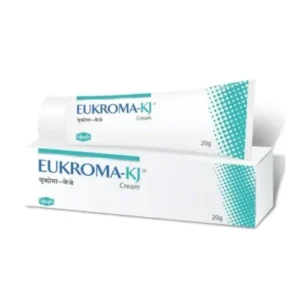
Eukroma KJ Cream 20gm (Hydroquinone & Kojic Acid)
Active Ingredient Hydroquinone Manufacturer Yash Pharma Laboratories Pvt Ltd Packaging 20g in tube Strength 20g Delivery Time 6 To 15 days SKU: Eukroma KJ Cream 20gm (Hydroquinone/Kojic Acid) Price range: $11.00 through $57.00Eukroma KJ Cream 20gm (Hydroquinone & Kojic Acid)
Price range: $11.00 through $57.00 -

Eukroma Cream 20gm (Hydroquinone)
Active Ingredient Hydroquinone Manufacturer Yash Pharma Laboratories Pvt Ltd Packaging 20g in tube Strength 20g Delivery Time 6 To 15 days SKU: Eukroma Cream 20gm (Hydroquinone) Price range: $5.00 through $23.00Eukroma Cream 20gm (Hydroquinone)
Price range: $5.00 through $23.00 -
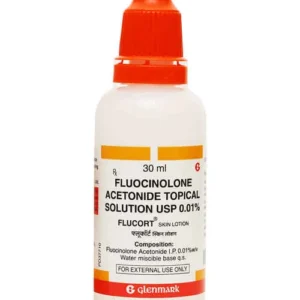
Flucort Skin Lotion 30ml (Fluocinolone)
Active Ingredient Fluocinolone Manufacturer Glenmark Pharmaceuticals Ltd. Packaging 30 ml in 1 bottle Strength 30ml Delivery Time 6 To 15 days SKU: Flucort Skin Lotion 30ml (Fluocinolone) Price range: $7.00 through $36.00Flucort Skin Lotion 30ml (Fluocinolone)
Price range: $7.00 through $36.00 -

Hyde Solution 50 Ml (Hydroquinone)
Active Ingredient Hydroquinone Manufacturer Menarini India Pvt Ltd Packaging 50ml in bottle Strength 5% Delivery Time 6 To 15 days SKU: Hyde Solution 50 Ml (Hydroquinone) Price range: $14.00 through $76.00Hyde Solution 50 Ml (Hydroquinone)
Price range: $14.00 through $76.00 -
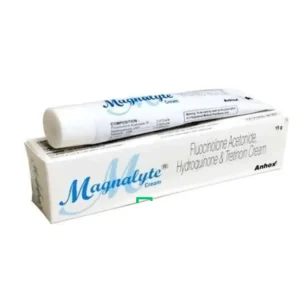
Magnalyte Plus Cream (Flucinolone Acetonide, Hydroquinone & Tretinoin)
Active Ingredient Flucinolone Acetonide/Hydroquinone/Tretinoin Manufacturer Anhox Healthcare Pvt Ltd Packaging 15 gm in 1 tube Strength 15gm Delivery Time 6 To 15 days SKU: Magnalyte Plus Cream (Flucinolone Acetonide/Hydroquinone/Tretinoin) Price range: $8.00 through $40.00Magnalyte Plus Cream (Flucinolone Acetonide, Hydroquinone & Tretinoin)
Price range: $8.00 through $40.00 -
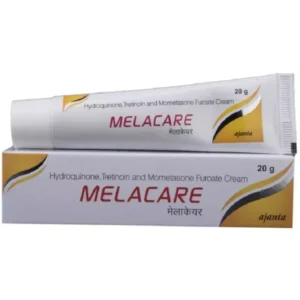
Melacare Cream (Hydroquinone, Tretinoin & Mometasone)
Active Ingredient Hydroquinone/Tretinoin/Mometasone Manufacturer Ajanta Pharma Ltd Packaging 20g Tube Strength 20g Delivery Time 6 To 15 days SKU: Melacare Cream (Hydroquinone/Tretinoin/Mometasone) Price range: $8.00 through $41.00Melacare Cream (Hydroquinone, Tretinoin & Mometasone)
Price range: $8.00 through $41.00 -
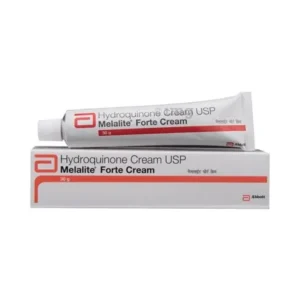
Melalite Forte Cream (Hydroquinone)
Active Ingredient Hydroquinone Manufacturer Abbott India Pvt Ltd Packaging 30gm in 1 tube Strength 4% Delivery Time 6 To 15 days SKU: Melalite Forte Cream (Hydroquinone) Price range: $5.00 through $27.00Melalite Forte Cream (Hydroquinone)
Price range: $5.00 through $27.00 -
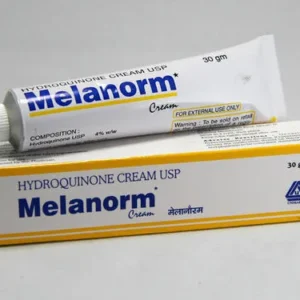
Melanorm Cream (Hydroquinone)
Active Ingredient Hydroquinone Manufacturer Unimarck Healthcare Packaging 15g Tube, 30g tube Strength 4% Delivery Time 6 To 15 days SKU: Melanorm Cream (Hydroquinone) Price range: $8.00 through $40.00Melanorm Cream (Hydroquinone)
Price range: $8.00 through $40.00 -
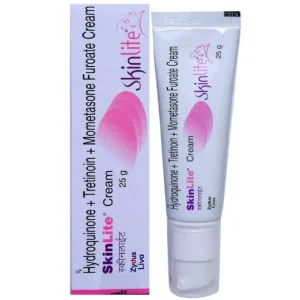
Skinlite Cream (Hydroquinone, Tretinoin & Mometasone)
Active Ingredient Hydroquinone/Tretinoin/Mometasone Manufacturer Zydus Cadila Pharma Packaging 20 gm in 1 tube Strength 20g Delivery Time 6 to 15 days SKU: Skinlite Cream (Hydroquinone/Tretinoin/Mometasone) Price range: $8.00 through $39.00Skinlite Cream (Hydroquinone, Tretinoin & Mometasone)
Price range: $8.00 through $39.00 -
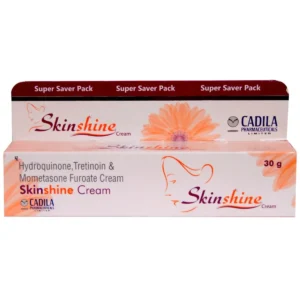
Skinshine Cream (Hydroquinone, Tretinoin & Mometasone)
Active Ingredient Hydroquinone/Tretinoin/Mometasone Manufacturer Cadila Pharmaceuticals Ltd. Packaging 15 gm in 1 tube Strength 15gm Delivery Time 6 To 15 days SKU: Skinshine Cream (Hydroquinone/Tretinoin/Mometasone) Price range: $8.00 through $44.00Skinshine Cream (Hydroquinone, Tretinoin & Mometasone)
Price range: $8.00 through $44.00 -

Tri-Luma Cream (Fluocinolone, Hydroquinone & Tretinoin)
Active Ingredient Fluocinolone/Hydroquinone/Tretinoin Manufacturer Galderma India Pvt Ltd Packaging 15 gm in 1 tube Strength 15gm Delivery Time 6 To 15 days SKU: Tri-Luma Cream (Fluocinolone/Hydroquinone/Tretinoin) Price range: $16.00 through $84.00Tri-Luma Cream (Fluocinolone, Hydroquinone & Tretinoin)
Price range: $16.00 through $84.00