
Nail Infections: Understanding Treatment Options:-
Category Overview:-
Nail infections represent a common group of conditions affecting the fingernails or toenails, requiring specialized antifungal or antibacterial treatments. Healthcare professionals prescribe medicines in this category when infections compromise nail health, cause discomfort, or risk spreading to surrounding tissue. These treatments work systemically or locally to eliminate the infectious organisms causing nail damage, discoloration, thickening, or separation from the nail bed.
Doctors commonly recommend these medicines because nail infections rarely resolve without medical intervention. The nail’s structure creates a protective environment where fungi and bacteria can thrive, making targeted pharmaceutical treatment necessary for complete resolution.
Conditions Treated:-
Medicines in this category address several types of nail infections:
Fungal Nail Infections (Onychomycosis) represent the most prevalent condition, where fungal organisms invade the nail plate, causing yellowing, thickening, crumbling, or white patches. These infections often begin at the nail edge and progressively spread if untreated.
Bacterial Nail Infections (Paronychia) affect the skin surrounding the nail, causing redness, swelling, pain, and sometimes pus formation. These infections may develop suddenly or persist as chronic conditions.
Yeast Infections can affect nails when Candida organisms multiply, particularly in individuals with compromised immune systems or those frequently exposing their hands to moisture.
Healthcare providers diagnose these conditions through clinical examination and may collect nail samples for laboratory testing to identify the specific infectious organism before prescribing treatment.
Types of Medicines in This Category:-
Nail infection treatments come in several forms, each suited to different infection types and severities:
Oral Antifungal Tablets work throughout the body to reach the nail bed through the bloodstream. These systemic treatments are often prescribed for moderate to severe fungal nail infections, typically taken over several weeks or months.
Topical Antifungal Solutions and Lacquers are applied directly to affected nails. These localized treatments work best for mild infections or as supplementary therapy alongside oral medicines.
Topical Antibacterial Creams or Ointments treat bacterial infections affecting the nail fold and surrounding skin, reducing inflammation and eliminating bacterial growth.
Combination Therapies may involve both oral and topical treatments to maximize effectiveness, particularly for stubborn or extensive infections.
The treatment approach depends on infection type, severity, number of affected nails, and individual patient factors.
How These Medicines Work?
Antifungal medicines function by disrupting the fungal cell structure or preventing fungal organisms from reproducing and spreading. Oral antifungals circulate through the bloodstream, accumulating in the nail bed as a new, healthy nail grows. This allows the medicine to attack the infection from within while healthy nail gradually replaces infected tissue.
Topical antifungal preparations penetrate the nail plate to reach fungal organisms underneath, creating an environment where fungi cannot survive. These medicines may also prevent infection from spreading to adjacent nails.
Antibacterial treatments work by eliminating bacterial organisms causing infection and inflammation around the nail. They reduce bacterial cell growth or destroy existing bacteria, allowing the body’s natural healing processes to restore normal tissue.
All these medicines require time to work because nails grow slowly. Fingernails typically take 6 months to fully replace themselves, while toenails may take 12-18 months, explaining why nail infection treatment often continues for extended periods.
Who May Benefit From This Category?
Healthcare providers may prescribe nail infection treatments for patients experiencing:
– Confirmed fungal or bacterial nail infections affecting one or multiple nails
– Persistent discoloration, thickening, or deformity of nails
– Pain or discomfort related to infected nails
– Risk of infection spreading to other nails or surrounding skin
– Nail infections affecting quality of life or daily activities
Certain individuals face higher risks for developing nail infections and may particularly benefit from prompt treatment:
– People with diabetes or circulatory disorders
– Individuals with weakened immune systems
– Those who frequently have wet hands or feet
– People with minor skin or nail injuries
– Individuals with previous nail infections
– Older adults experiencing age-related nail changes
A healthcare professional determines the most appropriate treatment based on infection type, severity, overall health status, and potential interactions with other medicines the patient takes.
Important Safety Information:-
Nail infection medicines require medical supervision to ensure safe and effective use. Several important considerations apply:
Medical Consultation is Essential before starting treatment. Self-diagnosis of nail infections can be inaccurate, as various conditions mimic infection symptoms. Laboratory confirmation helps ensure appropriate treatment selection.
Oral antifungal medicines are not suitable for everyone. People with certain liver conditions, heart problems, or those taking specific other medicines may need alternative treatments. Healthcare providers typically review medical history and may request blood tests before prescribing oral antifungals.
Pregnant or breastfeeding women should discuss nail infection treatment carefully with their doctor, as some medicines may not be recommended during these periods.
Drug interactions can occur, particularly with oral antifungal treatments. Patients must inform their healthcare provider about all medicines, supplements, and herbal products they use.
Liver function monitoring may be necessary during treatment with certain oral antifungals, as these medicines can occasionally affect liver enzymes.
Allergic reactions, though uncommon, can occur. Patients should seek immediate medical attention if they develop a rash, difficulty breathing, or swelling after starting treatment.
Treatment must continue for the full prescribed duration, even if nails appear improved, to prevent infection recurrence.
Usage Guidance (General):-
Nail infection treatment requires patience and adherence to medical guidance. Each medicine has specific usage instructions that patients must follow carefully.
For oral medicines, patients typically take tablets daily at the same time, with or without food, depending on the specific medicine. Missing doses or stopping treatment early can lead to treatment failure and infection recurrence.
For topical treatments, careful application technique ensuresthe medicine reaches the infected area. This often involves:
– Cleaning and filing affected nails before application
– Applying medicine to the entire nail surface and surrounding skin as directed
– Allowing adequate drying time
– Maintaining a regular application schedule without skipping doses
Treatment duration varies significantly based on infection severity and location. Fingernail infections typically require 6 weeks to 3 months of treatment, while toenail infections may need 3 to 6 months or longer.
Patients should attend all scheduled follow-up appointments so healthcare providers can monitor treatment progress and make any necessary adjustments.
Combining medical treatment with preventive measures enhances effectiveness: keeping nails clean and dry, wearing breathable footwear, avoiding nail trauma, and not sharing nail care tools with others.
Side Effects & Risks (General Overview):-
Like all medicines, nail infection treatments can cause side effects, though not everyone experiences them.
Common side effects of oral antifungals may include:
– Headache
– Digestive upset or nausea
– Skin rash or itching
– Changes in taste sensation
– Diarrhea or stomach discomfort
These effects are usually mild and temporary, but patients should report persistent or bothersome symptoms to their healthcare provider.
Serious side effects, while rare, require immediate medical attention:
– Severe skin reactions or widespread rash
– Yellowing of skin or eyes (jaundice)
– Unusual tiredness or weakness
– Dark urine or pale stools
– Persistent nausea or loss of appetite
– Signs of allergic reaction
Topical treatments generally cause fewer systemic side effects but may occasionally produce:
– Local skin irritation or redness
– Burning or stinging sensation at the application site
– Dry or flaky skin around the treated area
Healthcare providers weigh the benefits of treatment against potential risks when prescribing nail infection medicines. Patients should never hesitate to contact their doctor or pharmacist with concerns about side effects.
Choosing the Right Medicine:-
Selecting appropriate nail infection treatment is a medical decision that should never be made without professional guidance.
Healthcare providers consider multiple factors when prescribing:
– Type of infectious organism (confirmed through testing when possible)
– Severity and extent of infection
– Number of nails affected
– Patient’s overall health status
– Other medicines the patient takes
– Previous treatment responses
– Patient preferences and lifestyle factors
Self-treatment is not advisable for nail infections. Over-the-counter products may seem convenient, but without proper diagnosis, patients risk treating the wrong condition, delaying effective care, or using inappropriate medicines that fail to resolve the infection.
Pharmacists serve as valuable resources for patients with questions about prescribed nail infection treatments. They can clarify usage instructions, discuss potential interactions, and advise when to contact the prescribing doctor.
Patients should openly communicate with healthcare providers about their concerns, treatment preferences, and any difficulties following the prescribed regimen. Alternative options may be available if the first treatment choice proves unsuitable.
Storage & Handling Advice:-
Proper storage maintains the effectiveness and prevents accidental misuse.
General storage guidelines for nail infection medicines include:
– Store in original containers with labels intact
– Keep at room temperature unless directed otherwise
– Protect from excessive heat, moisture, and direct sunlight
– Ensure containers are tightly closed when not in use
– Check expiration dates regularly and dispose of expired medicines appropriately
Oral medicines should be stored out of reach of children and pets. Bathroom storage is often inadvisable due to humidity and temperature fluctuations.
Topical treatments, particularly nail lacquers, require secure cap closure to prevent evaporation and contamination. Applicator brushes should only touch the affected nail to avoid spreading infection.
Safe disposal of unused or expired nail infection medicines protects others and the environment. Many communities offer medicine take-back programs. Patients should never flush medicines down toilets or throw them in household trash without following specific disposal guidelines.
When traveling, patients should keep medicines in carry-on luggage when possible and carry prescriptions or doctor’s notes for oral antifungals, particularly when crossing international borders.
Frequently Asked Questions?
How long does nail infection treatment typically take to work?
Nail infection treatment requires significant time because nails grow slowly. Most patients begin seeing improvement within a few weeks to months, but complete nail replacement takes 6 months for fingernails and 12-18 months for toenails. Healthcare providers assess progress during follow-up visits, and treatment continues until the infection has fully cleared and a healthy nail has grown in. Stopping treatment prematurely often leads to infection recurrence.
Can I use nail polish while treating a nail infection?
This depends on the specific treatment prescribed. Some topical antifungal lacquers serve as the treatment itself and should not be covered with regular nail polish. With oral antifungal treatments, doctors may advise avoiding nail polish initially, as it can trap moisture and slow healing. Always ask your healthcare provider about cosmetic nail product use during treatment. If polish is permitted, use only your own products and applicators to avoid spreading infection.
Why do nail infections often come back after treatment?
Nail infections can recur for several reasons: incomplete treatment allowing some infectious organisms to survive, re-exposure to the source of infection, underlying health conditions that increase susceptibility, or poor nail hygiene practices. To reduce recurrence risk, patients should complete the full treatment course, address underlying risk factors, keep nails clean and dry, wear breathable footwear, and avoid walking barefoot in public areas. Anyone experiencing recurrent infections should discuss this with their healthcare provider.
Are oral antifungal medicines safe for everyone?
Oral antifungal medicines are effective but not suitable for all patients. People with certain liver conditions, heart problems, or those taking specific other medicines may not be candidates for oral treatment. Healthcare providers review medical history, current medicines, and may order blood tests before prescribing oral antifungals. Pregnant and breastfeeding women typically receive alternative treatments. Your doctor determines the safest treatment approach based on your individual circumstances.
Medical Disclaimer:-
This content is provided for educational and informational purposes only. It does not constitute medical advice, diagnosis, or treatment recommendations. Nail infections require professional medical evaluation and treatment.
Always consult a qualified healthcare provider before starting any treatment for nail infections. Only a doctor can diagnose your specific condition, determine appropriate treatment, prescribe medicines, and provide personalized medical advice based on your individual health status and circumstances.
The information presented here describes general categories of medicines and should not be used for self-diagnosis or self-treatment. Treatment decisions must be made in consultation with licensed healthcare professionals who can evaluate your specific situation.
If you experience symptoms of a nail infection or have concerns about nail health, contact your doctor or pharmacist promptly. In case of severe reactions to any medicine, seek emergency medical attention immediately.
This content does not replace the patient information leaflet provided with your prescribed medicine. Always read medicine labels, package inserts, and follow the specific instructions provided by your healthcare provider and pharmacist.
-
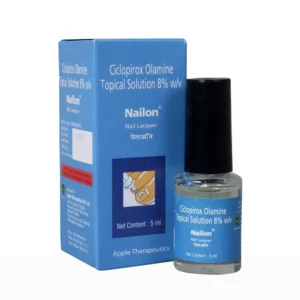
Nailon Nail Lacquer (Ciclopirox)
Active Ingredient Ciclopirox Manufacturer Apple Therapeutics Pvt Ltd Packaging 5 ml in 1 Bottle Strength 8% Delivery Time 6 To 15 days SKU: Nailon Nail Lacquer (Ciclopirox) Price range: $10.00 through $52.00Nailon Nail Lacquer (Ciclopirox)
Price range: $10.00 through $52.00