
Psoriasis Medicines: Understanding Your Treatment Options:-
Category Overview:-
Psoriasis medicines are treatments prescribed or recommended by healthcare professionals to manage psoriasis, a chronic autoimmune skin condition that affects millions of people worldwide. These medicines aim to reduce inflammation, slow the rapid growth of skin cells, and alleviate the uncomfortable symptoms associated with psoriasis, such as scaling, redness, and itching.
Doctors prescribe psoriasis treatments based on the severity of the condition, the type of psoriasis present, and how the patient has responded to previous therapies. The goal of treatment is not only to clear visible skin symptoms but also to improve the quality of life and reduce the risk of complications associated with chronic inflammation.
Conditions Treated:-
Medicines in this category are primarily used to manage various forms of psoriasis, including:
Plaque psoriasis: The most common type, characterized by raised, red patches covered with silvery scales
Guttate psoriasis: Small, drop-shaped lesions that often appear suddenly
Inverse psoriasis: Smooth, red patches in skin folds
Pustular psoriasis: White blisters surrounded by red skin
Erythrodermic psoriasis: A severe form causing widespread redness and shedding
Some psoriasis medicines may also be prescribed for related conditions such as psoriatic arthritis, where joint inflammation occurs alongside skin symptoms. These treatments address both the visible skin manifestations and the underlying immune system dysfunction that drives the condition.
Types of Medicines in This Category:-
Psoriasis treatments come in several forms, each suited to different severity levels and patient needs:
Topical Treatments-
Applied directly to the skin, these include corticosteroid creams, vitamin D analogues, retinoids, and moisturizers. Topical medicines are often the first line of treatment for mild to moderate psoriasis.
Phototherapy-
While not a medicine in traditional form, light-based treatments are frequently combined with topical or systemic medicines to enhance effectiveness.
Oral Medications-
Tablets or capsules taken by mouth that work throughout the body to reduce immune system activity and inflammation. These are typically reserved for moderate to severe cases.
Biologic Injections-
Advanced medicines administered by injection or infusion that target specific parts of the immune system responsible for psoriasis inflammation.
Combination Therapies-
Many patients benefit from using multiple treatment types together, as directed by their healthcare provider.
How These Medicines Work?
Psoriasis medicines work through different mechanisms depending on their type:
Topical treatments work locally on the skin surface to reduce inflammation, slow down the excessive skin cell production, and remove scales. They provide direct relief to affected areas without significant effects on the rest of the body.
Systemic medications (oral and injectable) work throughout the body by modulating the immune system. Since psoriasis is an autoimmune condition where the immune system mistakenly attacks healthy skin cells, these medicines help restore normal immune function and reduce the inflammatory response.
Biologics are designed to target very specific proteins or cells in the immune system that trigger psoriasis symptoms. By blocking these specific pathways, biologics can effectively control inflammation with targeted precision.
The choice of treatment mechanism depends on how severe the psoriasis is, which body areas are affected, and how the individual patient’s immune system responds to therapy.
Who May Benefit From This Category?
Healthcare providers may prescribe psoriasis medicines to:
– Adults and children diagnosed with psoriasis of any type or severity
– Patients experiencing their first psoriasis outbreak or those with long-standing disease
– Individuals whose psoriasis significantly affects their quality of life, self-esteem, or daily activities
– Patients with psoriatic arthritis requiring joint inflammation management
– People who have not responded adequately to previous treatments or lifestyle modifications
It is important to understand that psoriasis affects each person differently. What works well for one patient may not be suitable for another. A dermatologist or healthcare provider will assess your specific situation, medical history, and treatment goals before recommending the most appropriate medicine.
Self-diagnosis and self-treatment are strongly discouraged, as proper medical evaluation is essential for effective and safe psoriasis management.
Important Safety Information:-
Medical Supervision is Essential-
All psoriasis medicines should be used under the guidance of a qualified healthcare professional. Regular monitoring may be required, especially for systemic treatments that affect immune system function.
Who Should Exercise Caution?
Certain groups may need special consideration or alternative treatments:
– Pregnant or breastfeeding women (some medicines may affect fetal development)
– Patients with active infections or weakened immune systems
– Individuals with liver or kidney disease
– People with a history of certain cancers
– Those taking other medications that may interact with psoriasis treatments
Important Precautions-
– Never share prescription medicines with others, even if they have similar symptoms
– Inform your doctor about all medications, supplements, and herbal products you currently use
– Report any new or worsening symptoms to your healthcare provider promptly
– Some treatments may increase sensitivity to sunlight or infection risk
– Stopping certain medicines suddenly may cause psoriasis to flare; always consult your doctor before discontinuing treatment
Usage Guidance (General):-
The way psoriasis medicines are used varies significantly depending on the specific treatment prescribed:
For topical treatments, your doctor will explain how much to apply, which areas to treat, and how often to use the medicine. Some topical treatments should not be used on sensitive areas like the face or skin folds without specific medical advice.
For oral medications, timing, frequency, and whether to take them with food can all affect how well they work and how your body tolerates them. Following your prescription instructions precisely is critical.
For injectable medicines, you may receive training on self-administration, or you may need to visit a healthcare facility for each dose. The frequency of injections can range from weekly to every few months.
Treatment duration varies widely. Some patients use medicines intermittently during flare-ups, while others require continuous long-term treatment to maintain clear skin. Never adjust your treatment schedule without consulting your healthcare provider.
Consistency in following your treatment plan, attending follow-up appointments, and communicating openly with your doctor about your response to treatment are key factors in successful psoriasis management.
Side Effects & Risks (General Overview):-
Like all medicines, psoriasis treatments can cause side effects, though not everyone experiences them.
Common Side Effects-
Depending on the type of medicine, you might experience:
– Skin irritation, burning, or redness at application sites (topical treatments)
– Headaches or digestive upset (oral medications)
– Injection site reactions such as redness or swelling (biologics)
– Increased skin sensitivity to sunlight
– Dry skin or temporary worsening of symptoms
Serious Side Effects-
Some psoriasis medicines, particularly systemic treatments, carry risks of more serious effects:
– Increased susceptibility to infections due to immune system suppression
– Liver function changes requiring monitoring through blood tests
– Allergic reactions ranging from mild rashes to severe anaphylaxis
– Changes in blood cell counts
– Reactivation of latent infections like tuberculosis
Your healthcare provider will discuss the specific risks associated with your prescribed treatment and establish a monitoring plan appropriate for your medicine. Many serious side effects can be prevented or managed effectively through proper medical supervision.
If you experience severe side effects, signs of infection (fever, persistent cough, unusual fatigue), or allergic reactions (difficulty breathing, severe swelling), seek immediate medical attention.
Choosing the Right Medicine:-
Selecting the most appropriate psoriasis treatment is a collaborative process between you and your healthcare provider. Several factors influence this decision:
Factors Your Doctor Will Consider-
– The type and severity of your psoriasis
– Which areas of your body are affected
– Your overall health status and medical history
– Other conditions you may have
– Medications you currently take
– Your lifestyle, preferences, and ability to adhere to treatment schedules
– Previous treatments you have tried and their effectiveness
– Potential side effects and your tolerance for them
Why Self-Selection is Not Recommended?
While it may be tempting to research and choose a treatment based on online information or others’ experiences, psoriasis medicine selection requires professional medical judgment. What works exceptionally well for someone else may be ineffective or even harmful for you due to individual differences in disease presentation, genetics, and overall health.
Your dermatologist or doctor has the training and experience to weigh all relevant factors and recommend a treatment plan tailored specifically to your needs. They can also adjust your treatment over time as your condition changes or as new therapeutic options become available.
If you have questions about your treatment or would like to explore alternative options, schedule a conversation with your healthcare provider rather than making changes independently.
Storage & Handling Advice:-
Proper storage and handling of psoriasis medicines help maintain their effectiveness and safety:
General Storage Guidelines
– Store medicines at room temperature unless otherwise directed (some biologics require refrigeration)
– Keep all medicines in their original containers with labels intact
– Protect from direct sunlight, excessive heat, and moisture
– Store medicines out of reach of children and pets
– Do not use medicines past their expiration date
Specific Considerations-
Injectable medicines often require refrigerator storag,e but should not be frozen; allow them to reach room temperature before injecting
Topical treatments should have their caps tightly closed to prevent drying out
Oral medications should be kept in a cool, dry place, not in bathroom cabinets where humidity fluctuates
Safe Disposal-
Never flush medicines down the toilet or throw them in household trash unless specifically instructed. Ask your pharmacist about medicine take-back programs or proper disposal methods in your area. This protects the environment and prevents accidental exposure to others.
Frequently Asked Questions?
How long does it take for psoriasis medicines to work?
The timeframe varies considerably depending on the treatment type. Topical medicines may show some improvement within a few weeks, while systemic treatments and biologics might take several weeks to several months to achieve noticeable results. Some patients see partial improvement quickly, with continued enhancement over time. Patience and consistent use as prescribed are important, as stopping treatment prematurely may prevent you from experiencing the full benefit.
Can I stop using my psoriasis medicine once my skin clears?
This depends entirely on your specific treatment plan. Some medicines are designed for continuous use to maintain clear skin, while others may be used intermittently. Stopping certain treatments abruptly can cause psoriasis to return, sometimes more severely than before. Always consult your healthcare provider before making any changes to your treatment schedule, even if your skin appears completely clear.
Are psoriasis medicines safe to use long-term?
Many psoriasis treatments are designed for long-term use and have been studied extensively for safety over extended periods. However, long-term use of any medicine requires appropriate medical monitoring. Your doctor will schedule regular check-ups and may order periodic blood tests or other assessments to ensure your treatment remains safe and effective for you. The benefits of controlling psoriasis typically outweigh the risks when medicines are used under proper medical supervision.
Can I use multiple psoriasis treatments at the same time?
Combination therapy is common in psoriasis management and often more effective than single treatments alone. However, combining treatments should only be done under medical guidance, as some combinations may increase side effect risks or interact in unexpected ways. Your healthcare provider will determine if and how different treatments should be used together for your specific situation.
Medical Disclaimer:-
This content is provided for educational and informational purposes only and is not intended to substitute for professional medical advice, diagnosis, or treatment.
The information presented about psoriasis medicines represents general category knowledge and should not be used to self-diagnose or self-treat any health condition. Psoriasis is a complex medical condition requiring individualized assessment and treatment by qualified healthcare professionals.
Always seek the advice of your dermatologist, physician, or other qualified health provider with any questions you may have regarding psoriasis or its treatment. Never disregard professional medical advice or delay seeking it because of information you have read on this website.
If you think you may have psoriasis or are experiencing a medical emergency related to your condition or its treatment, contact your healthcare provider or emergency services immediately.
Individual responses to psoriasis medicines vary significantly. The effectiveness, side effects, and suitability of any treatment depend on numerous personal factors that only your healthcare provider can properly evaluate.
This pharmacy provides medicines as prescribed by licensed medical practitioners. We do not diagnose conditions, recommend specific treatments, or modify prescriptions. All prescription medicines require a valid prescription from an authorized healthcare provider.
Your health and safety are paramount. Please use this information as a starting point for informed conversations with your healthcare team, who are your most reliable source of personalized medical guidance.*
-

Aceret 25 Mg (Acitretin)
Active Ingredient Acitretin Manufacturer Glenmark Pharmaceuticals Ltd. Packaging 10 capsules in 1 strip Strength 25 Mg Delivery Time 6 to 15 days SKU: Aceret 25 Mg (Acitretin) Price range: $87.00 through $245.00Aceret 25 Mg (Acitretin)
Price range: $87.00 through $245.00 -

Cyclophil Me 25mg (Cyclosporine)
Active Ingredient Cyclosporine Manufacturer Biocon Limited Packaging 5 capsules in 1 strip, 6 capsules in 1 strip Strength 25mg, 50mg, 100mg Delivery Time 6 To 15 days SKU: Cyclophil Me 25mg (Cyclosporine) Price range: $21.00 through $200.00Cyclophil Me 25mg (Cyclosporine)
Price range: $21.00 through $200.00 -
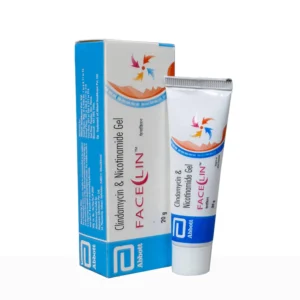
Faceclin Gel (Clindamycin & Nicotinamide)
Active Ingredient Clindamycin/Nicotinamide Manufacturer Abbott India Pvt. Ltd. Packaging 20 gm in 1 tube Strength 20g Delivery Time 6 To 15 days SKU: Faceclin Gel (Clindamycin/Nicotinamide) Price range: $6.00 through $32.00Faceclin Gel (Clindamycin & Nicotinamide)
Price range: $6.00 through $32.00 -

Hexilak Gel (Extractum Cepae, Heparin & Allantoin)
Active Ingredient Extractum cepae/Heparin/Allantoin Manufacturer Menarini India Pvt Ltd Packaging 20 gm gel in 1 tube Strength 20g Delivery Time 6 to 15 days SKU: Hexilak Gel (Extractum Cepae/Heparin/Allantoin) Price range: $15.00 through $80.00Hexilak Gel (Extractum Cepae, Heparin & Allantoin)
Price range: $15.00 through $80.00 -

Momate S Ointment (Mometasone & Salicylic Acid)
Active Ingredient Mometasone/Salicylic Acid Manufacturer Glenmark Pharmaceuticals Ltd Packaging 20 gm in 1 tube Strength 20g Delivery Time 6 to 15 days SKU: Momate S Ointment (Mometasone/Salicylic Acid) Price range: $12.00 through $59.00Momate S Ointment (Mometasone & Salicylic Acid)
Price range: $12.00 through $59.00 -
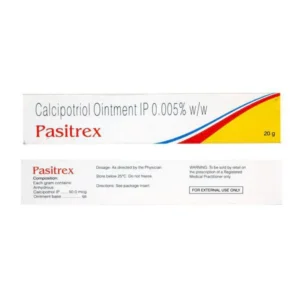
Pasitrex Ointment (Calcipotriol)
Active Ingredient Calcipotriol Manufacturer Sun Pharmaceutical Industries Ltd Packaging 20 gm in 1 tube Strength 0.005% Delivery Time 6 to 15 days SKU: Pasitrex Ointment (Calcipotriol) Price range: $12.00 through $59.00Pasitrex Ointment (Calcipotriol)
Price range: $12.00 through $59.00 -

Tazret Forte Cream (Tazarotene)
Active Ingredient Tazarotene Manufacturer Glenmark Pharmaceuticals Ltd. Packaging 15gm in 1 tube Strength 0.1% Delivery Time 6 to 15 days SKU: Tazret Forte Cream (Tazarotene) Price range: $6.00 through $36.00Tazret Forte Cream (Tazarotene)
Price range: $6.00 through $36.00