
Comprehensive Guide to Scar Treatment Medicines:-
Category Overview:-
Scar treatment medicines encompass a range of topical and oral medications designed to improve the appearance and symptoms associated with various types of scarring. Healthcare professionals prescribe or recommend these treatments to help manage abnormal scar formation, reduce discomfort, and support the skin’s natural healing process. While scars are a normal part of wound healing, certain conditions may lead to excessive, raised, or discolored scar tissue that benefits from medical intervention.
These medicines work through different mechanisms to soften, flatten, or fade scars over time. Treatment selection depends on factors including scar type, location, age, and individual patient characteristics. Medical guidance ensures appropriate treatment choice and realistic expectations about outcomes.
Conditions Treated:-
Medicines in this category address several scar-related concerns:
Hypertrophic scars develop as raised, red areas that remain within the original wound boundaries. These scars result from excess collagen production during healing and may cause itching or discomfort.
Keloid scars extend beyond the original injury site and continue growing over time. These raised, sometimes painful scars occur more commonly in certain individuals and may develop after minor skin injuries, piercings, or surgical procedures.
Atrophic scars create depressed areas in the skin, frequently seen with acne scarring or chickenpox. These result from loss of underlying tissue support.
Contracture scars form after burns and may tighten skin, potentially limiting movement when occurring near joints.
Surgical and traumatic scars develop following operations or injuries and may benefit from treatment to minimize their appearance during the healing phase.
Types of Medicines in This Category:-
Scar treatment medicines come in various formulations designed for different applications:
Silicone-based preparations include gels, sheets, and ointments that create a protective barrier over scars. These represent first-line treatments for many scar types and work through hydration and pressure effects.
Topical corticosteroids reduce inflammation and may help flatten raised scars. Healthcare providers prescribe these in various strengths depending on scar severity and location.
Topical retinoids derived from vitamin A encourage cell turnover and collagen remodeling. These prescription treatments require careful application and sun protection.
Pressure garments and specialized dressings provide mechanical support to manage scarring, particularly after burns or extensive injuries.
Injectable treatments, including corticosteroid injection,s may be administered directly into problematic scars by healthcare professionals to reduce size and symptoms.
Oral medications such as certain antihistamines or supplements may support scar treatment when prescribed as part of a comprehensive approach.
How These Medicines Work?
Scar treatment medicines influence the healing process through several mechanisms:
Hydration and occlusion provided by silicone products maintain moisture balance in scar tissue, which appears to normalize collagen production and reduce excessive scar formation.
Anti-inflammatory action from corticosteroids decreases the immune response within scar tissue, reducing redness, swelling, and excessive collagen deposition that creates raised scars.
Collagen remodeling occurs with retinoid treatments, which stimulate cell turnover and encourage reorganization of scar tissue into patterns more similar to normal skin.
Pressure application from specialized garments helps flatten scars by reducing blood flow to the area and limiting excessive collagen formation during the active healing phase.
These medicines require consistent application over weeks to months, as scar remodeling is a gradual biological process. Individual responses vary based on scar characteristics and patient factors.
Who May Benefit From This Category?
Healthcare providers may recommend scar treatment medicines for patients experiencing:
– Newly forming scars that show early signs of abnormal development
– Established hypertrophic or keloid scars causing cosmetic concerns or physical symptoms
– Post-surgical scars where minimizing appearance is desired
– Burn scars requiring management to prevent contracture and optimize healing
– Acne scarring affecting skin texture and appearance
– Traumatic injury scars on visible body areas
Patients with a personal or family history of abnormal scarring may particularly benefit from early intervention. Those with scars affecting movement, causing pain, or significantly impacting quality of life should seek professional evaluation.
Treatment is most effective when started early in the scar formation process, though older scars may also show improvement with appropriate therapy. Individual factors, including skin type, scar location, and overall health, influence treatment recommendations.
Important Safety Information:-
Safe use of scar treatment medicines requires awareness of important considerations:
Medical supervision is essential, particularly for prescription treatments. Self-treatment without proper diagnosis may delay appropriate care or lead to complications.
Skin reactions can occur with topical preparations. Patients should discontinue use and consult healthcare providers if experiencing severe irritation, rash, or allergic symptoms.
Corticosteroid precautions include risks of skin thinning, stretch marks, or changes in skin color with prolonged or improper use. These medications require careful application following professional guidance.
Pregnancy and breastfeeding considerations vary by medication type. Women who are pregnant, planning pregnancy, or breastfeeding must discuss scar treatments with their healthcare provider before use.
Children may require modified treatment approaches. Pediatric use should occur under medical supervision with age-appropriate formulations.
Sun exposure increases with certain treatments, particularly retinoids. Adequate sun protection is essential to prevent discoloration and protect healing tissue.
Existing medical conditions, including diabetes, circulation problems, or immune system disorders, may affect healing and treatment selection. Complete medical history disclosure helps ensure safe treatment.
Patients should never apply scar treatments to open wounds, infected areas, or broken skin without specific medical direction.
Usage Guidance (General):-
Proper application of scar treatment medicines maximizes effectiveness:
Treatment duration varies significantly based on scar type and severity. Most treatments require consistent use for several months to see noticeable improvement. Healthcare providers establish appropriate treatment timelines during consultation.
Application technique matters for topical preparations. Clean, dry skin typically provides the best foundation for treatment application. Following specific product instructions regarding frequency and amount ensures optimal results.
Consistency is crucial for success. Regular, uninterrupted use as directed produces better outcomes than sporadic application.
Combination approaches may be recommended, using multiple treatment types together under professional guidance. This coordinated strategy often proves more effective than single-agent treatment.
Progress monitoring through regular follow-up appointments allows healthcare providers to assess response and adjust treatment as needed. Photographs taken at intervals help document changes that may be gradual.
Patience is essential. Scar improvement occurs slowly, and realistic expectations help maintain treatment adherence. Visible results typically emerge after several weeks to months of consistent use.
Patients must never exceed prescribed amounts or frequencies, as this does not accelerate results and may increase side effect risks.
Side Effects & Risks (General Overview):-
Understanding potential side effects supports informed treatment decisions:
Common experiences with topical scar treatments may include mild skin irritation, temporary redness, or a slight burning sensation upon application. These usually diminish as skin adjusts to treatment.
Silicone product effects are generally minimal but may include skin irritation, rash, or discomfort from sheet adhesive. Proper cleaning and rotation of application sites reduces these concerns.
Corticosteroid-related effects can include skin thinning, increased blood vessel visibility, acne-like breakouts, or changes in skin pigmentation with prolonged use. Medical monitoring helps identify these changes early.
Retinoid sensitivity manifests as dryness, peeling, redness, or increased sun sensitivity. Starting with lower frequencies and gradually increasing the application helps minimize these effects.
Allergic reactions, though uncommon, require immediate discontinuation and medical attention. Warning signs include severe rash, swelling, difficulty breathing, or widespread skin reaction.
Systemic effects are rare with topical treatments but can occur with extensive application or a damaged skin barrier. Symptoms warrant immediate medical consultation.
Treatment site reactions at injection sites may include temporary pain, swelling, or changes in skin color that typically resolve over time.
Patients should maintain open communication with healthcare providers about any concerning symptoms or changes during treatment.
Choosing the Right Medicine:-
Selecting appropriate scar treatment requires professional expertise:
Medical evaluation identifies scar type, severity, and contributing factors. This assessment guides treatment selection and helps establish realistic expectations about possible improvement.
Individual factors, including skin type, scar age, location, and patient health status, influence which treatments work best. What proves effective for one person may not suit another.
Treatment goals vary among patients. Some prioritize symptom relief while others focus on cosmetic improvement. Clear communication about desired outcomes helps healthcare providers recommend suitable options.
Prescription versus over-the-counter determination depends on scar characteristics and severity. While some mild scars respond to non-prescription treatments, many cases benefit from prescription-strength preparations.
Combination therapy planning may provide optimal results for challenging scars. Healthcare providers design coordinated treatment approaches using complementary medications and techniques.
Cost and accessibility considerations affect treatment choice. Healthcare providers can discuss options that balance effectiveness with practical factors.
Monitoring requirements differ among treatments. Some require frequent follow-up while others need only periodic assessment. Understanding the commitment level helps with treatment selection.
Self-selection without professional guidance risks delayed improvement, wasted resources, and potential complications. Pharmacists and physicians provide valuable expertise in navigating treatment options.
Storage & Handling Advice:-
Proper storage maintains the effectiveness and safety:
Temperature control is important for most scar treatments. Store topical preparations at room temperature unless specific refrigeration is required. Avoid exposure to extreme heat or freezing conditions that may alter product consistency or effectiveness.
Direct sunlight can degrade certain active ingredients. Keep medications in original containers in cool, dry locations away from windows or heat sources.
Bathroom storage may not be ideal despite its convenience. Humidity and temperature fluctuations can affect some formulations. Bedroom drawers or closets often provide better conditions.
Container integrity matters for maintaining sterility and preventing contamination. Keep tubes and bottles tightly closed when not in use. Never transfer products to other containers.
Expiration dates indicate when products may lose effectiveness or safety. Check dates regularly and dispose of expired medications properly through pharmacy take-back programs or by following local disposal guidelines.
Child safety requires storing all medicines out of reach and sight of children, even those in seemingly secure containers. Accidental ingestion or application can cause harm.
Cleanliness during application prevents contamination. Wash hands before and after use, and avoid touching applicator tips to skin or other surfaces.
Travel considerations include keeping medications in carry-on luggage when flying to avoid temperature extremes in cargo holds. Original packaging with labels ensures proper identification.
Silicone sheets require cleaning between uses following the manufacturer’s instructions to maintain adhesion and prevent bacterial growth.
Frequently Asked Questions?
How long does it take to see results from scar treatment medicines?
Results timeline varies significantly based on scar type, age, and treatment used. Generally, noticeable improvement begins after 8-12 weeks of consistent use for newer scars, while older, established scars may require 3-6 months or longer. Silicone-based treatments typically show initial changes within 2-3 months. Prescription treatments like corticosteroids may produce faster results in some cases. Maximum improvement often requires 6-12 months of continued therapy. Healthcare providers establish realistic expectations based on individual circumstances during consultation. Patience and consistent application according to directions prove essential for optimal outcomes.
Can scar treatment medicines completely remove scars?
Complete scar removal rarely occurs with medication alone. These treatments aim to improve scar appearance, reduce symptoms, and help scars blend better with surrounding skin rather than eliminate them. Results vary from subtle improvement to significant visible change depending on multiple factors, including scar type, age, location, and individual healing characteristics. Hypertrophic scars and keloids may flatten substantially with treatment, while atrophic scars typically require procedural interventions beyond topical medicines. Healthcare providers assess each scar individually and discuss realistic expectations about achievable improvement during evaluation.
Are over-the-counter scar treatments as effective as prescription options?
Effectiveness differences depend on scar severity and type. Mild, newer scars may respond well to quality over-the-counter silicone preparations, which represent evidence-based first-line treatment. More severe hypertrophic scars, keloids, or resistant cases typically benefit from prescription-strength corticosteroids, retinoids, or injectable treatments that provide stronger therapeutic action unavailable in non-prescription products. Some patients start with over-the-counter options and progress to prescription treatments if the initial response is insufficient. Professional evaluation helps determine the most appropriate starting point and identifies when prescription intervention is necessary for optimal management.
Can I use scar treatment on fresh wounds, or should I wait?
Scar treatment medicines should not be applied to open wounds or areas with unhealed skin unless specifically directed by a healthcare provider. Most treatments begin after wound closure and initial healing completion, typically 2-4 weeks after injury or surgery, when sutures or staples have been removed, and any scabbing has naturally resolved. Some specialized dressings may be used during earlier healing phases under medical supervision. Starting treatment during the early scar formation phase (first few months after healing) often provides better results than waiting until scars become mature. Consultation with healthcare providers establishes the appropriate timing for beginning scar management.
Medical Disclaimer:-
This content is provided for educational and informational purposes only and does not constitute medical advice, diagnosis, or treatment.
The information presented about scar treatment medicines represents general educational content and should not replace consultation with qualified healthcare professionals. Individual medical conditions, treatment needs, and responses vary significantly among patients. Only licensed healthcare providers can properly evaluate your specific situation, diagnose conditions, and recommend appropriate treatments.
Do not use this information to self-diagnose or self-treat. Always consult with a physician, dermatologist, or qualified healthcare provider before starting, stopping, or changing any medication regimen. Professional evaluation ensures accurate diagnosis, appropriate treatment selection, and monitoring for effectiveness and safety.
This content does not endorse specific products, treatments, or brands. Medicine selection requires individualized assessment by healthcare professionals familiar with your complete medical history, current medications, and specific health needs.
Emergencies require immediate medical attention. If you experience severe allergic reactions, breathing difficulties, or other serious symptoms, seek emergency medical care immediately rather than relying on information provided here.
Information accuracy: While this content is prepared with care, medical knowledge continuously evolves. Treatment guidelines, safety information, and recommendations may change. Verify all information with current healthcare providers and official prescribing information.
No doctor-patient relationship is established through reading this content. The information provided does not create any obligation for follow-up care or establish any form of medical relationship.
For personalized medical advice, diagnosis, and treatment recommendations, please consult qualified healthcare professionals who can evaluate your individual circumstances and provide care appropriate to your specific needs.
-
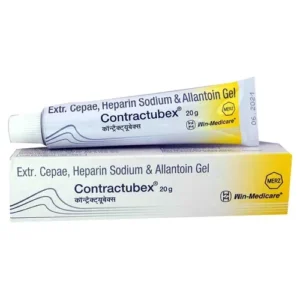
Contractubex Gel (Extractum Cepae, Heparin & Allantion)
Active Ingredient Extractum cepae/Heparin/Allantoin Manufacturer Win-Medicare Pvt Ltd (MERZ) Packaging 20g Tube Strength 20g Delivery Time 6 To 15 days SKU: Contractubex Gel (Extractum Cepae/Heparin/Allantoin) Price range: $26.00 through $145.00Contractubex Gel (Extractum Cepae, Heparin & Allantion)
Price range: $26.00 through $145.00 -
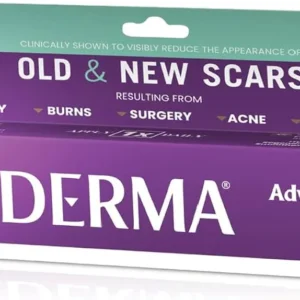
Mederma Gel (Extractum Cepae, Heparin & Allantion)
Active Ingredient Extractum Cepae/Heparin/Allantoin Manufacturer Win-Medicare Pvt Ltd (MERZ) Packaging 10g Tube Strength 10 g Delivery Time 6 To 15 days SKU: Mederma Gel (Extractum Cepae/Heparin/Allantoin) Price range: $25.00 through $144.00Mederma Gel (Extractum Cepae, Heparin & Allantion)
Price range: $25.00 through $144.00