
Skin Infection Medicines: Comprehensive Category Guide:-
Category Overview:-
Skin infection medicines encompass a range of treatments prescribed or recommended to combat bacterial, fungal, viral, and parasitic infections affecting the skin. Healthcare professionals commonly prescribe these medications when the body’s natural defense mechanisms are insufficient to clear an infection or when prompt treatment is necessary to prevent complications and spread to others.
These treatments work by targeting the specific microorganisms causing the infection, helping to eliminate pathogens, reduce inflammation, and promote healing. Depending on the nature and severity of the infection, doctors may recommend topical applications for localized issues or oral medications for more widespread or deep-seated infections.
Conditions Treated:-
Medicines in this category address a variety of skin-related infectious conditions, including:
Bacterial infections such as impetigo, cellulitis, folliculitis, and infected wounds or cuts. These occur when bacteria enter through breaks in the skin or hair follicles.
Fungal infections, including ringworm, athlete’s foot, jock itch, and yeast infections of the skin. These develop when fungi multiply in warm, moist environments or when the skin’s protective barrier is compromised.
Viral infections, like cold sores, shingles, and warts, result from various virus strains affecting skin cells.
Parasitic infections such as scabies or lice infestations require specific treatments to eliminate the organisms and their eggs.
Only a qualified healthcare professional can accurately diagnose which type of infection is present and determine the appropriate treatment approach.
Types of Medicines in This Category:-
Skin infection treatments come in several forms, each suited to different infection types and severities:
Topical antibiotics are applied directly to the skin surface and work well for superficial bacterial infections. These include creams, ointments, and gels that deliver medication to the affected area.
Oral antibiotics are taken by mouth when infections are more extensive, deeper in the skin layers, or accompanied by systemic symptoms like fever. These circulate through the bloodstream to reach infected tissues.
Antifungal medications are available in both topical and oral forms. Topical versions treat surface fungal infections, while oral antifungals address more persistent or widespread fungal conditions.
Antiviral medications help manage viral skin infections by slowing virus replication, though they cannot eliminate viruses from the body.
Antiparasitic treatments specifically target parasites and their life cycles, often requiring precise application methods and timing.
Combination products may contain multiple active ingredients to address infections complicated by inflammation or secondary issues.
How These Medicines Work?
The mechanism of action varies depending on the type of infection being treated.
Antibacterial medications work by either killing bacteria directly or preventing them from multiplying. Some disrupt bacterial cell wall formation, while others interfere with protein synthesis or DNA replication necessary for bacterial survival.
Antifungal treatments target the unique structure of fungal cells, often disrupting their cell membranes or interfering with essential enzymes. This stops fungal growth and allows the body’s immune system to clear the infection.
Antiviral medications slow down virus replication by blocking specific enzymes or processes that viruses need to multiply. This gives the immune system time to control the infection and reduces symptom severity and duration.
Antiparasitic medicines poison or paralyze parasites, making them unable to survive on the skin or reproduce. Some also kill parasite eggs to prevent reinfestation.
Most treatments require several days to weeks of consistent use, as they work gradually to eliminate pathogens while allowing healthy tissue to regenerate.
Who May Benefit From This Category?
Healthcare providers prescribe skin infection medicines to patients experiencing confirmed or suspected infectious skin conditions. This includes:
Individuals with visible signs of skin infection, such as redness, swelling, warmth, pus, or spreading rash that doesn’t improve with basic hygiene measures.
People with compromised immune systems are more susceptible to developing serious skin infections or complications.
Patients with chronic conditions like diabetes or circulation problems are at risk of skin infections that can progress rapidly and heal slowly.
Those who have been exposed to contagious skin infections require preventive or early treatment.
Children and adults experiencing recurring infections may indicate an underlying health issue requiring medical investigation.
Anyone with painful, spreading, or systemically concerning skin infections accompanied by fever, chills, or general illness.
A doctor’s evaluation is essential to confirm that an infection is present, identify the causative organism, and select the most appropriate treatment.
Important Safety Information:-
Skin infection medicines require careful use under medical supervision to ensure safety and effectiveness.
When to avoid these medicines: Individuals with known allergies to specific antibiotics, antifungals, or other active ingredients should inform their healthcare provider. Some medications are not suitable during pregnancy or breastfeeding. Patients with liver or kidney conditions may need dose adjustments or alternative treatments.
Risk of antimicrobial resistance: Using antibiotics or antifungals incorrectly, stopping treatment early, or using them without proper diagnosis contributes to drug-resistant infections. Always complete the full prescribed course, even if symptoms improve.
Interactions with other medicines: Some skin infection treatments interact with other medications, including blood thinners, diabetes medications, or other antibiotics. Always disclose all current medications to your healthcare provider.
Special populations: Elderly patients, young children, and those with multiple health conditions require particularly careful assessment and monitoring during treatment.
When to seek urgent care: If you experience signs of allergic reaction (difficulty breathing, severe rash, facial swelling), worsening infection despite treatment, spreading redness with fever, or signs of blood infection, seek immediate medical attention.
Never share prescription medicines with others, even if they appear to have similar symptoms. What works for one type of infection may be ineffective or harmful for another.
Usage Guidance (General):-
Proper use of skin infection medicines significantly impacts treatment success.
Application instructions vary by product type. Topical medications typically require cleaning and drying the affected area before application. Some need to be rubbed in gently, while others should be applied as a thin layer without rubbing.
Oral medications should be taken at consistent times each day, with or without food, as directed. Some require taking with plenty of water, while others should not be taken with dairy products or certain foods.
Duration of treatment differs based on infection type and severity. Fungal infections often require longer treatment courses than bacterial infections. Stopping treatment prematurely commonly leads to infection recurrence.
Hygiene practices complement medication use. Keep affected areas clean and dry, wash hands before and after application, avoid sharing personal items, and change bedding and clothing regularly.
Follow-up appointments may be necessary to ensure the infection is clearing properly and to catch any complications early.
Your healthcare provider will give specific instructions tailored to your condition, the medication prescribed, and your individual health circumstances. These instructions always take precedence over general guidance.
Side Effects & Risks (General Overview):-
Like all medicines, skin infection treatments can cause unwanted effects, though not everyone experiences them.
Common topical side effects include mild burning, stinging, itching, or redness at the application site. Skin dryness or peeling may occur with some treatments. These effects are usually temporary and mild.
Common oral medication side effects may include stomach upset, nausea, diarrhea, or headache. Some antibiotics affect the balance of normal body bacteria, potentially causing yeast infections or digestive disturbances.
Serious but rare side effects require immediate medical attention. These include severe allergic reactions, extensive skin rashes or blistering, persistent diarrhoea, which may indicate intestinal infection, signs of liver problems such as yellowing of skin or eyes, or unusual bruising or bleeding.
Specific medication concerns: Some antifungal medications may affect liver function with long-term use. Certain antibiotics increase sun sensitivity, requiring extra sun protection during treatment. Antiviral medications may require kidney function monitoring in some patients.
Long-term risks: Overuse or misuse of antimicrobial medications contributes to resistance, making future infections harder to treat for both the individual and the broader community.
Always report any concerning symptoms to your healthcare provider rather than stopping treatment abruptly, as this could worsen the infection or lead to complications.
Choosing the Right Medicine:-
Selecting the appropriate treatment for a skin infection requires professional medical assessment.
Accurate diagnosis is essential. Many skin conditions appear similar but require completely different treatments. Using the wrong medication can delay healing, worsen the condition, or mask a more serious underlying problem.
Your healthcare provider considers multiple factors: The type of organism causing infection, the location and extent of infection, your medical history and allergies, other medications you’re taking, previous treatment responses, and whether the infection is resistant to common treatments.
Laboratory testing may be necessary to identify the specific pathogen and determine which medications will be most effective, especially for persistent or severe infections.
Pharmacist consultation is valuable when you have questions about how to use prescribed medications, what to expect, potential interactions, or whether over-the-counter options might be appropriate for minor conditions.
Avoid self-diagnosis and self-treatment with prescription-strength medications from previous prescriptions or other sources. Infection types change, and what worked once may not be appropriate for current symptoms.
If your symptoms don’t improve within the expected timeframe, worsen despite treatment, or keep returning, contact your healthcare provider for reassessment rather than continuing the same treatment or trying different medications on your own.
Storage & Handling Advice:-
Proper storage maintains medication effectiveness and prevents accidental misuse.
General storage guidelines: Most oral antibiotics and skin infection medications should be stored at room temperature, away from direct light, heat, and moisture. Bathroom medicine cabinets, despite their name, are often too humid for optimal drug storage.
Topical medications should be kept tightly closed when not in use. Check whether they require refrigeration, as some creams and ointments remain stable longer when kept cool.
Liquid suspensions often require refrigeration after reconstitution and have limited shelf life once prepared. Check the label for specific storage instructions and expiration dates.
Keep out of reach of children and pets. Even topical medications can be harmful if ingested, and some may cause serious effects if accidentally swallowed.
Disposal of unused medicines: Don’t keep leftover antibiotics or other prescription treatments for future use. Expired or unnecessary medications should be disposed of properly through pharmacy take-back programs or by following FDA disposal guidelines. Never flush medications unless specifically instructed to do so.
Check expiration dates before using any medication. Expired drugs may lose potency or, in rare cases, become harmful.
Travel considerations: If traveling with skin infection medications, keep them in original labeled containers and maintain appropriate temperature conditions.
Frequently Asked Questions (Category-Based)?
How long does it typically take for skin infection medicines to work?
Response time varies by infection type and treatment. Bacterial infections often show improvement within 2-3 days of starting antibiotics, though complete healing takes longer. Fungal infections typically require 1-2 weeks of treatment before visible improvement, with complete courses lasting several weeks. Viral infections may improve within days, but medications primarily reduce severity rather than cure immediately. Continue treatment for the full prescribed duration even when symptoms improve, as stopping early commonly causes recurrence.
Can I use over-the-counter products instead of prescription medicines?
This depends entirely on the type and severity of infection. Minor fungal infections like athlete’s foot may respond to over-the-counter antifungal creams. However, bacterial infections requiring antibiotics, severe or spreading infections, and conditions affecting large areas or causing systemic symptoms need prescription treatment. Attempting to treat serious infections with inadequate over-the-counter products delays proper care and risks complications. When in doubt, consult a healthcare professional for assessment.
Why must I complete the full course of treatment even if symptoms disappear?
Symptoms improving don’t mean all infectious organisms are eliminated. Stopping treatment early allows remaining bacteria, fungi, or other pathogens to multiply again, causing the infection to return, often in a more resistant form. Completing the full prescribed course ensures complete eradication of the infection and reduces the risk of developing antimicrobial resistance, which threatens the effectiveness of these medicines for everyone.
What should I do if I miss a dose?
For oral medications, take the missed dose as soon as you remember unless it’s nearly time for the next scheduled dose. Never double up to make up for a missed dose. For topical treatments, apply when you remember and continue with the regular schedule. Missing multiple doses reduces treatment effectiveness, so set reminders if needed. If you’ve missed several doses, contact your healthcare provider for guidance.
Disclaimer:-
This content is provided for informational and educational purposes only and should not be construed as medical advice, diagnosis, or treatment recommendations. The information presented describes general characteristics of skin infection medicines and does not replace consultation with qualified healthcare professionals.
Always seek the advice of your physician, dermatologist, or other qualified health provider with any questions regarding a skin condition or infection. Never disregard professional medical advice or delay seeking it because of information you have read here. If you think you may have a medical emergency, call your doctor or emergency services immediately.
The effectiveness, safety, and appropriateness of any medication depend on individual circumstances, including your specific diagnosis, medical history, other health conditions, and concurrent medications. Only a licensed healthcare provider can make these determinations through proper examination and assessment.
This content does not endorse any specific treatments, products, or procedures. Medication availability, regulations, and prescribing practices vary by location. Always purchase medicines from licensed, regulated pharmacies and use them only as prescribed by your healthcare provider.
By using this information, you acknowledge that you understand it is for educational purposes only and that you will consult with appropriate healthcare professionals for any medical concerns or treatment decisions.
-

Imiquimod Cream 5% (Imiquad Cream) 12.5 Mg Sachet
Active Ingredient Imiquimod Manufacturer Glenmark Pharmaceuticals Ltd. Packaging 0.25 gm in 1 sachet Strength 12.5mg Delivery Time 6 To 15 days SKU: Imiquad Sachet (Imiquimod) – 12.5 Mg Price range: $75.00 through $216.00Imiquimod Cream 5% (Imiquad Cream) 12.5 Mg Sachet
Price range: $75.00 through $216.00 -
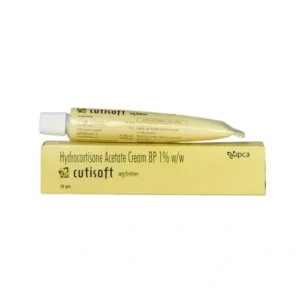
Cutisoft Cream (Hydrocortisone)
Active Ingredient Hydrocortisone Manufacturer Ipca Laboratories Ltd Packaging 10 gm in 1 tube Strength 1% Delivery Time 6 to 15 days SKU: Cutisoft Cream (Hydrocortisone) Price range: $12.00 through $32.00Cutisoft Cream (Hydrocortisone)
Price range: $12.00 through $32.00 -

Alokem Gel (Aloe Vera)
Active Ingredient Aloe Vera Manufacturer Alkem Laboratories Ltd Packaging 50g in Tube Strength 50gm Delivery Time 6 To 15 days SKU: Alokem Gel (Aloe Vera) Price range: $8.00 through $39.00Alokem Gel (Aloe Vera)
Price range: $8.00 through $39.00 -

B-Bact Ointment 5 GM (Mupirocin)
Active Ingredient Mupirocin Manufacturer Wallace Pharmaceuticals Pvt. Ltd. Packaging 5 gm in 1 tube Strength 5gm Delivery Time 6 to 15 days SKU: B-Bact Ointment 5 GM (Mupirocin) Price range: $4.00 through $21.00B-Bact Ointment 5 GM (Mupirocin)
Price range: $4.00 through $21.00 -
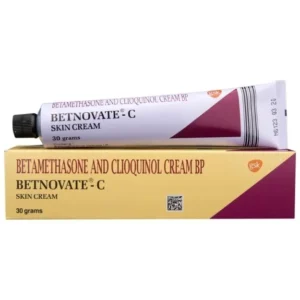
Betnovate C Cream
Active Ingredient Betamethasone + Clioquinol (Iodochlorhydroxyquin) Manufacturer Glaxo SmithKline Pharmaceuticals, India Packaging 30 gm in 1 Tube Strength 30 Gm Delivery Time 6 To 15 days SKU: Betnovate C Cream Price range: $17.00 through $51.00Betnovate C Cream
Price range: $17.00 through $51.00 -
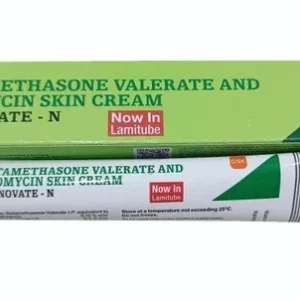
Betnovate N Cream
Active Ingredient Betamethasone 0.1 + Neomycin-0.5 Manufacturer Glaxo SmithKline Pharmaceuticals Ltd Packaging 20 gm in 1 tube Strength 20 gm Delivery Time 6 To 15 days SKU: Betnovate N Cream Price range: $12.00 through $35.00Betnovate N Cream
Price range: $12.00 through $35.00 -
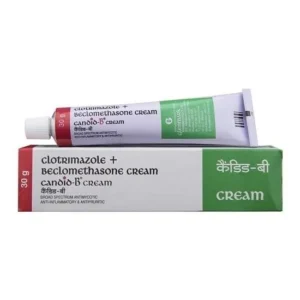
Candid B Cream 10 Gm (Clotrimazole & Beclomethasone)
Active Ingredient Clotrimazole/Beclometasone Manufacturer Glenmark Pharmaceuticals Ltd. Packaging Available in 10g, 20g & 30g Tube Strength 10g Delivery Time 6 to 15 days SKU: Candid B Cream 10 Gm (Clotrimazole/Beclometasone) Price range: $4.00 through $20.00Candid B Cream 10 Gm (Clotrimazole & Beclomethasone)
Price range: $4.00 through $20.00 -
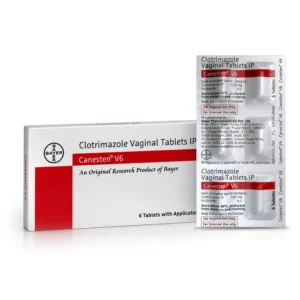
Canesten V6 (Clotrimazole)
Active Ingredient Clotrimazole Manufacturer Bayer Zydus Pharma Packaging 6 tablets in 1 packet Strength 100 Mg Delivery Time 6 To 15 days SKU: Canesten V6 (Clotrimazole) Price range: $12.00 through $33.00Canesten V6 (Clotrimazole)
Price range: $12.00 through $33.00 -
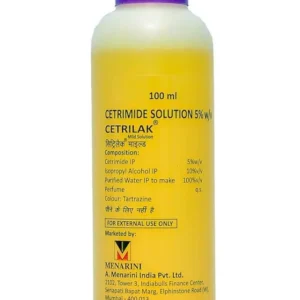
Cetrilak Mild Solution (Cetrimide)
Active Ingredient Cetrimide Manufacturer Menarini India Pvt Ltd Packaging 100ml in bottle Strength 5% Delivery Time 6 To 15 days SKU: Cetrilak Mild Solution (Cetrimide) Price range: $3.00 through $17.00Cetrilak Mild Solution (Cetrimide)
Price range: $3.00 through $17.00 -

Depiwhite Cream (Hydroquinone & Combination)
Active Ingredient Hydroquinone & Combination Manufacturer Wockhardt Ltd Packaging 15 ml in cream Strength 15ml Delivery Time 6 To 15 days SKU: Depiwhite Cream (Hydroquinone & Combination) Price range: $12.00 through $63.00Depiwhite Cream (Hydroquinone & Combination)
Price range: $12.00 through $63.00 -
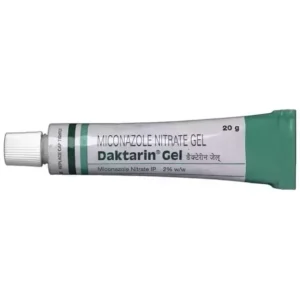
Daktarin Gel (Miconazole)
Active Ingredient Miconazole Manufacturer Janssen Pharmaceuticals, India Packaging 20 gm in 1 tube Strength 2% Delivery Time 6 To 15 days SKU: Daktarin Gel (Miconazole) Price range: $5.00 through $26.00Daktarin Gel (Miconazole)
Price range: $5.00 through $26.00 -
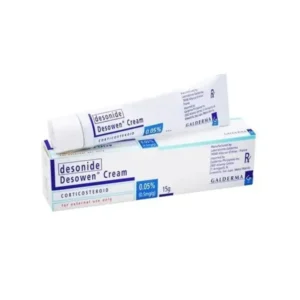
Desowen Cream (Desonide)
Active Ingredient Desonide Manufacturer Galderma India Pvt Ltd Packaging 10 gm in 1 tube Strength 0.05% Delivery Time 6 to 15 days SKU: Desowen Cream (Desonide) Price range: $4.00 through $21.00Desowen Cream (Desonide)
Price range: $4.00 through $21.00