
Tuberculosis (TB) Medicines: Comprehensive Patient Guide:-
Category Overview:-
Tuberculosis medicines are prescription antibiotics specifically designed to treat tuberculosis (TB), a serious bacterial infection caused by *Mycobacterium tuberculosis*. These medications are prescribed by doctors as part of a carefully structured treatment plan that typically lasts several months. TB medicines work by killing the bacteria or preventing them from multiplying, allowing the body’s immune system to clear the infection. Treatment requires consistent use of multiple medicines together, a strategy known as combination therapy, which helps prevent the bacteria from developing resistance to treatment.
Healthcare professionals prescribe TB medicines following a confirmed diagnosis through laboratory tests, chest X-rays, and clinical evaluation. These treatments are essential not only for curing the infection in individual patients but also for preventing its spread to others in the community.
Conditions Treated:-
Tuberculosis medicines are used to treat:
Active Tuberculosis Disease: When TB bacteria are actively multiplying in the body, most commonly affecting the lungs (pulmonary TB) but potentially spreading to other organs including the kidneys, spine, or brain (extrapulmonary TB).
Latent Tuberculosis Infection (LTBI): A preventive treatment approach for individuals who carry dormant TB bacteria without showing symptoms. This treatment prevents the infection from becoming active disease in the future.
Drug-Resistant Tuberculosis: Specialized medicines are available for treating TB strains that have become resistant to standard first-line treatments, requiring longer and more complex treatment regimens.
Symptoms that may indicate active TB include persistent cough lasting more than three weeks, coughing up blood, chest pain, unexplained weight loss, night sweats, fever, and fatigue. However, diagnosis must always be confirmed through proper medical testing.
Types of Medicines in This Category:-
TB medicines are classified into different categories based on their effectiveness and role in treatment:
First-Line Anti-TB Medicines-
These are the most effective drugs with relatively fewer side effects, used as the foundation of standard TB treatment. They include medicines taken orally in tablet or capsule form, typically once daily.
Second-Line Anti-TB Medicines-
Reserved for drug-resistant TB cases or when patients cannot tolerate first-line drugs. These may include tablets, capsules, or injectable formulations.
Fixed-Dose Combination (FDC) Products-
Tablets that contain two or more TB medicines in a single pill are designed to simplify treatment regimens and improve patient adherence.
Preventive Therapy Medicines-
Shorter-course treatment options specifically designed for latent TB infection, helping prevent future disease development.
Treatment phases typically include an intensive phase (using multiple medicines together) followed by a continuation phase (using fewer medicines), with the entire course lasting anywhere from three months to two years depending on the type of TB being treated.
How These Medicines Work?
TB medicines target the tuberculosis bacteria through several different mechanisms:
Bacterial Cell Wall Disruption: Some medicines interfere with the bacteria’s ability to build and maintain their protective cell walls, causing the bacteria to weaken and die.
Protein Synthesis Inhibition: Other medicines prevent TB bacteria from producing essential proteins needed for survival and reproduction.
Metabolic Interference: Certain medicines disrupt critical metabolic processes within the bacteria, stopping their growth and multiplication.
DNA/RNA Interference: Some medicines affect the genetic material of TB bacteria, preventing them from replicating.
Because TB bacteria can develop resistance to single medicines, doctors prescribe multiple medicines simultaneously. This combination approach attacks the bacteria through different mechanisms at once, significantly reducing the chance that resistant strains will survive and multiply. Each medicine in the regimen plays a specific role in ensuring the complete eradication of the infection.
Who May Benefit From This Category?
TB medicines are prescribed for specific groups of patients based on medical evaluation:
Individuals with Confirmed Active TB: Anyone diagnosed with active tuberculosis disease requires immediate treatment, regardless of age. Children, adults, and elderly patients can all develop TB and benefit from appropriate treatment.
People with Latent TB Infection at High Risk: Healthcare workers, close contacts of TB patients, individuals with weakened immune systems, recent immigrants from high-TB-prevalence countries, and those about to start immunosuppressive therapy may be offered preventive treatment.
Drug-Resistant TB Patients: Individuals whose TB bacteria have developed resistance to standard medicines require specialized treatment with second-line medicines.
Pregnant and Breastfeeding Women: While some TB medicines are safe during pregnancy and breastfeeding, treatment must be carefully selected and monitored by healthcare professionals to protect both mother and child.
Doctors consider multiple factors when prescribing TB medicines, including the patient’s age, weight, pregnancy status, other medical conditions, current medications, and the specific characteristics of their TB infection.
Important Safety Information:-
TB treatment requires careful medical supervision due to several important safety considerations:
Medical Monitoring Requirements-
Regular blood tests, liver function monitoring, vision checks, and hearing assessments may be necessary during treatment, as some TB medicines can affect these organs and functions.
Potential Contraindications-
Certain individuals may need alternative medicines or adjusted regimens, including those with severe liver disease, kidney problems, vision or hearing impairments, or known allergies to specific TB medicines.
Drug Interactions-
TB medicines can interact with numerous other medications, including birth control pills, antiretroviral medicines for HIV, diabetes medications, blood thinners, and many others. Always inform your doctor about all medicines, supplements, and herbal products you are taking.
Pregnancy and Breastfeeding-
While TB treatment is essential during pregnancy to protect both mother and baby, medicine selection must be carefully managed. Some TB medicines are safe during pregnancy while others should be avoided.
Alcohol and Liver Health-
Many TB medicines are processed by the liver, and alcohol consumption can increase the risk of liver damage during treatment. Patients should discuss alcohol use honestly with their healthcare provider.
Importance of Treatment Completion-
Stopping TB medicines early, even when feeling better, can lead to treatment failure, relapse, and development of drug-resistant TB. The full prescribed course must be completed.
Usage Guidance (General):-
TB medicine regimens are highly individualized and must be followed exactly as prescribed:
Dosing Schedules-
Most TB medicines are taken once daily, typically on an empty stomach for better absorption. Some regimens may involve multiple times per day dosing or intermittent schedules under medical supervision.
Directly Observed Therapy (DOT)-
Many health programs use DOT, where a healthcare worker watches the patient take each dose. This approach significantly improves treatment success rates and prevents drug resistance.
Timing and Consistency-
Taking medicines at the same time each day helps maintain effective drug levels in the body and makes remembering easier. Setting phone reminders or using pill organizers can help with adherence.
Missed Doses-
If you miss a dose, contact your healthcare provider or TB clinic for guidance rather than doubling up doses. The approach to missed doses varies depending on the specific medicines and treatment phase.
Duration of Treatment-
Standard drug-susceptible TB typically requires six months of treatment, while drug-resistant TB may require 18-24 months or longer. Your doctor will determine the appropriate duration based on your specific case.
Never adjust your dose, stop taking medicines, or extend treatment without medical guidance.
Side Effects & Risks (General Overview):-
TB medicines can cause side effects, though many patients complete treatment without serious problems:
Common Side Effects-
– Mild stomach upset, nausea, or loss of appetite
– Orange or red discoloration of urine, tears, or sweat (certain medicines)
– Mild fatigue or tiredness
– Minor skin rashes
– Joint aches or pains
Serious Side Effects Requiring Immediate Medical Attention-
– Severe nausea, vomiting, or abdominal pain
– Yellowing of skin or eyes (jaundice)
– Dark urine or pale stools
– Unexplained bruising or bleeding
– Severe rash or allergic reactions
– Vision changes or color blindness
– Numbness, tingling, or burning in hands or feet
– Hearing loss or persistent ringing in the ears
– Confusion or mental status changes
Managing Side Effects-
Many side effects can be managed without stopping treatment. Your healthcare provider may prescribe additional medicines to prevent or treat certain side effects, adjust doses, or substitute alternative medicines if needed. Regular monitoring helps detect problems early.
The benefits of completing TB treatment far outweigh the risks of side effects, as untreated TB can be life-threatening. Always report any concerns to your healthcare team promptly.
Choosing the Right Medicine:-
Selecting appropriate TB medicines is a complex medical decision that should never be made independently:
Factors Doctors Consider-
– Type of TB (pulmonary or extrapulmonary)
– Whether the infection is an active disease or a latent infection
– Drug susceptibility test results showing which medicines the bacteria respond to
– Previous TB treatment history
– Patient’s age, weight, and organ function
– Other medical conditions and current medications
– Pregnancy or breastfeeding status
– Local patterns of drug resistance
Importance of Laboratory Testing-
Drug susceptibility testing determines which medicines will be effective against your specific TB strain. This testing is crucial for choosing the right treatment regimen, especially in areas where drug-resistant TB is common.
Personalized Treatment Plans-
No two TB treatment plans are identical. Your doctor will create a regimen specifically designed for your situation, considering all relevant medical and social factors.
Role of TB Specialists-
Complex cases, including drug-resistant TB, TB in children, or TB in patients with HIV or other conditions, often require consultation with infectious disease specialists or TB experts.
Patients should openly discuss their concerns, living situation, work schedule, and any barriers to taking medicines regularly with their healthcare team to ensure the treatment plan is realistic and sustainable.
Storage & Handling Advice:-
Proper storage of TB medicines helps maintain their effectiveness and safety:
General Storage Guidelines-
– Store medicines in their original containers with labels intact
– Keep in a cool, dry place away from direct sunlight and heat
– Most TB medicines should be stored at room temperature unless otherwise specified
– Avoid storing in bathrooms where humidity can affect the stability of medicine
– Keep medicines out of reach of children and pets
Special Considerations-
– Some medicines may require refrigeration—follow specific storage instructions provided
– Check expiration dates regularly and never use expired medicines
– Protect medicines from moisture by keeping containers tightly closed
– If traveling, carry medicines in carry-on luggage and bring prescription documentation
Safe Disposal-
– Do not flush TB medicines down the toilet unless specifically instructed
– Return unused or expired medicines to a pharmacy or use community medicine take-back programs
– Remove personal information from containers before disposal
During Treatment-
– Use pill organizers to help track daily doses, but refill them weekly to minimize medicine exposure to air and moisture
– If liquid formulations are prescribed, follow specific storage and shaking instructions
Proper storage ensures you receive the full therapeutic benefit of your TB medicines throughout the treatment course.
Frequently Asked Questions?
Q: How long does TB treatment take, and why can’t it be shorter?
TB bacteria grow very slowly and can exist in different states within the body, including dormant forms that are difficult to kill. A treatment course of at least six months (and often longer) is necessary to completely eliminate all bacteria and prevent relapse. Shorter treatments result in higher failure rates and increased drug resistance. The exact duration depends on the type of TB, location of infection, drug susceptibility, and how well you respond to treatment.
Q: Can I drink alcohol while taking TB medicines?
Many TB medicines are processed by the liver, and alcohol can increase the risk of liver damage during treatment. It is generally recommended to avoid alcohol completely during TB therapy. If you drink alcohol, discuss this openly with your doctor, as they may need to monitor your liver function more closely or adjust your treatment. Liver damage from TB medicines combined with alcohol can be serious and may require treatment changes.
Q: Will TB medicines interfere with birth control pills?
Yes, certain TB medicines can reduce the effectiveness of hormonal contraceptives, including birth control pills, patches, rings, and implants. Women of childbearing age should discuss contraception with their healthcare provider before starting TB treatment. Barrier methods (such as condoms) or non-hormonal options may be recommended as additional or alternative contraception during treatment.
Q: What should I do if I experience side effects?
Contact your healthcare provider or TB clinic as soon as possible to report any side effects. Many side effects can be managed without stopping treatment, and your doctor may be able to prescribe additional medicines to help, adjust doses, or change the timing of medicines. Never stop taking TB medicines on your own, as this can lead to treatment failure and drug resistance. For severe symptoms like jaundice, vision changes, severe rash, or difficulty breathing, seek emergency medical care immediately.
Medical Disclaimer:-
This content is provided for educational and informational purposes only and is not intended to be a substitute for professional medical advice, diagnosis, or treatment.
The information presented on this page about tuberculosis medicines represents general educational content about this category of prescription medications. It should not be used for self-diagnosis or self-treatment of tuberculosis or any other medical condition.
Important: Tuberculosis is a serious, potentially life-threatening infectious disease that requires professional medical diagnosis and treatment. TB medicines are prescription-only medications that must be taken under the direct supervision of qualified healthcare providers.
Always:
– Consult with a qualified physician, infectious disease specialist, or TB clinic before starting, stopping, or changing any TB medication
– Follow your prescribed treatment regimen exactly as directed, even when you begin to feel better
– Report all side effects, concerns, or missed doses to your healthcare provider
– Complete the full course of treatment as prescribed to prevent relapse and drug resistance
– Attend all follow-up appointments and monitoring tests
Never:
– Attempt to diagnose or treat TB without proper medical supervision and laboratory confirmation
– Share your TB medicines with others or use medicines prescribed for someone else
– Stop taking TB medicines early, even if symptoms improve
– Adjust doses or treatment schedules without medical guidance
Individual medical advice: Every patient’s situation is unique. The specific medicines prescribed, dosing schedules, treatment duration, and monitoring requirements will vary based on individual factors including the type of TB, drug susceptibility results, medical history, other medications, and response to treatment.
This online pharmacy provides dispensing services for valid prescriptions issued by licensed healthcare providers. We do not provide diagnostic services, medical consultations, or treatment recommendations. For medical advice regarding tuberculosis or any health condition, please consult appropriate healthcare professionals.
If you experience severe side effects or symptoms suggesting active TB (persistent cough, coughing up blood, chest pain, fever, night sweats, unexplained weight loss), seek immediate medical attention.
-

Combutol 200 Mg (Ethambutol)
Active Ingredient Ethambutol Manufacturer Lupin Limited Packaging 10 Tablets in Strip Strength 200mg, 400mg, 600mg, 800mg, 1000mg Delivery Time 6 To 15 days SKU: Combutol 200 Mg (Ethambutol) Price range: $9.00 through $68.00Combutol 200 Mg (Ethambutol)
Price range: $9.00 through $68.00 -
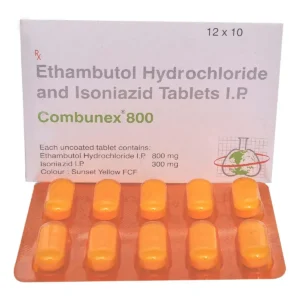
Combunex 800 Mg (Ethambutol & Isoniazid)
Active Ingredient Ethambutol/Isoniazid Manufacturer Lupin Limited Packaging 10 Tablets in Strip Strength 800mg Delivery Time 6 To 15 days SKU: Combunex 800 Mg (Ethambutol/Isoniazid) Price range: $28.00 through $85.00Combunex 800 Mg (Ethambutol & Isoniazid)
Price range: $28.00 through $85.00