
Viral Care: Comprehensive Guide to Antiviral Medicines:-
Category Overview:-
Viral Care medicines represent a specialized group of pharmaceutical treatments designed to combat infections caused by viruses. Unlike bacterial infections that respond to antibiotics, viral infections require specific antiviral medications that target the unique mechanisms viruses use to replicate and spread throughout the body.
Healthcare providers prescribe antiviral medicines to help manage a range of viral conditions, from common respiratory infections to more serious systemic illnesses. These medications work by interfering with different stages of the viral life cycle, helping to reduce symptom severity, shorten illness duration, and prevent complications. While the human immune system naturally fights many viral infections, antiviral medicines provide crucial support when infections are severe, prolonged, or affect vulnerable populations.
The prescription of antiviral treatments follows careful medical assessment, considering factors such as the specific virus involved, the timing of infection, patient health status, and potential drug interactions. These medicines form an essential component of modern infectious disease management and public health protection.
Conditions Treated:-
Antiviral medicines address various viral infections affecting different body systems. Healthcare professionals may prescribe these treatments for conditions including:
Respiratory Viral Infections: Certain antiviral medications help manage influenza and related respiratory illnesses, particularly when administered early in the infection course.
Herpes Virus Infections: Some antivirals target herpes simplex viruses that cause oral and genital herpes, as well as the varicella-zoster virus responsible for chickenpox and shingles.
Hepatitis Infections: Specific antiviral therapies treat chronic viral hepatitis affecting the liver, helping to prevent long-term liver damage.
HIV/AIDS Management: Antiretroviral medications help people living with HIV maintain their health by suppressing viral replication.
Emerging Viral Illnesses: Newer antiviral treatments address contemporary viral challenges, including certain respiratory viruses that have emerged in recent years.
The appropriateness of antiviral treatment depends on accurate diagnosis through medical examination and often laboratory testing. Self-diagnosis of viral conditions can be unreliable, making professional healthcare consultation essential before starting any antiviral therapy.
Types of Medicines in This Category:-
Antiviral medicines come in various formulations and delivery methods, each suited to different infections and patient needs:
Oral Tablets and Capsules-
The most common form of antiviral medication is taken by mouth as prescribed. These include both immediate-release and extended-release formulations designed for convenient home administration.
Topical Creams and Ointments-
Applied directly to affected skin areas for localized viral infections, such as certain herpes outbreaks. These work at the application site with minimal systemic absorption.
Injectable Solutions-
Administered in healthcare settings for serious viral infections requiring rapid or precise drug delivery. Some patients may learn to self-administer injections under medical supervision.
Intravenous Infusions-
Reserved for hospitalized patients or those with severe viral infections requiring close medical monitoring during treatment administration.
Inhalation Therapies-
Delivered directly to the respiratory system for certain viral respiratory infections, allowing targeted treatment where needed.
Combination Therapies-
Multiple antiviral medicines are used together, particularly common in HIV treatment, where combining different mechanisms improves effectiveness and reduces resistance development.
The choice of formulation depends on the infection type, severity, patient’s ability to take medications, and treatment goals established with healthcare providers.
How These Medicines Work?
Antiviral medicines employ several distinct mechanisms to combat viral infections, differing fundamentally from how the body’s immune system naturally responds:
Blocking Viral Entry: Some antivirals prevent viruses from attaching to or entering human cells, effectively stopping infection before it begins within healthy cells.
Inhibiting Viral Replication: Many antiviral medications interfere with the virus’s ability to copy its genetic material inside infected cells, dramatically slowing the production of new viral particles.
Preventing Viral Assembly: Certain antivirals disrupt the process by which new virus particles assemble themselves before leaving infected cells to spread further.
Blocking Viral Release: Some medications prevent newly formed viruses from exiting infected cells, limiting their ability to spread to other healthy cells.
Enzyme Inhibition: Many antivirals target specific viral enzymes essential for the virus’s life cycle, without which the virus cannot successfully reproduce.
Unlike antibiotics that kill bacteria, most antiviral medicines do not destroy viruses directly. Instead, they suppress viral activity enough to allow the immune system to gain control of the infection. This explains why early treatment often proves more effective—starting antivirals before the virus has extensively replicated gives better outcomes.
The specific mechanism varies by medication and targeted virus, which is why appropriate antiviral selection requires professional medical diagnosis and prescription.
Who May Benefit From This Category?
Healthcare providers consider antiviral therapy for various patient groups based on specific clinical circumstances:
Individuals with Confirmed Viral Infections: Patients diagnosed with specific viral conditions for which effective antiviral treatments exist may receive prescriptions when treatment is medically appropriate.
People at Higher Risk of Complications: Those with weakened immune systems, chronic health conditions, advanced age, or pregnancy may particularly benefit from antiviral treatment to prevent severe illness progression.
Early-Stage Infection Cases: Patients who seek medical attention soon after symptom onset may benefit most, as many antivirals work best when started within specific timeframes after infection begins.
Chronic Viral Condition Management: Individuals living with ongoing viral infections like HIV or chronic hepatitis require long-term antiviral therapy as part of comprehensive disease management.
Preventive Treatment Situations: In some circumstances, healthcare providers prescribe antivirals preventively for people exposed to certain viruses or at high risk during outbreaks.
Post-Exposure Cases: Following known exposure to specific viruses, doctors may recommend short-term antiviral treatment to prevent infection development.
Antiviral medicines are not appropriate for everyone or every viral infection. Many common viral illnesses resolve naturally without antiviral treatment. Medical professionals assess individual circumstances, infection type, overall health status, and potential treatment benefits versus risks before prescribing antiviral therapy.
Patients should never assume they need antiviral medication or attempt to obtain these medicines without proper medical consultation and prescription.
Important Safety Information:-
Antiviral medicines require careful medical oversight to ensure safe and effective use. Understanding general safety considerations helps patients use these medications responsibly:
Medical Supervision is Essential-
All antiviral treatments should only be used under direct healthcare provider guidance. These are not medicines for casual self-treatment, as incorrect use may be ineffective or cause harm.
Patients Who Should Exercise Caution-
Certain individuals require special consideration before starting antiviral therapy:
– People with kidney or liver disease, as many antivirals are processed through these organs
– Pregnant or breastfeeding women, where treatment decisions balance maternal benefits against potential fetal or infant risks
– Individuals with known allergies to antiviral medications or their ingredients
– Patients taking multiple medications due to potential drug interactions
– Children and elderly patients who may require adjusted dosing
Drug Interactions-
Antiviral medicines can interact with numerous other medications, including prescription drugs, over-the-counter products, and herbal supplements. Always inform healthcare providers of all substances being taken before starting antiviral treatment.
Resistance Concerns-
Improper antiviral use—including incomplete treatment courses, incorrect dosing, or use without proper medical indication—can contribute to antiviral resistance, where viruses become less responsive to treatment. This affects not only individual patients but public health broadly.
Monitoring Requirements-
Some antiviral treatments require regular blood tests or medical check-ups to monitor effectiveness and watch for potential complications. Patients must attend all scheduled appointments during treatment.
When to Seek Immediate Medical Attention?
Contact healthcare providers urgently if experiencing severe allergic reactions, unusual bleeding or bruising, significant mood changes, severe abdominal pain, yellowing of skin or eyes, or any other concerning symptoms during antiviral treatment.
Usage Guidance (General):-
Proper antiviral medication use requires adherence to individualized medical instructions. While specific directions vary by medication and condition, general principles guide appropriate use:
Follow Prescribed Instructions Exactly-
Healthcare providers determine appropriate dosing schedules, treatment duration, and specific administration instructions based on the infection being treated and patient-specific factors. Never adjust doses or treatment length independently.
Timing Matters-
Many antiviral medications work best when taken at consistent times each day. Some require specific timing relative to meals. Following the timing instructions optimizes treatment effectiveness.
Complete Full Treatment Courses-
Even when feeling better before finishing prescribed medication, completing the entire course as directed is crucial. Stopping antiviral treatment prematurely may allow viral replication to resume and can contribute to resistance development.
Do Not Share Medications-
Antiviral medicines prescribed for one person should never be shared with others, even if they appear to have similar symptoms. Each prescription is individualized based on a specific medical assessment.
Missing Doses-
If a dose is missed, follow the specific guidance provided with the medication. Generally, take the missed dose as soon as remembered unless it is nearly time for the next scheduled dose. Never double doses without medical guidance.
Food and Beverage Considerations-
Some antiviral medications require taking with food, while others work best on an empty stomach. Certain beverages may affect medication absorption. Follow all dietary instructions provided.
Administration Technique-
For non-oral formulations like topical creams or inhalers, proper technique ensures effective treatment. Healthcare providers or pharmacists can demonstrate correct application or administration methods.
Patients with questions about their specific antiviral medication usage should contact their prescribing healthcare provider or pharmacist for clarification rather than guessing about proper use.
Side Effects & Risks (General Overview):-
Like all medicines, antiviral treatments can cause side effects, though not everyone experiences them. Understanding potential effects helps patients recognize normal responses versus concerning reactions:
Common Side Effects-
Many patients tolerate antiviral medicines well, but some may experience:
– Mild nausea, vomiting, or stomach discomfort
– Headaches or dizziness
– Fatigue or weakness
– Diarrhea or constipation
– Loss of appetite
– Skin rash or itching
These effects are often mild and may diminish as the body adjusts to medication. However, persistent or bothersome symptoms warrant discussion with healthcare providers.
Serious Side Effects Requiring Medical Attention-
Though less common, some antiviral medications can cause more serious reactions:
– Severe allergic reactions, including difficulty breathing, facial swelling, or widespread rash
– Liver problems indicated by yellowing skin or eyes, dark urine, or persistent abdominal pain
– Kidney function changes
– Significant mood alterations or mental health changes
– Severe skin reactions
– Blood cell count abnormalities causing unusual bleeding, bruising, or infections
– Heart rhythm disturbances with certain medications
Long-Term Treatment Considerations-
Patients requiring prolonged antiviral therapy, such as those managing chronic viral conditions, may face additional considerations, including regular monitoring for medication effects on organ function, bone health, or metabolism.
Individual Variation-
Side effect experiences vary considerably between individuals. Factors affecting this variation include the specific antiviral medicine, dosage, treatment duration, overall health status, and concurrent medications or conditions.
Reporting Side Effects-
Patients should report all concerning symptoms to their healthcare providers. Some side effects may require treatment adjustment, while others can be managed with supportive measures. Healthcare professionals help distinguish expected minor effects from those requiring intervention.
This overview provides general information only. Each antiviral medication has its own specific side effect profile detailed in patient information materials and discussed during medical consultation.
Choosing the Right Medicine:-
Selecting appropriate antiviral treatment is a clinical decision requiring professional medical expertise. Patients play an important collaborative role but should not attempt self-selection:
Professional Diagnosis is Necessary-
Effective antiviral treatment begins with an accurate diagnosis. Many viral infections produce similar symptoms, yet require different treatments. Healthcare providers use medical history, physical examination, and often laboratory testing to identify the specific virus and determine whether antiviral therapy is appropriate.
Factors Healthcare Providers Consider-
When prescribing antiviral medications, medical professionals evaluate:
– The specific virus causing infection and its characteristics
– How long symptoms have been present (treatment windows vary)
– Infection severity and risk of complications
– Patient age, weight, and overall health status
– Existing medical conditions, particularly kidney, liver, or immune system function
– Current medications and potential drug interactions
– Previous antiviral treatment experiences and any known allergies
– Pregnancy or breastfeeding status
– Patient’s ability to adhere to specific medication requirements
Why Self-Selection is Inappropriate?
Patients cannot reliably determine which antiviral medicine, if any, is appropriate for their situation. Incorrect antiviral selection may:
– Prove ineffective against the actual virus causing illness
– Delay appropriate treatment
– Expose patients to unnecessary side effects
– Contribute to antiviral resistance development
– Mask symptoms of different conditions requiring other treatments
The Role of Pharmacists-
While pharmacists cannot diagnose viral infections or prescribe antiviral medicines (in most jurisdictions), they provide valuable guidance on proper medication use once prescribed, potential interactions with other medications, and side effect management strategies.
Trust the Medical Process-
Patients concerned about viral infections should consult healthcare providers who will determine appropriate next steps, which may include antiviral treatment, supportive care, monitoring, or other interventions based on clinical assessment.
Storage & Handling Advice:-
Proper storage and handling of antiviral medicines maintain their effectiveness and safety throughout the treatment course:
General Storage Guidelines-
Most oral antiviral medications should be:
– Stored at room temperature (typically 20-25°C or 68-77°F) unless otherwise specified
– Kept in original containers with intact labels showing important information
– Protected from excessive moisture, heat, and direct sunlight
– Placed away from bathroom medicine cabinets where humidity levels fluctuate
Refrigeration Requirements-
Some antiviral medications, particularly certain liquid formulations or reconstituted preparations, require refrigeration. Follow specific storage instructions provided with these medications carefully, and never freeze unless explicitly instructed.
Child Safety-
Store all antiviral medicines securely out of reach and sight of children. Many medications come in child-resistant containers, but no container is completely childproof. Accidental ingestion by children can be dangerous.
Pet Safety-
Keep antiviral medicines away from pets, as many medications harmful to humans can also harm animals, sometimes at lower doses.
Traveling with Antiviral Medicines-
When traveling:
– Keep medications in original labeled containers
– Carry prescriptions or doctor’s letters when traveling internationally
– For medications requiring refrigeration, use appropriate cooling methods during transport
– Never place medications in checked luggage where temperature extremes may occur
– Allow medications through security in carry-on bags
Checking Expiration Dates-
Never use antiviral medications past their expiration dates. Expired medicines may lose effectiveness or, in rare cases, become harmful. Check dates periodically and dispose of expired medications properly.
Proper Disposal-
When treatment is complete, or medications expire:
– Do not flush medicines down toilets or drains unless specific disposal instructions indicate this
– Use medication take-back programs offered by pharmacies or communities
– If take-back programs are unavailable, follow FDA guidance for home disposal, typically involving mixing medications with undesirable substances in sealed containers before trash disposal
– Remove or obscure personal information from medication containers before disposal
Handling Precautions-
Some antiviral formulations require special handling:
– Topical preparations should be applied with clean hands or applicators as directed
– Injectable medications prepared at home require following the sterile technique instructions carefully
– Crushed or broken tablets may affect medication effectiveness; never alter tablets unless specifically instructed
Patients with questions about the proper storage or handling of their specific antiviral medication should consult their pharmacist or healthcare provider.
Frequently Asked Questions?
Q1: How do I know if I need antiviral medication for my illness?
Determining the need for antiviral treatment requires professional medical assessment. Many common viral illnesses resolve on their own with rest and supportive care. Healthcare providers consider the specific virus, symptom severity, how long you have been ill, your overall health status, and risk factors for complications when deciding if antiviral therapy is appropriate. If you are experiencing viral infection symptoms that concern you, particularly high fever, difficulty breathing, severe weakness, or symptoms lasting beyond expected timeframes, consult a healthcare provider for proper evaluation.
Q2: Can antiviral medicines cure viral infections immediately?
Antiviral medicines do not provide instant cures for viral infections. These medications work by suppressing viral replication, which allows your immune system to gain control of the infection more effectively. Treatment typically shortens illness duration, reduces symptom severity, and decreases complication risks rather than producing immediate resolution. The timeframe for improvement varies depending on the specific infection, medication used, when treatment began, and individual patient factors. Patience while completing the full prescribed treatment course is essential.
Q3: Why do some viral infections require antiviral treatment while others do not?
Healthcare providers prescribe antiviral therapy based on several considerations. Factors include the specific virus involved (as effective antivirals exist only for certain viruses), illness severity, patient risk factors for complications, and the timing of medical consultation relative to infection onset. Many common viral infections, such as typical colds, have no specific antiviral treatment and resolve with supportive care. More serious viral infections or situations where patients face higher complication risks may warrant antiviral therapy. This decision-making requires professional medical judgment, evaluating your individual circumstances.
Q4: Can I stop taking antiviral medication once I feel better?
No, you should always complete the full prescribed course of antiviral medication even if symptoms improve before finishing treatment. Stopping medication early may allow the virus to resume replicating, potentially causing symptom return or worsening. Incomplete treatment courses also contribute to antiviral resistance development, where viruses become less responsive to medications. This affects not only your current treatment but future treatment options for you and others. If you experience side effects or have concerns about continuing treatment, contact your healthcare provider to discuss the situation rather than stopping independently.
Medical Disclaimer:-
Important Legal and Medical Notice:
The information provided on this page is intended for general educational purposes only and does not constitute medical advice, diagnosis, or treatment recommendations. This content is designed to help readers understand antiviral medicines at a general level and should not replace consultation with qualified healthcare professionals.
No Doctor-Patient Relationship: Reading this information does not create a doctor-patient relationship. Individual medical decisions require personalized assessment by licensed healthcare providers who can evaluate your specific health situation, medical history, symptoms, and needs.
Not a Substitute for Professional Medical Care: Never disregard, avoid, or delay obtaining professional medical advice because of information you have read on this page. If you think you may have a viral infection or any medical condition, contact a healthcare provider promptly. For medical emergencies, call emergency services immediately.
Medication-Specific Information Required: This category overview provides general information applicable to various antiviral medicines. Each specific medication has unique characteristics, indications, dosing, contraindications, warnings, precautions, and potential side effects. Always read the patient information leaflet provided with your prescribed medication and follow your healthcare provider’s specific instructions.
Prescription Requirement: Antiviral medicines discussed on this page require prescriptions from licensed healthcare providers in most jurisdictions. Never attempt to obtain or use these medications without proper medical prescription and supervision.
Individual Results May Vary: Treatment outcomes vary among individuals based on numerous factors, including the specific infection, overall health, timing of treatment, and individual response to medication. Information about treatment effects represents general possibilities, not guaranteed outcomes.
Information Currency: While we strive to maintain current information, medical knowledge evolves continuously. The most recent research, treatment guidelines, or product information may differ from content presented here. Healthcare providers access the most current medical information when making treatment decisions.
No Liability: Use of information on this page is at your own risk. We disclaim all liability for any adverse effects, injuries, or damages resulting from use of or reliance on this information. This includes but is not limited to direct, indirect, consequential, or incidental damages.
Regional Variations: Medical practices, available treatments, and regulations vary by country and region. Information provided may not apply to your specific location. Consult local healthcare providers familiar with regional medical standards and available treatments.
Verification Recommended: If you have questions about information presented here, verify details with your healthcare provider or pharmacist, who can provide guidance specific to your situation.
By using this information, you acknowledge that you have read and understood this disclaimer and accept its terms.
For medical concerns, please consult a qualified healthcare professional. If you are experiencing a medical emergency, contact emergency services immediately.
-

Imiquimod Cream 5% (Imiquad Cream) 12.5 Mg Sachet
Active Ingredient Imiquimod Manufacturer Glenmark Pharmaceuticals Ltd. Packaging 0.25 gm in 1 sachet Strength 12.5mg Delivery Time 6 To 15 days SKU: Imiquad Sachet (Imiquimod) – 12.5 Mg Price range: $75.00 through $216.00Imiquimod Cream 5% (Imiquad Cream) 12.5 Mg Sachet
Price range: $75.00 through $216.00 -

Banocide Forte 100 Mg (Diethylcarbamazine)
Active Ingredient Diethylcarbamazine Manufacturer GlaxoSmithKline Pharmaceuticals Ltd Packaging 20 tablets in 1 strip & 30 tablets in 1 strip Strength 100mg Delivery Time 6 To 15 days SKU: Banocide Forte 100 Mg (Diethylcarbamazine) Price range: $13.50 through $25.50Banocide Forte 100 Mg (Diethylcarbamazine)
Price range: $13.50 through $25.50 -

Antiflu 75 Mg (Oseltamivir)
Active Ingredient Oseltamivir Manufacturer Cipla Limited Packaging 10 Capsules in strip Strength 75mg Delivery Time 6 To 15 days SKU: Antiflu 75 Mg (Oseltamivir) Price range: $76.50 through $211.50Antiflu 75 Mg (Oseltamivir)
Price range: $76.50 through $211.50 -
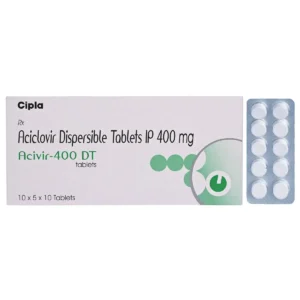
Aciclovir 400 Mg (Acyclovir)
Active Ingredient Acyclovir Manufacturer Healing Pharma, India Packaging 10 Tablets in Strip Strength 400mg Delivery Time 6 To 15 days SKU: Aciclovir 400 Mg (Acyclovir) Price range: $34.00 through $90.00Aciclovir 400 Mg (Acyclovir)
Price range: $34.00 through $90.00 -

Herpex Cream (Acyclovir)
Active Ingredient Acyclovir Manufacturer Torrent Pharmaceuticals Ltd Packaging 5 gm in 1 tube Strength 5% Delivery Time 6 To 15 days SKU: Herpex Cream (Acyclovir) Price range: $4.00 through $19.00Herpex Cream (Acyclovir)
Price range: $4.00 through $19.00 -
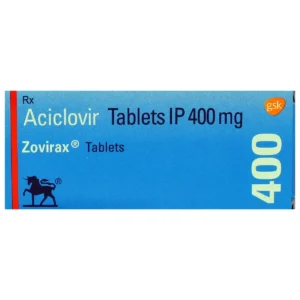
Zovirax 400 Mg (Acyclovir)
Active Ingredient Acyclovir Manufacturer GlaxoSmithKline Pharmaceuticals Ltd Packaging 5 tablets in 1 strip, 10 tablets in 1 strip Strength 200mg, 400mg, 800mg Delivery Time 6 To 15 days SKU: Zovirax 400mg (Acyclovir) Price range: $31.50 through $174.00Zovirax 400 Mg (Acyclovir)
Price range: $31.50 through $174.00 -
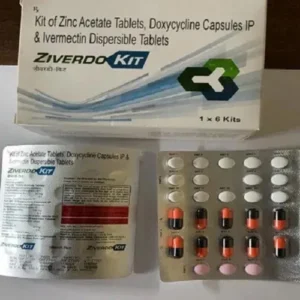
Ziverdo Kit
Active Ingredient Doxycycline, Ivermectin Manufacturer Mankind Pharma Packaging 1 Kit Of (Ivermectin 12 Mg = 3 Tablet + Zinc 50mg = 14 Tablet + Doxycycline 100mg = 10 Capsules) Delivery Time 6 To 15 days SKU: Ziverdo Kit Price range: $85.00 through $810.00Ziverdo Kit
Price range: $85.00 through $810.00 -
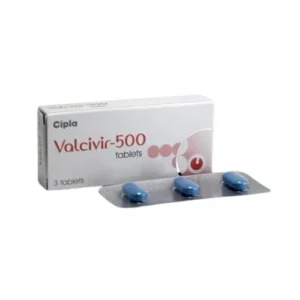
Valcivir 500 Mg
Active Ingredient Valacyclovir Manufacturer Cipla Limited Packaging 3 Tablets in Strip Strength 500mg, 1000mg Delivery Time 6 To 15 days SKU: Valcivir 500 Mg Price range: $105.00 through $450.00Valcivir 500 Mg
Price range: $105.00 through $450.00 -

Ocuvir DT 200 Mg (Acyclovir)
Active Ingredient Acyclovir Manufacturer FDC Ltd Packaging 5 Tablets in Strip & 10 Tablets in Strip Strength 200mg, 400mg, 800mg Delivery Time 6 To 15 days SKU: Ocuvir DT 200 Mg (Acyclovir) Price range: $27.00 through $252.00Ocuvir DT 200 Mg (Acyclovir)
Price range: $27.00 through $252.00 -
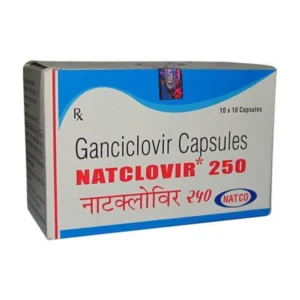
Natclovir 250 Mg (Ganciclovir)
Active Ingredient Ganciclovir Manufacturer Natco Pharma Ltd. Packaging 10 capsules in 1 strip Strength 250mg Delivery Time 6 To 15 days SKU: Natclovir 250 Mg (Ganciclovir) Price range: $148.50 through $427.50Natclovir 250 Mg (Ganciclovir)
Price range: $148.50 through $427.50 -

Molnuvid 200 Mg
Active Ingredient Molnupiravir Manufacturer Healing Pharma Packaging 40 Capsules in 1 bottle Strength 200 Mg Delivery Time 6 to 15 days SKU: Molnuvid 200 Mg Price range: $96.00 through $266.00Molnuvid 200 Mg
Price range: $96.00 through $266.00 -
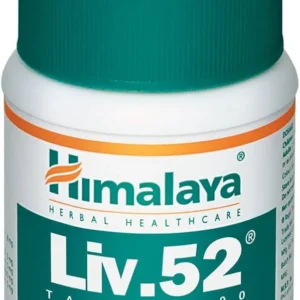
Liv 52 (Ayurvedic)
Active Ingredient Ayurvedic Manufacturer Himalaya Drug Company Packaging 52 Tablets in Bottle Delivery Time 6 To 15 days SKU: Liv 52 (Ayurvedic) Price range: $6.00 through $14.00Liv 52 (Ayurvedic)
Price range: $6.00 through $14.00