
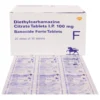
Banocide Forte 100 Mg (Diethylcarbamazine)
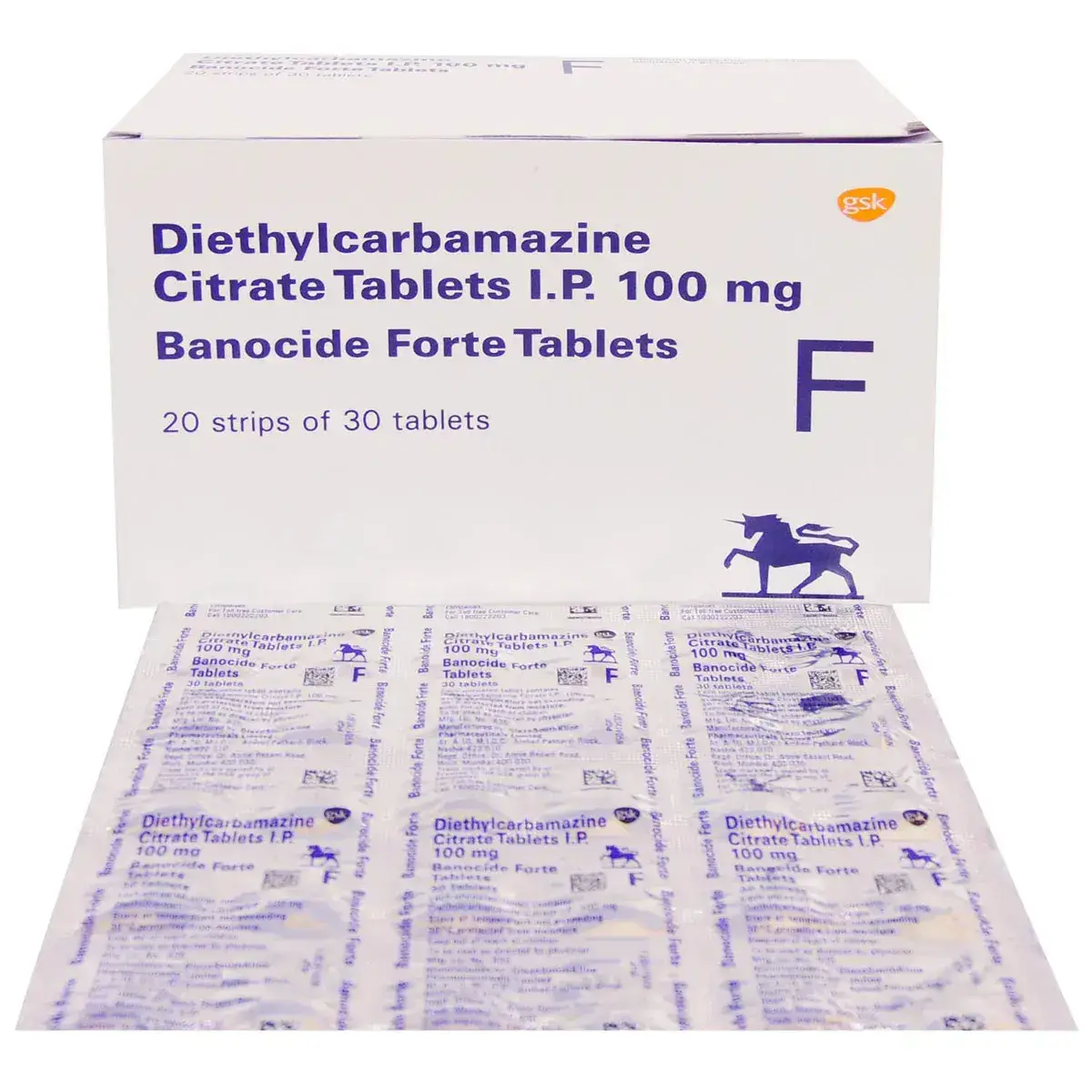
Price range: $13.50 through $25.50
| Active Ingredient | Diethylcarbamazine |
|---|---|
| Manufacturer | GlaxoSmithKline Pharmaceuticals Ltd |
| Packaging | 20 tablets in 1 strip & 30 tablets in 1 strip |
| Strength | 100mg |
| Delivery Time | 6 To 15 days |
| SKU: | Banocide Forte 100 Mg (Diethylcarbamazine) |
Banocide Forte 100 Mg (Diethylcarbamazine): Uses, Dosage, Side Effects, and Precautions
If you or someone in your family has been prescribed Banocide Forte 100 Mg (Diethylcarbamazine), it’s natural to have questions. What does it actually treat? How should it be taken? What side effects should you watch for? This guide walks through everything you need to know about this medicine in plain, easy-to-understand language — while always reminding you that your doctor’s advice comes first.
What Is Banocide Forte 100 Mg?
Banocide Forte 100 Mg is a prescription anthelmintic (anti-worm) medicine manufactured by GlaxoSmithKline Pharmaceuticals Ltd. Its active ingredient is Diethylcarbamazine citrate (100 mg), a compound that has been used for decades in the fight against parasitic worm infections, particularly those affecting the lymphatic system.
Unlike broad-spectrum dewormers used for common intestinal worms, Banocide Forte is specifically designed to target the parasites responsible for filariasis and a handful of related conditions. It’s considered one of the cornerstone medicines in global filariasis-elimination programs, and it remains widely prescribed across India and other regions where these infections are more common.
The tablet is taken orally, generally after food, and the strength and duration of the course depend heavily on the specific infection being treated, along with the patient’s age, weight, and overall health.
What Is Diethylcarbamazine and How Does It Work?
Diethylcarbamazine (often abbreviated as DEC) works by attacking parasitic worms at more than one stage of their life cycle. It’s effective against both the larval (microfilariae) and adult forms of the worms that cause filarial infections.
Here’s a simplified breakdown of its mechanism:
- Weakens the parasite’s outer membrane, making it more vulnerable to the body’s own immune defenses.
- Interferes with the worm’s metabolic processes, disrupting its ability to survive and reproduce.
- Enhances the adherence of immune cells to the worm, helping the body recognize and destroy it more effectively.
- Immobilizes microfilariae, reducing their movement through the blood and tissues so the immune system can clear them out.
In essence, Diethylcarbamazine doesn’t just kill the parasite outright — it also mobilizes the body’s natural defenses to finish the job. This dual action is part of why it has remained a trusted treatment option for so long.
Uses of Banocide Forte 100 Mg
Banocide Forte is primarily prescribed for the treatment of parasitic worm infections, especially those affecting the lymphatic system. The main conditions it’s used for include:
1. Lymphatic Filariasis
This is the most well-known use of the medicine. Lymphatic filariasis is caused by thread-like parasitic worms (commonly Wuchereria bancrofti or Brugia malayi) that live in the lymphatic system. Left untreated, this infection can progress to elephantiasis — a condition marked by severe swelling, usually in the limbs. Banocide Forte helps clear the parasites from the bloodstream and tissues, easing symptoms and helping prevent long-term complications.
2. Loiasis (Loa Loa Infection)
Loiasis is caused by the Loa loa worm, sometimes referred to as the “eye worm” because it can occasionally migrate under the conjunctiva of the eye. Banocide Forte is also used in the management of this condition, again by targeting both larval and adult worm stages.
3. Tropical Pulmonary Eosinophilia (TPE)
This condition, characterized by inflammation in the lungs due to an allergic-type reaction to filarial parasites, is another indication for this medicine. Diethylcarbamazine helps clear the underlying parasitic trigger, which in turn helps calm the inflammatory response.
4. Onchocerciasis (in certain settings)
In some cases, this class of medicine may be used in the management of onchocerciasis (river blindness), although this needs to be approached cautiously due to the risk of a specific allergic-type reaction (more on that below).
5. Other Worm-Related Conditions
Doctors may also prescribe it for other parasitic infections on a case-by-case basis, depending on the specific organism involved and the patient’s clinical presentation.
It’s worth stressing: Banocide Forte should only be used for the condition your doctor has diagnosed and prescribed it for. Self-medicating with anthelmintic drugs, especially ones as targeted as this one, is not advisable.
Dosage and How to Take Banocide Forte 100 Mg
There’s no single “one-size-fits-all” dosage for Banocide Forte. Your physician will calculate the right dose based on several factors, including:
- The specific parasitic infection being treated
- Your body weight
- Your age
- The severity of the infection
- Your kidney and liver function
- Any other medicines you’re currently taking
Because of this variability — and because filarial infections can sometimes trigger strong reactions to treatment (discussed below) — dosing is often started conservatively and adjusted under medical supervision, sometimes alongside other medicines to control inflammatory reactions.
General guidance for taking this medicine:
- Take the tablet exactly as prescribed by your doctor — don’t adjust the dose or stop the course early, even if you start feeling better.
- It’s usually recommended to take Banocide Forte after meals, as this may help reduce stomach-related side effects.
- Swallow the tablet with a glass of water; don’t crush or chew it unless your doctor specifically advises otherwise.
- If you miss a dose, take it as soon as you remember. However, if it’s almost time for your next dose, simply skip the missed one and continue your regular schedule. Never double up to make up for a missed dose.
- If you suspect an overdose, seek medical attention immediately rather than waiting to see if symptoms appear.
Because filarial worm infections are often treated with a full course spanning several days to a few weeks, consistency matters. Completing the full course as directed gives the medicine the best chance to clear the infection effectively.
Side Effects of Banocide Forte 100 Mg
Like most medicines, Banocide Forte can cause side effects in some people. It’s important to know that many of these are linked not just to the drug itself, but to the body’s reaction as the parasites are killed off — this is sometimes called a “treatment reaction” rather than a true drug side effect.
Common Side Effects
- Headache
- Dizziness
- Nausea and vomiting
- Loss of appetite
- General weakness or tiredness
- Joint pain
- Mild stomach discomfort
- Itching
Less Common but Notable Reactions
- Fever
- Skin rash
- Abnormal liver function on blood tests
The Mazzotti Reaction
When Diethylcarbamazine is used in patients with onchocerciasis, a distinctive reaction known as the Mazzotti reaction can occur. This happens as a result of the rapid die-off of microfilariae in the skin and can include symptoms such as fever, headache, dizziness, vomiting, swelling of the lymph nodes, and even asthma-like breathing difficulties. Because of this, patients being treated for onchocerciasis are usually monitored closely, and supportive treatments may be given alongside Banocide Forte to manage the reaction.
When to Seek Medical Help
Most side effects are mild and tend to resolve on their own as the body adjusts. However, you should contact your doctor promptly if you notice:
- Severe or worsening symptoms
- Signs of an allergic reaction (swelling of the face/lips/throat, difficulty breathing, severe rash)
- Persistent vomiting or inability to keep the medicine down
- Vision changes, including night blindness or tunnel vision (particularly relevant with prolonged use)
- Any symptom that feels unusual or concerning
Never dismiss side effects as “normal” without checking in with your healthcare provider, especially if you’re on a longer treatment course.
Precautions and Warnings
Before starting Banocide Forte 100 Mg, it’s essential to have an open conversation with your doctor about your full medical history. Some important precautions include:
Pregnancy: This medicine is generally not recommended during pregnancy unless your doctor determines the benefits clearly outweigh the potential risks. Diethylcarbamazine may pose risks to fetal development, so this decision should always be made in consultation with a physician.
Breastfeeding: Diethylcarbamazine can pass into breast milk, so breastfeeding mothers should consult their doctor before use.
Kidney Disease: People with impaired kidney function may need dose adjustments, since the drug is cleared from the body via the kidneys.
Liver Conditions: While this medicine hasn’t been strongly linked to liver damage, doctors may still monitor liver function periodically, especially with abnormal test results reported in some patients.
Asthma or Respiratory Conditions: Because filarial die-off reactions can sometimes involve breathing difficulties, patients with asthma should be monitored more closely during treatment.
Driving and Operating Machinery: Since Banocide Forte can cause drowsiness or dizziness in some people, it’s best to avoid driving or operating heavy machinery until you know how the medicine affects you.
Alcohol: It’s generally advised to avoid alcohol while on this medicine, as it may worsen side effects or interact with the drug’s action.
Known Allergies: If you have a known hypersensitivity to Diethylcarbamazine or any inactive ingredient in the tablet, this medicine should not be used. Always inform your doctor about any drug allergies before starting treatment.
Elderly Patients and Children: Dosing in elderly patients and children requires careful, individualized calculation by a physician — self-adjusting the dose is not recommended.
Drug Interactions
Banocide Forte can interact with other medicines, which may affect how well either drug works or increase the risk of side effects. Some key interactions to be aware of:
- Other medicines containing Diethylcarbamazine: Taking more than one product with this active ingredient can raise the total dose in your system, increasing the risk of side effects.
- Phenytoin: This anti-seizure medicine may affect how your body processes Diethylcarbamazine, potentially altering treatment response.
- Antihistamines or corticosteroids: These may sometimes be prescribed alongside Banocide Forte specifically to help manage inflammatory reactions caused by the dying parasites, particularly in onchocerciasis treatment.
Always give your doctor a complete list of medicines, supplements, and herbal products you’re taking before starting Banocide Forte. This helps avoid unwanted interactions and ensures your treatment is both safe and effective.
Storage Instructions
Proper storage helps maintain the effectiveness of any medicine, and Banocide Forte is no exception:
- Store in a cool, dry place away from direct sunlight and moisture.
- Keep the tablets in their original packaging until you’re ready to take them.
- Keep out of reach of children and pets.
- Do not use the medicine beyond its expiry date.
- Avoid storing in bathrooms or areas with high humidity, as this can degrade the tablet.
Is Banocide Forte Habit-Forming?
No — Diethylcarbamazine has not been found to be habit-forming or addictive. It’s meant to be taken strictly for the prescribed course of treatment and is not intended for long-term or recreational use.
Banocide Forte vs. Other Anthelmintic Medicines
It’s worth noting that Diethylcarbamazine is also sold under other brand names, such as Hetrazan, which contains the same active ingredient. If your doctor switches your prescription between brands, the treatment approach generally remains the same, though it’s always good practice to confirm dosing with your pharmacist when switching between formulations.
Compared to broader-spectrum anthelmintics used for common roundworms, hookworms, or tapeworms, Banocide Forte is more specialized — it’s specifically effective against filarial parasites. This is why it’s typically reserved for diagnosed cases of filariasis and related conditions rather than being used as a general-purpose dewormer.
Understanding Filariasis: Why Treatment Matters
To appreciate why medicines like Banocide Forte are so important, it helps to understand the condition they’re fighting. Lymphatic filariasis is spread through the bite of infected mosquitoes carrying microscopic worm larvae. Once inside the body, these larvae travel to the lymphatic system, where they mature into adult worms that can live for several years, continually producing new larvae (microfilariae) that circulate in the blood.
Over time, the presence of these worms damages the lymphatic system’s ability to drain fluid properly. This is what leads to the hallmark swelling seen in advanced cases — most commonly in the legs, but sometimes in the arms, breasts, or genitals. In its most severe form, this swelling becomes permanent and is known as elephantiasis, a condition that can be physically disabling and socially stigmatizing for those affected.
The good news is that filariasis is largely preventable and treatable when caught early. Public health programs in many countries have used Diethylcarbamazine-based medicines like Banocide Forte as part of mass drug administration campaigns aimed at interrupting transmission of the disease. On an individual level, timely treatment with the correct dosage can prevent the progression from early-stage infection to the more disabling later stages of the disease.
This is also why doctors are often quite deliberate about dosing and monitoring during treatment — killing off large numbers of parasites at once can trigger the body’s immune and inflammatory responses, which is part of why side effects and reactions are carefully watched during the treatment course.
Lifestyle and Dietary Recommendations During Treatment
While there’s no strict special diet required when taking Banocide Forte, a few general lifestyle habits can support your recovery and help your body handle treatment more comfortably:
- Stay hydrated. Drinking plenty of water can help your body process the medicine and may ease some mild gastrointestinal side effects.
- Eat light, easily digestible meals, especially if you experience nausea or stomach discomfort during treatment.
- Get adequate rest. Since fatigue and general tiredness are known side effects, giving your body time to recover each day can make the treatment course more manageable.
- Avoid strenuous activity if you’re experiencing dizziness or joint pain, until these symptoms settle.
- Keep follow-up appointments. Your doctor may want to check your progress, especially if you’re being treated for a more involved condition like onchocerciasis or tropical pulmonary eosinophilia.
- Don’t self-medicate for side effects. If you’re tempted to take an over-the-counter painkiller or antihistamine for symptoms like headache or itching, check with your doctor or pharmacist first, since some combinations may not be advisable.
Following these simple habits, alongside your doctor’s specific instructions, can make a real difference in how smoothly your treatment course goes.
Who Should Be Extra Cautious
While Banocide Forte is generally well-tolerated when used correctly, certain groups should approach treatment with extra caution and closer medical supervision:
- People with a history of severe allergic reactions to medications, since hypersensitivity to Diethylcarbamazine, though uncommon, can occur.
- Patients with a heavy parasite burden, as more intense die-off reactions are more likely in these cases.
- Individuals with pre-existing eye conditions, given reports linking prolonged use to visual changes such as night blindness or tunnel vision in rare cases.
- Those on multiple existing medications, particularly anti-seizure drugs like phenytoin, where interactions could alter how the body processes either medicine.
- People with co-existing infections, such as certain other parasitic diseases, where treatment sequencing matters to avoid overlapping reactions.
If you fall into any of these categories, don’t hesitate to raise it with your doctor before starting treatment. A little extra caution upfront can prevent complications later in the course.
Frequently Asked Questions (FAQs)
1. What is Banocide Forte 100 Mg used for?
It’s mainly used to treat lymphatic filariasis, loiasis, tropical pulmonary eosinophilia, and certain other parasitic worm infections affecting the blood and lymphatic tissues.
2. How long does it take for Banocide Forte to work?
The onset of action can vary from person to person, and clear data on exact timelines isn’t well established. Your doctor will guide you on how long your specific treatment course should last and what improvement to expect.
3. Can I take Banocide Forte without a prescription?
No. This is a prescription-only medicine due to its specific use, potential side effects, and the need for individualized dosing based on your condition.
4. What should I do if I miss a dose?
Take it as soon as you remember. If it’s close to your next scheduled dose, skip the missed one — don’t double the dose.
5. Are the side effects of Banocide Forte dangerous?
Most side effects are mild, such as headache, nausea, or tiredness. However, some reactions — particularly the Mazzotti reaction in onchocerciasis patients — can be more serious and require monitoring. Always report severe or unusual symptoms to your doctor.
6. Can pregnant women take this medicine?
It’s generally avoided during pregnancy unless a doctor determines it’s necessary, given potential risks to the developing fetus.
7. Does Banocide Forte affect the liver?
Some studies note that it hasn’t been found to significantly impact liver function, though abnormal liver enzyme results have occasionally been reported. Your doctor may monitor this periodically during treatment.
8. Can I drink alcohol while taking this medicine?
It’s best to avoid alcohol during treatment, as it may increase the risk of side effects or interfere with the medicine’s action.
Final Thoughts
Banocide Forte 100 Mg (Diethylcarbamazine) remains a trusted and effective treatment for filariasis and related parasitic worm infections, particularly in regions where these conditions are more prevalent. Its dual action — directly weakening parasites while boosting the body’s immune response against them — has made it a mainstay in filariasis treatment and elimination efforts worldwide.
That said, this is a medicine that requires medical supervision. Dosing depends on individual factors, potential drug interactions need to be reviewed, and certain reactions (like the Mazzotti reaction) call for careful monitoring. If you’ve been prescribed Banocide Forte, take it exactly as directed, complete the full course, and stay in touch with your doctor about any side effects or concerns along the way.
Disclaimer:-
This article is for general informational purposes only and is not a substitute for professional medical advice, diagnosis, or treatment. Always consult a qualified healthcare provider before starting, stopping, or changing any medication, including Banocide Forte 100 Mg (Diethylcarbamazine).
Additional information
| unit | 300 Tablet, 90 Tablet, 120 Tablet, 150 Tablet |
|---|




Reviews
There are no reviews yet.