
Wounds: Understanding Wound Care Medicines and Treatments:-
Category Overview:-
Wound care medicines encompass a broad range of treatments designed to support the natural healing process, prevent infection, and manage complications associated with various types of wounds. Healthcare professionals prescribe or recommend these treatments to address injuries ranging from minor cuts and abrasions to surgical incisions, chronic ulcers, and burns.
The primary goals of wound care medicines include protecting the wound site from harmful bacteria, maintaining an optimal healing environment, reducing inflammation, managing pain, and minimizing scarring. Doctors commonly prescribe these treatments as part of comprehensive wound management strategies, particularly for patients with conditions that impair normal healing or for wounds at high risk of complications.
Modern wound care has evolved significantly, with treatments now tailored to specific wound types, healing stages, and individual patient needs. This category includes both prescription medications for complex or infected wounds and over-the-counter products for minor injuries that can be safely managed at home.
Conditions Treated:-
Wound care medicines are used to manage a diverse range of injuries and medical conditions affecting skin integrity:
Acute Wounds include fresh injuries such as cuts, lacerations, surgical incisions, burns, and abrasions. These typically heal within a predictable timeframe when properly managed.
Chronic Wounds are those that fail to heal within the expected period, often due to underlying health conditions. These include diabetic foot ulcers, pressure ulcers (bedsores), venous leg ulcers, and arterial ulcers. Chronic wounds require specialized treatment approaches and ongoing medical supervision.
Infected Wounds occur when harmful bacteria colonize the wound site, leading to symptoms such as increased pain, redness, swelling, warmth, or discharge. These require prompt medical attention and often prescription antimicrobial treatments.
Post-Surgical Wounds require careful management to prevent complications and ensure proper closure and healing following medical procedures.
The specific treatment approach depends on factors including wound depth, size, location, infection status, and the patient’s overall health condition.
Types of Medicines in This Category:-
Wound care treatments come in various forms, each designed for specific wound types and healing stages:
Topical Antibiotics and Antimicrobials are applied directly to wound surfaces to prevent or treat bacterial infections. These include antibiotic ointments, creams, and antimicrobial solutions containing ingredients that kill or inhibit bacterial growth.
Wound Cleansers and Antiseptics help remove debris, bacteria, and dead tissue from wound surfaces. These may be saline-based solutions or antiseptic preparations used during wound cleaning procedures.
Wound Dressings with Active Ingredients include medicated bandages, hydrogels, foam dressings, and films that incorporate healing-promoting substances. Some contain silver compounds, iodine, or other antimicrobial agents.
Pain Management Medications for wound-related discomfort range from topical anesthetics applied directly to the wound area to oral pain relievers taken systemically.
Anti-inflammatory Treatments help reduce swelling and inflammation that can impair healing, available in both topical and oral formulations.
Advanced Wound Care Products include enzymatic debriding agents that help remove dead tissue, growth factor preparations that stimulate healing, and specialized treatments for chronic wound management.
Scar Management Products are used after wound closure to minimize scarring and improve cosmetic outcomes.
How These Medicines Work?
Wound care medicines support healing through several complementary mechanisms:
Antimicrobial Action: Many wound treatments work by creating an environment hostile to bacteria, either by directly killing microorganisms or preventing their multiplication. This reduces infection risk and allows the body’s natural healing processes to proceed unimpeded.
Moisture Balance: Modern wound care recognizes that maintaining appropriate moisture levels promotes faster healing. Some medicines help keep wounds adequately hydrated while preventing excessive moisture that could lead to maceration.
Inflammation Control: Controlled inflammation is necessary for healing, but excessive inflammation can delay recovery. Anti-inflammatory medicines help modulate this response to optimal levels.
Pain Signal Interruption: Topical anesthetics temporarily block nerve signals that transmit pain sensations, providing comfort during wound care procedures and throughout the healing process.
Tissue Regeneration Support: Some advanced treatments contain substances that stimulate the body’s natural repair mechanisms, encouraging new tissue formation and blood vessel development.
Protective Barrier Formation: Many wound medicines create physical or chemical barriers that shield the healing tissue from external contaminants, trauma, and dehydration while allowing oxygen exchange necessary for cellular repair.
The body’s natural healing process involves multiple stages—hemostasis, inflammation, proliferation, and remodeling—and different medicines may be appropriate at different stages.
Who May Benefit From This Category?
Healthcare providers may recommend wound care medicines for various patient groups:
Individuals with Acute Injuries who have sustained cuts, burns, or other traumatic wounds may benefit from appropriate wound care products to prevent infection and promote healing.
Patients with Chronic Health Conditions, such as diabetes, peripheral vascular disease, or immune system disorders, often experience impaired wound healing and may require specialized prescription treatments under medical supervision.
Post-Surgical Patients recovering from procedures need proper wound care to ensure incisions heal correctly and to minimize complication risks.
Elderly Individuals may have age-related factors that slow healing, making appropriate wound care particularly important for this population.
People with Mobility Limitations who are at risk for pressure ulcers may need preventive wound care strategies and treatments for existing wounds.
Individuals with Occupational or Sports-Related Injuries may require wound care medicines as part of injury management protocols.
It is essential to understand that wound care needs vary significantly based on wound characteristics and individual patient factors. What works for one person or wound type may not be appropriate for another, making professional healthcare guidance crucial.
Important Safety Information:-
Proper wound care involves important safety considerations:
When to Seek Professional Care: Deep wounds, wounds with heavy bleeding, puncture wounds, wounds showing signs of infection, wounds that won’t stop bleeding, or any wound in someone with diabetes or compromised immunity require immediate medical evaluation.
Allergy Concerns: Some people are allergic to common wound care ingredients such as certain antibiotics, iodine, or adhesive materials. Always inform healthcare providers of known allergies.
Appropriate Use Duration: Topical antibiotics should not be used indefinitely without medical guidance, as overuse can contribute to antibiotic resistance or cause contact dermatitis.
Wound Assessment Importance: Not all wounds should be covered or treated the same way. Some require air exposure while others need occlusive dressings. Professional assessment ensures appropriate treatment selection.
Interaction Risks: Certain wound care products may interact with other medications or affect the absorption of topical treatments.
Special Populations: Pregnant or breastfeeding women, children, and individuals with specific health conditions may require modified wound care approaches and should consult healthcare providers.
Sterility Matters: Using non-sterile materials on wounds can introduce infection. Always use products as directed and maintain clean technique during wound care.
Never attempt to self-treat severe wounds, not healing as expected or showing signs of complications. Professional medical assessment is essential for optimal outcomes and safety.
Usage Guidance (General):-
Wound care medicine usage varies considerably based on specific products and individual circumstances:
Follow Professional Instructions: Dosage, application frequency, and treatment duration must be determined by healthcare professionals based on wound assessment. Never exceed recommended amounts or frequencies.
Proper Application Technique: Correct application methods are crucial for effectiveness. This may involve specific cleaning procedures, application sequences, or dressing change protocols that healthcare providers will demonstrate.
Treatment Consistency: Healing requires consistent care according to prescribed schedules. Skipping applications or irregular treatment can compromise outcomes.
Monitoring and Reassessment: Wounds should be regularly monitored for signs of healing or complications. Healthcare providers often schedule follow-up appointments to assess progress and adjust treatment as needed.
Complete Treatment Courses: Even if wounds appear improved, completing the full prescribed treatment course is important to prevent recurrence or incomplete healing.
Combination Approaches: Wound care often involves multiple complementary treatments used together. Understanding which products to use in what order prevents conflicts and maximizes benefits.
Each wound is unique, and standardized instructions cannot replace personalized medical advice. Always consult with healthcare professionals about proper usage for your specific situation.
Side Effects & Risks (General Overview):-
While wound care medicines are generally safe when used appropriately, potential side effects may occur:
Common Mild Effects: Some people experience mild stinging or burning upon initial application of certain wound care products, particularly antiseptics or topical antibiotics. Slight redness around the wound edges may occur as part of normal healing.
Allergic Reactions: Contact dermatitis or allergic responses to wound care ingredients can develop, characterized by itching, rash, increased redness, or swelling beyond the immediate wound area. Discontinue use and seek medical advice if these occur.
Skin Sensitivity: Prolonged use of certain products may cause skin irritation, dryness, or discoloration in the surrounding tissue.
Antibiotic-Related Concerns: Overuse or inappropriate use of topical antibiotics may contribute to developing resistant bacterial strains or disrupt the skin’s natural bacterial balance.
Delayed Healing: In rare cases, allergic reactions or inappropriate product selection may actually impair rather than promote healing.
Serious Complications Requiring Immediate Medical Attention: Signs of wound infection worsening despite treatment, spreading redness or red streaks, fever, increased pain, purulent discharge, or systemic symptoms indicate the need for urgent medical evaluation.
Systemic Effects: While most wound care medicines act locally, some ingredients can be absorbed through damaged skin in sufficient quantities to cause systemic effects, particularly with extensive wounds or prolonged use.
Report any unexpected reactions or concerns to healthcare providers promptly. The balance between benefits and risks should always favor continued healing progress.
Choosing the Right Medicine:-
Selecting appropriate wound care treatments requires professional expertise:
Professional Assessment is Essential: Wounds vary tremendously in characteristics, and appropriate treatment depends on accurate assessment of wound type, depth, infection status, healing stage, and patient-specific factors. Self-selection without professional guidance risks using inappropriate products that could delay healing or cause complications.
Factors Healthcare Providers Consider: Medical professionals evaluate wound location, size, depth, exudate amount, tissue type visible, presence of infection, patient age, underlying health conditions, medication use, allergies, and lifestyle factors when recommending treatments.
Prescription vs. Over-the-Counter: Minor superficial wounds may be safely managed with OTC products, but deeper wounds, infected wounds, slow-healing wounds, or wounds in people with health conditions typically require prescription treatments and medical supervision.
Avoid Self-Diagnosis: What appears to be a simple wound may have underlying complications not visible to untrained observers. Similarly, chronic wounds often have systemic causes that require treatment beyond local wound care.
Pharmacist Consultation: For minor wounds appropriate for self-care, pharmacists can provide valuable guidance on product selection and proper use. They can also identify situations requiring medical referral.
Regular Reassessment: Even wounds initially suitable for self-care should be professionally evaluated if healing does not progress as expected or if any concerning changes occur.
The right medicine for your wound depends on your unique circumstances. Prioritize professional guidance over convenience when making wound care decisions.
Storage & Handling Advice:-
Proper storage and handling of wound care medicines ensure safety and effectiveness:
Temperature Requirements: Most wound care products should be stored at room temperature, away from excessive heat or cold. Refrigeration is rarely necessary unless specifically indicated on product labeling.
Moisture Protection: Keep products in dry locations away from humidity sources such as bathrooms or areas with water exposure, unless packaging is specifically designed to be moisture-resistant.
Light Sensitivity: Some wound care preparations degrade when exposed to light and should be kept in original packaging or opaque containers.
Contamination Prevention: Never touch applicator tips or product surfaces to wound areas or any other surface. Close containers immediately after use. Never share wound care products between people.
Expiration Date Adherence: Expired wound care medicines may lose effectiveness or become contaminated with bacteria. Check dates regularly and dispose of expired products properly.
Child Safety: Keep all wound care medicines out of reach of children. Some products, particularly those containing medications, can be harmful if ingested.
Original Packaging: Maintain products in original containers with labels intact to ensure proper identification and access to usage instructions.
Disposal Guidelines: Dispose of used wound dressings, applicators, and expired products according to local regulations. Some wound care items may be considered medical waste requiring special handling.
Travel Considerations: When traveling with wound care supplies, ensure containers are sealed properly to prevent leakage and maintain appropriate storage conditions.
Proper storage practices maintain product integrity and prevent contamination that could introduce infection risks.
Frequently Asked Questions?
How do I know if my wound needs professional medical care or can be treated at home?
Seek immediate medical attention for deep wounds that won’t stop bleeding after applying pressure for 10-15 minutes, have jagged edges that may require closure, involve punctures from dirty or rusty objects, show signs of infection, involve animal or human bites, or occur in people with diabetes or immune system conditions. Minor superficial cuts and scrapes that are clean and bleeding have stopped may be appropriate for home care, but consult a pharmacist or healthcare provider if you’re uncertain. When in doubt, err on the side of professional evaluation.
Can I use regular antibiotic ointment on all types of wounds?
Not all wounds benefit from antibiotic ointment, and some should not be covered with such products. Clean minor cuts and abrasions may benefit from a thin layer of antibiotic ointment, but burns, deep wounds, puncture wounds, and certain other wound types require different approaches. Overuse of antibiotic ointments can lead to antibiotic resistance and allergic reactions. Always follow your healthcare provider’s guidance about whether antibiotic ointment is appropriate for your specific wound.
How often should I change wound dressings?
Dressing change frequency depends on wound type, healing stage, exudate amount, and dressing type. Some advanced dressings can remain in place for several days, while others require daily or even more frequent changes. Generally, dressings should be changed when they become saturated, soiled, loose, or at intervals recommended by your healthcare provider. Never leave a dressing on longer than recommended, as this can create conditions favorable for bacterial growth.
Why isn’t my wound healing as quickly as expected?
Many factors can slow wound healing, including underlying health conditions like diabetes or vascular disease, nutritional deficiencies, certain medications, smoking, advanced age, infection, inadequate wound care, and continued trauma to the area. If your wound shows no significant improvement within a week for minor wounds or according to the timeline your healthcare provider discussed, seek medical evaluation. Chronic wounds require specialized assessment and treatment.
Medical Disclaimer:-
Important Notice: The information provided on this page is intended for general educational purposes only and should not be considered medical advice, diagnosis, or treatment recommendations. This content does not replace professional medical consultation, examination, or personalized treatment planning by qualified healthcare providers.
Wound care is a complex medical field where appropriate treatment depends on accurate assessment of numerous factors unique to each patient and wound. Self-diagnosis and self-treatment of wounds, particularly those beyond minor superficial injuries, carries risks of complications including infection, delayed healing, scarring, and systemic illness.
Always consult with qualified healthcare professionals—including physicians, wound care specialists, or certified wound care nurses—before starting, stopping, or modifying any wound treatment regimen. Seek immediate medical attention for serious wounds, signs of infection, or wounds that fail to heal as expected.
Individual responses to wound care treatments vary significantly. What is safe and effective for one person may not be appropriate for another due to differences in health conditions, medications, allergies, and wound characteristics.
This content is not intended to encourage self-medication or delay appropriate medical care. If you have specific questions about wound care, contact your healthcare provider or pharmacist for personalized guidance based on your individual circumstances.
By using this website and the information contained herein, you acknowledge that you have read and understood this disclaimer and agree that the website operators, content creators, and affiliated parties cannot be held liable for any decisions made or actions taken based on this information.
-
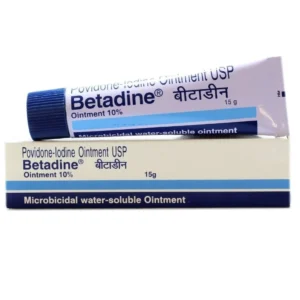
Betadine 10% Ointment ( Povidone Iodine)
Active Ingredient Povidone Iodine Manufacturer Win-Medicare Pvt Ltd Packaging Available in 15g & 25g Tubes Strength 10% Delivery Time 6 To 15 days SKU: Betadine 10% Ointment ( Povidone Iodine) Price range: $6.00 through $29.00Betadine 10% Ointment ( Povidone Iodine)
Price range: $6.00 through $29.00 -
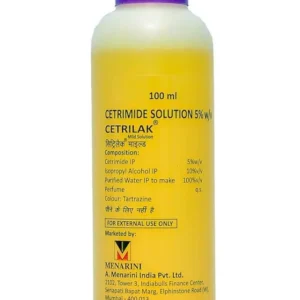
Cetrilak Mild Solution (Cetrimide)
Active Ingredient Cetrimide Manufacturer Menarini India Pvt Ltd Packaging 100ml in bottle Strength 5% Delivery Time 6 To 15 days SKU: Cetrilak Mild Solution (Cetrimide) Price range: $3.00 through $17.00Cetrilak Mild Solution (Cetrimide)
Price range: $3.00 through $17.00 -
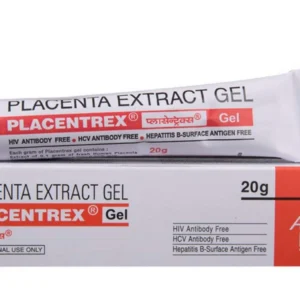
Placentrex Gel (Human Placental Extract & Nitrogen)
Active Ingredient Human Placental Extract/Nitrogen Manufacturer Albert David Limited Packaging 20 gm in 1 tube Strength 20 gm Delivery Time 6 To 15 days SKU: Placentrex Gel (Human Placental Extract/Nitrogen) Price range: $8.00 through $41.00Placentrex Gel (Human Placental Extract & Nitrogen)
Price range: $8.00 through $41.00 -
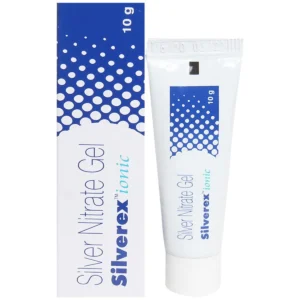
Silverex Ionic Gel (Silver Nitrate)
Active Ingredient Silver Nitrate Manufacturer Sun Pharmaceutical Industries Ltd Packaging 20g in tube Strength 20g Delivery Time 6 To 15 days SKU: Silverex Ionic Gel (Silver Nitrate) Price range: $5.00 through $22.00Silverex Ionic Gel (Silver Nitrate)
Price range: $5.00 through $22.00