
Combutol 200 Mg (Ethambutol)

Price range: $9.00 through $68.00
| Active Ingredient | Ethambutol |
|---|---|
| Manufacturer | Lupin Limited |
| Packaging | 10 Tablets in Strip |
| Strength | 200mg, 400mg, 600mg, 800mg, 1000mg |
| Delivery Time | 6 To 15 days |
| SKU: | Combutol 200 Mg (Ethambutol) |
Combutol 200 Mg (Ethambutol): Uses, Dosage, Side Effects, and Complete Guide
Tuberculosis (TB) treatment can feel overwhelming, especially when your prescription includes multiple medicines with unfamiliar names. If your doctor has prescribed Combutol 200 Mg (Ethambutol) as part of your anti-TB regimen, you probably have questions about how it works, how to take it safely, and what to expect along the way. This guide breaks it all down in plain language, so you know exactly what this medicine does and how to use it responsibly, alongside your doctor’s guidance.
Understanding Tuberculosis Before Starting Treatment
Tuberculosis is a bacterial infection caused by Mycobacterium tuberculosis, and it primarily affects the lungs, though it can spread to other organs like the kidneys, spine, or brain. It spreads through the air when an infected person coughs, sneezes, or talks, making it a public health concern that requires proper, complete treatment — not just for personal recovery, but to prevent transmission to others.
Common symptoms of pulmonary TB include a persistent cough lasting more than two weeks, chest pain, coughing up blood or sputum, unexplained weight loss, fever, night sweats, and fatigue. If you’ve been diagnosed with TB, your doctor has likely already run tests such as a sputum smear, chest X-ray, or molecular testing (like GeneXpert) to confirm the diagnosis and determine the treatment approach.
Because TB bacteria multiply slowly and can develop resistance quickly if attacked by only one drug, global TB treatment protocols rely on combination therapy. This is precisely where Combutol 200 Mg fits in — as one piece of a carefully coordinated treatment puzzle rather than a standalone cure.
What Is Combutol 200 Mg?
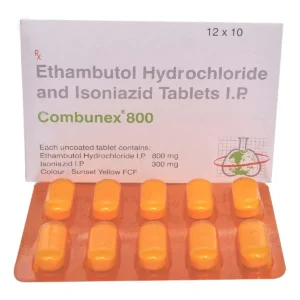
Combutol 200 Mg is a brand-name formulation of Ethambutol Hydrochloride, an antibiotic that belongs to a class of drugs called anti-tubercular agents (anti-TB drugs). It’s manufactured by Macleods Pharmaceuticals and is widely prescribed in India and other countries as part of combination therapy for tuberculosis.
Ethambutol doesn’t work alone against TB. It’s almost always prescribed together with other anti-TB medicines such as Isoniazid, Rifampicin, and Pyrazinamide — a combination often referred to as the “four-drug regimen” or intensive phase therapy. This multi-drug approach is essential because using a single antibiotic against TB bacteria increases the risk of the bacteria becoming drug-resistant.
Combutol 200 Mg is the lower-strength version of this medicine, often prescribed for children, patients with lower body weight, or as part of a dosage plan calculated by your doctor based on your specific weight and health condition. A higher-strength 400 Mg and 800 Mg version is also available for adults.
How Does Ethambutol Work?
Ethambutol works by interfering with the cell wall formation of Mycobacterium tuberculosis, the bacteria responsible for TB. Specifically, it inhibits an enzyme called arabinosyl transferase, which the bacteria need to build their protective outer wall. Without a properly functioning cell wall, the bacteria become vulnerable and their growth is stopped.
It’s important to note that Ethambutol is bacteriostatic, not bactericidal — meaning it stops the bacteria from multiplying rather than killing them outright. This is exactly why it’s paired with other drugs that attack the bacteria in different ways, giving the body’s immune system time to clear the infection completely.
What Is Combutol 200 Mg Used For?
The primary and most common use of Combutol 200 Mg is:
- Pulmonary tuberculosis (TB of the lungs) — used in combination with other anti-TB drugs during the treatment course
- Extrapulmonary tuberculosis — TB affecting parts of the body other than the lungs, such as lymph nodes, bones, or other organs
- Latent TB management — in specific cases, as advised by a treating physician
- Multi-drug resistant TB (MDR-TB) regimens — sometimes included depending on the resistance pattern and doctor’s assessment
Combutol should never be used to self-treat a cough, cold, or general infection. It is specifically formulated to target TB bacteria and has no role in treating viral or common bacterial infections.
Key Benefits of Including Combutol 200 Mg in TB Treatment
- Prevents drug resistance: By working alongside other anti-TB drugs, Ethambutol helps ensure that TB bacteria are attacked from multiple angles at once, making it much harder for resistant strains to develop.
- Well-established safety profile: Ethambutol has been used in TB treatment for decades and is included in standard treatment guidelines by health authorities worldwide, including the WHO.
- Flexible dosing options: Available in 200 Mg, 400 Mg, and 800 Mg strengths, allowing doctors to fine-tune dosing based on body weight, especially useful for treating children and lower-weight adults.
- Supports complete recovery: When taken as directed for the full course, it contributes meaningfully to clearing the infection and reducing the risk of relapse.
- Cost-effective: As a widely available generic-based formulation, Combutol makes an essential part of TB therapy accessible to a broad range of patients.
Who Should Avoid Combutol 200 Mg?
While Ethambutol is generally well-tolerated, it isn’t suitable for everyone. Your doctor may avoid prescribing it, or recommend an alternative anti-TB drug, in situations such as:
- A known allergy or hypersensitivity to Ethambutol or any ingredient in the formulation
- Pre-existing optic neuritis or other conditions that make it difficult to monitor visual changes accurately
- Children too young to reliably report symptoms like blurred vision or color perception changes
- Severe kidney impairment, unless the dose is carefully adjusted and monitored by a specialist
- Patients who are unable to attend regular follow-up visits for vision and lab monitoring, since safe use depends heavily on this oversight
If any of these apply to you or a family member being treated for TB, discuss alternative regimens with the prescribing doctor.
Combutol 200 Mg Dosage: What You Should Know
Dosage decisions for Ethambutol are highly individualized and depend on factors like body weight, kidney function, age, and the specific TB treatment protocol your doctor is following (many countries follow WHO or national TB program guidelines that calculate dosage in mg per kg of body weight).
A few general points worth understanding:
- Ethambutol dosing is typically weight-based, which is why it comes in multiple strengths (200 Mg, 400 Mg, 800 Mg) to allow flexible, accurate dosing.
- It is usually taken once daily, at the same time each day, to maintain consistent levels in the body.
- The medicine is often taken with food to reduce stomach discomfort, though your doctor may advise on the best timing based on your regimen.
- The full course of TB treatment usually spans 6 months or longer, and Ethambutol is typically part of the initial intensive phase.
Never adjust your dose or stop the medicine on your own, even if you start feeling better. TB treatment requires completing the full prescribed course. Stopping early is one of the leading causes of drug-resistant TB, which is far harder and more expensive to treat.
If you miss a dose, take it as soon as you remember. If it’s almost time for your next dose, skip the missed one — don’t double up. Consistency matters more than making up for a single missed dose.
How to Take Combutol 200 Mg Safely
- Take the tablet exactly as prescribed by your doctor — don’t increase, decrease, or skip doses on your own judgment.
- Swallow the tablet with a full glass of water.
- Try to take it at the same time every day to build a routine and avoid missed doses.
- Continue taking it for the entire duration prescribed, even after symptoms like cough, fever, or fatigue improve.
- Avoid taking antacids (especially those containing aluminum) close to your Ethambutol dose, as they can reduce its absorption. Space them out by at least a few hours if both are prescribed.
- Keep all scheduled follow-up appointments, since your doctor will need to monitor your progress and check for side effects throughout treatment.
Side Effects of Combutol 200 Mg
Like all medicines, Ethambutol can cause side effects. Most people tolerate it reasonably well, but being aware of possible reactions helps you know what’s normal and what needs medical attention.
Common Side Effects
- Nausea or upset stomach
- Loss of appetite
- Headache
- Dizziness
- Joint pain
- Mild skin rash or itching
These are usually manageable and often lessen as your body adjusts to the medicine. However, you should still mention them to your doctor, especially if they persist or worsen.
Serious Side Effects (Seek Medical Attention)
- Vision changes — blurred vision, reduced color perception (especially difficulty distinguishing red and green), or any decline in visual sharpness
- Eye pain or discomfort
- Numbness or tingling in the hands or feet
- Yellowing of the skin or eyes (signs of liver problems)
- Severe skin reactions, swelling, or difficulty breathing (signs of an allergic reaction)
- Unusual bruising or bleeding
Vision-related side effects deserve special attention. Ethambutol is known to occasionally cause a condition called optic neuritis, which affects eyesight. This is why doctors typically recommend a baseline eye examination before starting treatment and periodic vision checks during the course, particularly if you’re on a higher dose or a longer treatment duration. Report any change in vision to your doctor immediately — this side effect is usually reversible if the medicine is stopped promptly, but can become permanent if ignored.
Precautions and Warnings
Before starting Combutol 200 Mg, make sure your doctor is aware of your complete medical history. Certain conditions require extra caution or dose adjustments:
- Kidney disease: Since Ethambutol is cleared from the body through the kidneys, reduced kidney function can cause the drug to build up, increasing the risk of side effects. Dose adjustments are often necessary.
- Eye conditions: Pre-existing eye problems, including cataracts, diabetic retinopathy, or optic nerve issues, should be disclosed, as Ethambutol’s effect on vision may be harder to monitor or more pronounced.
- Children under 5 years: Ethambutol is generally avoided in very young children because they often cannot reliably communicate early visual side effects. It may still be used in specific circumstances under close specialist supervision.
- Pregnancy and breastfeeding: Ethambutol is generally considered one of the safer anti-TB drugs during pregnancy, but this decision should always be made by your doctor after weighing the benefits and risks specific to your situation. It does pass into breast milk in small amounts, so discuss this with your physician if breastfeeding.
- Gout: Ethambutol can raise uric acid levels in the blood, which may trigger gout flare-ups in people prone to this condition.
- Alcohol use: Since TB treatment already puts stress on the liver (particularly with drugs like Isoniazid and Rifampicin in the combination), your doctor will likely advise limiting or avoiding alcohol throughout treatment.
Drug Interactions
Combutol 200 Mg can interact with certain other medicines, which may affect how well it works or increase the risk of side effects. Some notable interactions include:
- Aluminum hydroxide-containing antacids: Can reduce the absorption of Ethambutol if taken together; space doses apart.
- Other anti-TB drugs: Generally used together intentionally as part of the treatment protocol, but your doctor will monitor for combined side effects like liver strain.
- Neurotoxic drugs: Combining Ethambutol with other medicines that can affect nerves may increase the risk of numbness or tingling sensations.
Always give your doctor and pharmacist a complete list of medicines, supplements, and over-the-counter products you’re taking before starting Combutol, to avoid unwanted interactions.
Storage Instructions
- Store Combutol 200 Mg tablets at room temperature, away from direct sunlight and moisture.
- Keep the medicine in its original packaging until it’s time to take a dose.
- Keep out of reach of children and pets.
- Do not use the medicine beyond its expiry date, and dispose of any unused or expired tablets responsibly rather than throwing them in regular household waste.
Lifestyle Tips While on TB Treatment with Combutol
Taking your medicine correctly is only part of the picture. A few everyday habits can support your recovery and help your body respond better to treatment:
- Eat a balanced, protein-rich diet: TB and its treatment can be taxing on the body. Nutritious meals help maintain strength and support the immune system during recovery.
- Stay hydrated: Adequate water intake supports kidney function, which matters since Ethambutol is cleared through the kidneys.
- Avoid smoking: Smoking further irritates the lungs and can slow healing in pulmonary TB patients.
- Get adequate rest: TB treatment can cause fatigue, especially in the early weeks. Prioritizing sleep and avoiding overexertion supports recovery.
- Maintain good ventilation at home: Especially during the initial infectious period, proper airflow and, where advised, isolation precautions help protect family members.
- Track your symptoms: Keeping a simple daily note of any new symptoms, especially vision changes, tingling, or unusual fatigue, makes it easier to give your doctor accurate information at follow-up visits.
- Don’t skip lab tests or eye exams: These aren’t optional extras — they’re a core part of using Ethambutol safely.
Family and caregiver support also plays a big role in TB recovery. Since treatment spans several months, having a support system to help track doses, attend appointments, and encourage adherence can make a real difference in outcomes.
Frequently Asked Questions (FAQs)
1. Can I stop taking Combutol 200 Mg once I feel better?
No. Feeling better doesn’t mean the TB bacteria have been fully eliminated. Stopping treatment early is a major cause of drug-resistant TB. Always complete the full course as prescribed by your doctor.
2. Is Combutol 200 Mg safe for long-term use?
It’s used for the duration specified in your TB treatment plan, which is typically several months. Long-term use requires regular monitoring, especially of vision and kidney function, which your doctor will arrange through periodic check-ups.
3. Can Combutol cause permanent vision loss?
Vision changes from Ethambutol are usually reversible if caught early and the medicine is stopped or adjusted promptly. This is why regular eye check-ups during treatment are so important. Permanent effects are rare when monitoring guidelines are followed.
4. Can I take Combutol 200 Mg on an empty stomach?
It can generally be taken with or without food, though taking it with food may help reduce stomach upset. Follow your doctor’s specific instructions, since the exact regimen (fasting or with food) may depend on the other drugs you’re taking alongside it.
5. What should I do if I experience blurred vision while on this medicine?
Contact your doctor immediately. Do not wait for your next scheduled appointment. Vision-related side effects need prompt evaluation.
6. Can children take Combutol 200 Mg?
Yes, in many cases, particularly the lower-strength 200 Mg formulation is designed for pediatric or lower-body-weight dosing. However, it requires careful medical supervision, especially in very young children, due to the difficulty in monitoring subtle vision changes.
7. Does Combutol 200 Mg cure TB on its own?
No. It is one component of a multi-drug regimen. TB treatment requires a combination of medicines working together over several months to fully eliminate the infection and prevent resistance.
8. Can I drink alcohol while taking Combutol 200 Mg?
It’s best to avoid or significantly limit alcohol during TB treatment, as the combination of anti-TB drugs already places extra demand on the liver. Discuss this with your doctor for personalized advice.
Disclaimer:-
This information about Combutol 200 Mg (Ethambutol) is provided for educational purposes only and should not replace advice from a qualified healthcare professional. Ethambutol should be used only as directed by a doctor, usually as part of a combination treatment for tuberculosis. Dosage and duration depend on individual medical factors. Patients should follow their prescribed treatment and seek medical advice if they experience vision changes or other concerning symptoms. Do not start, stop, or change the dose without consulting your healthcare provider.
Additional information
| mg | 1000mg, 200mg, 400mg, 600mg, 800mg |
|---|---|
| unit | 300 Tablet, 90 Tablet, 120 Tablet, 150 Tablet |



Reviews
There are no reviews yet.